Story summary
On September 14, Ukrainian President Volodymyr Zelenskyy stated that Ukraine is ready to halt strikes on Russia if its partners ensure Moscow will refrain from hitting Ukrainian energy facilities and infrastructure. However, Zelenskyy expressed doubt about Russia's willingness to adhere to any agreement, emphasizing the need for a reliable long-term deal with real impact on people’s lives.
The day before, US President Donald Trump claimed that Ukraine and Russia had agreed not to hit each other's energy targets in an effort to mitigate rising global fuel prices. Zelenskyy later clarified that Ukraine was willing to reciprocate but needed assurances from "partners," likely referring to the U.S., that Russia would genuinely refrain from striking Ukrainian critical infrastructure.
Meanwhile, the Kremlin welcomed Trump’s call on Ukraine to halt strikes on Russian diesel facilities, with Kremlin spokesman Dmitry Peskov stating that any such call could be welcomed. However, he also noted that the upheaval in global energy markets was mainly due to conflicts in the Gulf region rather than the Russia-Ukraine war.
As tensions escalated and fuel prices soared past $6 per gallon, Trump's claims were met with skepticism from both Ukrainian and Russian sides, with no official confirmation of an agreement as of September 14.
Written for “Ukraine Russia Energy Strikes Trump” on 2026-09-14,
grounded in this article and the 31 other(s) covering the same event.
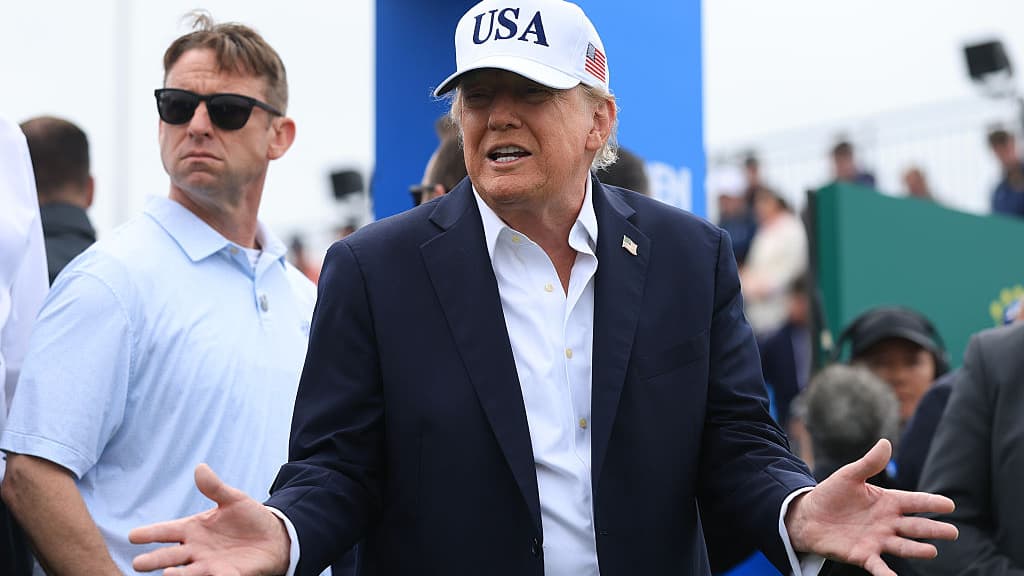
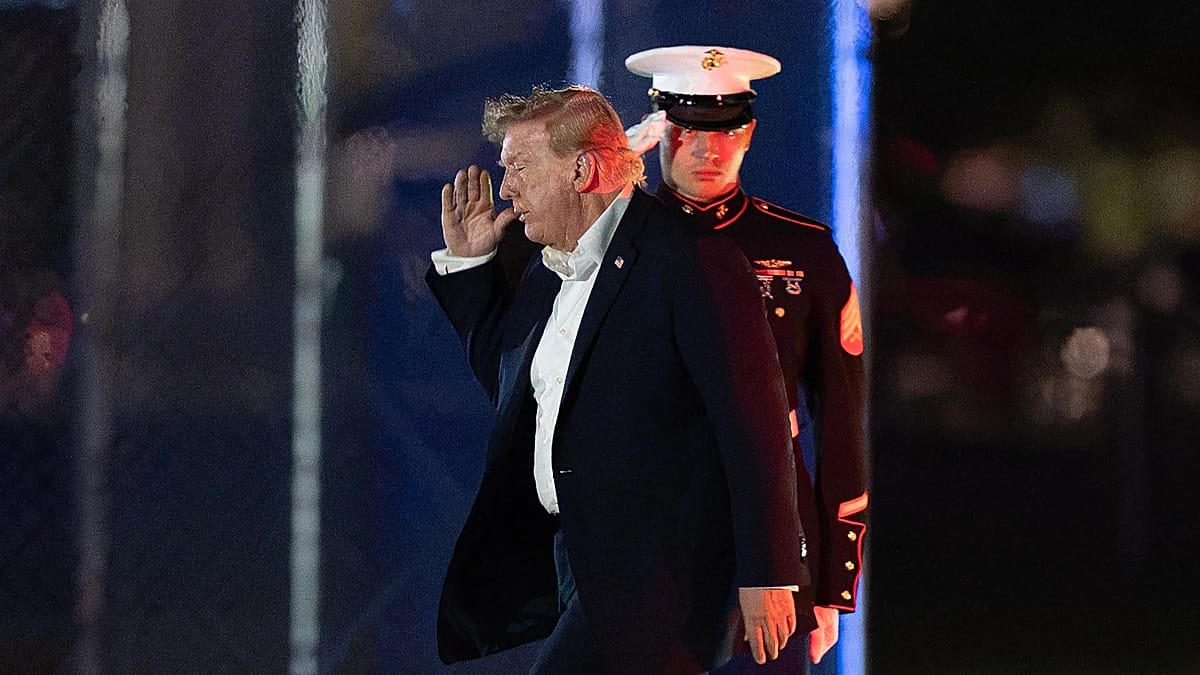
President Donald Trump said Monday morning that Ukraine and Russia have both agreed not to strike targets that impact energy infrastructure.
asserted
that → say → infrastructure
"Ukraine has agreed not to hit Russian Energy targets.
asserted
Ukraine → agree → targets
Russia has agreed to do, likewise!" he wrote in a post on Truth Social.
asserted
he → agree → Social
Neither Russia nor Ukraine had publicly confirmed the agreement as of midday Monday.
asserted
Russia → confirm → midday
Ukrainian President Volodymyr Zelenskyy said that he was willing to reciprocate if Russia would agree to the de-escalation, as well.
asserted
Russia → say → escalation
But he added that such an agreement would also require assurances from "partners," likely referring to the U.S.
"If our partners are ready to ensure that Russia genuinely refrains from striking our electricity system, other energy facilities, critical infrastructure, and food supply routes, then, of course, we are ready to ensure a corresponding halt to our strikes," he wrote on X.com on Monday.
asserted
he → add → Monday
However, he added: "Ukraine is not convinced that Russia is willing to abide by any agreement."
asserted
Russia → add → agreement
Trump’s announcement broadened the demand he made a day earlier, when he called solely on Ukraine to halt its attacks on Russian energy facilities.
asserted
he → broaden → facilities
On Sunday, Trump said that Zelenskyy should halt strikes on Russia's diesel fuel infrastructure and refineries, claiming the attacks are contributing to a fuel shortage.
asserted
attacks → say → shortage
“Mr. Zelenskyy has to do one thing.
asserted
Zelenskyy → have → thing
He has to stop knocking out diesel fuel in Russia,” Trump told reporters during his scheduled visit to Ireland.
asserted
Trump → have → Ireland
“Let him go after targets but not diesel fuel, because he’s causing a shortage.”
asserted
he → let → shortage
For Ukraine, that would mean curtailing one of its principal means of imposing pressure on Moscow.
asserted
that → mean → Moscow
Yet energy-market data indicates that the much larger source of the global diesel squeeze stems from the ongoing conflict in the Middle East, raising questions about how much Trump’s proposal would even impact the shortage—and what it could cost Kyiv.
uncertain
it → indicate → Kyiv
Though the U.S.-Iran war has dramatically limited the distribution of oil since February, Trump said that it is not responsible for current shortages.
asserted
it → limit → shortages
“This isn’t done by the Middle East,” Trump said.
asserted
Trump → do → East
“This is done by what’s happening with Russia and Ukraine.
asserted
what → do → Russia
So we spoke to Mr. Zelenskyy about it.”
asserted
we → speak → it
Trump’s comments appeared to be referring to last week’s mediation efforts which saw U.S. envoys Steve Witkoff and Jared Kushner visiting Russia and Ukraine to discuss a path toward peace.
asserted
Witkoff → appear → peace
Witkoff said afterward that he was “confident that there'll be a good resolution here.”
asserted
he → say → ?
Washington’s intervention in the peace efforts had previously stalled last spring following the outbreak of war with Iran.
asserted
intervention → stall → Iran
Throughout the summer, as Ukraine stepped up its long-range attacks, it increasingly set its sights on oil refineries.
asserted
it → step → refineries
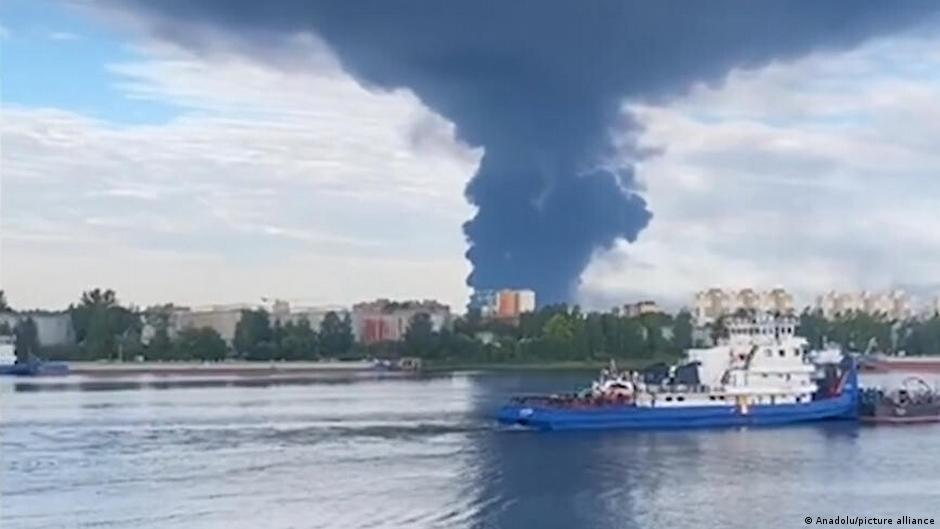
Overnight into Sept. 13, Ukraine targeted two Russian refineries—one of which, the Slavyansk Oil Refinery, is one of the “largest independent oil refineries in the south of the Russian Federation” according to the General Staff of the Ukrainian Armed Forces.
uncertain
one → target → Forces
Zelenskyy has not publicly responded to Trump’s comments, but he has previously said that these refineries fund and fuel Russia’s war with Ukraine.
asserted
refineries → respond → Ukraine
He said that his country’s attacks are meant to disrupt Moscow’s financing capacity.
asserted
attacks → say → capacity
Olena Lennon, a Practitioner in Residence of National Security at the University of New Haven, says ending the attacks would deprive Kyiv of an unusually effective source of leverage.
asserted
ending → say → leverage
“Taking away one of Ukraine’s most effective pressure points inside Russia—one that has actually put Russia on the back foot—would significantly weaken Ukrainian leverage and set Ukraine back, leading to more Ukrainian deaths,” Lennon tells TIME.
asserted
Lennon → take → TIME
TIME has reached out to Zelenskyy’s office for comment.
asserted
TIME → reach → comment
Disruptions to Russia’s oil refineries have undoubtedly impacted Russian fuel markets, as well as those in Central Asia.
asserted
Disruptions → impact → Asia
When Ukraine intensified its attacks on Russia’s energy facilities in late 2025, the northern nation faced a domestic gasoline shortage estimated at around 20%.
asserted
nation → intensify → %
It began instituting export restrictions.
asserted
It → begin → restrictions
The disruption persisted, however, with Russian refinery runs reaching a 24-year low last month.
asserted
runs → persist → low
Those restrictions then reverberated across Central Asia.
asserted
restrictions → reverberate → Asia
According to the Carnegie Russia Eurasia Center, part of the Carnegie Endowment for International Peace, Central Asian nations saw a rise in retail gas prices as a result of Moscow’s restrictions—by as much as 25% year over year.
uncertain
nations → accord → year
Some countries, like Kyrgyzstan and Tajikistan, turned to suppliers in China as a result.
asserted
countries → turn → result
But Russia is only one contributor to a global fuel squeeze driven more substantially by disruptions in the Middle East.
asserted
Russia → drive → East
The effects of that broader supply shock have been felt worldwide.
asserted
effects → feel → shock
In Australia, the government launched an A$20 million National Fuel Security Campaign that encouraged citizens to voluntarily reduce fuel consumption as a result of shortages.
asserted
that → launch → shortages
It ran from April to June.
asserted
It → run → June
Fuel prices are set to rise again in the country as fighting once again ramps up.
asserted
fighting → set → country
…and 50 more, not listed.