Ukrainian President Volodymyr Zelensky stated on September 14 that Ukraine is prepared to take de-escalatory steps in the conflict with Russia if Russia reciprocates. This announcement came after US President Donald Trump claimed both sides agreed to stop striking energy targets, a move he attributed to alleviating fuel shortages. While Zelensky highlighted the potential for peace through mutual restraint on attacks against critical infrastructure, he also emphasized that Ukraine would only proceed if it sees genuine Russian commitment to ending the war. Meanwhile, rail strikes in Ukraine are intensifying, with the country's railway chief noting a worsening situation each week.
Written by the local model on 2026-09-14,
using this article's own text rather than the other coverage of the
same event (that is the story summary below).
Zelensky says Ukraine ready for ‘de-escalatory steps’
asserted
Ukraine → say → steps
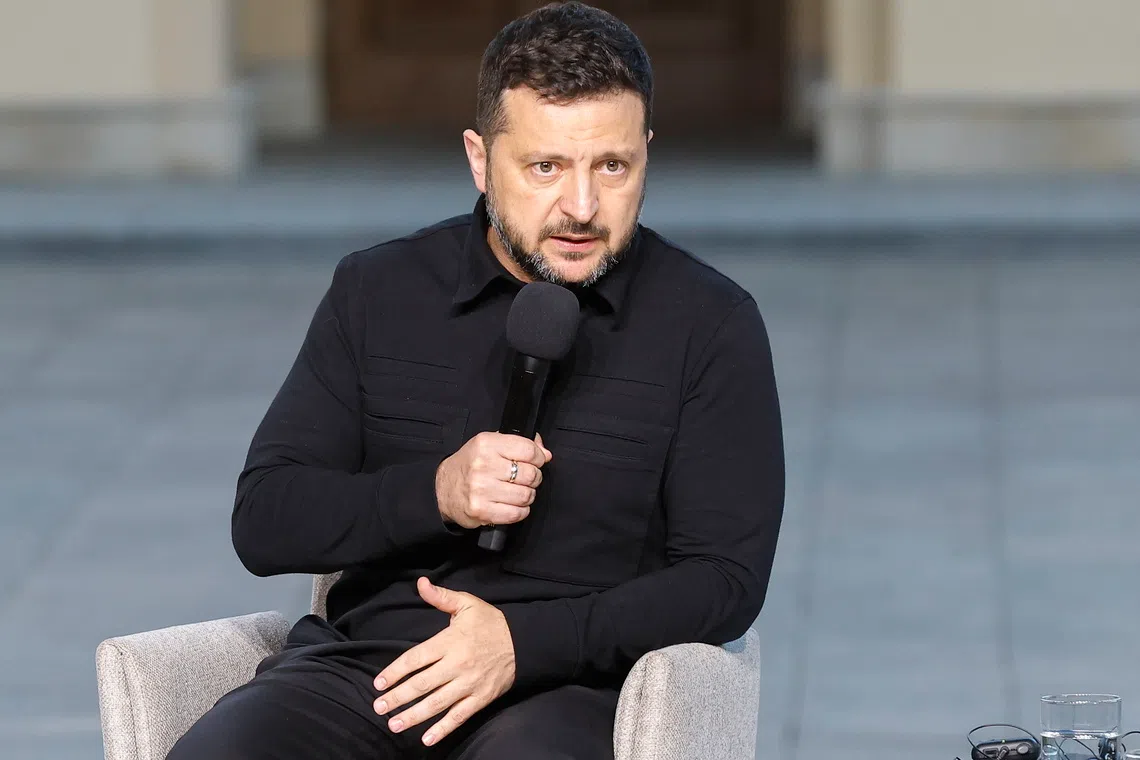
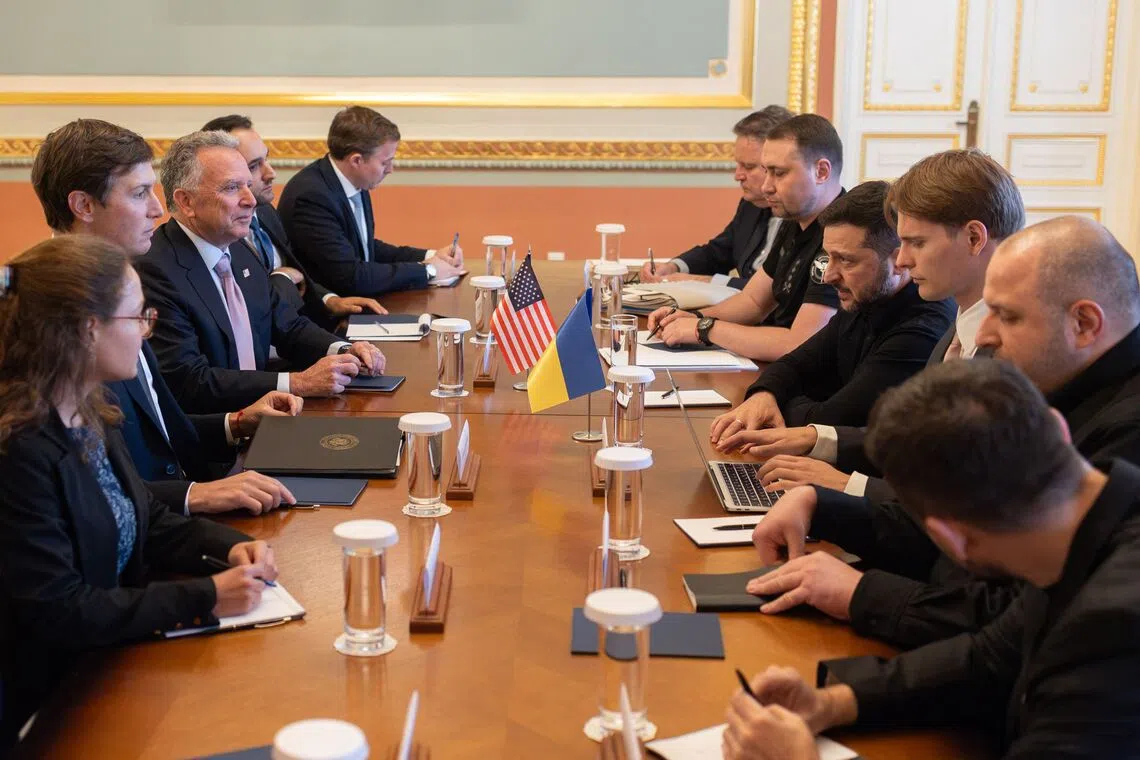
Ukrainian President Volodymyr Zelensky said on Sept 14 that Ukraine was ready to de-escalate the war with Russia if its rival did the same, after US President Donald Trump announced that the foes had agreed to end strikes on energy targets.
asserted
foes → say → targets
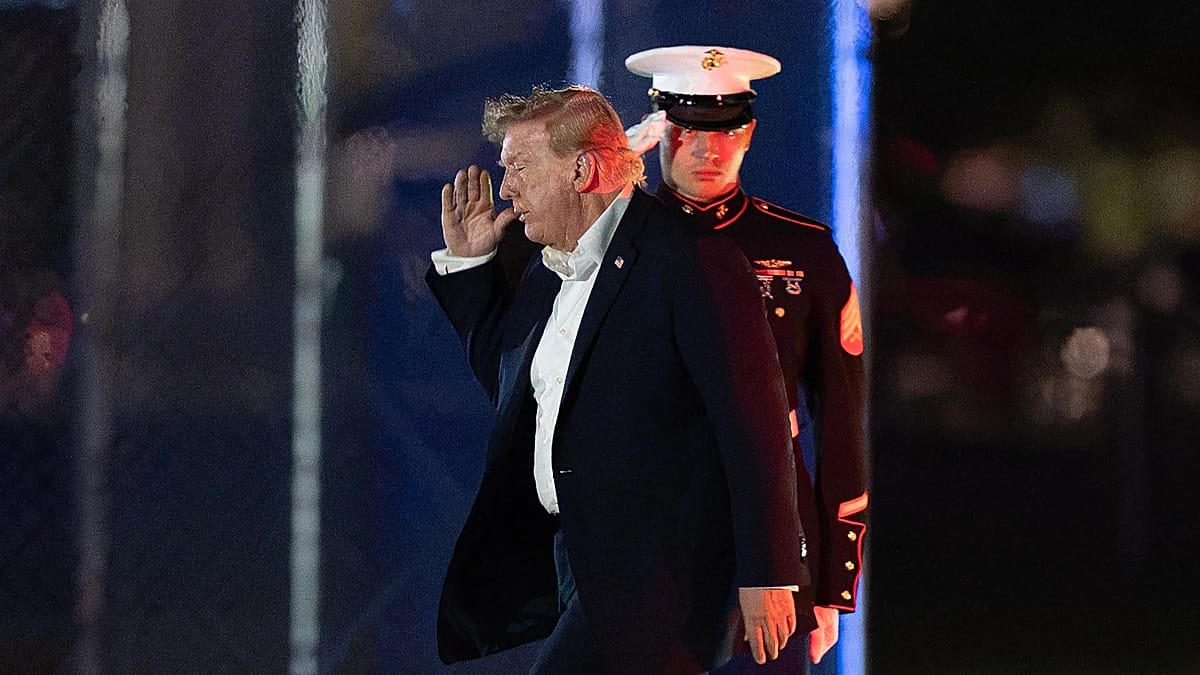
With international oil prices climbing again, Trump had at the weekend berated Ukraine’s attacks on Russian refineries, blaming them for causing a shortage in diesel fuel.
asserted
Trump → climb → fuel
In one of his surprise social media posts, the US leader announced on Sept 14 that “Ukraine has agreed not to hit Russian Energy targets.
asserted
Ukraine → announce → targets
Russia has agreed to do, likewise!”
asserted
Russia → agree → ?
Russia made no immediate comment.
asserted
Russia → make → comment
But in his daily address, Zelensky highlighted “a strong proposal from the United States regarding a mutual halt to strikes on critical infrastructure”.
asserted
Zelensky → highlight → infrastructure
He added: “If this can become the first de-escalatory step – stopping Russian strikes on our critical infrastructure, and ours in response – then Ukraine is ready to support de-escalation.”
asserted
Ukraine → add → escalation
Zelensky said “we see that the Russians are feeling pressure because of our precise responses against Russia’s war economy”.
asserted
Russians → say → economy
He noted that “so far no one has seen any genuine desire from Russia to move toward ending the war”.
asserted
one → note → war
“But if our American partners succeed in securing a real readiness from Russia to stop this war of destroying lives, and to do so sincerely and for the long term, Ukraine will make its own de-escalatory steps.”
Rail strikes get worse
Trump has insisted that the Russia-Ukraine war and not the conflict with Iran, was driving up fuel costs for Americans who vote in crucial midterm elections in November.
A previous push by Trump for a ceasefire has been sidelined by the US-Israeli conflict against Iran, now in its seventh month.
asserted
push → succeed → month
US envoys went to Moscow and Kyiv earlier this month without announcing a breakthrough.
asserted
envoys → go → breakthrough
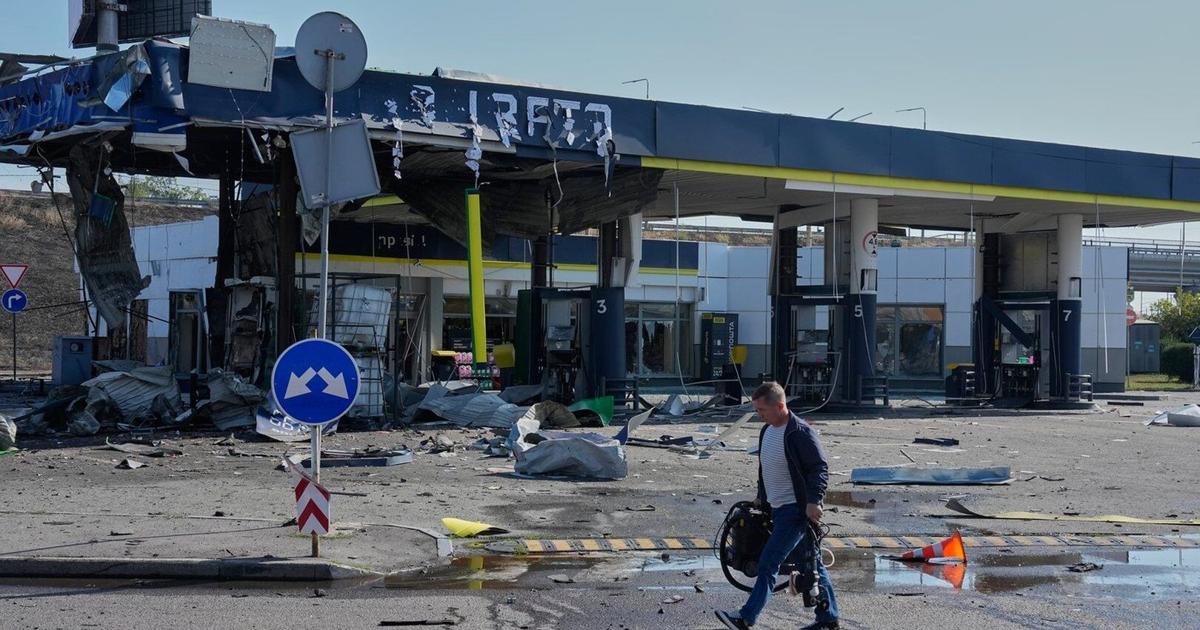
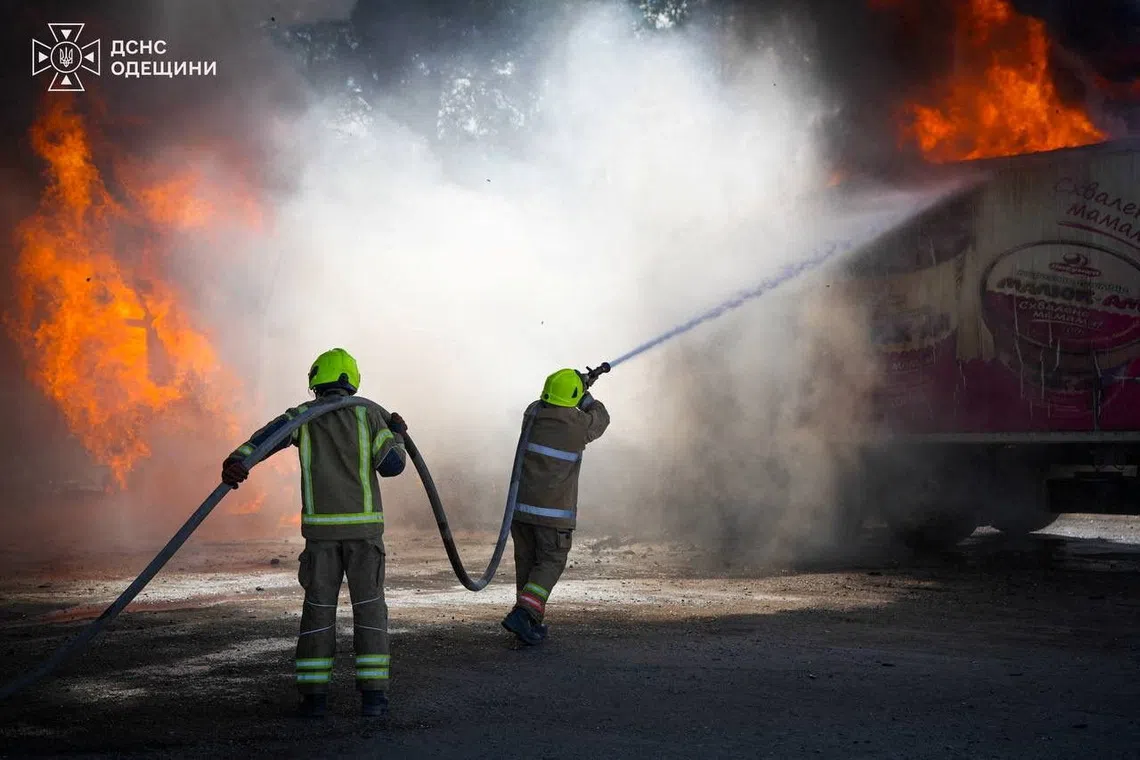
While Ukraine has hit refineries deep inside Russia, Zelensky has stepped up calls for allies to provide more anti-missile defences as Russia intensifies its attacks.
asserted
Russia → hit → attacks
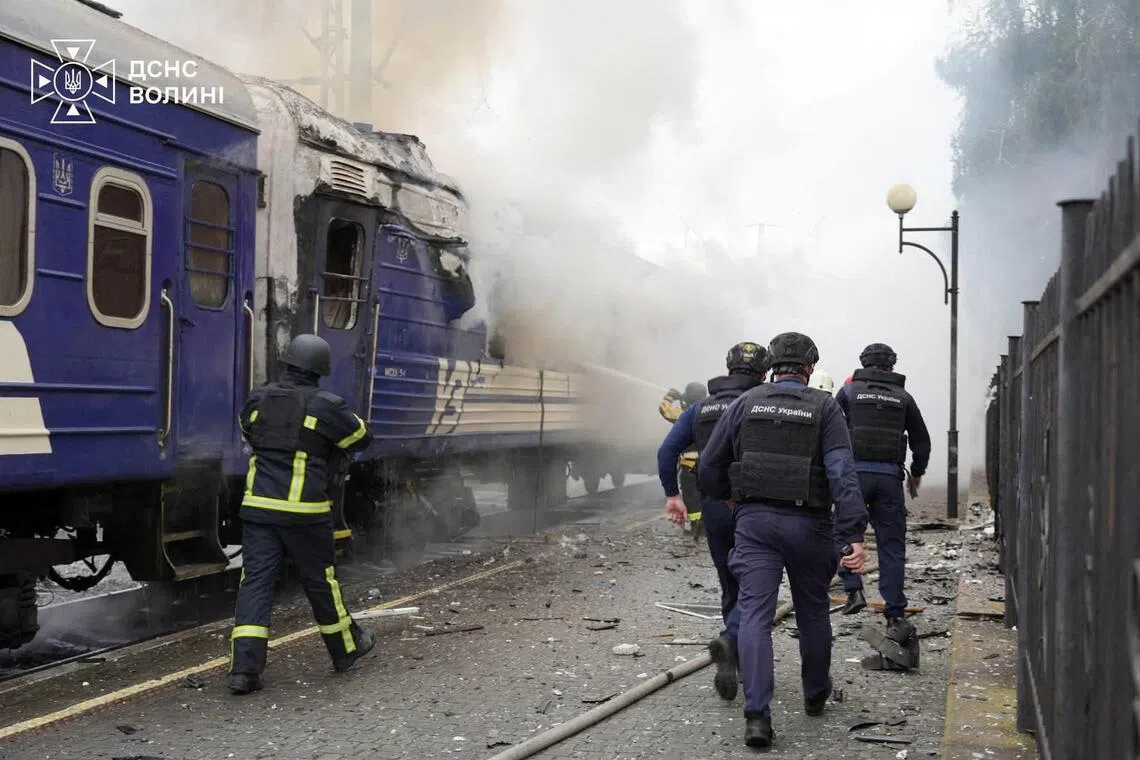
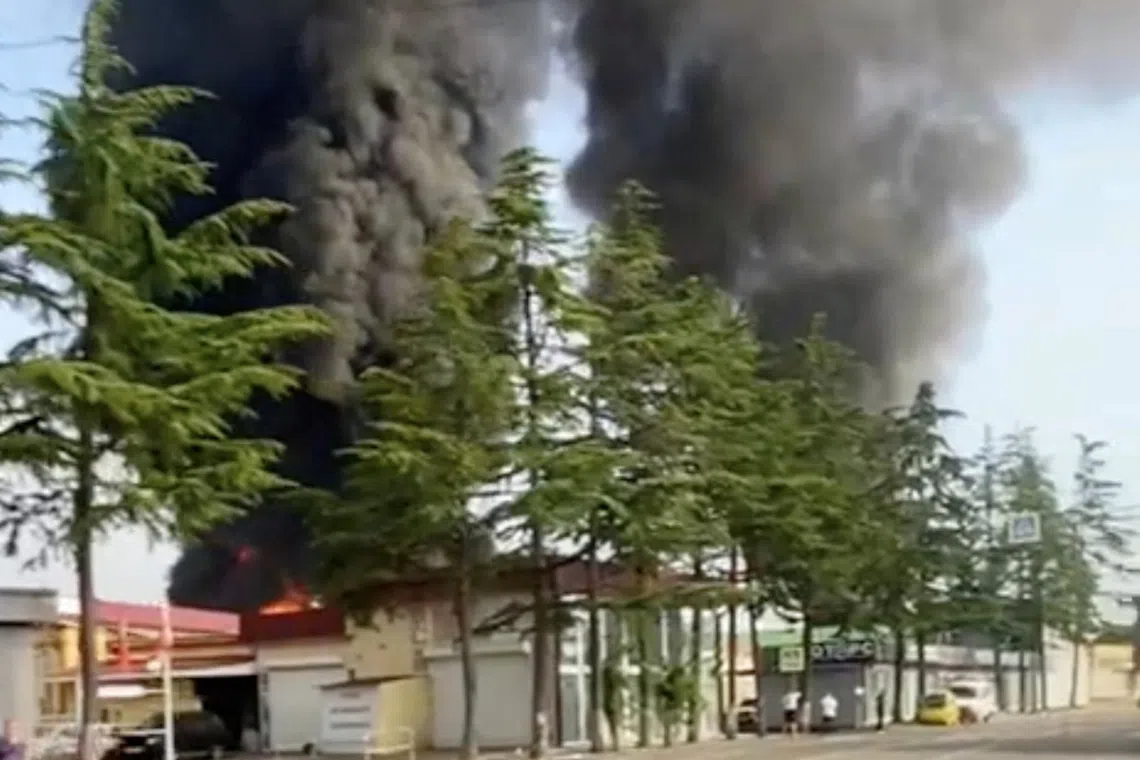
Russian strikes on Ukraine’s rail network are worsening each week, the CEO of the state Ukrainian Railways operator told AFP on Sept 14, after a strike hit a train frequently used by diplomats near the Polish border at the weekend.
“It’s growing exponentially.
asserted
It → worsen → weekend
Each month, each week is generally worse than the previous one,” said Oleksandr Pertsovsky.
asserted
Pertsovsky → say → one
NATO-member Poland said on Sept 13 that Russia hit a train about 2km from the Polish-Ukraine border, just days after Kyiv officials said road crossing checkpoints on the border with Moldova had been targeted.
asserted
checkpoints → say → Moldova
Polish Prime Minister Donald Tusk said on Sept 13 that Warsaw had obtained information that Moscow might be planning attacks on border crossings.
uncertain
Moscow → say → crossings
EU delays sanctions deadline
But European Union countries on Sept 14 delayed a deadline for prolonging sanctions on Russia after France pushed for billionaire Alisher Usmanov to be removed from a blacklist, diplomats said.
asserted
diplomats → delay → blacklist
An EU list of almost 3,000 individuals and entities – which needs to be extended every six months – was set to expire by Sept 16.
asserted
which → need → Sept
However ambassadors from the 27 EU member states pushed back the deadline one week after the late efforts from Paris to remove 73-year-old Uzbek-Russian metals tycoon Usmanov drew opposition, the diplomats said.
asserted
diplomats → push → opposition
Usmanov, a former major shareholder in Arsenal football club, was placed on the EU sanctions list in 2022 over what Brussels said were his close ties to the Kremlin.
asserted
Brussels → place → Kremlin
The French move surprised some EU states.
asserted
move → surprise → states
“Renewal of the listings is essential to continue undermining Russia’s war machine, and keeping the pressure on those individuals and entities supporting, enabling and benefitting from it,” a spokesman for Ireland, which currently holds the EU presidency, said.
asserted
which → continue → presidency
The Financial Times reported, quoting people familiar with the issue, that France was making the push as part of a prisoner release deal involving French citizens held in Azerbaijan.
asserted
France → report → Azerbaijan
 The Aporia