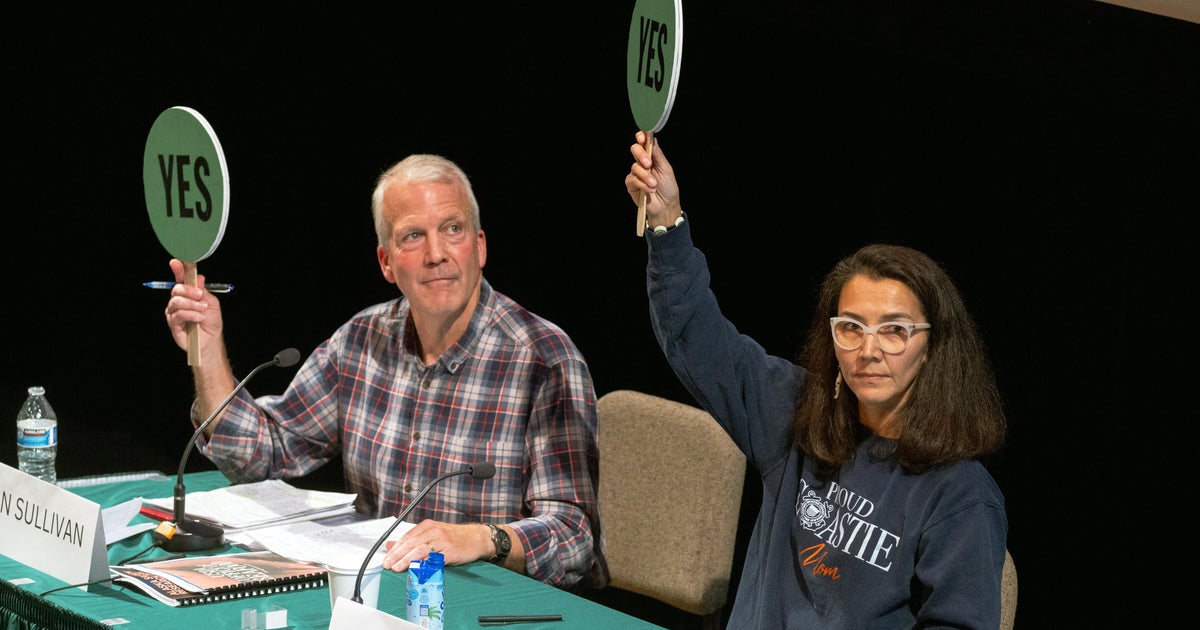
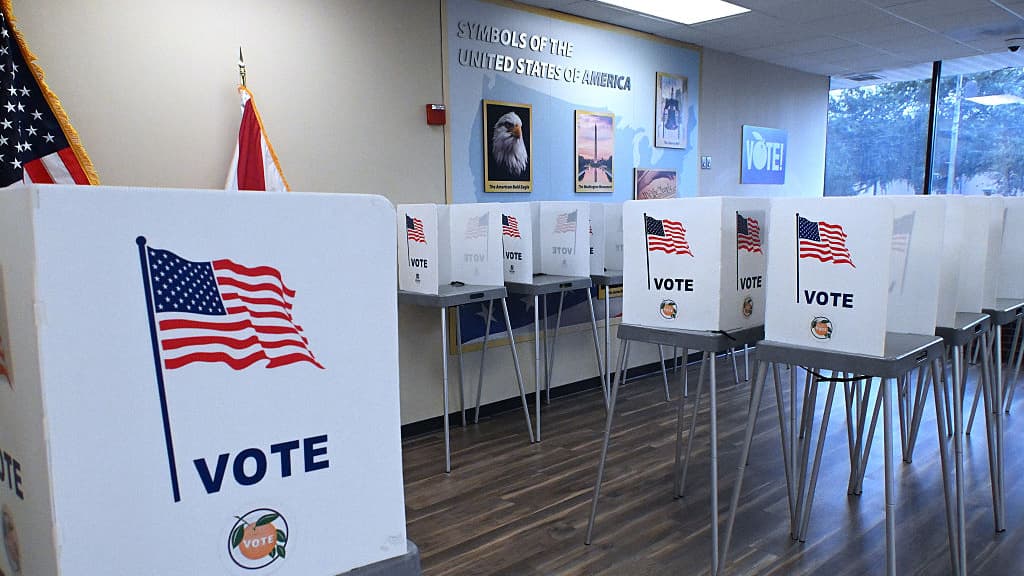
The Department of Justice (DOJ) on Thursday filed a lawsuit that intends to weigh in on the results of the Senate race in Alaska.
asserted
that → file → Alaska
It seeks to block certification of the election results under certain conditions if under Republican Sen. Dan S. Sullivan loses.
asserted
Sullivan → seek → conditions
Experts question whether it has the legal basis to do so—and if this intervention is a preview of how the Trump Administration might respond to unfavorable midterm results across the U.S.
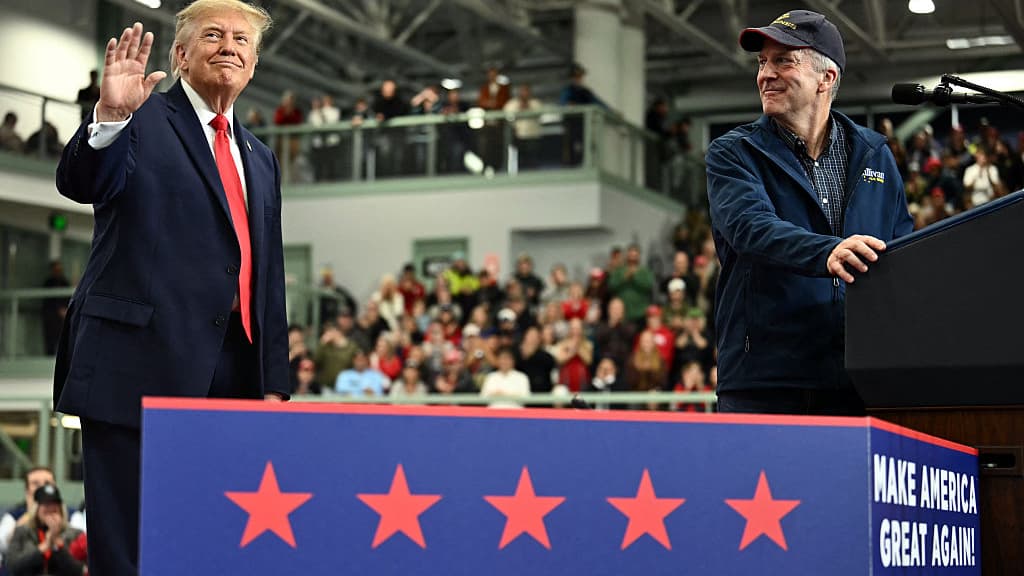
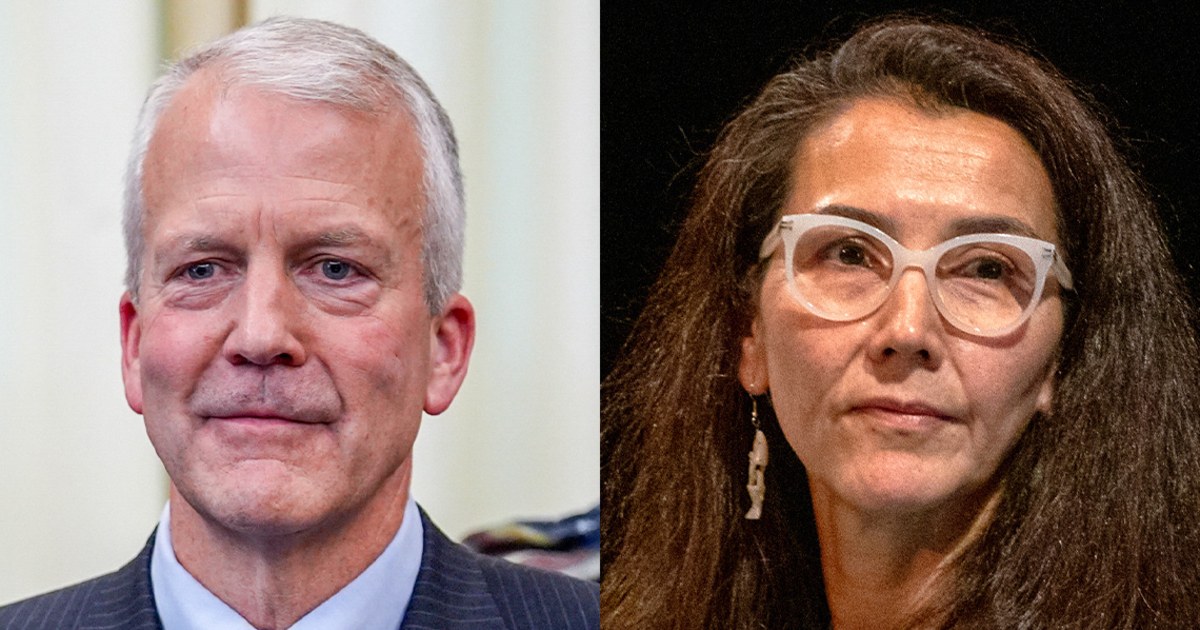
The DOJ, in its filing, expressed concern that there might be “voter confusion” stemming from the fact that two candidates on the ballot are named Dan Sullivan.
uncertain
candidates → question → ballot
Republican Sen. Dan S. Sullivan is currently seeking re-election, and one of his challengers is Daniel J. Sullivan.
asserted
one → seek → challengers
The GOP raised concerns about the similar-seeming names when Sullivan filed to run in May, and a solution was proposed to add the word “incumbent” beside the current senator’s name.
uncertain
solution → raise → name
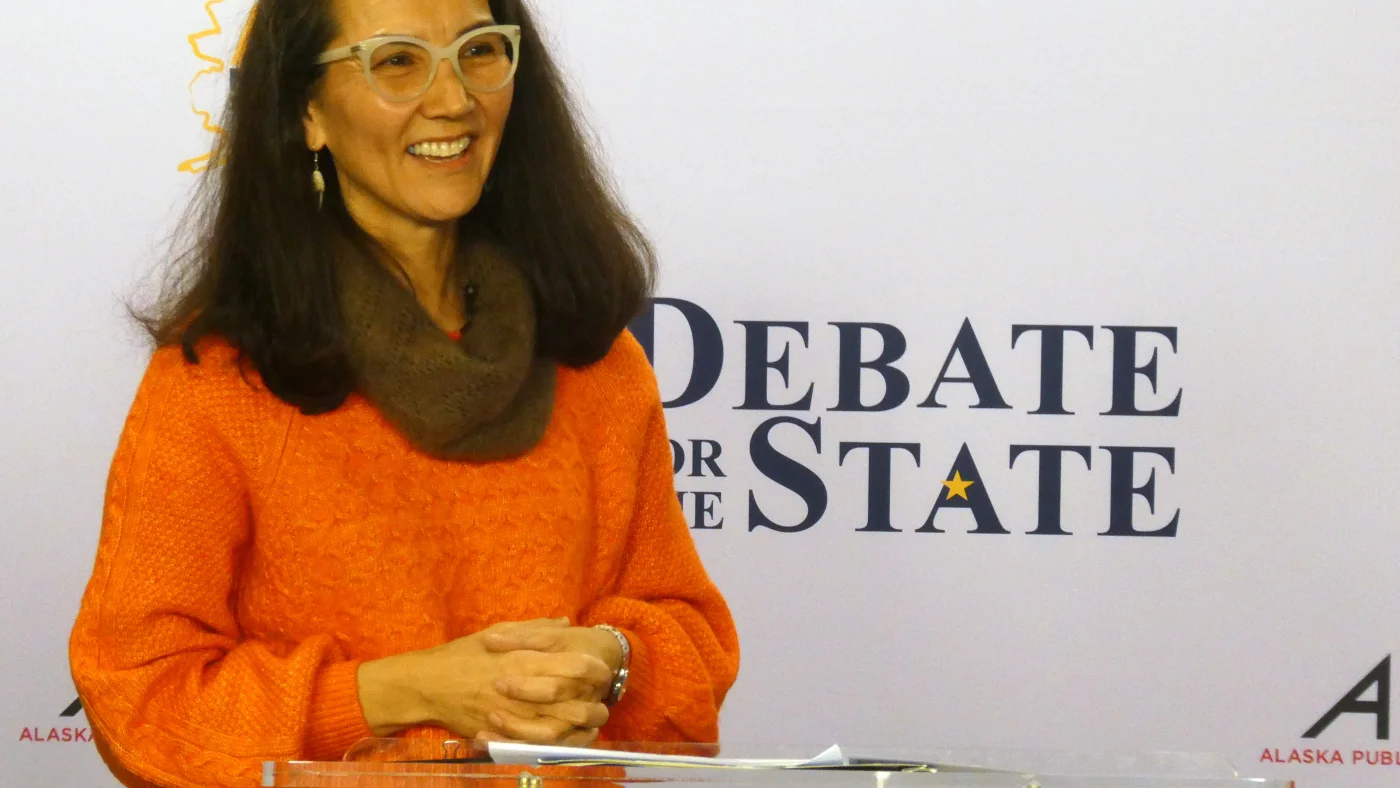
But they continued to express concerns that voters will split their votes between the two men, potentially opening the door for Democrat Mary Peltola to win the seat.
asserted
Peltola → continue → seat
Alaska has traditionally been a state that leans Republican: Trump won the state by 13 points in 2024, and the state has not had a Democratic governor since 2002.
asserted
state → lean → 2002
But the race is closer than analysts first expected.
asserted
analysts → expect → ?
October polls from The New York Times/Siena, Alaska Survey Research, and Data for Progress show Peltola leading Dan S. Sullivan by between 2 and 7 points.
asserted
Peltola → show → points
The DOJ lawsuit claims that the “sole purpose” of Daniel J. Sullivan’s candidacy is to benefit Peltola.
uncertain
purpose → claim → Peltola
Therefore, it seeks to block certification if the incumbent loses but would have won with all of Daniel J. Sullivan’s votes.
asserted
incumbent → seek → votes
To determine that, it proposes recalculating the ranked-choice count as though those votes had gone to the incumbent instead.
asserted
votes → determine → incumbent
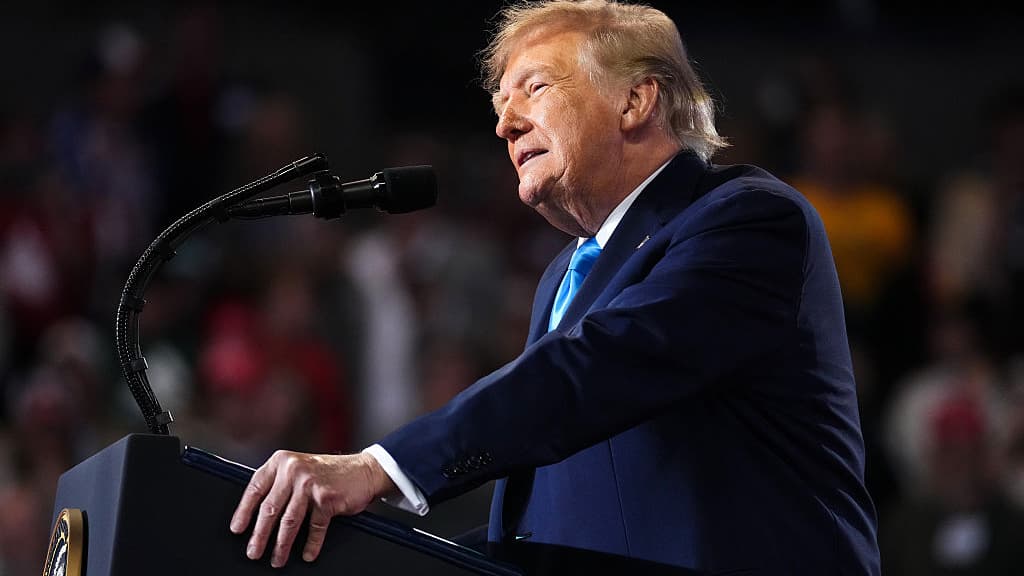
In a Wednesday Truth Social post, Trump said he was “very concerned” about the race and described the situation as “totally confusing.”
asserted
he → say → situation
The DOJ said there would need to be an “investigation” to determine which vote was meant for which Sullivan.
asserted
vote → say → Sullivan
There is no indication of how they might distinguish voter intent.
uncertain
they → be → intent
Neither the DOJ nor the candidates’ campaigns responded to TIME’s requests for comment.
asserted
DOJ → respond → comment
On Friday, Peltola’s campaign and the Democratic Senatorial Campaign Committee asked to join the DOJ’s case as defendants, writing: “Alaskans, apparently, must elect Senator Dan S. Sullivan or the President will not let them elect anyone at all.”
asserted
them → ask → anyone
Voting rights experts are calling it a “garbage lawsuit” and “an unprecedented intervention by the federal government.”
asserted
experts → call → government
“Alaskans don’t need any help voting for their preferred candidates,” she wrote in a post on X. “
asserted
she → need → X.
The Department of Justice should never have filed this lawsuit.”
asserted
Department → file → lawsuit
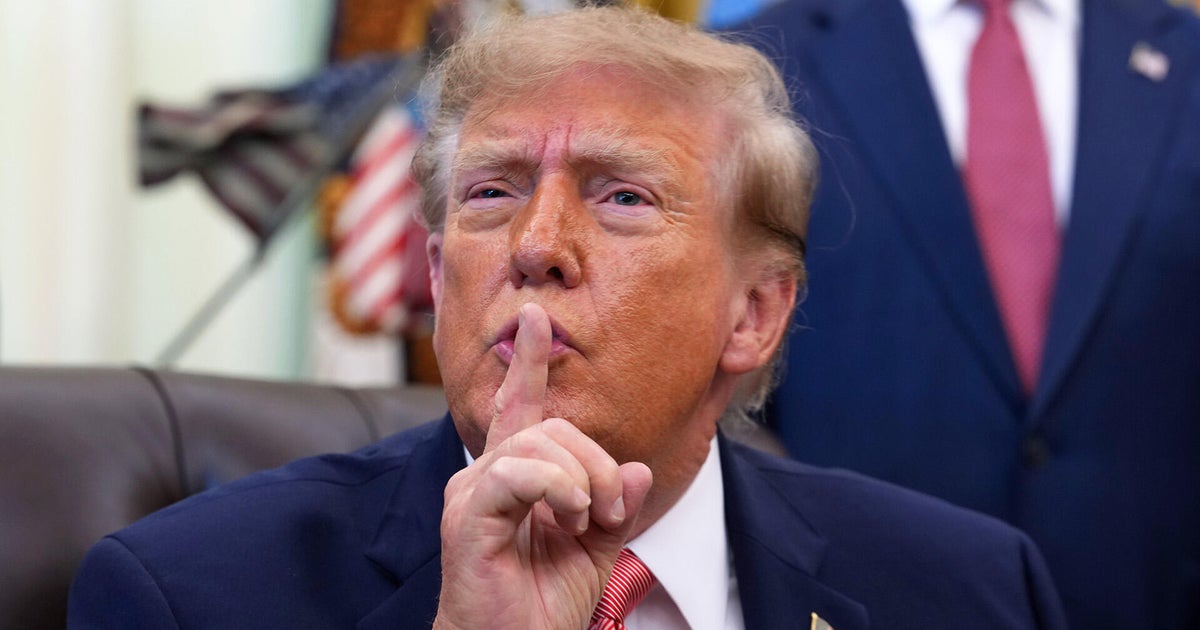
Asked to comment on the DOJ filing Friday, Trump told reporters: "I'm the one that said do it."
Why experts question the DOJ’s Alaska election lawsuit
Prior to the DOJ lawsuit, Republicans sought to remove Daniel J. Sullivan from the ballot in June.
When he decided to run, Republicans sent complaints to Carol Beecher, the director of Alaska’s Division of Elections.
asserted
Republicans → ask → Elections
She wrote a letter to Sullivan in June saying that election officials had determined that he would be removed, claiming his candidacy was not filed “in good faith for the purpose of genuinely pursuing” leadership.
asserted
candidacy → write → leadership
Sullivan challenged the decision and sued the state.
asserted
Sullivan → challenge → state
Judge Thomas Matthews of Alaska’s Third District Superior Court ruled in June that he could remain on the ballot beside the other candidates.
uncertain
he → rule → candidates
He wrote in a 32-page decision that elections officials were introducing a “new, previously unstated ‘good faith’ criteria” and said that this requirement is not present in state law or the Constitution.
asserted
requirement → write → law
That decision was upheld by the Alaska Supreme Court on June 29.
asserted
decision → uphold → June
It was later determined that a “mitigating remedy” would be to present each candidate’s name with the middle initial and to add “incumbent” to the sitting senator’s name.
asserted
remedy → determine → name
The Alaska Supreme Court ruling did not end scrutiny of Daniel J. Sullivan’s candidacy.
asserted
ruling → end → candidacy
In August, Reuters reported that the DOJ had issued grand jury subpoenas while investigating whether he entered the race to confuse voters.
asserted
he → report → voters
The DOJ then filed its new lawsuit amid October polling that showed Peltola ahead.
asserted
Peltola → file → polling
The department justifies the move using language in the National Voter Registration Act (NVRA) that says its purpose is to “protect the integrity of the electoral process.”
asserted
purpose → justify → process
Experts, however, dispute whether that language authorizes the intervention.
asserted
language → dispute → intervention
Derek Muller, a professor of election law at the University of Notre Dame, wrote in a blog post after the filing that the proposed investigation is “essentially impossible.”
asserted
investigation → write → filing
But succeeding is not the point, he continues.
asserted
he → succeed → ?
“The legal claim is so absurdly thin, there’s essentially no likelihood of success,” he wrote, adding that the real purpose of litigation is to signal to the press and public that the Trump Administration is “ready” if the result goes against the GOP’s interests in Alaska.
uncertain
result → ’ → Alaska
The Center for Election Innovation and Research (CEIR), a nonpartisan nonprofit working to inform voters, called the move “unprecedented” in a statement that also said the lawsuit “raises serious concerns about political interference.”
“I cannot recall an administration ever attempting to stop the certification of an election—and certainly not 11 days before polls close,” CEIR Executive Director David Becker said in the statement.
asserted
Becker → work → statement
“Furthermore, this issue has already been fully litigated by Alaska’s courts,” he continued.
asserted
he → litigate → courts
“Alaska election officials are following state law, as the Constitution requires, and the courts will uphold that.”
asserted
courts → follow → that
Richard Hasen, a professor of law at UCLA, called the move a “desperate and unprofessional assault” on the American elections system.
asserted
Hasen → call → system
Common Cause, a nonpartisan organization represented by the ACLU, filed a motion on Friday seeking to join the case to oppose the DOJ’s effort.
asserted
Cause → represent → effort
…and 17 more, not listed.
 The Aporia