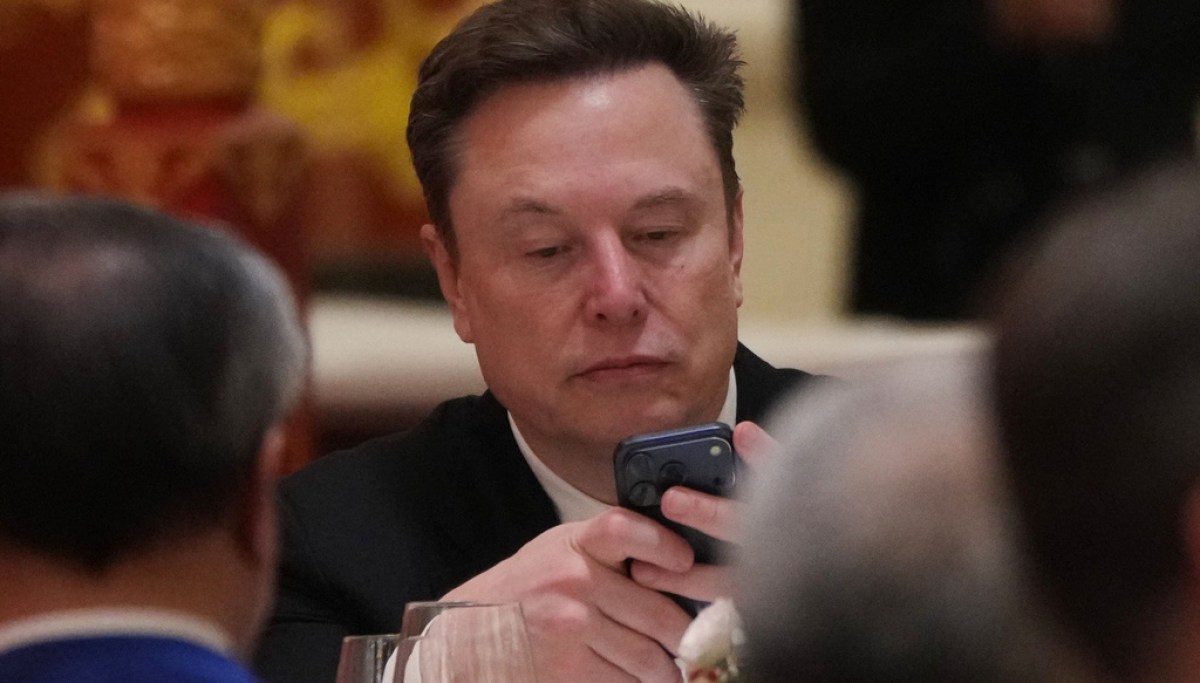
SpaceX CEO Elon Musk claimed over the weekend that the Ukrainian military had “violated” the terms of service for Starlink, the company’s commercial satellite internet network, which has become central to the country’s defense against Russia.
asserted
which → claim → Russia
Musk said SpaceX had restricted Starlink to prevent that alleged misuse.
asserted
SpaceX → say → misuse
Ukrainian officials disputed his claim.
uncertain
officials → dispute → claim
His allegation came after over a week of uncertainty about why the services had been restricted.
asserted
services → come → uncertainty
Ukrainian officials reported on Oct. 14 that restrictions affecting SpaceX’s satellite communications were disrupting drone operations, blocking a key line of defense amid daily Russian air attacks.
asserted
restrictions → report → attacks
Ukraine relies heavily on Starlink for frontline communications, drone capabilities, and reconnaissance; the throttled connection ultimately led to the cancellation of several missions, officials said.
asserted
officials → rely → missions
The restrictions also affected Starshield, a military-grade satellite communications service that uses Starlink technology but is supplied through U.S. government contracts.
asserted
that → affect → contracts
Over a week after the disruption began, Ukraine's Defense Ministry said on Oct. 24 that both services had been fully restored.
asserted
services → begin → Oct.
It reported that connections remained stable even when terminals were moving at speeds above 400 km/h.
asserted
terminals → report → km
At the time, the cause for the interruption had not yet been clarified, but Defense Minister Yevheniy Khmara emphasized the importance of a strong and stable connection, calling it “vital for our front line, for our military personnel, for the operation of drones, and for logistics and communications.”
asserted
Khmara → clarify → logistics
Musk maintains that the United States government controls changes to Starshield, leaving questions about who authorized its restrictions—and why.
asserted
who → maintain → restrictions
U.S. President Donald Trump declined to identify those involved in the decision, while a Reuters report from Oct. 15 cited multiple officials who said the order came from inside the White House.
asserted
order → decline → House
The sources did not identify who authorized or implemented the restrictions, but a senior U.S. official denied that it was Trump, the report said.
asserted
report → identify → restrictions
Experts say that the disruptions expose a growing vulnerability in modern warfare: military reliance on a single private technology supplier.
asserted
disruptions → say → supplier
The company that controls the technology can ultimately wield significant influence over military operations, leaving governments dependent on decisions made by executives and billionaire owners outside traditional diplomatic channels, experts warn.
asserted
experts → control → channels
Why U.S. control of Starshield matters for Ukraine
Ukraine’s access to satellite communications depends on decisions made in Washington as well as at SpaceX.
asserted
access → matter → Washington
That leaves Kyiv navigating both a private supplier’s restrictions and a fraught relationship with the Trump Administration.
asserted
That → leave → Administration
In recent weeks, Trump has repeatedly blamed Ukrainian strikes on Russian oil refineries for rising global fuel prices and called on Ukrainian President Volodymyr Zelensky to stop those attacks—despite the fact that experts have primarily attributed the price surge to the U.S. war with Iran.
asserted
experts → blame → Iran
Trump said on Oct. 15 that Zelensky was “more difficult to deal with” than Russian President Vladimir Putin and on Oct. 19 suggested that it was “time for somebody else to negotiate on behalf of Ukraine.”
uncertain
somebody → say → Ukraine
Alex Crowther, an adjunct professor at Florida International University’s Jack D. Gordon Institute for Public Policy, says the Starshield dispute goes beyond Trump’s souring relationship with Zelensky to a more basic question: Who has the authority to restrict Ukraine’s access?
asserted
Who → say → access
“Usually when [a foreign entity] signs a contract with an American company, it says who has the capability to turn this stuff on and off, and the circumstances under which they can turn it on and off,” Crowther says, questioning who has that authority over the services Ukraine relies upon.
asserted
Ukraine → sign → services
“Nobody knows the rules right now,” he says.
asserted
he → know → rules
Lance Hunter, a professor of political science at Augusta University, tells TIME that this dispute exposes the potential issues of having three different actors—the Trump Administration, SpaceX, and Ukraine—with potentially incompatible priorities.
asserted
dispute → tell → priorities
How dependence on SpaceX limits Ukraine’s military autonomy
Hunter says that what is unfolding in Ukraine underscores warfare’s growing dependence on digital technology.
asserted
unfolding → limit → technology
Beyond traditional “tanks, bombs, planes,” he says that includes factors like artificial intelligence, drones, and navigation jamming.
asserted
that → say → intelligence
Reliance on ongoing technology services creates a different relationship from a traditional arms purchase, Hunter says.
asserted
Hunter → create → purchase
He points to traditional arms deals in which a private company sells a government a set amount of missiles or interceptors.
asserted
company → point → missiles
“Let's say you purchase a piece of weaponry or vehicle or any type of object that helps you in the conflict: You own it at that point.
asserted
You → say → point
You have control over it,” Hunter tells TIME.
asserted
Hunter → have → TIME
The relationship between Ukraine and SpaceX, however, is different; purchasing the technology does not guarantee operational sovereignty.
asserted
purchasing → purchase → sovereignty
“Ukraine has a lot of transmitters which interface with Starshield and Starlink, and they're very much dependent on SpaceX as far as allowing them to use those when they need to,” Hunter continues.
asserted
Hunter → have → those
“There's not just a one-time dependence buying the technology; it's continual now.”
asserted
it → be → technology
That gives the company more “influence and leverage” over conflicts than it has before, he adds.
asserted
he → give → conflicts
It shifts the way that countries like Ukraine need to think about who they are willing to work with and how they weigh the potential costs.
asserted
they → shift → costs
Why Ukraine cannot easily replace Starlink and Starshield
asserted
Ukraine → replace → Starlink
In a perfect world, Hunter says, Ukraine would diversify its technology suppliers to decrease reliance on Starlink.
asserted
Ukraine → say → Starlink
The country has already been expanding its domestic weapons production, including interceptor drones.
asserted
country → expand → drones
But it remains dependent on foreign suppliers for critical air-defense weapons like the U.S.-made Patriot interceptor missiles.
asserted
it → remain → missiles
That dependence has left it vulnerable to shortages and delays.
asserted
dependence → leave → shortages
On Oct. 26, Zelensky said Ukraine had been waiting nearly a month for Defense Secretary Pete Hegseth to approve supplies of missiles for its Patriot and NASAMS air-defense systems.
asserted
Hegseth → say → systems
…and 21 more, not listed.
 The Aporia