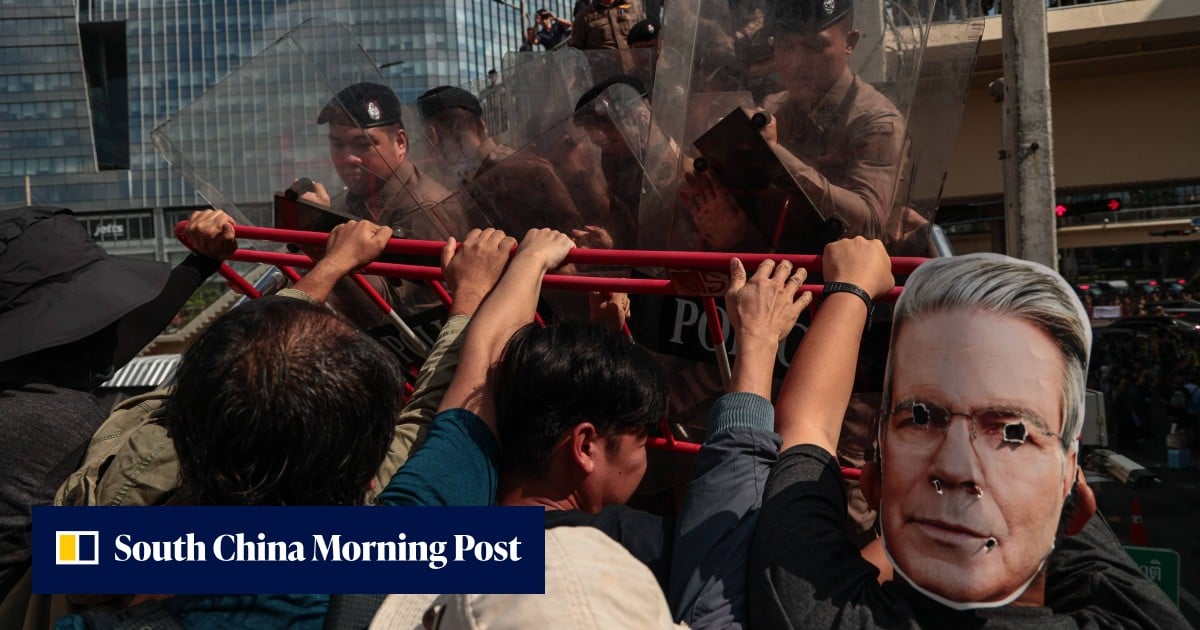
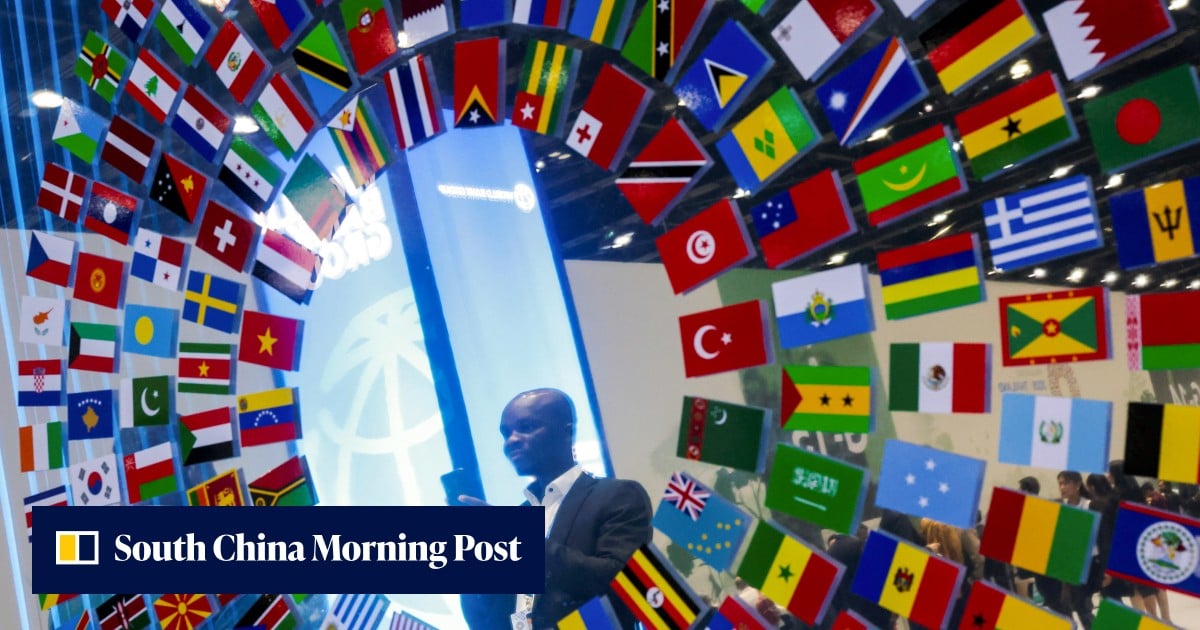
The war in Iran, AI, and countries’ growing debt burden all sat at the top of the agenda as leaders of the world’s international financial institutions gathered in Bangkok this week for the fall meetings of the World Bank and International Monetary Fund (IMF).
asserted
leaders → grow → Bank
The war has driven up fuel prices, leading to inflation.
asserted
war → drive → inflation
Meanwhile, public debt is soaring, a development the IMF warns is unsustainable.
asserted
IMF → soar → ?
And the enormous investment in AI is a positive development keeping the bottom from falling out—though only in certain economies.
asserted
investment → keep → economies
At a first glance, climate change, once touted as a key priority by the two most influential international financial institutions, has fallen off the agenda.
asserted
change → tout → agenda
But take a closer look and it’s hard to miss how climate change—and the related deployment of clean energy—will play an important role in economic performance.
asserted
change → take → performance
Climate events have worsened the debt challenge in developing countries.
asserted
events → worsen → countries
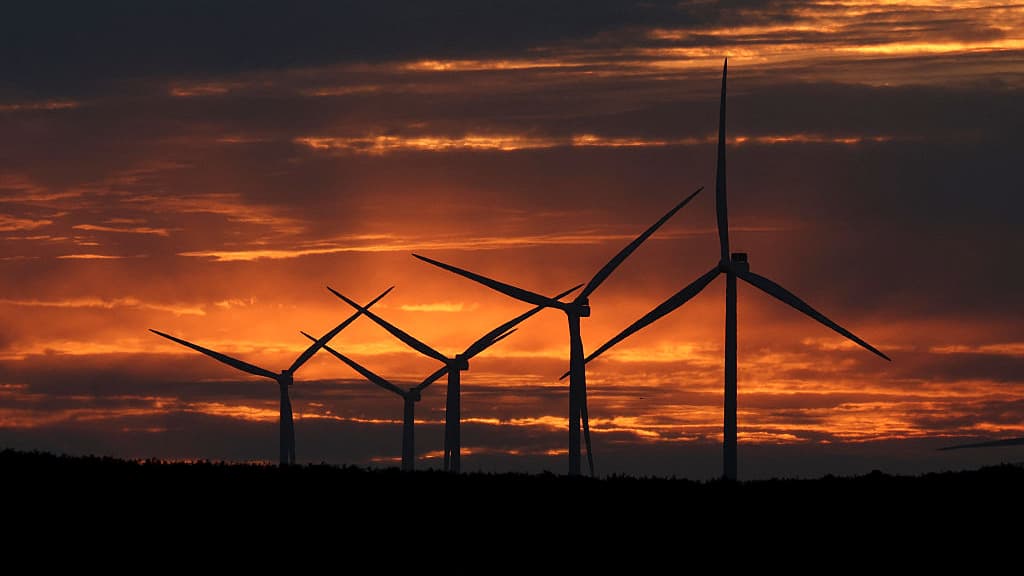
Clean energy, on the other hand, has served as a critical defense mechanism that has kept the energy price crisis from getting worse in places where it has been deployed at scale.
asserted
it → serve → scale
A report from the United Nations Development Programme (UNDP) released this week alongside the fall meetings gets at the heart of this challenge while barely mentioning climate change at all—at least in those words.
asserted
report → release → words
The report points to what it describes as a “triple shock”: high borrowing costs, the energy price spike, and extreme weather events driven by this year’s El Niño, which is on course to set records.
asserted
which → point → records
The policy responses aren’t coded climate policy—and in many cases they’re actively bad for climate efforts.
asserted
they → cod → efforts
The most common response cited by the report is fuel price support, think of subsidies or fuel tax reductions.
asserted
response → cite → subsidies
An IEA survey cited by the report identified 95 countries with such policies.
asserted
survey → cite → policies
Explicit fuel subsidies could surpass $1 trillion this year globally, according to the UNDP.
uncertain
subsidies → surpass → UNDP
But, as the report notes, such an approach isn’t sustainable.
asserted
approach → note → ?
Backlash to higher prices persists even as governments spend to keep citizens happy.
asserted
governments → persist → citizens
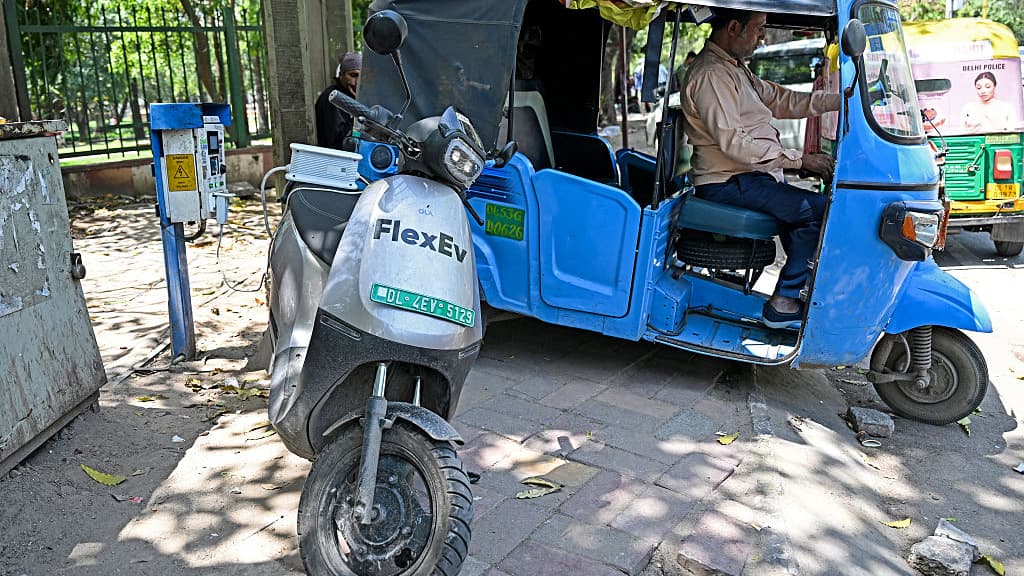
In a smaller group of countries, mostly those most dependent on imports, longer-term, structural changes are emerging: investments in renewable energy, energy efficiency, and electrification.
asserted
changes → emerge → energy
But not every country can afford to remake its energy system with structural changes.
asserted
country → afford → changes
So too is El Niño and broader climate shocks, which make it harder for countries to pay for new infrastructure that reduces exposure to fossil fuel volatility.
asserted
that → make → volatility
But follow it to its logical conclusion, and it takes the UNDP argument even further.
asserted
it → follow → argument
Indebtedness makes it more difficult to invest in AI infrastructure necessary to compete in the emerging economy.
asserted
it → make → economy
It plots countries’ AI preparedness alongside the non-fossil share of their energy supply, suggesting that energy security and the capacity to adopt AI may increasingly intersect.
uncertain
security → plot → AI
After all, dependence on volatile imported fossil fuels only compounds this challenge given AI’s energy needs.
asserted
dependence → import → needs
This emergent growth dynamic comes with important implications.
asserted
dynamic → come → implications
For one, it adds yet another layer to the argument for non-fossil energy in emerging markets.
asserted
it → add → markets
But it also shows how complicated achieving that end will be.
asserted
achieving → show → end
 The Aporia