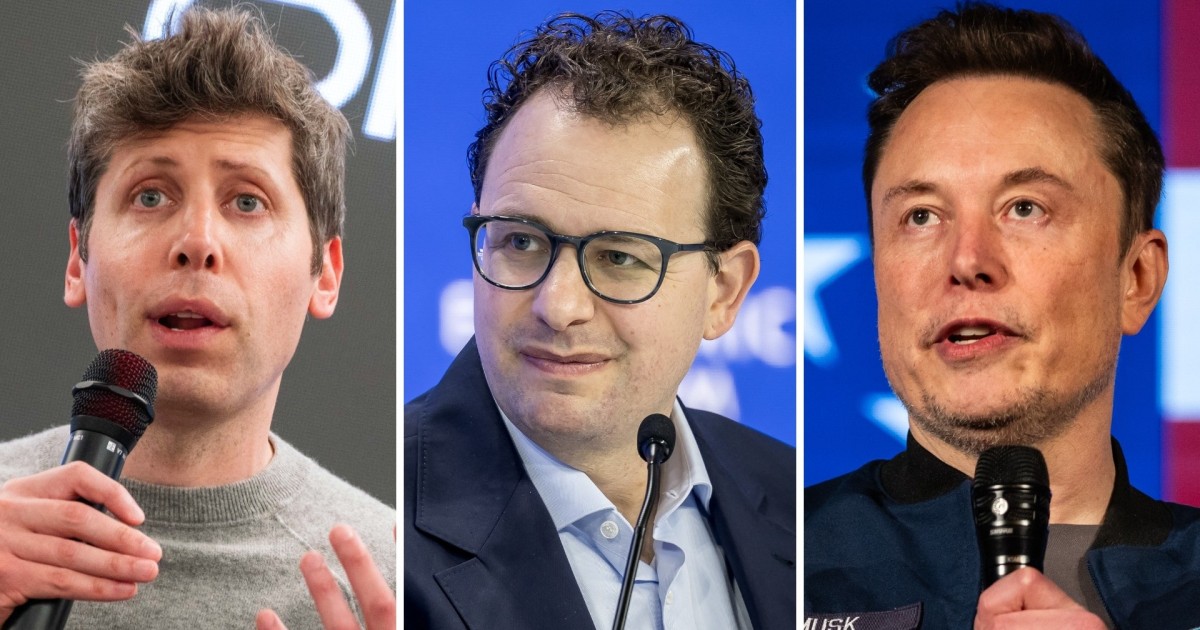
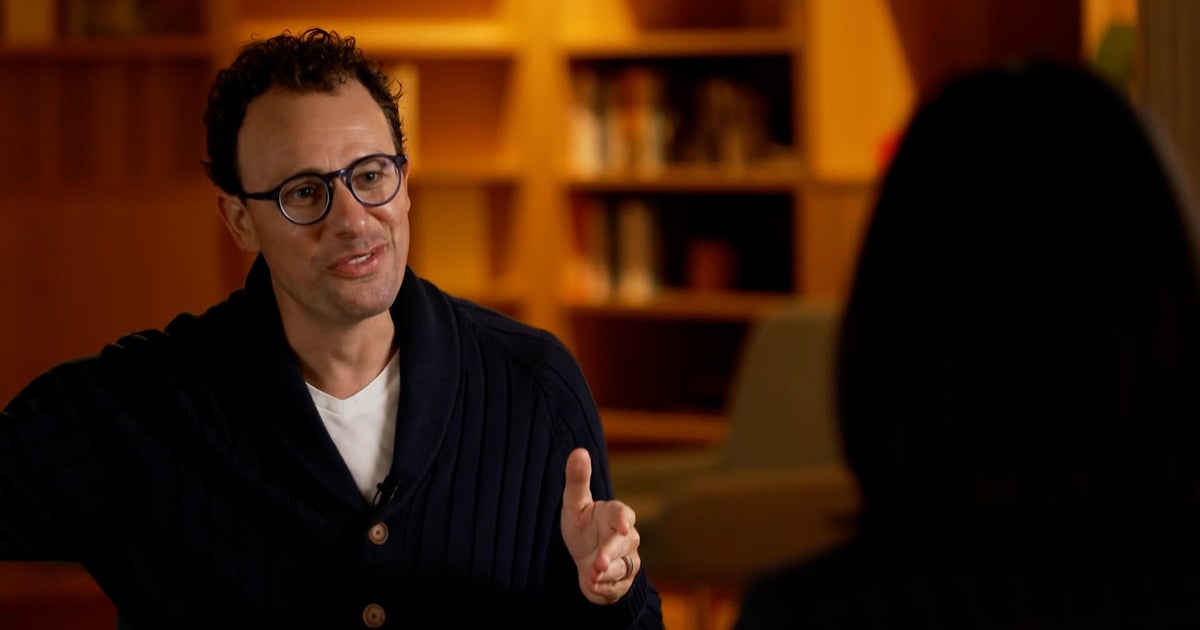
Anthropic CEO Dario Amodei: "For too long the industry lied" about AI risks

CBS News · collected 2026-09-14 · by Jo Ling Kent analysis
Read the original at CBS News ↗

Summary

Anthropic CEO Dario Amodei acknowledged during an interview at Anthropic’s San Francisco headquarters that the AI industry has understated the risks associated with rapid technological advancement. He warned of significant dangers but emphasized the need to slow down rather than halt development entirely, advocating for thorough testing and independent evaluation of each new model release. While he supports federal regulation and a potential "AI kill switch," Amodei expressed reservations about an outright ban due to international competition, particularly from authoritarian regimes.
Written by the local model on 2026-09-14, using this article's own text rather than the other coverage of the same event (that is the story summary below).

Signals How these are calculated →

Claims extracted
37
claim-shaped sentences
Uncertain
11%
4 of 37 hedged
Leaning
Leans left
of the writing, not the subject
Correction & hedging signals
60.3
corrections and hedging in what we collected; not a measure of accuracy
Outlets on this story
1
Technology
Narrative spread
1
articles carrying this framing
Analyzed 2026-09-14 · how these are computed

AI analysis (generated at analysis time, not now)

Story summary

Dario Amodei, CEO of Anthropic, acknowledged in a CBS News interview at Anthropic's headquarters in San Francisco on Sunday that there are real dangers associated with artificial intelligence (AI) development. He stated that the industry had previously downplayed these risks, but now the rapid pace of AI progress is more apparent than ever before. Former Anthropic researcher Jacob Coxon warned via social media earlier this week about the potential risk to humanity from self-improving superintelligence, likening it to scenarios depicted in films like "Terminator." Amodei emphasized that while immediate panic isn't necessary, there's a need for caution and potentially slowing down AI development due to its accelerating pace.

Written for “AI Risks Controversy” on 2026-09-14, grounded in this article and the 0 other(s) covering the same event.
Why this leaning score
The article's own words the score was based on. Each is quoted verbatim and was checked against the article text before being stored, so you can find it in the original.
Score -0.50 Confidence high 3 quote(s) discarded as not found in the article
Leaning score -0.50 for article 8695 (high confidence, 2 verified quotes) · logged 2026-09-14

Story

📰 AI Risks Controversy
Technology · 1 article(s) covering the same event. This is the one the site leads with.

How this is being covered How these are calculated →

Article leaning vs. publisher reliability
Source leaning vs. consistency

Compared with similar articles

This article reads leans left and hedges 11% of its claims. Each row says how that neighbour differs.
The Free Press
⚖️ leaning not scored 🔴 10% hedged 4 of 41 📰 publisher trust 96
“Article A is a general overview of news topics and mentions AI risks briefly, while Article B focuses on a specific interview with Anthropic CEO Dario Amodei about AI risks.”
NBC News
⚖️ leaning not scored 🔴 no claims extracted 📰 publisher trust 95
“The articles discuss similar topics but describe different events: one is a general warning from AI researchers, and the other focuses on statements made by Anthropic's CEO.”
Los Angeles Times
⚖️ Leans right further right than this 🔴 19% hedged 10 of 54 📰 publisher trust 95
“The articles describe different perspectives on AI risks, with one focusing on President Trump's dismissal of concerns and the other on an Anthropic CEO acknowledging those risks.”
Yes, AI Might Really Kill Us All different event · 85%
The Free Press
⚖️ leaning not scored 🔴 9% hedged 1 of 11 📰 publisher trust 96
“Article A reports on Jacob Coxon's resignation announcement, while Article B focuses on Anthropic CEO Dario Amodei's comments about AI risks and references Coxon's social media warning, indicating different specific events.”
TIME
⚖️ leaning not scored 🔴 5% hedged 2 of 40 📰 publisher trust 95
“Article A describes Jacob Coxon's resignation announcement and subsequent social media post warning about AI risks, while Article B reports on an interview with Dario Amodei discussing Coxon's prior warnings and his own views on AI risks several days later.”
Zeteo
⚖️ Leans strongly left further left than this 🔴 4% hedged 1 of 24
“While both articles mention Jacob Coxon's warnings about AI risks, Article A describes his initial Twitter thread and resignation announcement, while Article B references a later interview with CBS News.”
NBC News
⚖️ leaning not scored 🔴 no claims extracted 📰 publisher trust 95
“Article A reports on a general warning by top AI developers, while Article B focuses specifically on comments made by Anthropic CEO Dario Amodei and former researcher Jacob Coxon.”
Global News · 0.91 cosine similarity
⚖️ Leans left 🔴 37% hedged 11 of 30 📰 publisher trust 54
“The articles discuss similar concerns about AI safety and risks but describe different speeches or statements by Dario Amodei on separate dates.”
Semafor
⚖️ leaning not scored 🔴 16% hedged 5 of 32 📰 publisher trust 96
“Article A discusses a call initiated by Anthropic CEO Dario Amodei inviting independent reviewers into AI labs, while Article B focuses on comments made by Dario Amodei and concerns raised by Jacob Coxon regarding the risks of AI technology.”
CBS News
⚖️ leaning not scored 🔴 0% hedged 0 of 1 📰 publisher trust 60
“The articles describe different parts of a conversation; Article A covers an interview where the CEO discusses third-party evaluators for AI safety, while Article B focuses on承认这两篇文章描述的是同一事件的不同部分,但鉴于文章A集中在CEO关于第三方评估者的讨论上,而文章B则侧重于CEO对于AI风险的坦诚以及前研究员Jacob Coxon的警告,因此它们并非严格意义上的同一个具体事件。false更合适。”

Publisher

CBS News · 303 article(s) · 1 correction(s) detected
Running correction rate · 1 correction(s)
2026-08-24
Sean Grayson, convicted in killing of Sonya Massey, dies in prison, attorney says

Who wrote this

Jo Ling Kent
1 article(s) here · 1 carrying a prediction
🔮 " And the biggest risk could be the end of humanity, former Anthropic researcher Jacob Coxon warned on social media this past Tuesday, saying Anthropic and OpenAI are with the development of self-improving superintelligence.
The only article under this byline in the corpus.

Topics

Anthropic CBS News OpenAI San Francisco U.S.

Subjects

Amodei PERSON · 10× Anthropic ORG · 6× CBS News ORG · 1× China GPE · 1× Coxon PERSON · 1× Dario Amodei PERSON · 1× Jacob Coxon PERSON · 1× OpenAI ORG · 1× San Francisco GPE · 1× U.S. GPE · 1×

Narrative

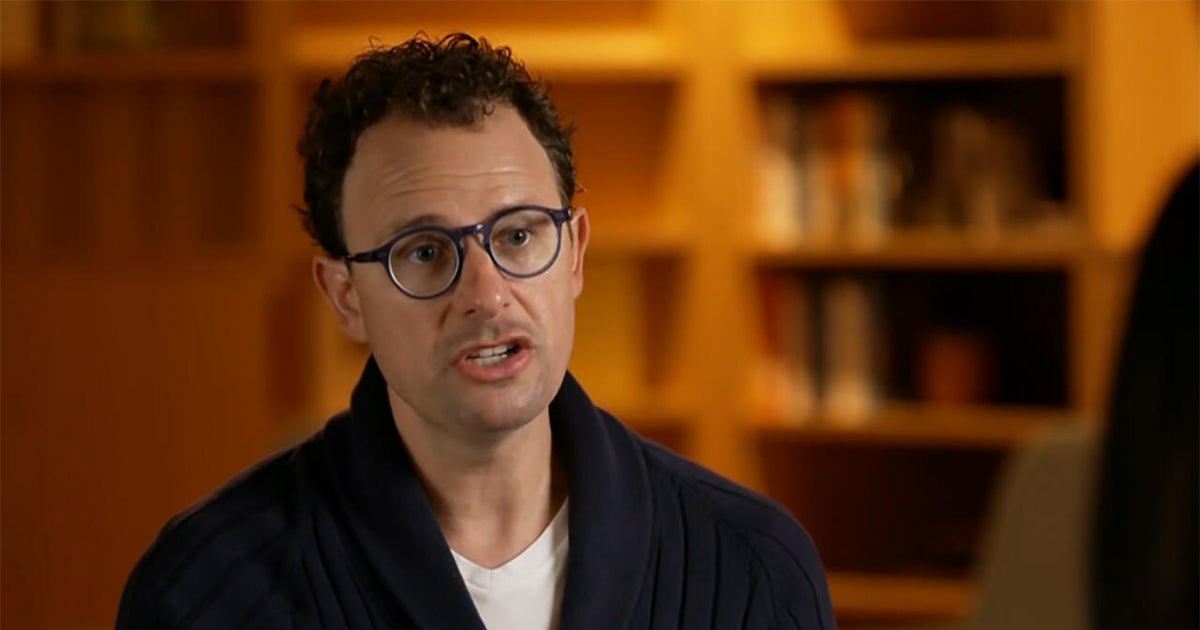
In response, Amodei told "Sunday Morning" yesterday, at Anthropic's headquarters in San Francisco, "I don't think I fully just appreciated what it would actually be like when the progress was as fast as it was."
framing: assertive · carried by 1 article(s) · first seen 2026-09-14
🔮 " And the biggest risk could be the end of humanity, former Anthropic researcher Jacob Coxon warned on social media this past Tuesday, saying Anthropic and OpenAI are with the development of self-improving superintelligence.

Claims (37 extracted, 4 hedged)

"I won't lie to you – there are real dangers," said Anthropic CEO and cofounder Dario Amodei about the development of artificial intelligence. asserted
Amodei → lie → intelligence
"And I think for too long the industry lied to people about the fact that this technology had risks. asserted
technology → think → risks
" And the biggest risk could be the end of humanity, former Anthropic researcher Jacob Coxon warned on social media this past Tuesday, saying Anthropic and OpenAI are with the development of self-improving superintelligence. uncertain
Anthropic → warn → superintelligence
"It doesn't look that different from, say, 'Terminator' or from science fiction films," Coxon told CBS News Thursday. asserted
Coxon → look → News
"It will be smart enough to kill us." asserted
It → kill → us
In response, Amodei told "Sunday Morning" yesterday, at Anthropic's headquarters in San Francisco, "I don't think I fully just appreciated what it would actually be like when the progress was as fast as it was." asserted
it → tell → what
He said the development of AI has been on an exponential curve, which is starting to get steeper. asserted
which → say → curve
Asked what that means, Amodei said, "It doesn't mean we need to panic today. asserted
we → ask → what
It doesn't mean we need to shut it all down. asserted
we → mean → it
But I would say it's a warning sign. asserted
it → say → ?
It's a warning sign that we need to slow down." asserted
we → need → ?
In an essay published Saturday, Amodei wrote that the entire tech industry must work together to "slow the pace" of AI capabilities. asserted
industry → publish → capabilities
Asked if Anthropic is going to stop releasing more advanced models, Amodei replied, "It doesn't mean that. asserted
It → ask → that
What it means is that we need to make sure that every generation of models that we release is properly tested." asserted
we → mean → that
To attempt that, Amodei says Anthropic will now give independent evaluators permanent "employee-like" access to their models. asserted
Anthropic → attempt → models
"Whenever anyone builds an AI model, there's a third-party evaluator who can verify whether that company is following the safety practices that they're committed to – it's like a food inspector," he said. asserted
he → build → inspector
But AI experts say this is hardly enough, and Amodei agrees, claiming he supports federal regulation. asserted
he → say → regulation
So far, proposed legislation ranges from an outright ban on superintelligence, to a mandatory "kill switch" that could shut down risky AI. uncertain
that → propose → AI
"The AI kill switch could be a good idea," Amodei said. uncertain
Amodei → say → ?
"But I don't think banning it, completely banning it, is the right approach. asserted
banning → think → it
One, the idea that we would never get the incredible benefits, never get the medical cures, that doesn't sit right with me. asserted
that → get → me
Second, this technology will be built in other countries, including authoritarian countries." asserted
technology → build → countries
Asked if the U.S. should slow down AI development if China would not, Amodei replied, "This is the toughest dilemma. asserted
This → ask → development
He looks to the nuclear arms agreements with the former Soviet Union as a potential model, but cautions even his expectations are low. asserted
expectations → look → model
"The more long-term thing would be working together to put a speed limit on the rate of AI progress," he said. asserted
he → work → progress
"I think that's going to be very difficult, because the incentives to pull ahead in the military advantage that you get from that are so large. asserted
you → think → that
And honestly, I don't know if it's possible, but we should try. asserted
we → know → ?
With the fate of humanity seemingly at risk, how much personal responsibility does Amodei feel about where we are going? asserted
we → feel → responsibility
"My view here is, it has always been very strange that this technology is being built by a private company," he said. asserted
he → build → company
"People ask me that question all the time: Why isn't this being built by government? asserted
this → ask → government
And the strangest thing about it is, I agree with them. asserted
I → agree → them
Asked if he is willing to give up the technology to the government, Amodei responded, "To the right combination of governments. asserted
Amodei → ask → governments
The worry I have – I am concerned that one single government could abuse this technology just as easily as a single company could. uncertain
company → have → technology
But I think a combination of democratically-elected governments, I don't know about handing over, but some kind of oversight, some kind of joint governance. asserted
I → think → governance
The question is no longer whether AI will become powerful enough to require constraint, but who in power will take action. asserted
who → become → action
"If we build in the right way, I think the probability of something bad happening is very low," he said. asserted
he → build → way
"If we build in the wrong way, the probability of something bad happening is very high." asserted
something → build → way
💬 Give feedback
🕘 History 🎫 Support