Washington Examiner
· collected 2026-09-15 · by Kerri Toloczko and Susan Powell
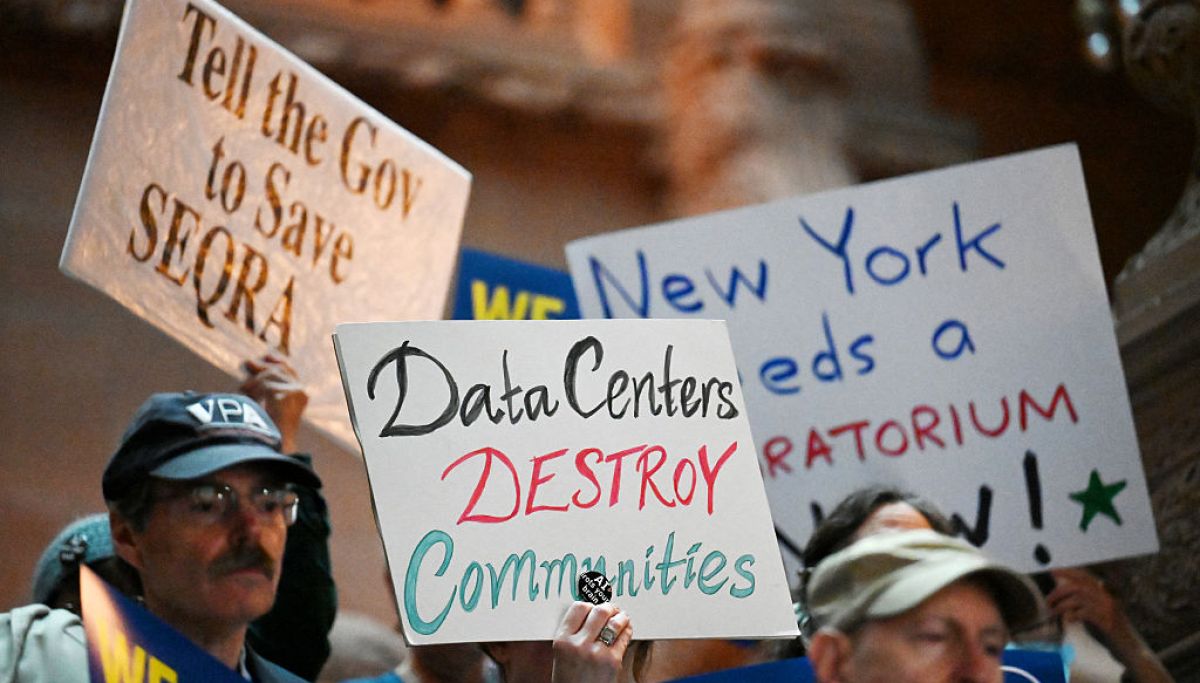
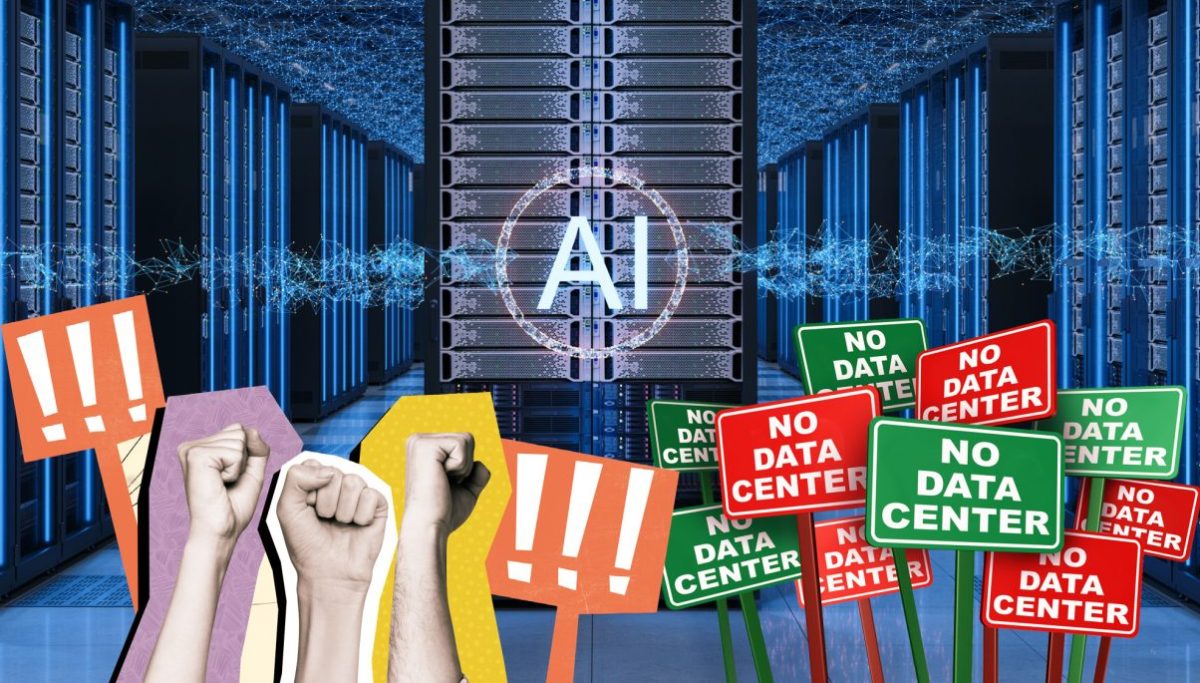
Data centers have faced a public hanging before going to trial.
asserted
centers → face → trial
Proponents didn’t even have a chance to select a jury before their case was dismissed.
asserted
case → have → jury
Singularly focused on regulatory burdens and land use, data center owners forgot that every plot of land has neighbors.
asserted
plot → focus → neighbors
But data centers frighten all of them.
asserted
centers → frighten → them
Big Data also figured that these centers are so critical that everyone would go along.
asserted
everyone → figure → ?
They did not seek help in garnering public support or engage public affairs professionals to make their case in the skeptical and often hostile public square.
asserted
They → seek → square
Both parties hate data centers, and politicians are ruminating about their positions on the issue.
asserted
politicians → hate → issue
All they hear is yelling, and the rational voices that should inform government and citizens about how these centers can be responsibly built and have a positive impact are largely missing.
asserted
centers → hear → impact
The debate is framed around land use, electricity, water, and noise.
asserted
debate → frame → use
Those are legitimate concerns, and communities should express them.
asserted
communities → express → them
But the broader question is: “Do we use American assets to fuel our technological and economic growth, or do we hand our data, dollars, and trust to unfriendly nations?”
asserted
we → use → nations
America is entering an unprecedented technological race.
asserted
America → enter → race
Artificial intelligence, biotechnology, quantum computing, and other emerging technologies will shape our economy, national security, and individual freedom.
asserted
intelligence → emerge → economy
At the center of that race are data centers capable of storing, processing, and protecting the enormous amounts of information these technologies require.
asserted
technologies → store → information
The relationships joining technology, government, and the individual operate under a profoundly different model.
asserted
relationships → join → model
Personal information can become surveillance, and AI can become a tool of control.
asserted
AI → become → control
Information is strategic intelligence that can be used to advance military and economic capabilities.
asserted
that → use → capabilities
China sees our personal information as a tool of war.
asserted
China → see → war
It is also using data centers to fuel its expensive hegemony.
asserted
It → use → hegemony
That should strike fear in Americans as well as the companies creating and developing America’s digital infrastructure.
asserted
That → strike → infrastructure
Keeping critical computing capacity and sensitive data in the United States is not merely an economic development strategy.
asserted
Keeping → keep → States
There is a profound difference between a country where technology exists to empower individuals (us) and one where technology is harnessed to empower the state (them).
asserted
technology → be → state
America’s data centers sit at the intersection of those two futures.
asserted
centers → sit → futures
Communities should not surrender their right to ask tough questions about development.
asserted
Communities → surrender → development
Data center proponents need to accept responsibility for their impact on surrounding infrastructure while offering to improve it.
asserted
proponents → need → it
It’s a give-and-take process, like any other local policy issue.
asserted
It → ’ → issue
Since many U.S. counties are resource-insecure due to aging and insufficient grids, data centers can bring reliability to the power grid if they are designed with this in mind.
asserted
they → bring → mind
If we cannot provide the computing capacity needed for American innovation, companies and researchers will look elsewhere.
asserted
companies → provide → innovation
AI and increased data flow aren’t going away.
asserted
AI → increase → ?
Capital follows infrastructure, data follows capacity, and technological leadership follows data.
asserted
leadership → follow → data
It is increasingly between American infrastructure governed by American laws and foreign infrastructure governed by systems that do not share our values.
asserted
that → govern → values
Where are data center owners’ public commitments to protect Americans?
asserted
commitments → protect → Americans
Where is the obligation to embrace responsible, positive growth?
asserted
obligation → embrace → growth
Where is the explanation that the physical infrastructure of the digital age must be built here, where we own and control it?
asserted
we → build → it
Why are data center owners not funding young people at tech schools or working with Mike Rowe’s Work Ethics Scholarship Program, as these centers will provide thousands of jobs for electricians, plumbers, and construction workers?
asserted
centers → fund → electricians
The answer is simple — they are asking for help from local regulators and self-serving politicians rather than connecting with the public affairs community that has the expertise to craft and deliver messages that can make a difference.
asserted
that → ask → difference
Data centers have an opportunity to make a case to the American public about how these facilities can provide jobs, improve national security, strengthen global tech leadership, and upgrade municipal services.
asserted
facilities → have → services
America should not outsource its freedom.
asserted
America → outsource → freedom
Data centers need to reach out to public affairs professionals, and to quote a phrase rampant on social media — “seek help!”
asserted
centers → need → help
The global race for technology is also a race over who controls it, where it lives, and what value it serves.
asserted
it → control → value
…and 2 more, not listed.
 The Aporia