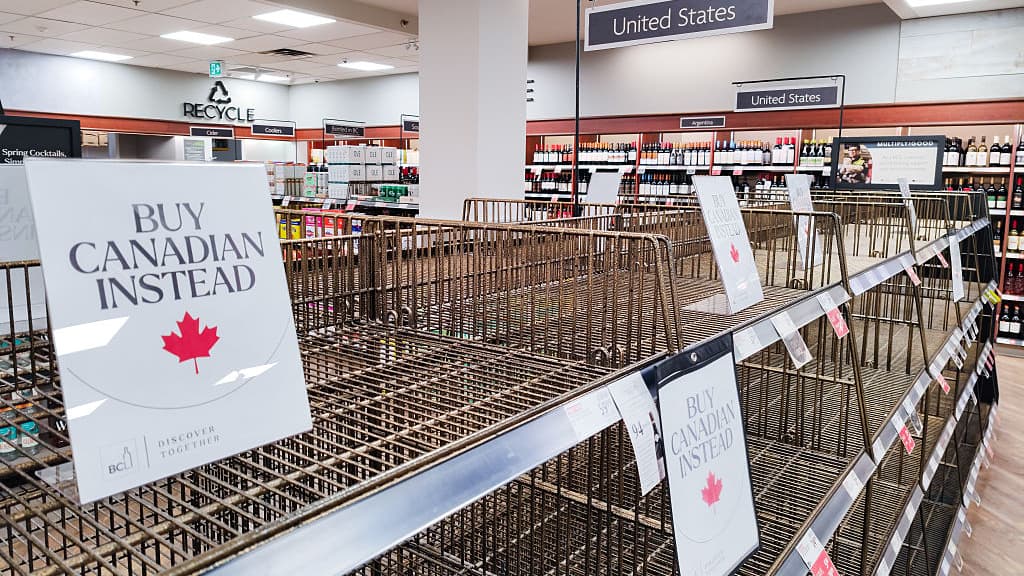
When Lynn Henderson walks into her local grocery store in British Columbia, she has one label at the top of her mind: “Made in Canada.”
asserted
she → walk → Canada
The 47-year-old is among a drive of Canadian consumers who are attempting to boycott U.S. products in a show of solidarity amid the ongoing trade war.
asserted
who → attempt → war
“Even when I'm shopping with my toddler, he now asks specifically, ‘Oh, are these apples Canadian?’
asserted
apples → shop → toddler
And he will ask that before putting it in the cart,” Henderson tells TIME, noting that it’s a family effort.
asserted
it → ask → TIME
It costs more, she admits, but it’s worth “knowing that money is staying here in Canada and not going south at the border.”
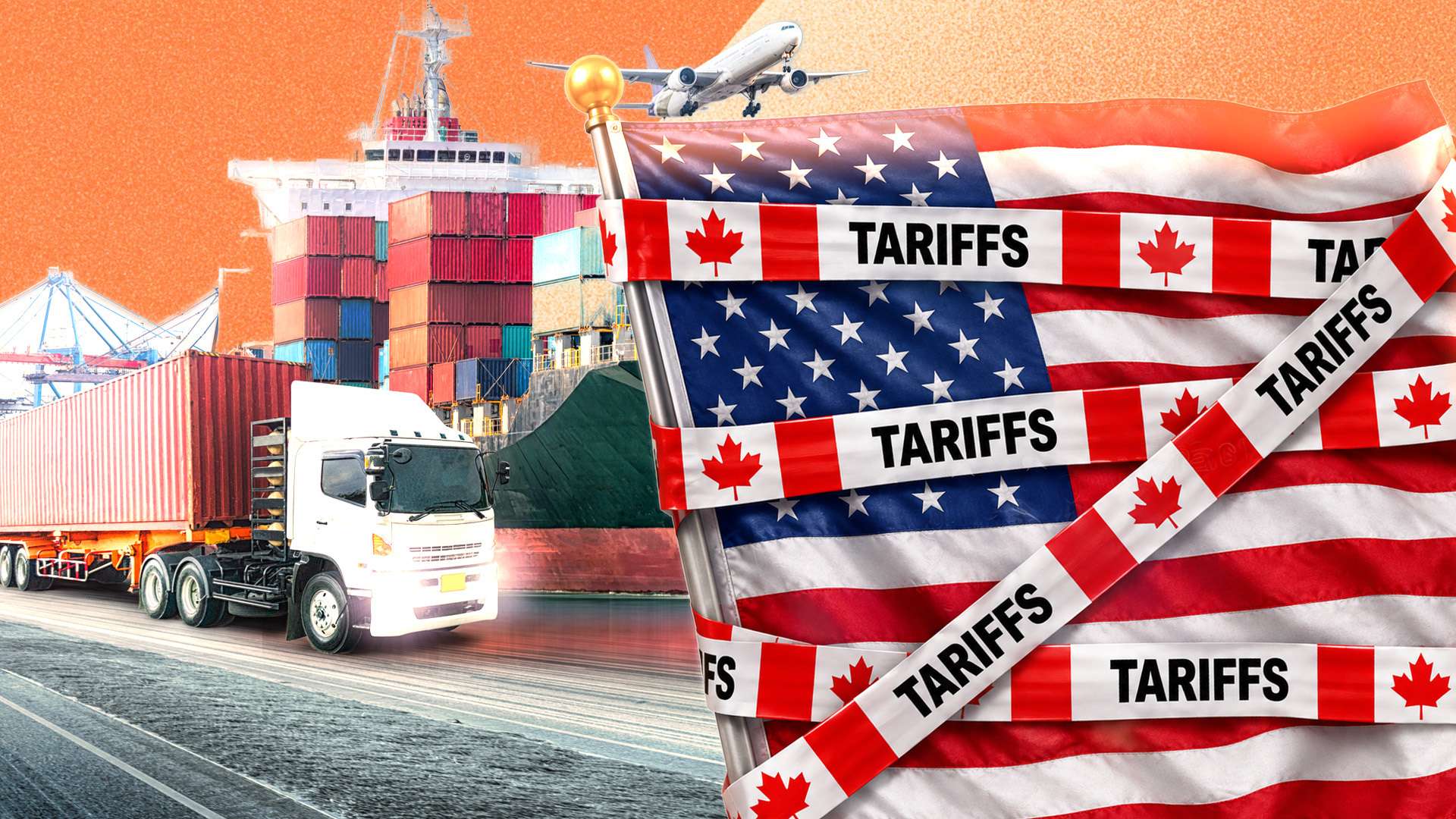
The resurgence of the “Buy Canadian” movement comes amid a deepening U.S.-Canada trade dispute that shows no signs of waning.
asserted
that → cost → signs
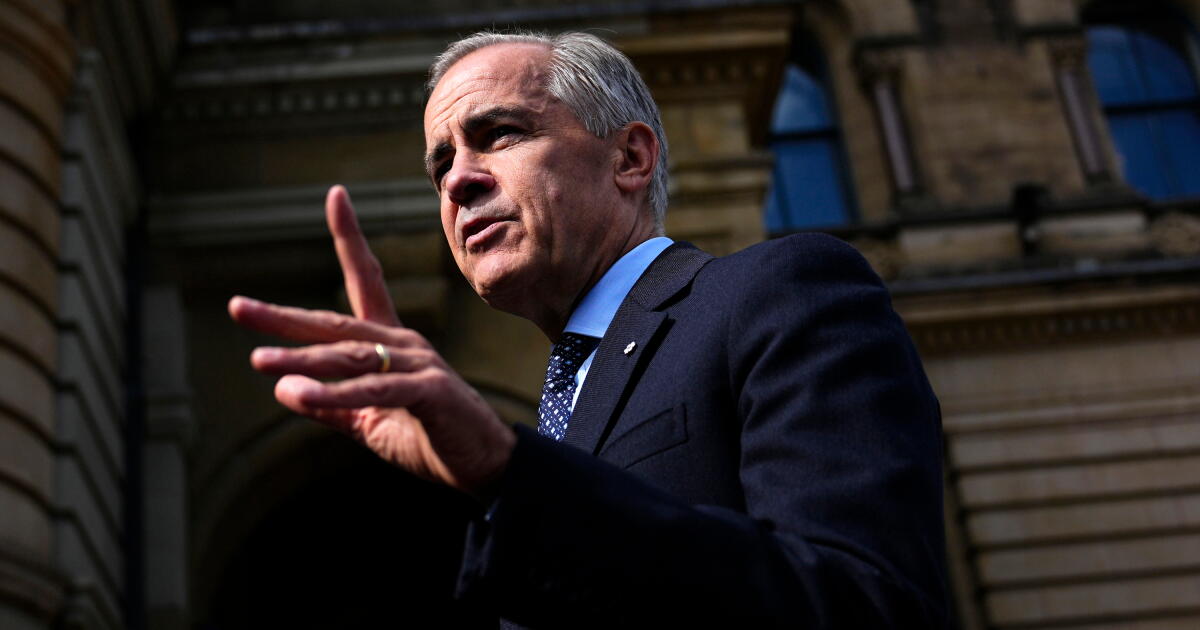
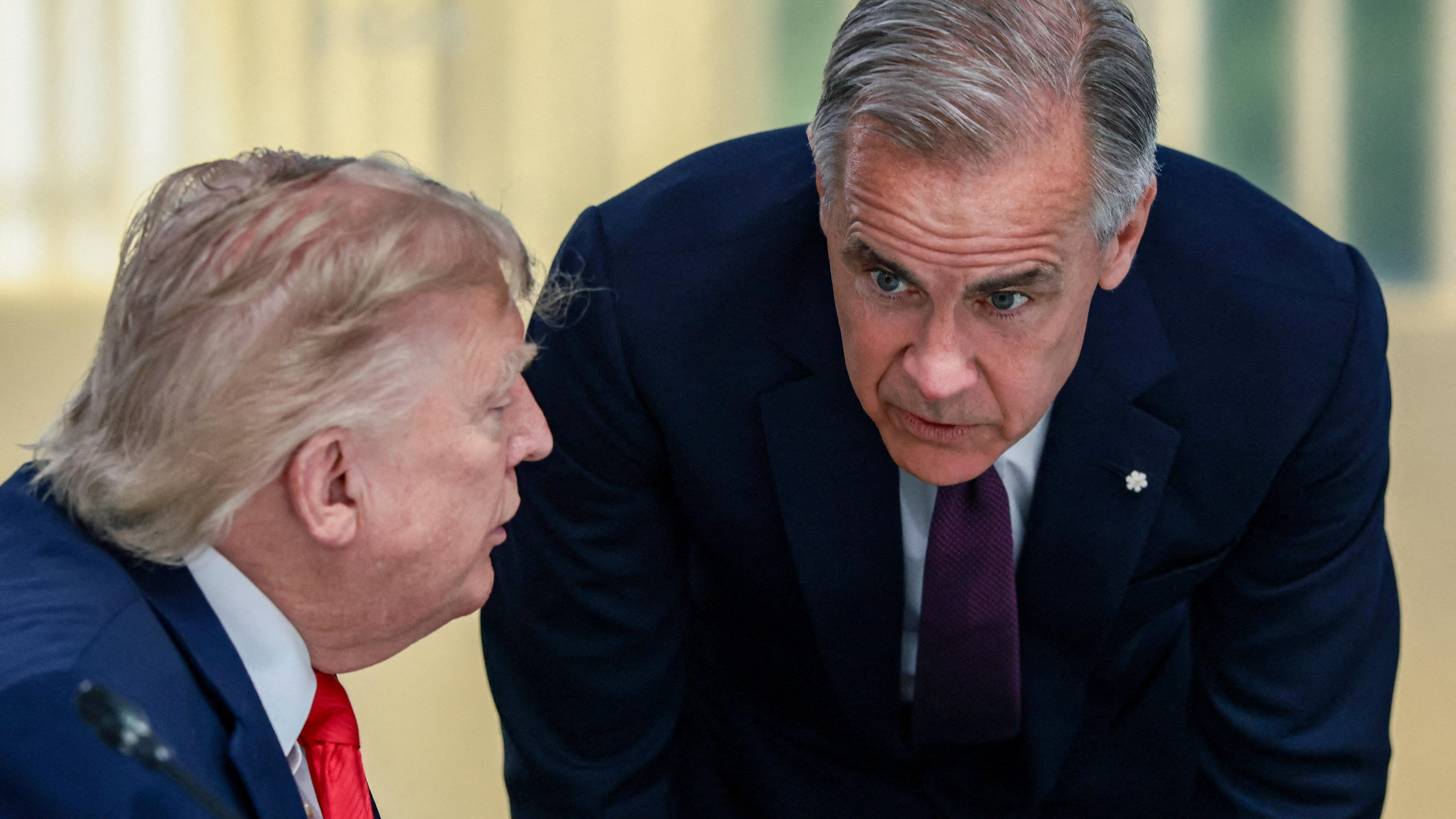
Canada’s retaliatory tariffs on U.S. goods took effect Tuesday, with Prime Minister Mark Carney matching the economic pressure imposed by the U.S. after trade negotiations collapsed last month.
asserted
negotiations → take → U.S.
The U.S. has since announced a ban on Canadian dairy, motorcycles, and most alcoholic beverages.
asserted
U.S. → announce → dairy
It’s all unfolding against the backdrop of U.S. President Donald Trump repeatedly talking of his ambitions to annex Canada and make it the 51st state.
asserted
it → unfold → Canada
While Carney’s government is going toe-to-toe with the Trump Administration, he’s urging the general population to take action, too.
asserted
he → go → action
“The most powerful actions have come from you: Buying Canadian and travelling in Canada,” Carney told Canadians in a national address Tuesday.
asserted
Carney → come → address
“Decisions taken at the kitchen table, not the boardroom table.”
Other lawmakers have shared similar calls to action.
asserted
lawmakers → take → action
“‘Buy Canadian’ reflects the economic solidarity Canadians are showing at a time when it matters most,” Quebec minister Joël Lightbound said in a statement to TIME.
asserted
Lightbound → buy → TIME
“By supporting one another and investing in what we build here at home, we are building Canada strong.”
asserted
we → support → Canada
Canadian consumers have responded en masse to the call.
asserted
consumers → respond → call
A Build Canada poll conducted Aug. 31-Sept. 4 found that many are already making sacrifices at the tills, as 69% of respondents reported “choosing Canadian products despite higher prices” and 55% said they had “stopped buying specific American brands.”
asserted
they → conduct → brands
Reports also indicate a surge in demand for Canadian products.
asserted
Reports → indicate → products
As the trade war stretches on, here’s what to know about the revitalized “Buy Canadian” movement, the people behind the U.S. products boycott, and what the data says about the effectiveness of the consumer-driven action.
asserted
data → stretch → action
The resurgence of the "Buy Canadian" movement
Campaigns promoting Canadian-made goods date back at least to the early 20th century, when Canadian manufacturers began pushing their “Made in Canada” products.
asserted
manufacturers → buy → products
Among consumers, the effort has evolved into the “Buy Canadian” initiative, which encourages residents to support local businesses and industries as much as they can.
asserted
they → evolve → businesses
The movement skyrocketed last year in the midst of the trade war sparked by Trump’s tariffs.
asserted
movement → skyrocket → tariffs
Businesses and consumers alike vowed to shun U.S. products, with Canada-based media publishing advisories on “how to shop Canadian."
asserted
media → vow → Canadian
As the tariffs loomed in February 2025, a survey by accounting firm KPMG found that 93% of consumers wanted retailers and grocery stores to identify and promote Canadian products.
asserted
retailers → loom → products
In late 2025, the Canadian government launched the “Buy Canadian Policy, to protect and prioritize Canadian workers and industries, and strengthen Canada’s domestic economy.”
asserted
government → launch → economy
Henderson, a public relations consultant, says Trump’s threats against Canada’s sovereignty last year signified a turning point.
asserted
threats → say → point
“Canadians have felt for generations that these are not just our allies, but our friends, and neighbors,” she says.
asserted
she → feel → generations
“Nobody wants to be spoken about like that by their friends and neighbors.
asserted
Nobody → want → friends
The reignited trade rift has revived Henderson’s passion for patriotic shopping, and she’s actively refrained from purchasing items, such as a new iPhone, that don’t align with her efforts.
asserted
that → reignite → efforts
“I don’t want to spend that money to support an American business,” she says.
asserted
she → want → business
How consumers dedicated to the movement are approaching the challenge
Consumers in Canada are finding different ways to navigate how best to boycott U.S. goods and services, putting extra time in at the grocery store to ensure they are buying Canadian as often as they can.
asserted
they → dedicate → Canadian
Although she prioritizes Canadian products, Henderson is also open to items from other countries.
asserted
Henderson → prioritize → countries
“We're discovering that there's some incredible produce from around the world,” she says.
asserted
she → discover → world
“We don't actually need to get oranges from the U.S. anymore, because we can get oranges from Brazil or South Africa, and they're fantastic.”
asserted
they → need → Brazil
Brian Leonard, a 37-year-old who works in the coffee industry and lives in New Brunswick, is similarly passionate when he heads to the grocery store, and firmly believes in starting each day with a “Buy Canadian” mindset.
asserted
he → work → mindset
“For me, it always begins first thing in the morning with a cup of coffee.
asserted
it → begin → coffee
Buying coffee that is roasted locally in Canada,” Leonard tells TIME.
asserted
Leonard → buy → TIME
“The first decision of your day can be something that sets up your whole day to be part of the movement.
asserted
that → set → movement
”
The way in which Canadians have been re-energized to support more local products has been “astounding,” Leonard adds.
asserted
Leonard → re → products
“I had a call yesterday, and the person mentioned they had switched dish soap because they realized the soap they were buying was American-made,” he says.
asserted
he → have → soap
The topic of patriotic shopping is dominating business groups on Facebook and elsewhere, bringing further attention to the movement.
asserted
topic → dominate → movement
These social media groups have become a gateway for people to come together when seeking out Canadian alternatives to U.S. products.
asserted
people → become → products
…and 27 more, not listed.
 The Aporia









.jpg?branch=production&width=2992&quality=75&auto=webp&crop=16:9)