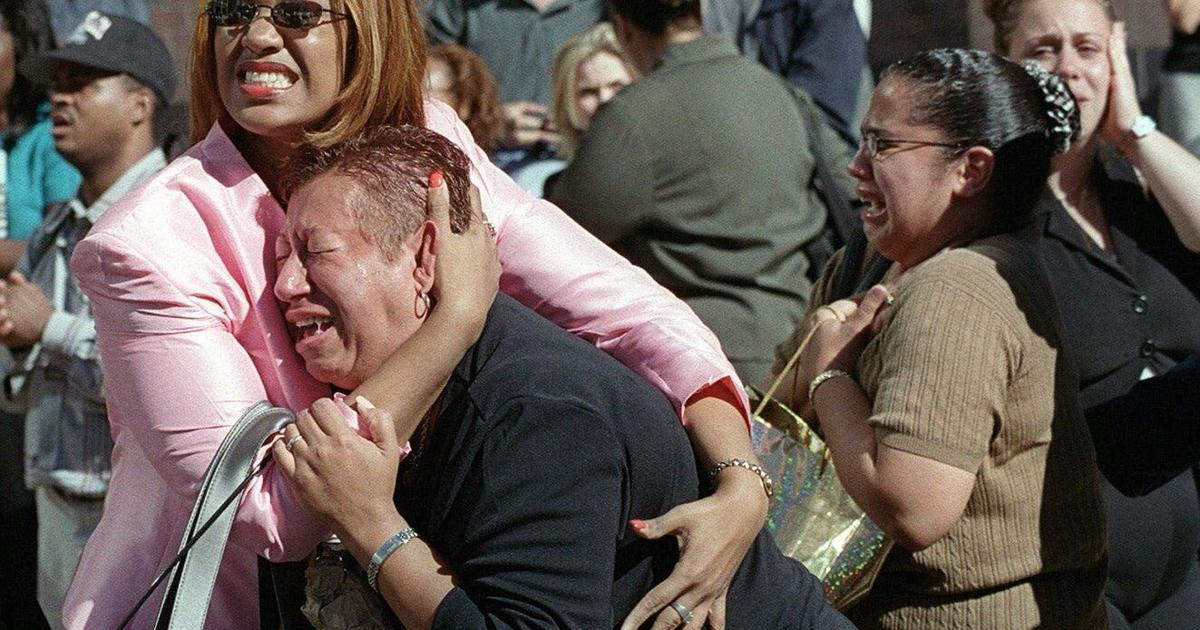
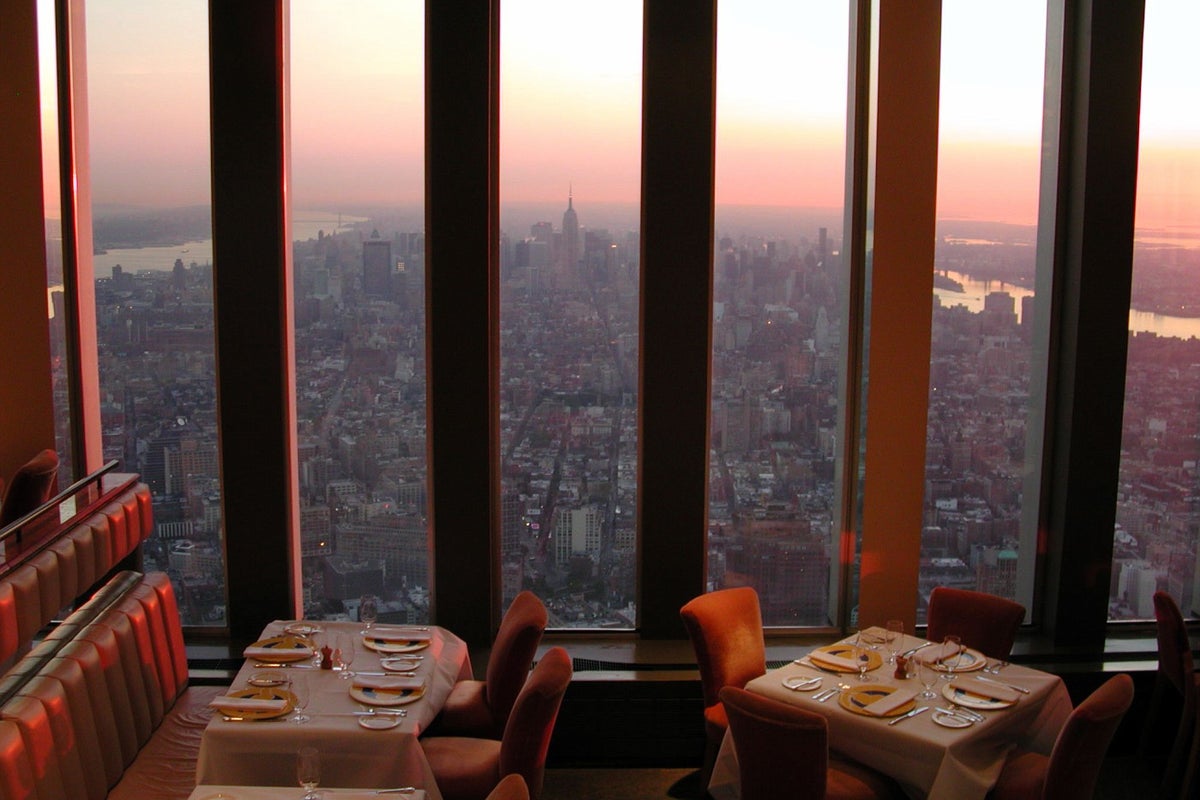
The veteran Post police reporter recounts their experience on 9/11, starting with a morning routine that was interrupted by news of a plane hitting the World Trade Center. As they arrived in Manhattan, they witnessed devastating scenes of destruction and chaos, including people walking through six inches of ash, ambulances waiting for injured victims, and buildings reduced to rubble. The reporter recalls having previously covered crime scenes and tragic events in New York City, but nothing could have prepared them for the scale of the disaster on 9/11. The city was thrown into emergency mode, with police, fire officials, and federal authorities scrambling to respond to the attack.
Written by the local model on 2026-09-11,
using this article's own text rather than the other coverage of the
same event (that is the story summary below).
Sept. 11, 2001, started out like any other Tuesday morning.
asserted
Sept. → start → morning
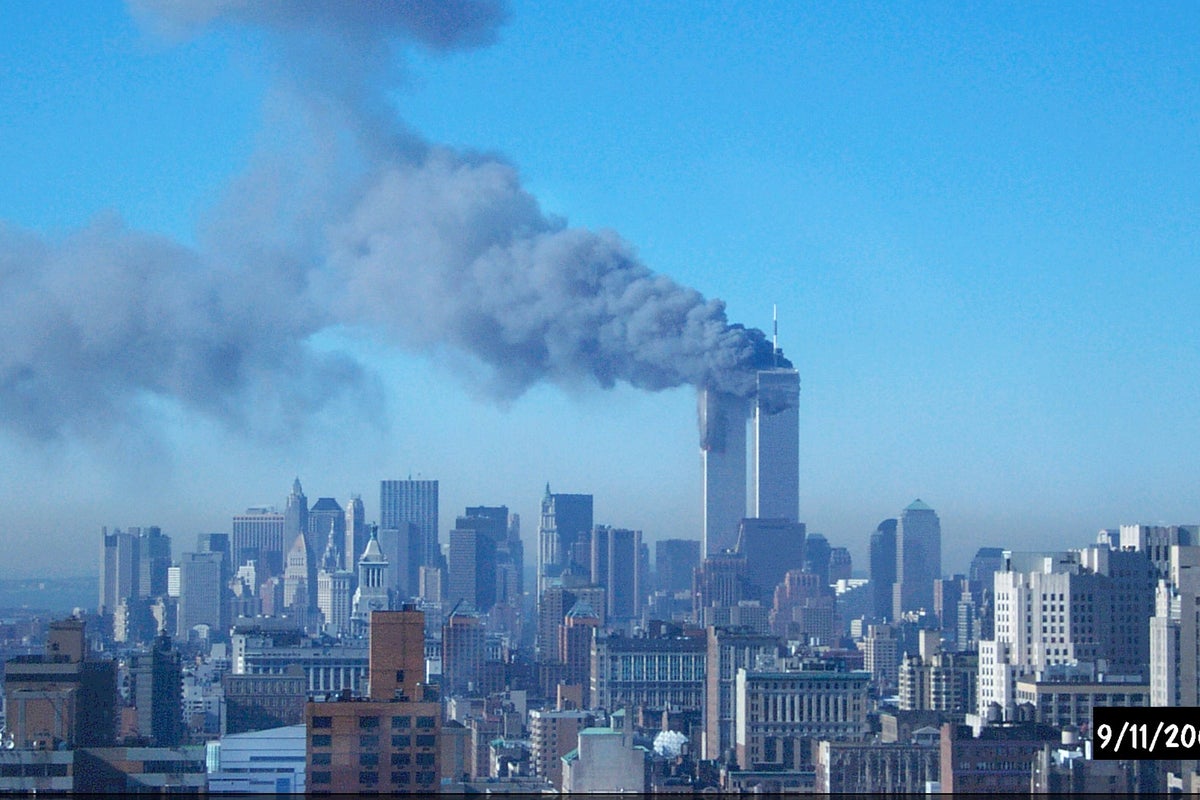
I was getting ready for my job as a police reporter for The Post, when I saw on TV that a plane had hit the World Trade Center.
asserted
plane → get → Center
By the time I got to Manhattan, the buildings had already fallen.
asserted
buildings → get → Manhattan
As I got closer to the devastation, the visibility was less and less — and a dense fog hung in the air.
asserted
fog → get → air
People were walking in 6-inches of ash — the result of tons of pulverized concrete from the collapsed buildings.
asserted
People → walk → buildings
When I got to Church Street, it looked like a scene from a movie where planets collided and nothing was left.
asserted
nothing → get → movie
The only problem was there was no director yelling “cut!”
asserted
problem → be → ?
On my right, dozens of ambulances were lined up with their doors open, waiting for the injured who never came.
asserted
who → line → injured
Coffee carts were sitting empty with donuts and bagels covered in ash.
asserted
donuts → sit → ash
I thought, just yesterday I was in Century 21, now its windows were broken and it was badly damaged.
asserted
it → think → Century
Streets were buried beneath dust, twisted steel and concrete.
asserted
Streets → bury → dust
Smoke hung over the ruins creating a cloud that covered as far as I could see – which wasn’t far.
uncertain
which → hang → cloud
I was covered in dust from head-to-toe.
asserted
I → cover → toe
As I walked around, I stepped over body parts and saw a wheel from one of the planes.
asserted
I → walk → planes
I had covered hundreds of crime scenes all over the city, reported on serial killers and talked to murderers in jail.
asserted
I → cover → jail
I remembered when 87 bodies were laid out in a gas station on Southern Boulevard in The Bronx after the Happy Land fire.
asserted
bodies → remember → fire
I remembered 8 years earlier, I stood on these same streets while covering the 1993 World Trade Center bombing — but even that was nothing like what I was now witnessing.
asserted
I → remember → what
Cops and firemen were futilely trying to move thousands of pounds of debris by hand to find their brothers and sisters.
asserted
Cops → try → brothers
Some were crying because they knew the chances of recovery were minimal.
asserted
chances → cry → recovery
A couple hours earlier, it was a quiet morning and now the world had changed forever.
asserted
world → change → ?
As news of the plane strikes unfolded, I had called a friend I grew up with, who worked in the NYPD intelligence division, and he said, “They think it might be a terrorist attack.”
uncertain
it → unfold → division
It was the first time I heard that phrase — which I’ve heard thousands of times since.
asserted
I → hear → times
Just then, my editor called, yelling hysterically that the city was under attack.
asserted
city → call → attack
When I told her police were looking at a possible terrorist attack she asked, “Are you sure?”
asserted
you → tell → attack
I told her the cops are treating this as a terrorist attack and everybody is being called in.
asserted
everybody → tell → attack
“Call me as soon as you get more,” she said.
asserted
she → call → more
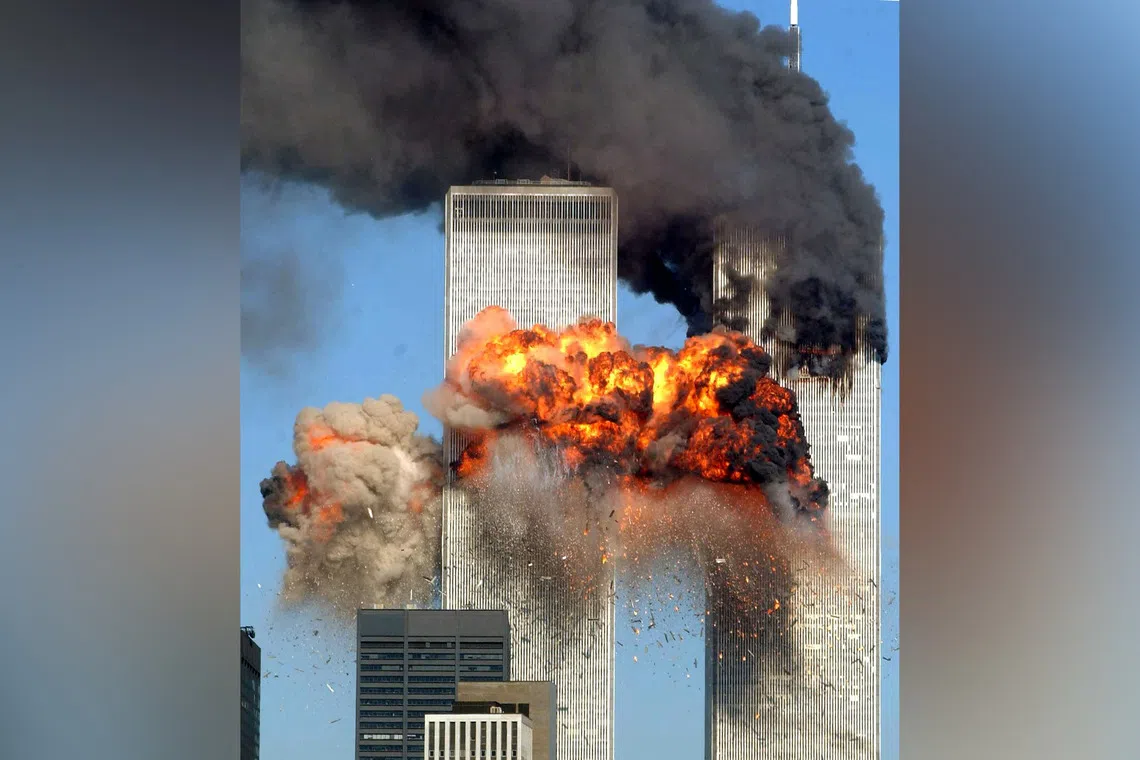
I kept making phone calls — then the South Tower fell as millions watched on live TV.
asserted
millions → keep → TV
The city was in emergency mode, closing off highways and access into Manhattan except for emergency responders.
asserted
city → close → responders
I was able to get a ride with Brooklyn North Police Benevolent Association trustee John Giangrasso and we drove to Ground Zero.
asserted
we → get → Zero
The mayor, police and fire brass and the feds were trying to figure out who was responsible and how they could rescue the thousands of missing people who were under the tons of rubble from the collapsed Twin Towers.
uncertain
who → try → Towers
Rumors were flying that hundreds of cops and firemen were dead, along with thousands of civilians.
asserted
hundreds → fly → civilians
During the afternoon, I got a call from police officer Kathy Vigiano asking if I heard anything about her husband, Det. Joseph Vigiano.
asserted
I → get → husband
They were friends I’d met in the 75 precinct, back when I covered the area’s record number of murders in 1993.
asserted
I → meet → 1993
I told her that I hadn’t heard anything about him and she headed to Manhattan to look for him as she couldn’t get any answers.
asserted
she → tell → answers
I paused and had a funny feeling in my stomach.
asserted
I → pause → stomach
I knew Joe well, and I knew if he got to the towers, he would’ve run to the roof and made sure everybody got out — unless the unthinkable happened and he was in the building when it fell.
asserted
it → know → building
I now started to think about the dozens of cops and firemen who worked in downtown Manhattan that I knew personally from my years as a reporter.
asserted
I → start → reporter
As I was calling in notes to the newsroom, I kept thinking back to Joe — and the other cops and firemen that probably were buried a few feet from where I stood.
asserted
I → call → Joe
Eventually, we went over to police headquarters where some of the families who couldn’t get a hold of their loved ones had gathered.
asserted
who → go → ones
I saw Kathy, and then later that night, I saw a list of 23 names of cops that were missing.
asserted
that → see → cops
…and 25 more, not listed.