The Aporia
The Aporia
The Aporia

Reporting on 9/11: The day the world changed. (2026, September 7). CBC News. https://www.cbc.ca/player/play/9.7333608?cmp=rss
“Reporting on 9/11: The day the world changed.” CBC News, 7 Sept. 2026, https://www.cbc.ca/player/play/9.7333608?cmp=rss.
“Reporting on 9/11: The day the world changed.” CBC News, September 7, 2026. https://www.cbc.ca/player/play/9.7333608?cmp=rss.
Dated when The Aporia collected the article, usually within hours of publication. Check the original for its exact date and byline.
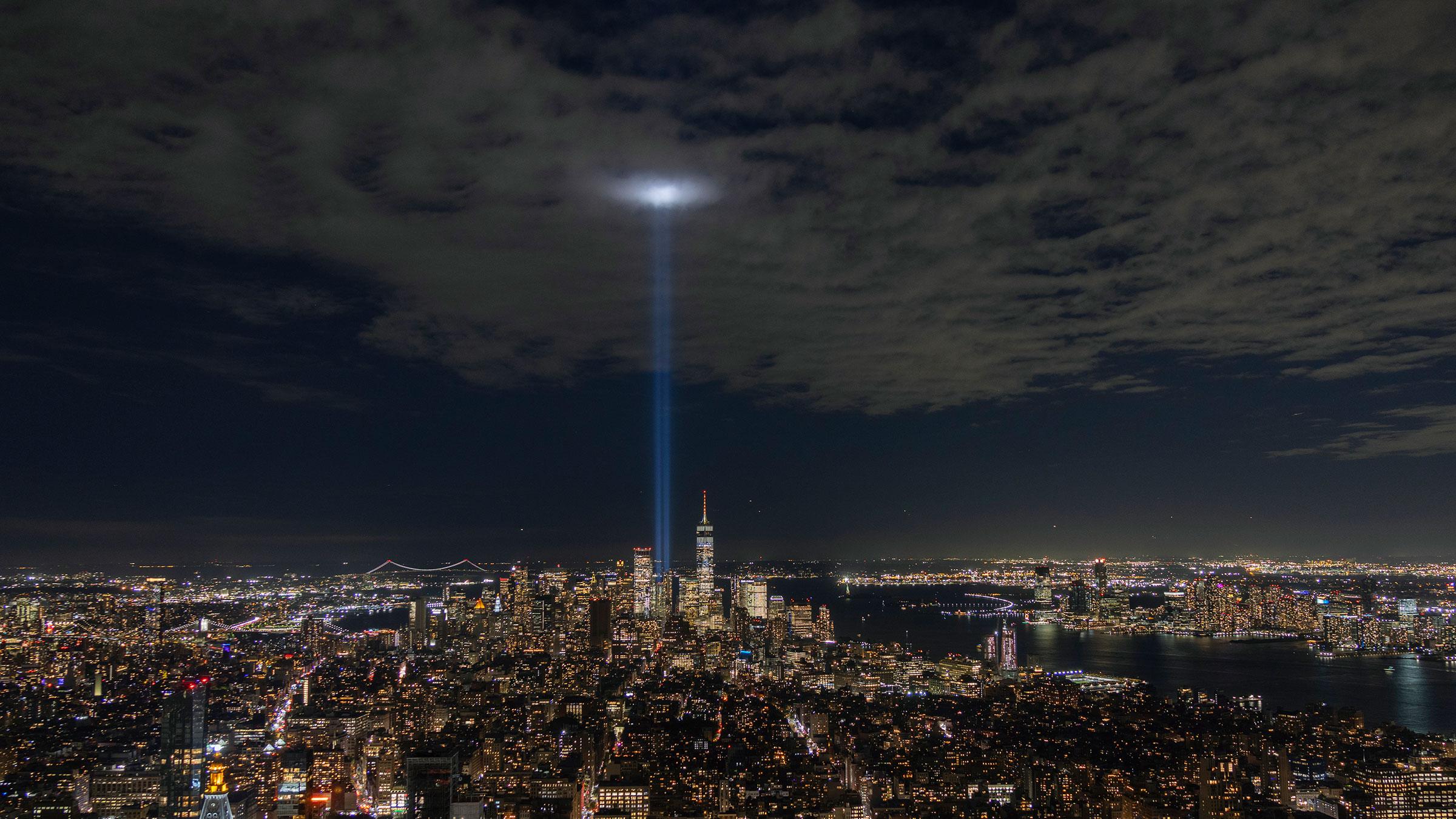
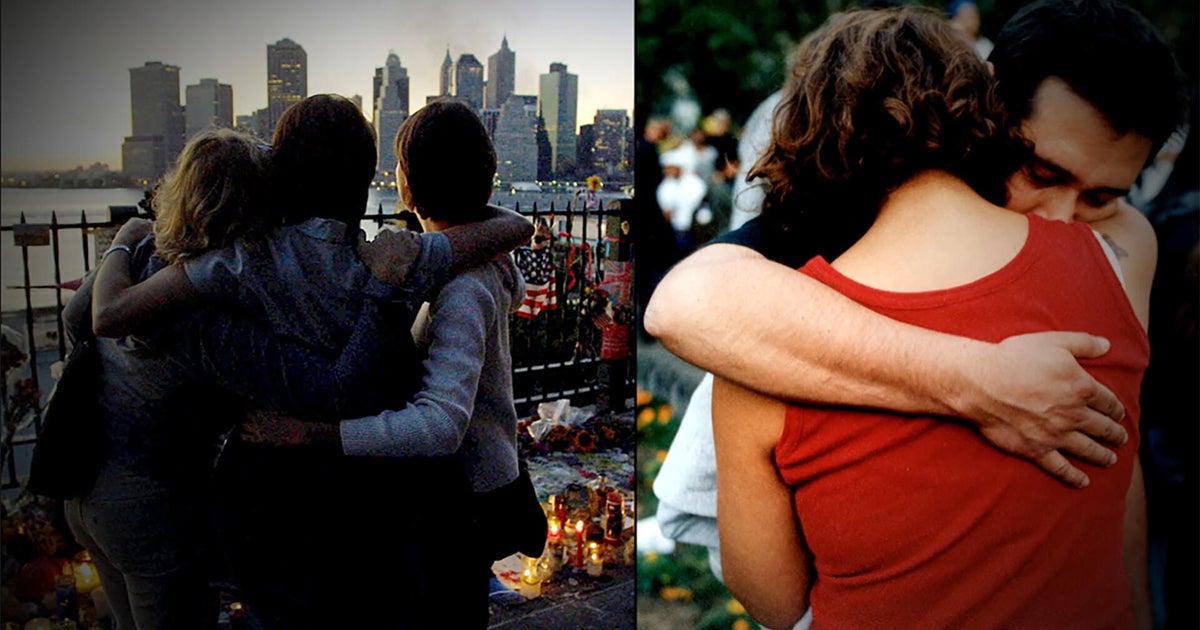
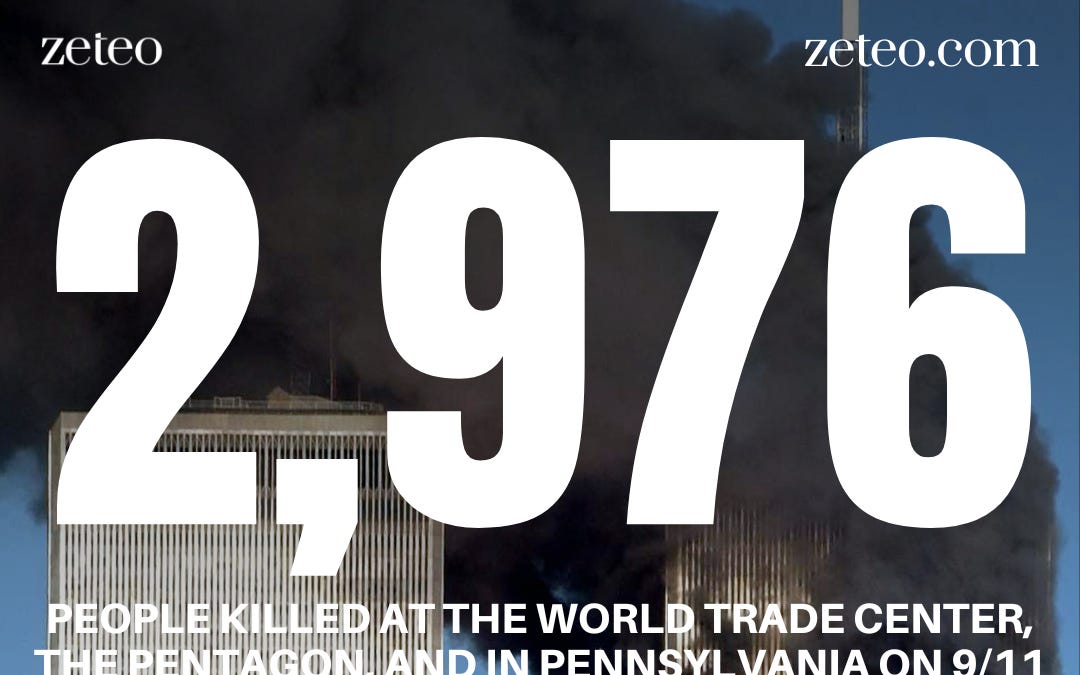
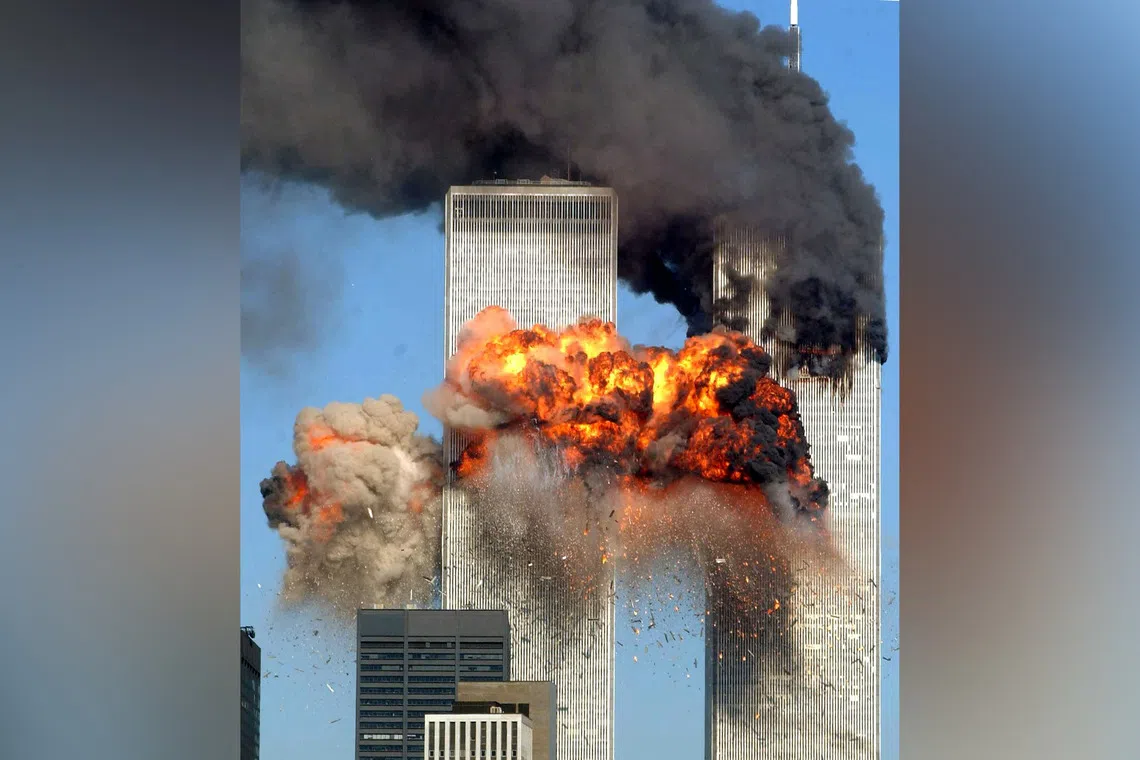
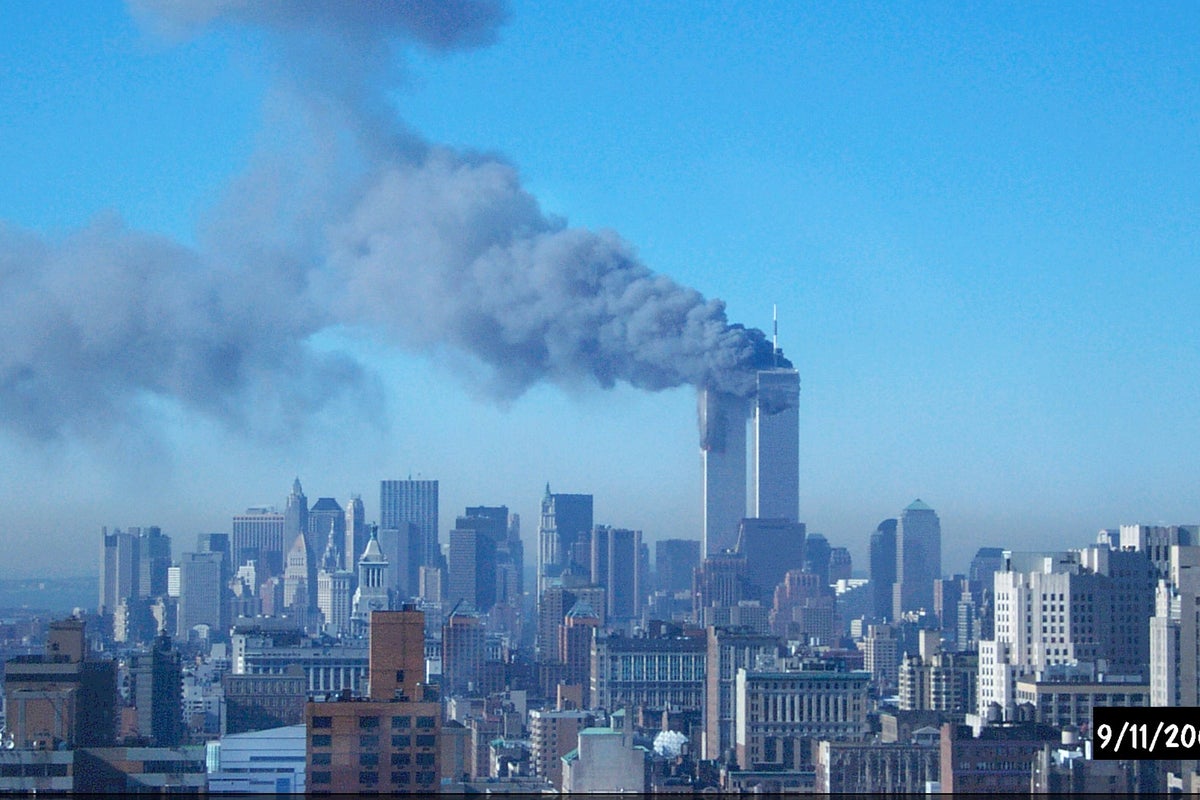
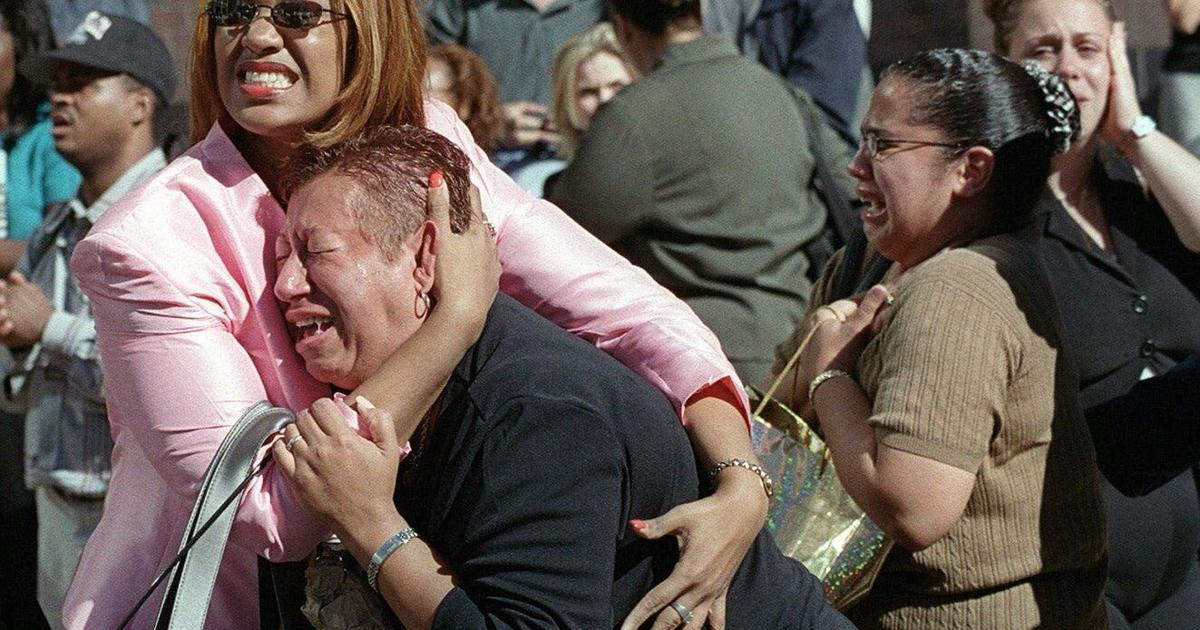
On the 25th anniversary of the September 11 attacks, New York City's first Muslim mayor, Zohran Mamdani, faces controversy over his decision to attend memorial events despite calls from some victims' families and former Mayor Rudy Giuliani for him to stay away. Mamdani, who lost an older brother in the attacks, insists on honoring those affected by reading out names at Ground Zero. Meanwhile, nearly 110,000 signatures have been collected through a petition urging Mamdani not to attend, citing concerns over his past associations and appointments that some see as conflicting with the solemnity of the event. Despite this opposition, Mamdani is moving forward with plans to release more than 170,000 pages of documents related to air quality around Ground Zero in the months following 9/11, aiming to provide transparency on what the city knew about toxic conditions and how they handled it.