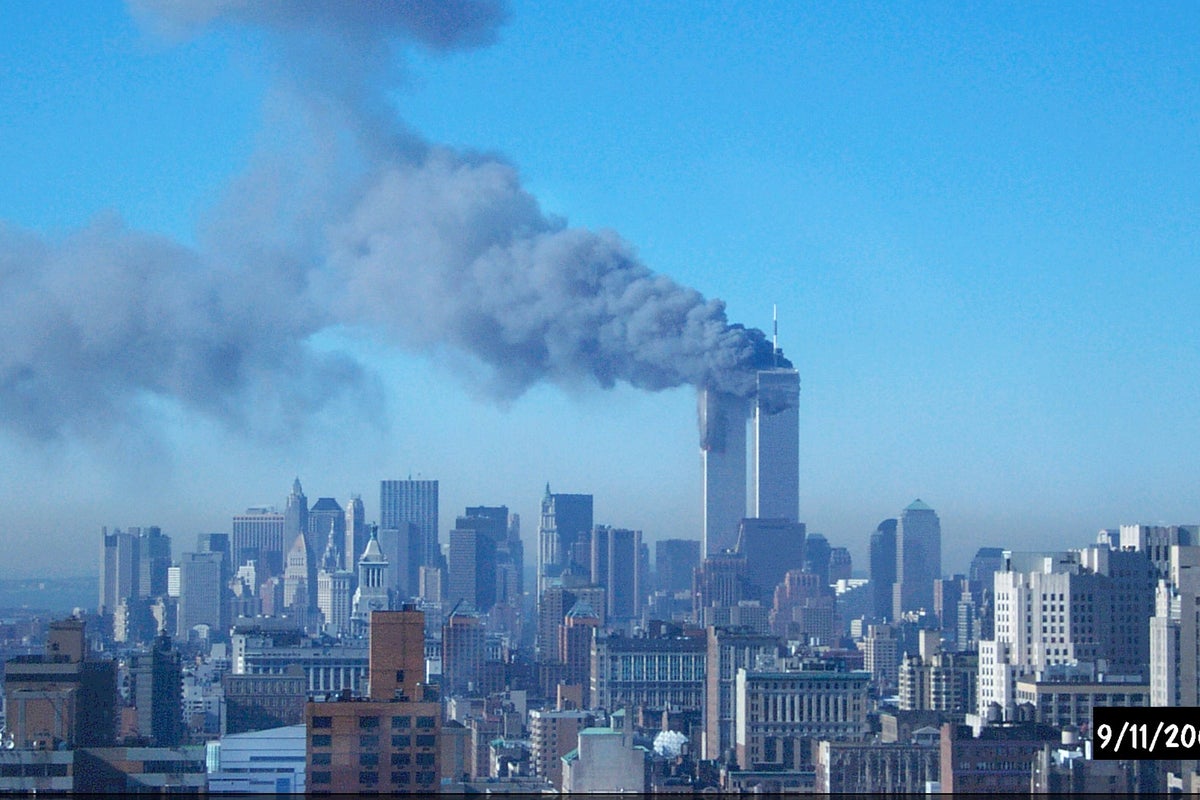
As hijackers slammed two planes into the World Trade Center in New York City 25 years ago, there were hundreds of other aircraft in the sky.
asserted
hijackers → slam → sky
The usual round of early flights had taken off from Europe, carrying thousands of passengers over the western half of the North Atlantic region, off the Canadian coast.
asserted
round → take → coast
David Collenette was speaking to a crowd at an international conference of airport executives in Montreal when a staff member slipped him a note saying there’d been a tragedy and he had to wrap up his speech.
asserted
he → speak → speech
Then Canada’s transportation minister, he raced back to Ottawa as hijackers slammed a third plane into the Pentagon in Washington.
asserted
hijackers → race → Washington
A fourth crashed in a Pennsylvania field.
asserted
fourth → crash → field
When the United States shut down its airspace that morning, there were about 500 planes in the air over the western North Atlantic, with an estimated 85,000 people on board, Collenette said in a recent interview.
asserted
Collenette → shut → interview
A plane was entering Canadian airspace every 90 seconds, he said.
asserted
he → enter → airspace
“We had to make a decision on the spot,” Collenette said.
asserted
Collenette → have → spot
“We had no hours.
asserted
We → have → hours
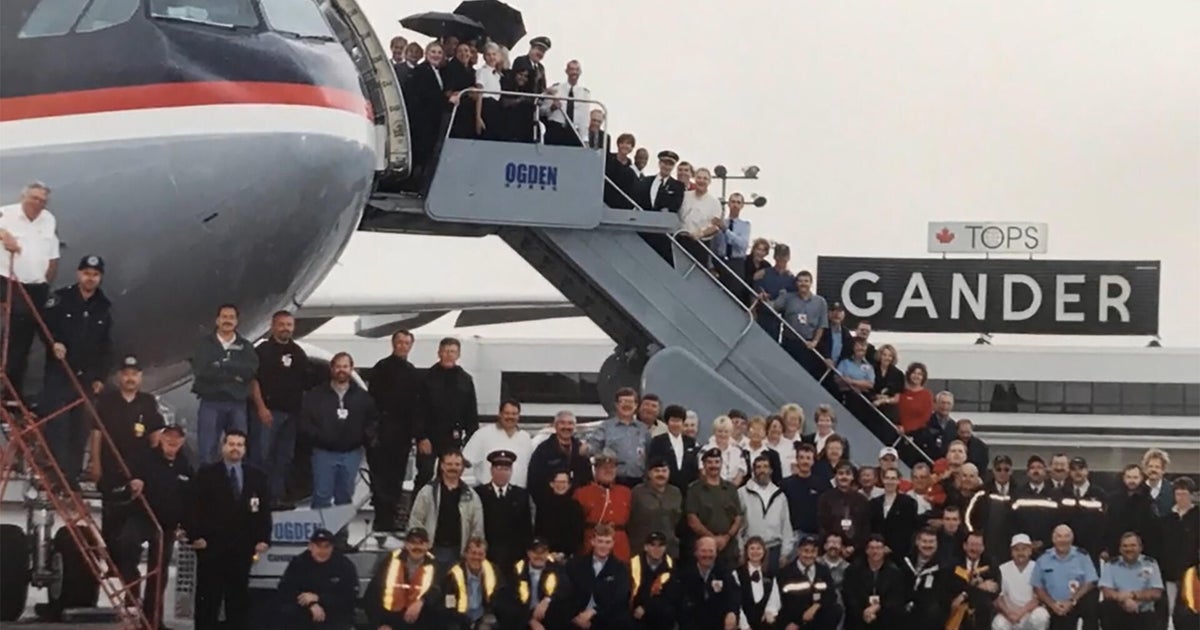
On Thursday, Collenette will be in Gander, N.L., where 38 planes landed on Sept. 11, 2001, and the town of about 9,000 people dropped everything to care for some 6,500 passengers stranded there for days.
asserted
town → land → days
He’ll be sharing his story at an event called “Untold Stories” at the Gander International Airport, ahead of a 9/11 commemoration ceremony on Friday.
asserted
He → share → Friday
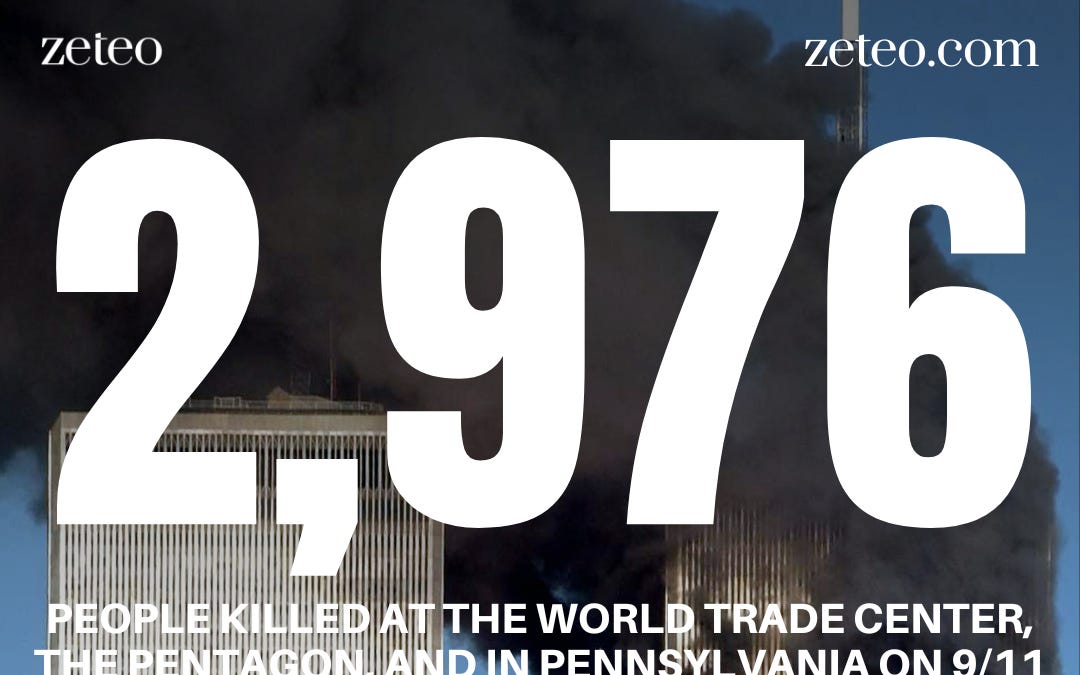
The event is among many planned across Canada to remember the nearly 3,000 people who were killed in the 9/11 terrorist attacks, and to honour the unquestioning support Canadians offered to their American allies.
asserted
Canadians → plan → allies
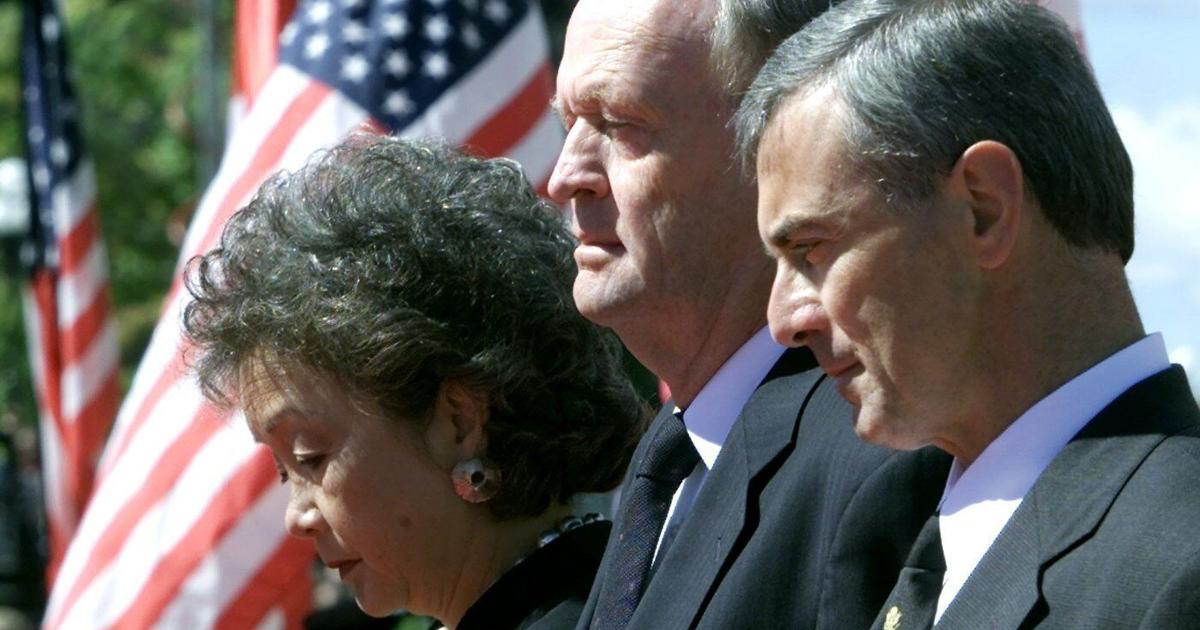
“We’re there for a solemn reason, but we’re also there to celebrate the goodwill of Canadians,” Collenette said.
asserted
Collenette → ’re → Canadians
“It just showed that Canadians could all come together.”
uncertain
Canadians → show → ?
Back in Ottawa on Sept. 11, 2001, it was immediately clear that Canada had to shut down its airspace, too, the former minister said.
asserted
minister → have → airspace
Officials had to tell about 270 planes to turn around and go back across the Atlantic to Europe.
asserted
Officials → have → Europe
The remaining planes – more than 230 – had to land somewhere fast, Collenette said.
asserted
Collenette → remain → ?
Many were directed to Atlantic Canada, where there are several Second World War-era airports with large runways, he said.
asserted
he → direct → runways
Others were sent to large, central cities such as Montreal and Vancouver.
asserted
Others → send → Montreal
Collenette said he is still struck by how quickly people across the aviation community and the country worked together to land all the planes and keep all their passengers safe.
asserted
people → say → passengers
“Nobody disputed the orders given by our air traffic controllers to return to Europe or to land in Gander, N.L., or Stephenville, N.L., or Moncton, N.B., or Halifax,” he said.
asserted
he → dispute → Gander
“And nobody at the time said, ’Look, we got all these people, it’s gonna cost a lot of money,’” he added.
asserted
he → say → money
“That’s what the remarkable thing was.
asserted
thing → ’ → ?
People … opened their homes.
asserted
People → open → homes
They opened their fridges.
asserted
They → open → fridges
They cooked.
asserted
They → cook → ?
They donated.”
asserted
They → donate → ?
Gander’s story stands out because of its size, he said: the town’s population almost doubled when all those planes landed, and every person was taken care of.
asserted
person → stand → care
But people across Canada took care of stranded passengers, just as people in Gander did, he said.
asserted
he → take → Gander
In Toronto, the U.S. Consulate is hosting an exhibition of pen-and-ink drawings by Canadian artist John Coburn, which he created at Ground Zero and throughout New York City following the 9/11 attacks.
asserted
he → host → attacks
The show is called “25 Years of Healing Hearts: A Tribute to 9/11 in Drawings.
asserted
show → call → Drawings
In British Columbia, a cross-border memorial ceremony is planned on Friday at the Peace Arch border park in Surrey.
asserted
ceremony → plan → Surrey
Expected guests include New York police officers, a firefighter and paramedic who served on 9/11.
asserted
who → include → 9/11
U.S. Homeland Security helicopters are scheduled to do a flypast.
asserted
helicopters → schedule → flypast
Organizers say they expect hundreds of Canadian and American first responders, and military and border officers to attend.
asserted
hundreds → say → responders
The International Peace Garden in Manitoba is also holding a memorial event with officials from U.S. Customs and Border Protection, U.S. Border Patrol and the Canada Border Services Agency.
asserted
Garden → hold → Protection
North Dakota Parks and Recreation representatives are also expected, alongside members of the United Fire Fighters of Winnipeg.
asserted
representatives → expect → Winnipeg
 The Aporia