Sept. 11 was one of many times N.L. residents have opened their homes in a crisis
Newfoundlanders and Labradorians have a long history of caring for people in emergencies
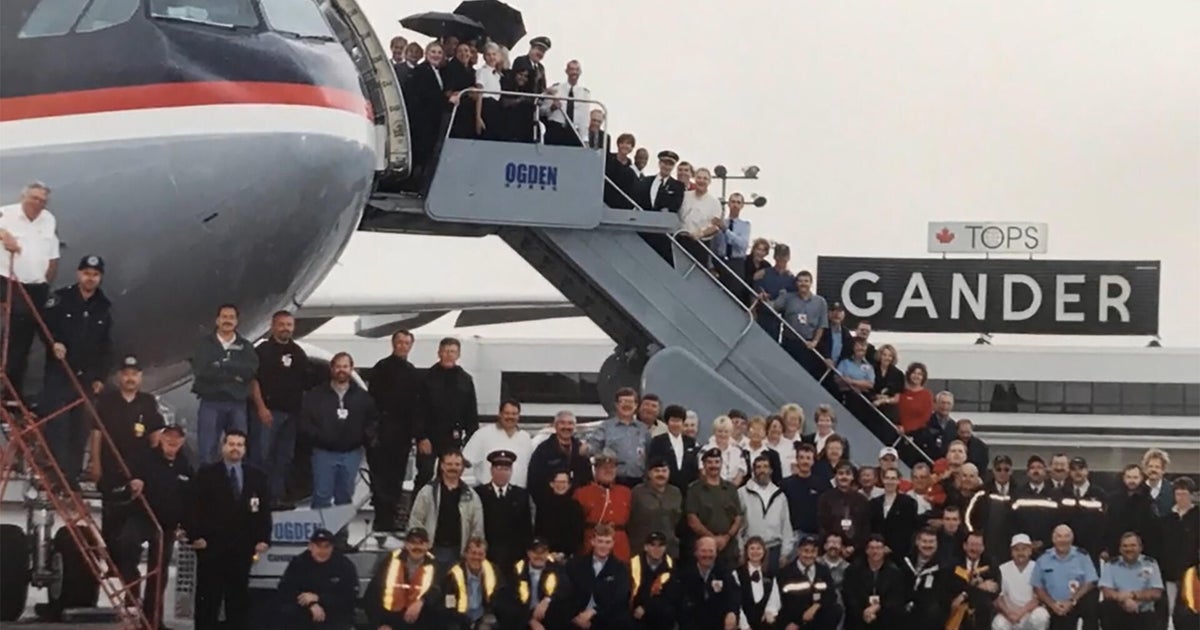
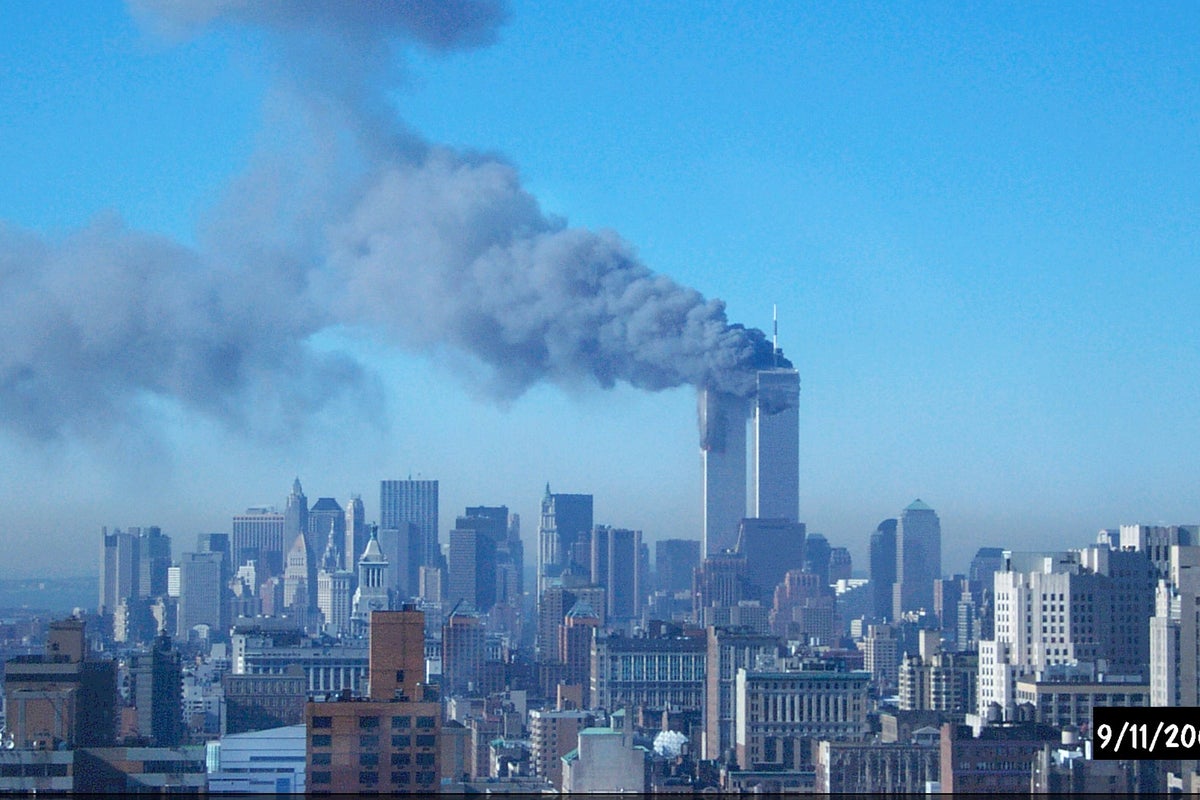
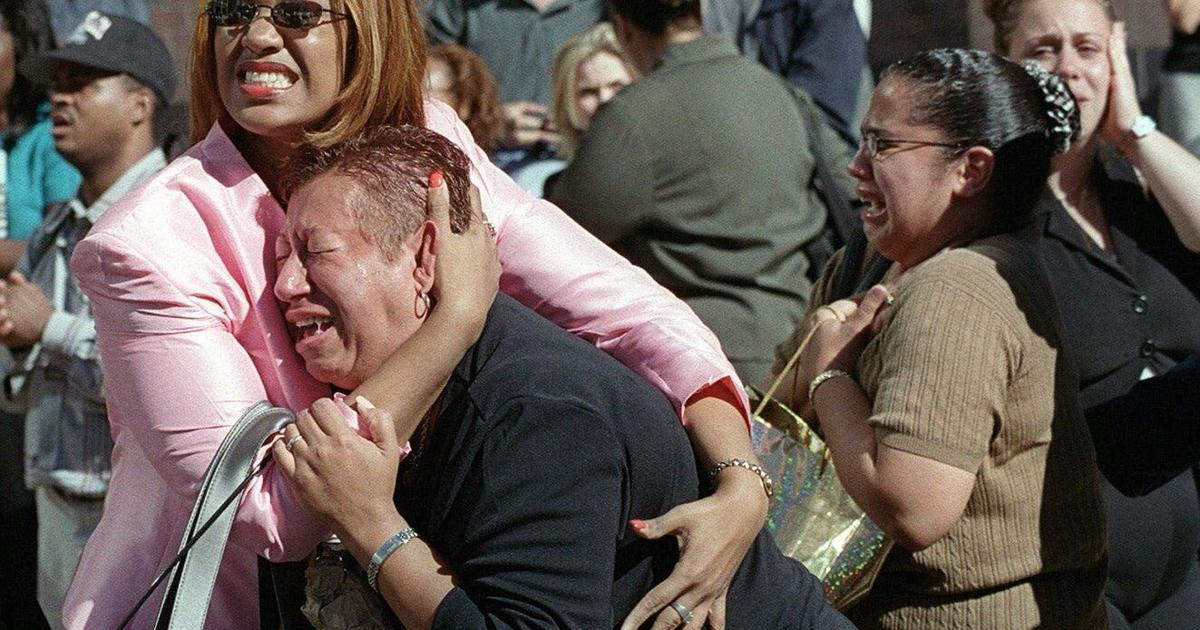
It’s been almost twenty-five years since the residents of Gander and other communities in Newfoundland and Labrador took in thousands of stranded airline passengers after the September 11 attacks.
asserted
residents → open → attacks
Their generosity inspired books, movies and the musical Come from Away, but it was far from the first time Newfoundlanders and Labradorians had opened their homes to strangers in a crisis.
asserted
Newfoundlanders → inspire → crisis
One evening in July 1828, fisherman George Harvey was walking the lonely beach in Isle aux Morts when he spotted a keg tossing on the waves, a sure sign that a ship had gone down nearby.
asserted
ship → walk → waves
At dawn the next morning, he loaded his 17-year-old daughter Ann and 12-year old son Tom into his small punt and set off to locate the wreck.
asserted
he → load → wreck
Hours later, they came upon the Despatch.
asserted
they → come → Despatch
The ship had struck a rock, but most of its two hundred passengers had managed to cross to a reef, where they were huddled together against the wind and rain “like sea birds.”
asserted
they → strike → birds
Over three days of constant effort, the Harveys hauled the passengers into their punt one by one and ferried them to the safety of the shore.
asserted
Harveys → haul → shore
But their work wasn’t done.
asserted
work → do → ?
For two to three weeks, while they waited for a relief ship to arrive, the Harvey family cared for the 163 survivors in their home and makeshift shelters.
asserted
family → wait → home
According to surveyor Joseph Jukes, who stayed with the Harveys a decade later, their food stores “were so completely exhausted, that [they] were compelled to live chiefly on salt fish, with neither bread, flour, butter, nor tea, during the whole of that winter.”
uncertain
they → accord → winter
Another shipwreck during World War II had far-reaching impact.
asserted
shipwreck → have → impact
When the American destroyer USS Truxtun ran aground on the Burin Peninsula in February 1942, eighteen-year-old Black seaman Lanier Phillips jumped from the deck into freezing waves slick with oil.
asserted
Phillips → run → oil
He later awoke in the small community of St. Lawrence, where locals had laid the survivors out on tables, stripped off their wet clothes, and were sponging the oil from their skin.
asserted
locals → awake → skin
Raised in Georgia in the shadow of the Ku Klux Klan, Phillips said he felt more fear being naked in the presence of white women than he had when he jumped into the water.
asserted
he → raise → water
“One lady had my hand,” he recalled, “and she said, ‘Gee, this poor fella… the oil is all in his pores.’
asserted
oil → have → pores
Phillips replied, “That’s the colour of the skin.
asserted
That → reply → skin
You can’t get it off.”
asserted
You → get → it
The woman, Violet Pike, had never seen a Black man before.
asserted
woman → see → man
She took Phillips to her home, spoon-fed him soup and put him to bed.
asserted
She → take → bed
“The feeling I had was that all Caucasians were racists and bigots,” Phillips said.
asserted
Phillips → have → ?
“Well, they showed me there were people in the world that were not.”
asserted
that → show → world
The experience inspired Phillips to fight segregation and break new ground for Black sailors in the U.S. Navy.
asserted
experience → inspire → Navy
He became the navy’s first Black sonar technician in 1957 and went on to an innovative civilian career as an oceanographer.
asserted
He → become → oceanographer
He was active in the civil rights movement and marched with Martin Luther King Jr. in Selma, Ala.
In later life, Phillips travelled throughout North America speaking about that night in St. Lawrence, his career and his vision for racial equality.
asserted
Phillips → march → equality
Twenty years after the sinking of the USS Truxtun, thousands of Newfoundlanders were forced to evacuate during fearsome wildfires in 1961.
asserted
thousands → force → 1961
The town of Terrenceville on the Burin Peninsula was overwhelmed by smoke.
asserted
town → overwhelm → smoke
While local men stayed to fight the blaze, 450 women and children were ferried in the middle of the night to Bay L’Argent.
asserted
women → stay → L’Argent
Telegraph operators stayed up all night to co-ordinate the rescue, and every car owner in the Marystown area was awakened to drive 60 kilometres and pick the evacuees up.
asserted
owner → stay → evacuees
“Within one hour 40 cars were on the road,” the Evening Telegram reported, “and in less than three hours 200 evacuees were assembled in Marystown’s St. Gabriel’s Hall where hot drinks and sandwiches were distributed.”
asserted
drinks → report → Hall
Once fed, the evacuees were welcomed into private homes in Marystown, Fortune and Grand Bank.
asserted
evacuees → feed → Marystown
Then-mayor of Marystown E. P. Reddy said the community’s response was a “spontaneous outburst of charity towards a neighbour in time of dire need.”
asserted
response → say → need
Not foreseeing what was to come in 2001, though, Reddy turned out to be mistaken when he reflected that such an act “may never be surpassed in the history of our island.”
uncertain
act → foresee → island
Current N.L. wildfires reminiscent of the devastating summer of 1961
Gander’s generosity on 9/11 is getting the Heritage Minute treatment by locals
Is Newfoundland and Labrador really more hospitable than anywhere else?
Most cultures prize hospitality.
asserted
cultures → get → hospitality
A moral imperative to help strangers in need is part of what makes human societies adaptive and resilient.
asserted
societies → help → need
That doesn’t mean all cultures express hospitality the same way.
asserted
cultures → mean → hospitality
Some societies prefer structured hospitality, where guests are invited and activities planned in advance.
asserted
guests → prefer → advance
Other communities prioritize spontaneous hospitality, welcoming drop-ins and unexpected visitors.
asserted
communities → prioritize → ins
In her book Foreign to Familiar, Sarah A. Lanier suggests structured hospitality is more common in cold climates and spontaneous hospitality in hot climates, because mild weather encourages outdoor mingling and open-door policies.
uncertain
weather → suggest → mingling
Harsh environments, where mutual support is critical for survival, can also foster a welcoming attitude.
asserted
support → foster → attitude
Hospitality is one of the highest virtues among the Bedouin, who traditionally lived in the desert.
asserted
who → live → desert
…and 4 more, not listed.
 The Aporia