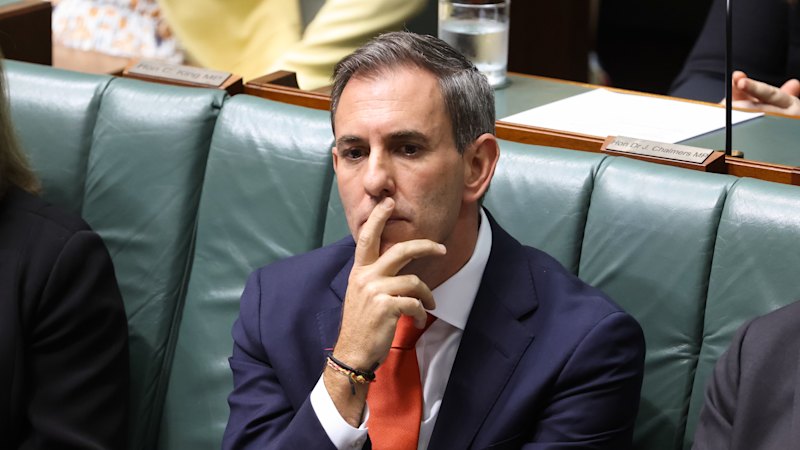
Business groups are warning years of expensive turmoil will be unleashed by the federal government’s plans for a minimum tax on discretionary trusts as Treasurer Jim Chalmers warns that without reform, the nation’s tax revenue will be eaten away, leaving working Australians exposed to even higher taxes.
asserted
revenue → warn → taxes
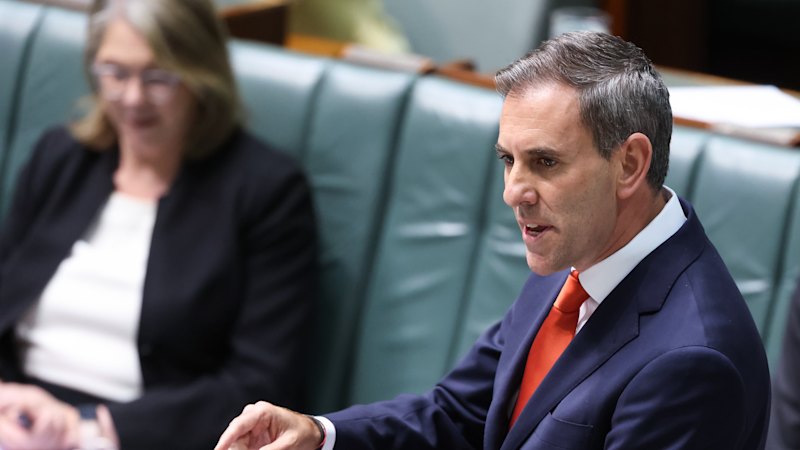
Treasurer Jim Chalmers on Wednesday introduced into parliament the third key budget tax change, imposing a minimum 30 per cent tax on the net income that flows out of the estimated one million discretionary trusts every year.
asserted
that → introduce → trusts
The minimum tax rate on trusts is expected to raise more than $40 billion over the next decade, about the same as the budget’s overhaul of both negative gearing and capital gains tax combined.
asserted
rate → expect → gearing
There had been concerns that states would impose stamp duty on trusts that were reorganised following the government’s reforms.
asserted
that → impose → reforms
But on Thursday, the NSW government will reveal that it will not hit these trusts with stamp duty in a move expected to be followed by other states and territories.
asserted
it → reveal → states
Chalmers said the changes to trusts, negative gearing and capital gains tax meant the personal income tax hit to ordinary workers would be two percentage points lower over the next decade in a sign the treasurer is making space for another round of tax cuts before the next election.
asserted
treasurer → say → election
He said every major review of the tax system going back to the 1970s had advocated changes to the tax treatment of trusts, arguing the surge in their use over recent years was now a threat to the entire tax system.
“If we leave this issue for another day and another government, the risks to the integrity and the sustainability of the tax system will only grow.
asserted
risks → say → system
The burden of that inaction will fall on regular people, on young Australians and on future generations,” he said.
asserted
he → fall → generations
While Chalmers described the trust changes as an important step in making the tax system fairer, he still faces a nearly two-year campaign against the reforms from the opposition, critics of Labor in the accounting world, and businesses.
asserted
he → describe → world
There is also anxiety among members of the caucus who are still smarting over the ATO’s credit card ban.
asserted
who → be → ban
This masthead reported on Tuesday that NSW Right MPs vented about the cabinet’s economic management in a closed-door meeting in Canberra, and that MPs feared mum and dad businesses and tradespeople would punish the government.
asserted
businesses → report → government
In parliament, the opposition targeted Labor over the trusts issue and the ATO backflip, after the prime minister told business leaders at a dinner on Tuesday night that the government intervened following a text to Prime Minister Anthony Albanese from a leader of the business lobby.
asserted
government → target → lobby
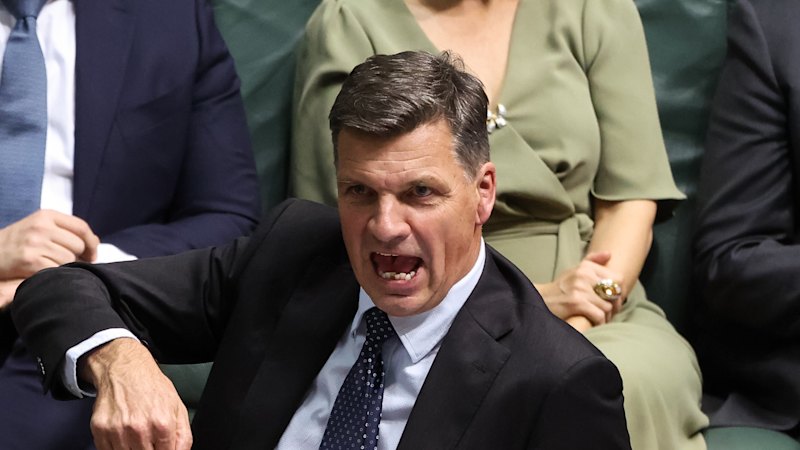
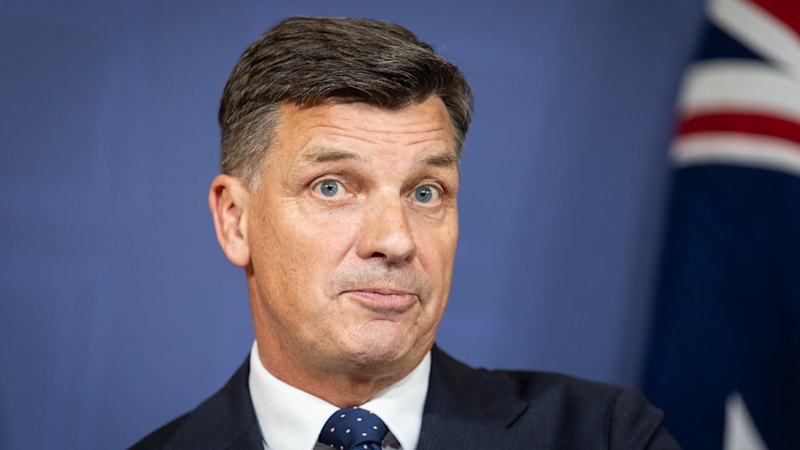
Opposition Leader Angus Taylor said the prime minister’s remark proved that he forced Chalmers into overturning the tax office ban.
asserted
he → say → ban
“How much more humiliation does the treasurer have to endure before the prime minister puts him out of his misery and sacks him?” Taylor asked in parliament.
asserted
Taylor → have → parliament
Chalmers pushed back and said he worked with Albanese to listen to business groups’ concerns before making the decision.
asserted
he → push → decision
Albanese also said the Coalition’s interpretation was wrong: “Completely agreed by the treasurer and myself,” he said.
asserted
he → say → treasurer
The Coalition believes the government will struggle to properly implement the trusts changes given the complexity of tax law, with shadow treasurer Tim Wilson claiming Labor did not “understand the scale of the train wreck” that would evolve over coming months.
asserted
that → believe → months
Australian Chamber of Commerce and Industry chief executive Andrew McKellar said the trust changes, which do not start until mid-2028, would deliver a tax hit to small businesses and create more red tape.
asserted
which → say → tape
One in three have told us they considered closing last year.
asserted
they → tell → us
Four interest rate hikes, high inflation, flat growth, and high fuel and electricity prices have hit them hard and now they face higher taxes too,” he said.
asserted
he → hit → taxes
Master Builders Australia chief executive officer Denita Wawn said the government’s plans showed a “complete lack of practical understanding” of building companies.
asserted
plans → say → companies
“Many builders will be forced to choose between paying significantly more tax or undertaking a costly and complex restructure to establish an entirely new entity, potentially creating implications for important consumer protections such as statutory warranties,” she said.
asserted
she → force → warranties
But the government’s plans were backed by the community service sector which said the current tax system was being exploited by those who could afford to, pushing higher taxes on to working people.
uncertain
who → back → people
ACOSS chief executive Cassandra Goldie said under the current tax laws governing trusts, a person on $200,000 could reduce their marginal tax rate of 47 per cent down to 30 per cent or less by moving their income through a trust.
“We recognise that trusts and private companies have genuine uses when used appropriately, but they are widely used by investors and business owners as a way of avoiding contributing their fair share of tax,” she said.
uncertain
she → say → tax
The government and Treasury have become particularly concerned by the doubling in discretionary trusts since the turn of the century.
asserted
government → become → century
Despite the growth in number, about 95 per cent of working people do not receive income through a trust.
asserted
cent → work → trust
The majority of trust income flows to the 10 per cent the highest earning households in the country.
asserted
majority → flow → country
While the government will get the trust changes through the House of Representatives, it will need the support of the Greens in the Senate to make them law.
asserted
them → get → Senate
But the Greens are demanding the government hike taxes on parents paying for private school fees through trusts, arguing there is a loophole in the budget reforms.
asserted
government → demand → reforms
While the bill does not name which entities will be exempt, some private schools hold charitable status, potentially excluding disbursements to them through trusts from the 30 per cent tax.
asserted
schools → name → tax
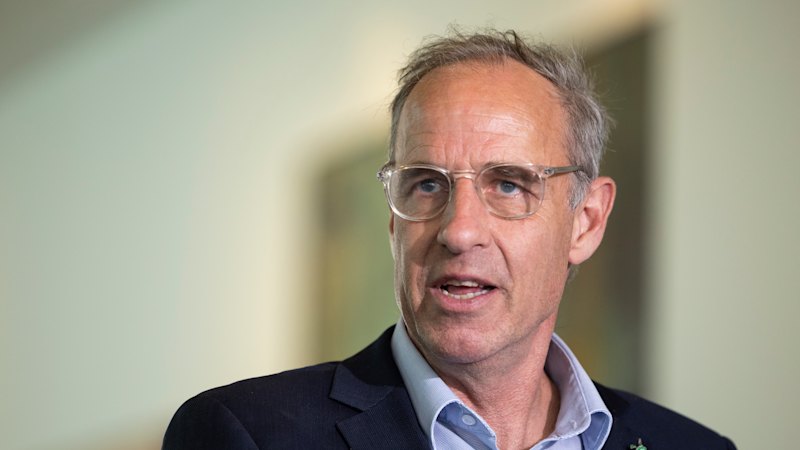
Greens economic spokesman Nick McKim said the party had serious concerns about the exemption.
asserted
party → say → exemption
Subscribers can sign up to our weekly Inside Politics newsletter.
asserted
Subscribers → sign → newsletter
 The Aporia