The Sydney Morning Herald
· collected 2026-10-07 · by Paul Sakkal, Nick Newling
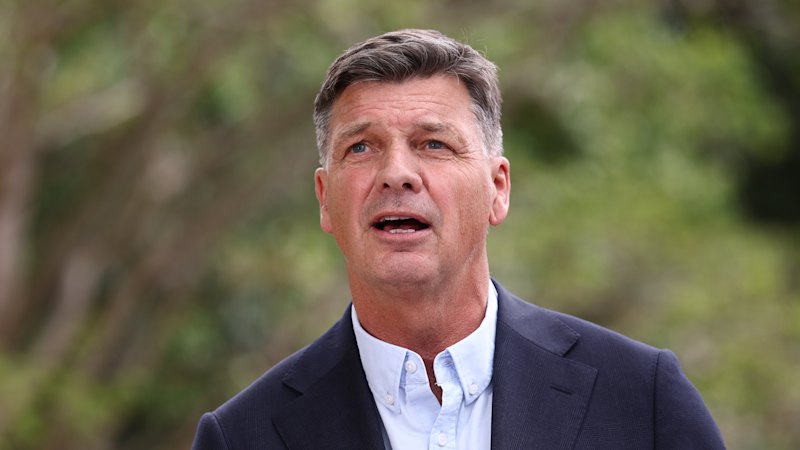
Rideshare and food delivery prices could spike as Coalition leader Angus Taylor trades efficiency for a migration and economic model that shifts away from Australia’s reliance on cheaper foreign workers.
uncertain
that → spike → workers
However, a top labour economist says reducing the ballooning stock of temporary migrants could boost productivity because firms may be encouraged to innovate instead of leaning on low-wage workers.
uncertain
firms → say → workers
The productivity flow-on adds weight to Taylor’s migration pitch.
asserted
on → add → pitch
But the Coalition’s claim that a cut of 650,000 to the number of temporary migrants would help the budget was questioned on Wednesday, after Labor seized on confusion about whether the policy was officially costed.
uncertain
policy → help → confusion
One feature of the opposition’s plan to cut net migration to 100,000 involves cracking down on international students violating work rights by working in the gig economy, or using ABNs to disguise work hours.
asserted
students → cut → hours
Rideshare company DiDi said there trade-offs for consumers in clamping down heavily on migration.
asserted
DiDi → say → migration
“Proposed immigration and visa policy changes across the political spectrum risk tightening rideshare driver supply, which may impact wait times and the passenger experience,” Dan Jordan, the Chinese company’s head of external affairs told this masthead.
uncertain
Jordan → propose → masthead
Every one of the recent migration proposals from Labor, One Nation and the Coalition has responded in part to respected mandarin and official migration reviewer Martin Parkinson, who has said that Australia has turned into a guest-worker economy.
asserted
Australia → respond → economy
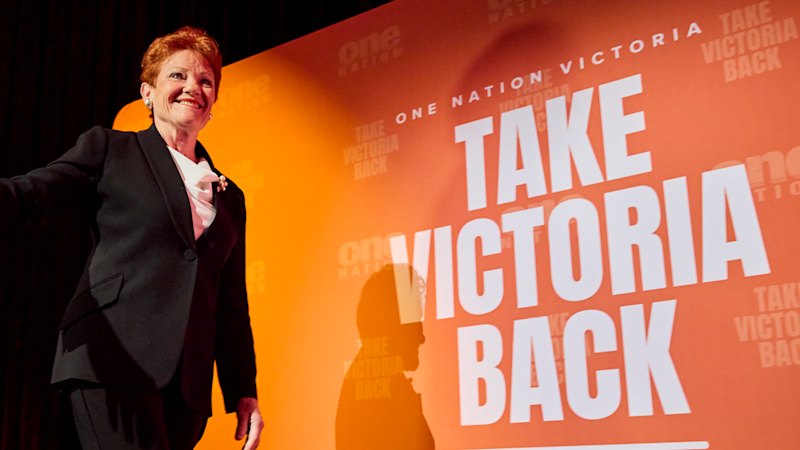
The opposition has tried to contrast its plans with One Nation’s by arguing its model would not hurt the economy, in contrast with Pauline Hanson’s negative migration pitch which was entirely uncosted.
asserted
which → try → pitch
Opposition leaders have been careful not to claim the migration plan was fully costed by the Parliamentary Budget Office, an independent body designed to prove parties are being honest about spending.
uncertain
parties → claim → spending
Taylor himself has said the party was “working closely with the PBO on budget analysis”, stopping short of claiming he secured a full 10-year forecast on the policy’s consequences.
asserted
he → say → consequences
Deputy leader Jane Hume used similar language and said full budget costings would occur closer to the election when Labor’s migration and budget figures were set in stone.
asserted
figures → use → stone
The Australian Financial Review reported that Taylor’s team had told MPs not to say the migration policy was officially costed.
asserted
policy → report → MPs
Coalition party sources told this masthead an official costing would be difficult because it was working off Labor’s forecasts and because the PBO was not expert in modelling the second- and third-order effects of migration, which alters tax, welfare and infrastructure spending in different directions.
asserted
which → tell → directions
Home Affairs Minister Tony Burke warned of skills shortages on Tuesday and told this masthead on Wednesday that the Coalition must release the PBO analysis to prove the budget and economic impact.
“It’s up to Angus Taylor to prove that his costings are true,” he said.
asserted
he → warn → Taylor
During media appearances on Wednesday, Taylor repeatedly scoffed at the criticisms, arguing the policy would bolster the economy and that the Coalition would seek to develop policies “based on the national interest, not based on vested interest”.
asserted
Coalition → scoff → interest
Taylor said: “We’ll attract people who will earn higher incomes, make a bigger contribution, and pay more tax and contribute more to the budget.
asserted
who → say → budget
“This strengthens the economy, provides more productivity, more competitiveness.
asserted
This → strengthen → productivity
It doesn’t weaken it.”
asserted
It → weaken → it
Australian Chamber of Commerce and Industry chief Andrew McKellar said the Coalition had not gone as far as One Nation but its policies “would have a knock-on effect … because a number of those people, they stay on after they’ve studied.”
asserted
they → say → people
“They do go into the workforce, they bring some essential skills, and then ultimately a lot of them do go home.
asserted
lot → go → them
The area where we would have concerns would be in areas like tourism, hospitality, restaurants, cafes.”
asserted
we → have → cafes
Jeff Borland, University of Melbourne’s Redmond Barry Distinguished Professor of Economics, said “you can increase productivity in the economy” if businesses chose to invest in technology and capital instead of paying higher wages spurred by the drop-off in migration.
asserted
businesses → say → migration
Parkinson made similar remarks about productivity and migration in a recent episode of the Joe Walker podcast.
asserted
Parkinson → make → podcast
Borland said groups of international students and graduates from certain countries were more likely to stay in the country long after their initial visa.
asserted
groups → say → visa
He stressed that it was difficult to predict how much prices would need to rise in sectors which relied on migrant workers, including the temporary visa holders that Taylor plans to effectively abolish.
asserted
Taylor → stress → that
This would depend on the extent to which firms such as Uber needed to increase their wage to attract more Australian citizens to work, Borland explained.
asserted
Borland → depend → citizens
Borland said it was plausible that most workers, or a significant minority, in segments of the gig economy were on visas, although there is insufficient data to establish just how many.
asserted
workers → say → many
If new policies cut down the available stock of workers by 80 per cent, for example, he said this could knock the gig economy, while a 10 per cent reduction would cause less substantial change.
uncertain
reduction → cut → change
“A lot of these areas are labour-intensive, so increases in wages are probably going to feed through to increases in prices and potentially affect demand and the level of economic activity,” Borland said.
asserted
Borland → go → activity
“But maybe people are so wedded to Uber and that they’d actually take a 25 per cent increase in price.”
asserted
they → take → price
“Maybe we get driverless cars, or maybe it does turn out that more Australians are willing to do those jobs.”
asserted
Australians → get → jobs
Subscribers can sign up to our weekly Inside Politics newsletter.
asserted
Subscribers → sign → newsletter
 The Aporia