What would it look like if demand for government and corporate debt rose rapidly even as its cost surged?
asserted
cost → look → debt
We’re seeing that play out in real time.
asserted
that → see → time
The coincidence of record levels of government debt and government debt issuance with the biggest investment boom in history is having an increasingly visible impact on debt markets, one exacerbated by stubbornly-high inflation rates and heightened geopolitical risks.
asserted
coincidence → have → rates
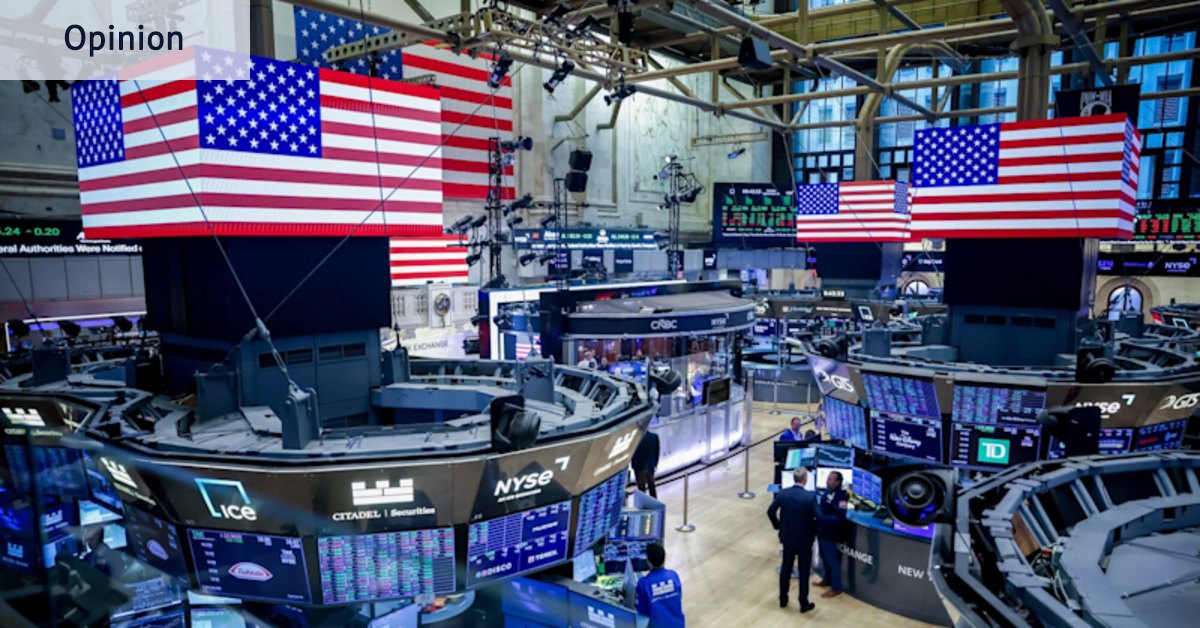
The world’s biggest debt markets are in the US, where there’s the $US32 trillion ($46 trillion) Treasuries market for government debt, a $US12 trillion-plus market for corporate debt and another $US2 trillion or so market for private credit.
asserted
markets → ’ → credit
The spreads between the yields on US government and investment grade corporate debt have risen slightly recently, but remain relatively tight.
asserted
spreads → rise → debt
Those on lesser-rated debt have been blowing out, with CCC and even lower rated bonds trading at double-digit percentage point margins over Treasuries.
asserted
CCC → rat → Treasuries
That’s happening in an environment where the yields on government debt have been rising so, for all but the higher-rated issuers, there’s the double-whammy of increased spreads against rising benchmarks.
asserted
yields → happen → benchmarks
The yields on the US and global benchmark bonds – US 10-year Treasuries – were at their lowest point for the year in late February, just before the US and Israel attacked Iran.
From 3.94 per cent then the yield has climbed to 4.82 per cent.
asserted
yield → attack → cent
The war, inflation and the expectation that the Federal Reserve Board will continue to raise US rates are part of the explanation for the rise.
asserted
Board → continue → rise
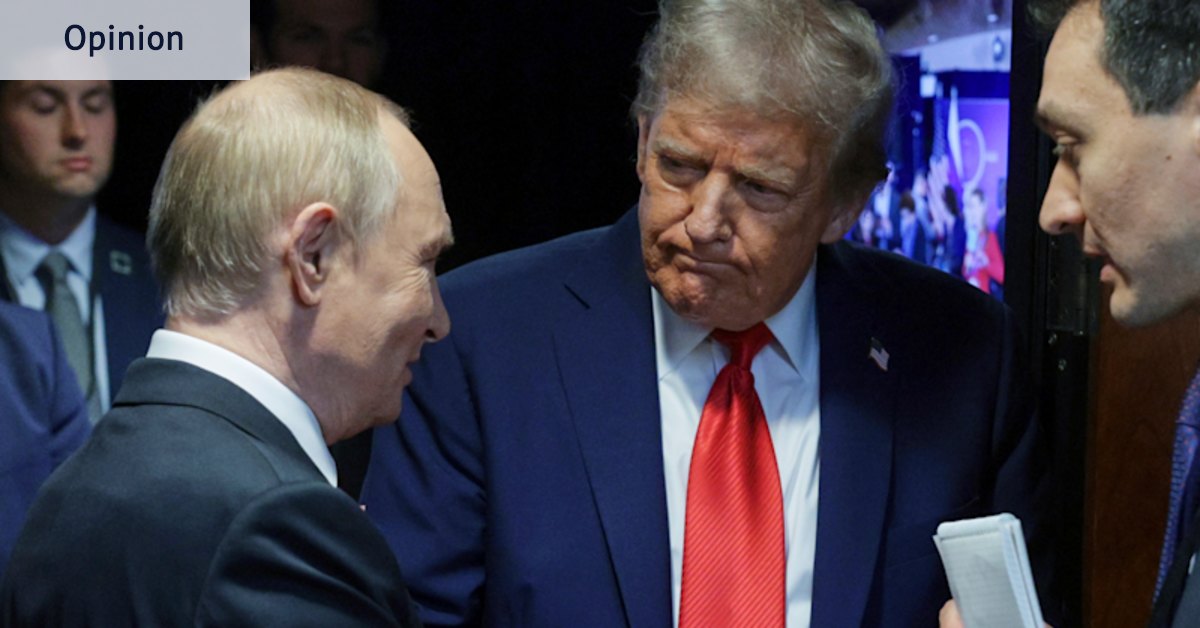
The other, perhaps more significant is the expansion in deficits and debt since Donald Trump regained the White House.
asserted
Trump → regain → House
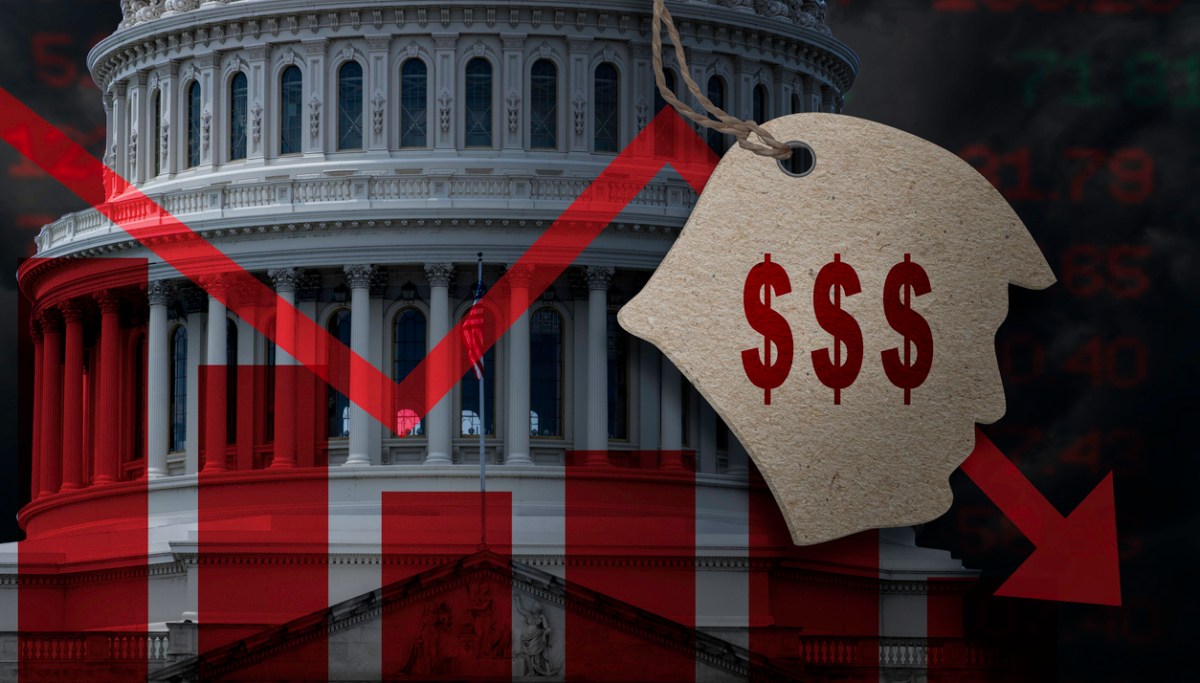
The deficit is now almost $US2 trillion, or 6 per cent of US GDP, and gross debt is more than $US40 trillion, or about $US4 trillion more than Trump inherited a little more than 18 months ago.
asserted
Trump → inherit → GDP
Not only has the perceived riskiness of the debt increased, but there’s more debt to be absorbed, even as sovereign buyers of US debt have been backing away from the market – the share of the market has fallen steadily and substantially, led by China, since the 2008 financial crisis – and been replaced by hedge funds and other private sources.
asserted
share → perceive → funds
The US will roll over about $US10 trillion of maturing debt this year and, thanks to the deficit, add about $US2 trillion of new issuance.
asserted
US → roll → issuance
That’s a lot of supply for the market to absorb.
asserted
market → ’ → supply
The increased yields on Treasuries have spilt over into the cost of corporate and private debt, even mortgages, where interest rates have been rising and are now in the mid-7 per cent range, roughly a percentage point higher than at the same time last year.
asserted
rates → increase → time
The supply of corporate debt has also been swelling.
asserted
supply → swell → debt
So far this year more than $US2 trillion of new corporate bonds have been issued, an increase of about 25 per cent on the same period last year.
asserted
trillion → issue → period
Increasingly, that issuance is being dominated by companies associated with the artificial intelligence investment boom.
asserted
issuance → dominate → boom
Already this year, AI companies have raised closed to half a trillion dollars of new debt.
asserted
companies → raise → debt
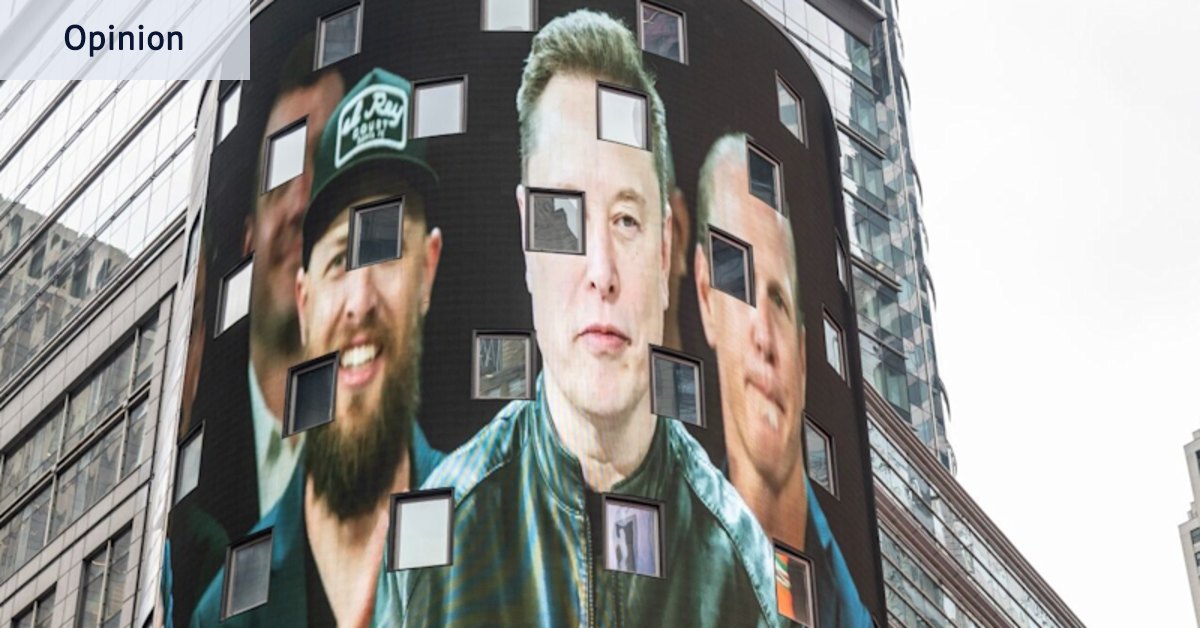
Elon Musk’s SpaceX’s experience reflects the broader story.
asserted
experience → reflect → story
It raised $US86 billion of equity via its initial public offering in June and then immediately raised another $US25 billion through a bond issue.
asserted
It → raise → issue
It’s now seeking a further $US40 billion.
asserted
It → seek → billion
That tells you something about the rate of cash burn being experienced by the AI pioneers, and the inability of equity markets to keep up with the demand for the capital being burnt.
asserted
That → tell → capital
As a group, AI hyperscalers will invest around $US750 billion this year, with expectations of another trillion dollars in each of the next two years.
asserted
hyperscalers → invest → years
Debt providers want collateral or pricing of the debt that reflects the riskiness of the borrower.
asserted
that → want → borrower
SpaceX’s initial bond issue attracted an investment grade rating, albeit the second-lowest BBB grade.
asserted
issue → attract → grade
The longest dated of those bonds – they mature in 2056 –
asserted
they → date → 2056
The cost of insuring that debt against default has also blown out, with credit default swaps costing 194 basis points, or $US19,400 a year for every $US1 million of debt held.
asserted
swaps → insure → debt
Oracle, the most leveraged of the hyperscalers, also has bonds trading with spreads well over 200 basis points and the cost of its five-year credit default swap has rocketed to more than 260 basis points, or $US26,000 per $1 million.
asserted
cost → have → million
AI has an insatiable appetite for capital.
asserted
AI → have → capital
Even the corporate bond market is being stretched to supply it.
asserted
market → stretch → it
The companies have also been tapping fellow AI companies, private credit and constructing quite elaborate structures to attract capital providers.
asserted
companies → tap → providers
A common feature of the sector is for one of the big chipmakers, like Nvidia or Broadcom, to lend the funds to frontier labs to buy their chips, with contracts whose lives probably outstrip the useful life of the chips in question.
It is also common for the hyperscalers to structure joint ventures within special purpose vehicles with private credit providers to raise the funding needed to construct data centres and equip them with the expensive chips and hardware required, leasing back the data centre’s capacity.
asserted
hyperscalers → lend → capacity
There’s a lot of leverage within AI beyond conventional debt, with collateral that may prove illusory if AI revenues don’t eventually – and sooner rather than later – start to rationalise the scale of the investments being made.
uncertain
revenues → ’ → investments
Similar threats of government and AI-related debt supply overwhelming demand are current globally, although the US is the epicentre for any potential flashpoint.
asserted
US → relate → flashpoint
The most likely breaking point for the markets – and AI and those pursuing it – would be a moment of disappointment or doubt over the rate or potential of AI to be commercialised and ultimately generate profits commensurate with the risks being accepted by the capital providers.
asserted
point → pursue → providers
There’s also a concern that, having shown no interest in stabilising federal government finances, the Trump administration will look for painless ways to manage the debt levels.
asserted
administration → ’ → levels
“Debasement,” or allowing inflation and manipulation of the Fed’s policy rate to keep rates artificially low, is often cited as a risk.
asserted
inflation → allow → risk
If there is to be crisis in debt markets it is likely to start in the US and probably start within the AI sector.
asserted
it → be → sector
The sector relies on access to ever-increasing volumes of equity and debt to fund investments that have to be made long before there is even a prospect of the high risk-adjusted returns that those providing the capital anticipate.
asserted
those → rely → capital
…and 1 more, not listed.
 The Aporia