Abdul Rahman Yasin, an Iraqi-American born in Indiana, is still at large after being involved in the 1993 World Trade Center bombing that killed six people and injured over 1,000. The FBI searched his New Jersey apartment, found incriminating evidence, but let him go twice before he fled the US. According to the article, Yasin has been on the FBI's most wanted list for 25 years with a reward of up to $5 million, claiming he was manipulated by Ramzi Yousef, the mastermind behind the bombing. The story highlights the government's handling of Yasin's case, with some officials acknowledging it as a "mistake" or "great embarrassment" that he was let go.
Written by the local model on 2026-09-11,
using this article's own text rather than the other coverage of the
same event (that is the story summary below).
Story summary
Rudy Giuliani, former New York City mayor, has called on current Mayor Zohran Mamdani to skip this year's September 11 memorial ceremony at Ground Zero. In an interview with the right-leaning Newsmax TV, Giuliani criticized Mamdani's decision to attend, citing his Muslim faith and expressing that it offends him personally. Mamdani, who is set to mark the 25th anniversary of the attacks, has said he will participate in the ceremony as well as several other events honoring the families of those killed and first responders affected by the September 11 attacks.
The controversy around Mamdani's attendance has gained traction with a petition signed by approximately 110,000 people urging him to stay away from the event. Some victims' families believe his presence could detract from the solemn purpose of the remembrance day due to past associations and statements made by officials in his administration.
Despite the calls for him to remain absent, Mamdani insists on attending, emphasizing his commitment to honoring those who lost their lives and supporting first responders. This year's memorial will feature a drone light show illuminating the Manhattan skyline, with one light for each of the nearly 3,000 people killed in the attacks.
Written for “9/11 Anniversary Controversies” on 2026-09-17,
grounded in this article and the 167 other(s) covering the same event.
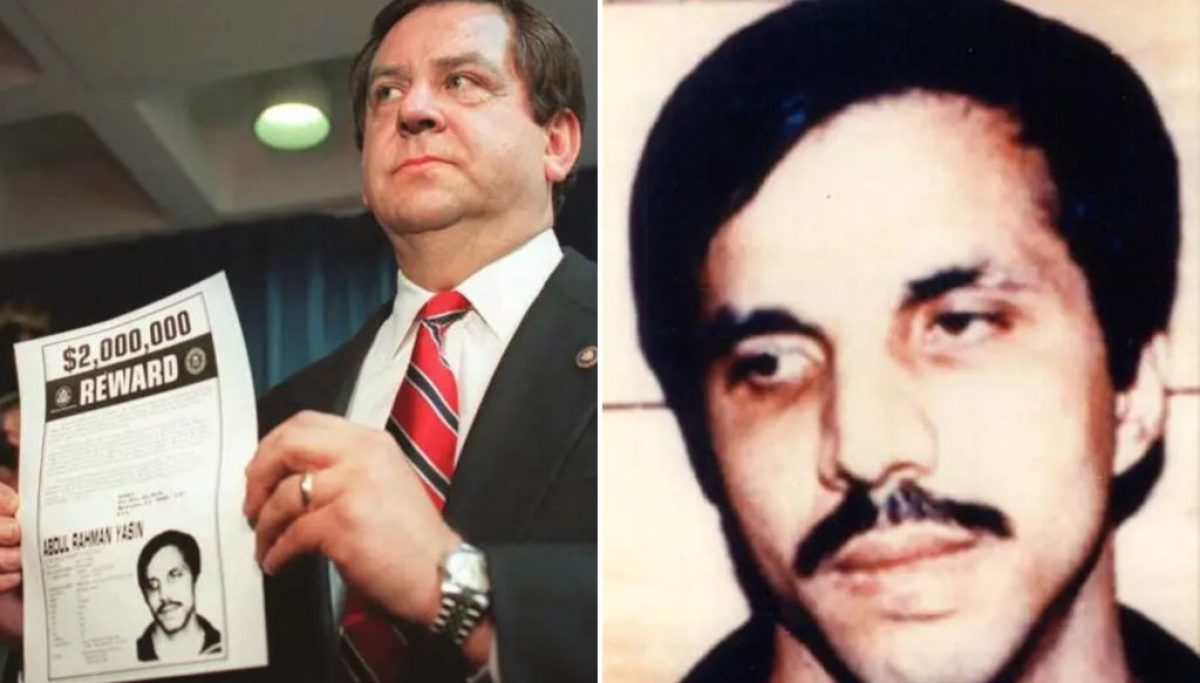
A man born in Indiana who admitted playing a significant role in the first World Trade Center attack remains at large more than three decades after the 1993 bombing.
asserted
who → bear → bombing
The story of Abdul Rahman Yasin is remarkable and baffling in a number of ways, most notably in how the Iraqi-American got away.
asserted
American → get → ways
The FBI searched Yasin’s New Jersey apartment following the terrorist attack, found incriminating evidence, and subsequently let him go — twice.
asserted
him → search → evidence
He then fled the United States, and years later, Bush administration officials cited Yasin, who was raised in Baghdad, as proof that Iraq was involved in 9/11.
asserted
Iraq → flee → 9/11
In 2002, Yasin was interviewed by 60 Minutes, where he detailed how he helped put the massive bomb together that was put in a rented van and exploded in a garage in the North Tower.
asserted
that → interview → Tower
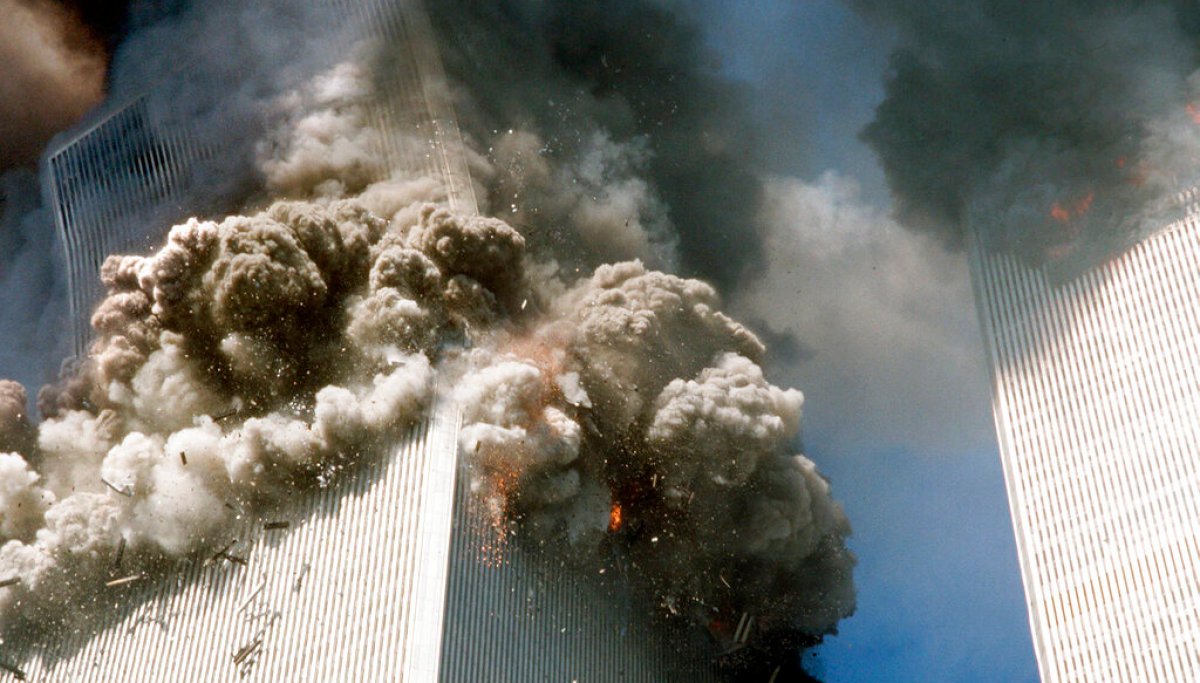
Six people were killed, and more than 1,000 people were injured.
asserted
people → kill → ?
After the CBS interview, Yasin has not been seen publicly.
asserted
Yasin → see → interview
The U.S. invaded Iraq in March 2003.
asserted
U.S. → invade → March
Yasin, who was born in 1960, has been on the FBI’s most wanted list for the last 25 years with a reward of up to $5 million.
asserted
who → bear → million
Yasin claimed he was manipulated by Ramzi Yousef, the mastermind who built the bomb.
asserted
who → claim → bomb
Yousef befriended Yasin when they both lived in an apartment complex in Jersey City, New Jersey.
asserted
they → befriend → City
Initially, Yousef wanted to bomb Jewish neighborhoods in Brooklyn, but then opted to target the World Trade Center, according to Yasin.
uncertain
Yousef → want → Yasin
The plan was for the bomb to trigger the North Tower to fall into the South Tower.
asserted
bomb → trigger → Tower
After his arrest in 1995, Yousef vowed that the towers would be targeted again and fall at a later date.
asserted
towers → vow → date
Khalid Sheikh Mohammed, Yousef’s uncle, helped devise the 9/11 plot that took both towers down eight years later.
asserted
that → devise → towers
The 1993 bombing should have been seen as a “wake-up call,” former New York Police Commissioner Ray Kelly said.
asserted
Kelly → see → call
He and other national security experts lamented that more steps weren’t taken to prevent 9/11.
asserted
steps → lament → 9/11
Yasin is said to be the only terrorist who was not apprehended in the 1993 bombing.
asserted
who → say → bombing
Yet, Harvey Kushner, who worked on the 1993 case, disputes that claim.
uncertain
who → work → claim
Kushner, a widely recognized terrorism expert who worked closely with the FBI in 1993, told the Washington Examiner that Yasin wasn’t the only one who dodged justice.
asserted
who → recognize → justice
He mentioned there were unindicted co-conspirators, though they aren’t on the FBI’s most wanted list.
asserted
they → mention → list
There were many opportunities for U.S. officials to arrest Yasin.
asserted
officials → be → Yasin
The FBI said Yasin voluntarily gave them valuable information about the bombers, and that was part of the agency’s rationale not to detain him.
asserted
that → say → him
Neil Herman, a former FBI official who helped lead the 1993 investigation, admitted to “60 Minutes” that letting Yasin go was a “mistake.”
asserted
Yasin → help → Minutes
Kushner said letting Yasin slip away was a “great embarrassment” for the FBI.
asserted
Yasin → say → FBI
Both Herman and Kushner indicated some within the bureau didn’t want to let Yasin go free.
asserted
Yasin → indicate → bureau
Iraq arrested Yasin and offered him to the U.S. during the Clinton administration, though, because of incompetence or miscommunication, Yasin was not turned over.
asserted
Yasin → arrest → incompetence
A month after 9/11, Iraq again told the U.S. it was willing to deliver Yasin, though distrust and a breakdown in negotiations again kept Yasin from being in U.S. custody.
asserted
distrust → tell → custody
In his 60 Minutes interview, which was conducted from an Iraqi prison, Yasin said no one from Iraq told him to go to terrorize the U.S.
asserted
one → conduct → him
Yasin also said he was “very sorry” for what he did.
asserted
he → say → what
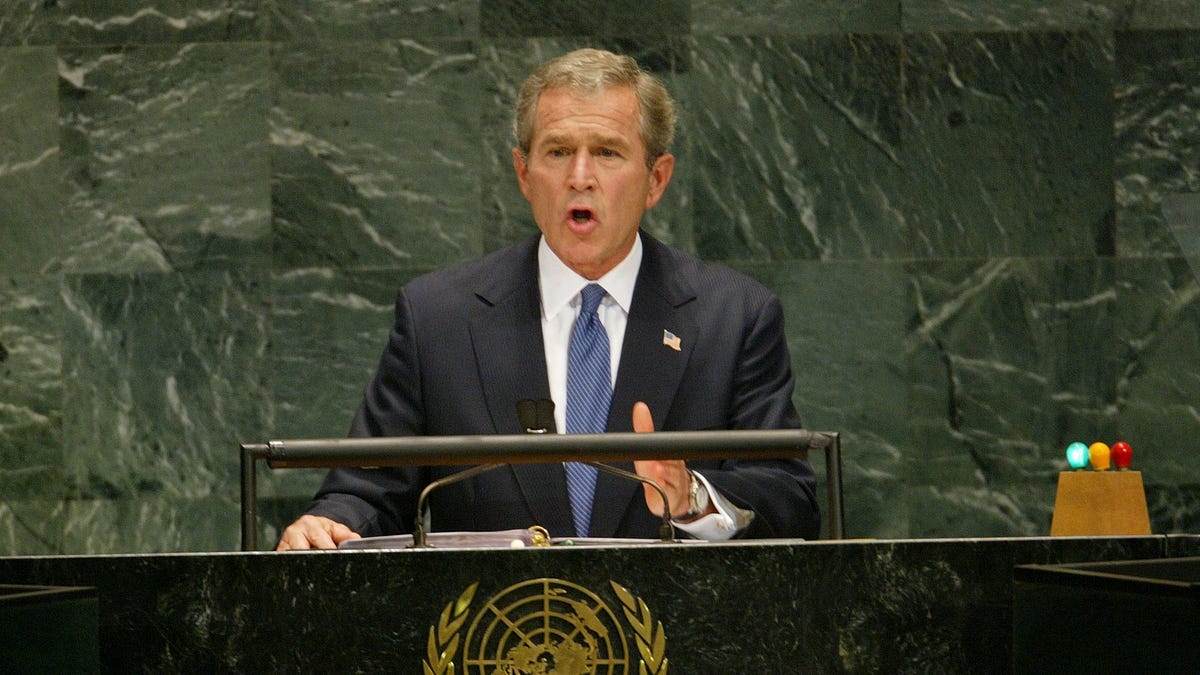
Former President George W. Bush, former Vice President Dick Cheney, CIA director James Woolsey, and some lawmakers cited Yasin in making the case that the Iraqi government was involved in 9/11.
asserted
government → cite → 9/11
Then-Secretary of State Colin Powell, however, didn’t mention him when he delivered his historic 2003 address to the United Nations that spelled out the U.S. rationale for invading Iraq.
asserted
that → mention → Iraq
The 9/11 Commission also doesn’t mention Yasin in its report.
asserted
Commission → mention → report
While Yasin did help kill Americans, he wasn’t a major player in the Yousef scheme, Kushner said.
asserted
Kushner → help → scheme
Twenty-five years after 9/11, there are some unanswered questions about the terrorist event that upended global politics, most notably whether Saudi Arabia was aware of the plot.
asserted
Arabia → be → plot
Kushner said there are legitimate reasons why some information hasn’t yet been released to the public.
asserted
information → say → public
Asked if that classified material is newsworthy, Kushner said it is and indicated more information will likely be released eventually in the years to come.
asserted
information → ask → years
 The Aporia