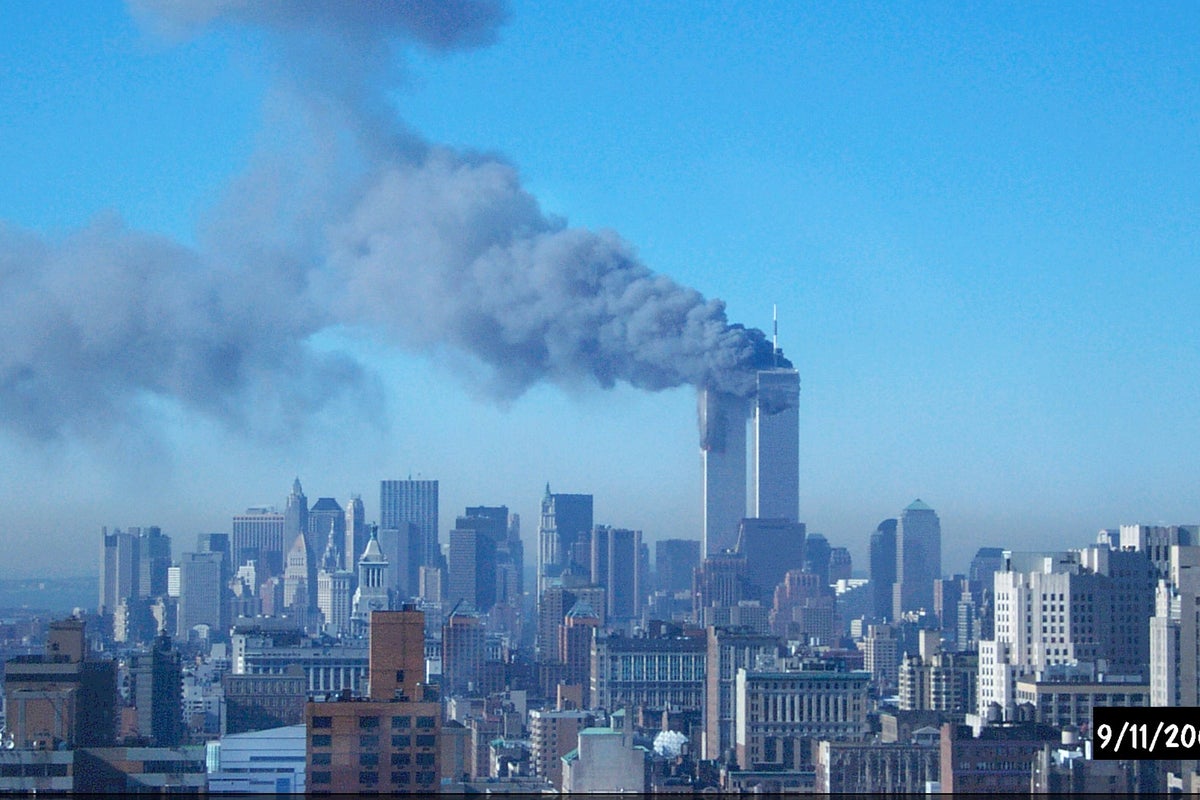
After 9/11, country music star Alan Jackson wrote a haunting song, “Where Were You When the World Stopped Turning?”
asserted
World → write → song
A full 90% of Americans over 30 know — do you?
asserted
you → know → 30
My own 9/11 memory is wracked with survivor’s guilt.
asserted
memory → wrack → guilt
If not for a last-minute change of travel plans to guest on a late-night political talk show, I would have been on American Airlines Flight 77 when it was flown into the Pentagon by a group of demonic jihadi murderers.
asserted
it → guest → murderers
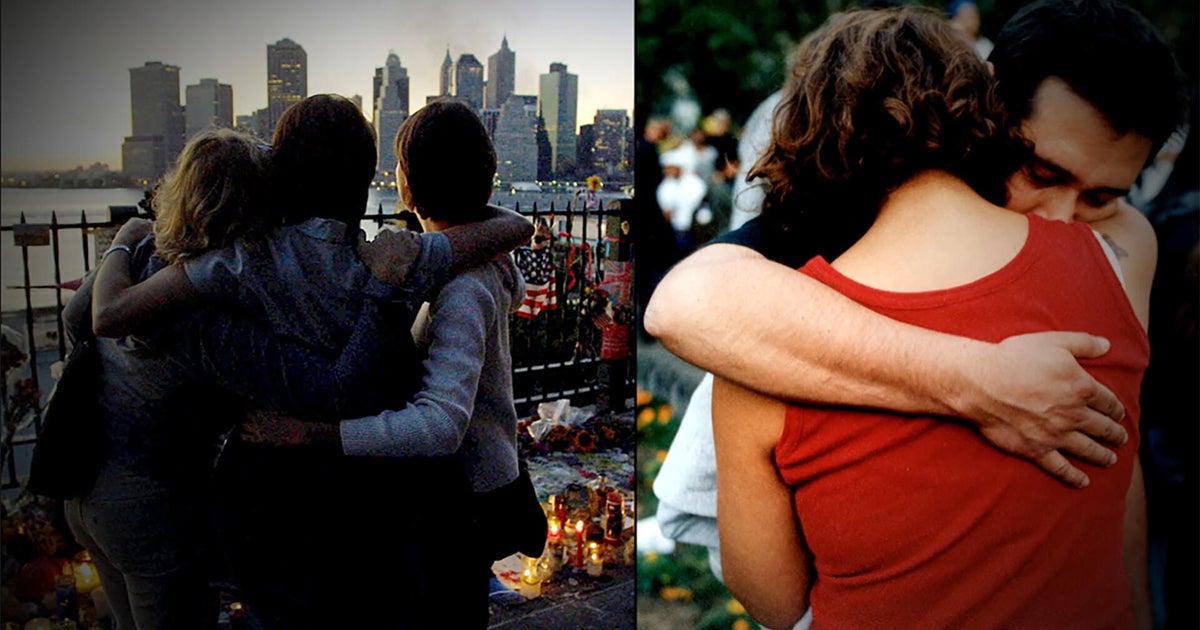
It is indeed a shared form of national PTSD.
asserted
It → share → PTSD
But memory does not automatically pass from one generation to the next.
asserted
memory → pass → next
It has to be shared, and with every passing year, fewer Americans have a lived memory of Sept. 11, 2001, and recollection of its terror.
asserted
Americans → have → terror
Roughly 100 million Americans (30%) were born after 9/11, and another 7% were under the age of 5 that day.
asserted
% → bear → 5
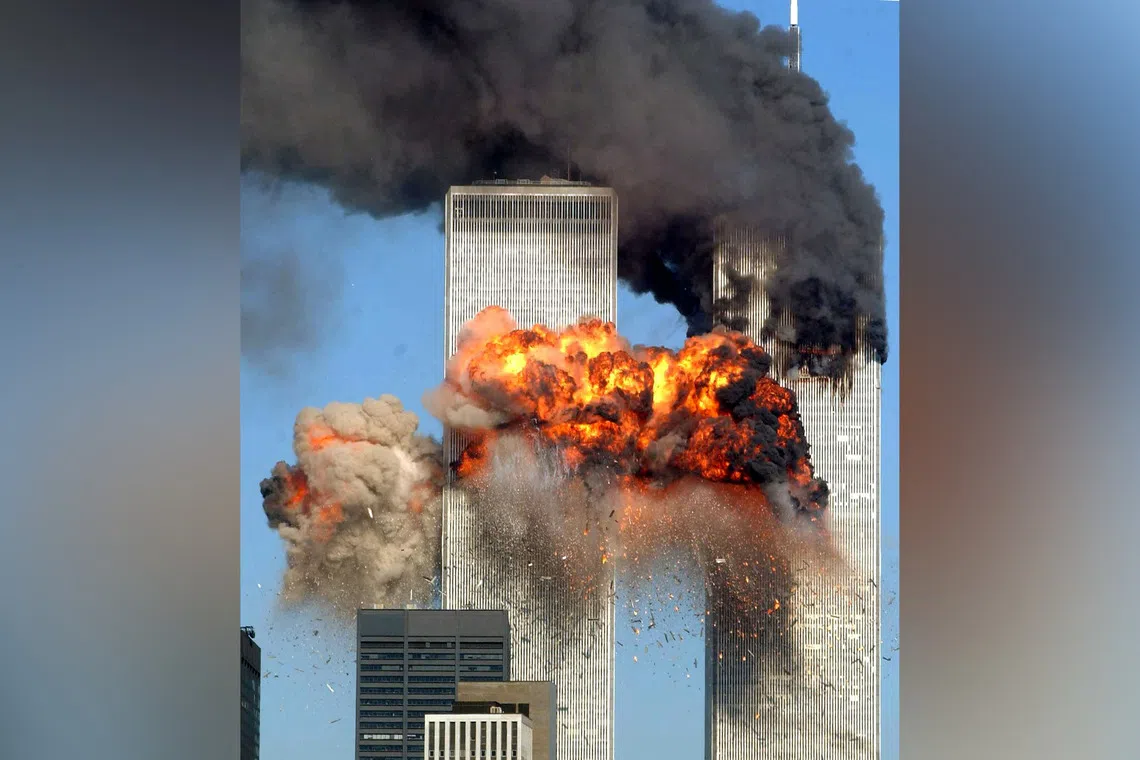
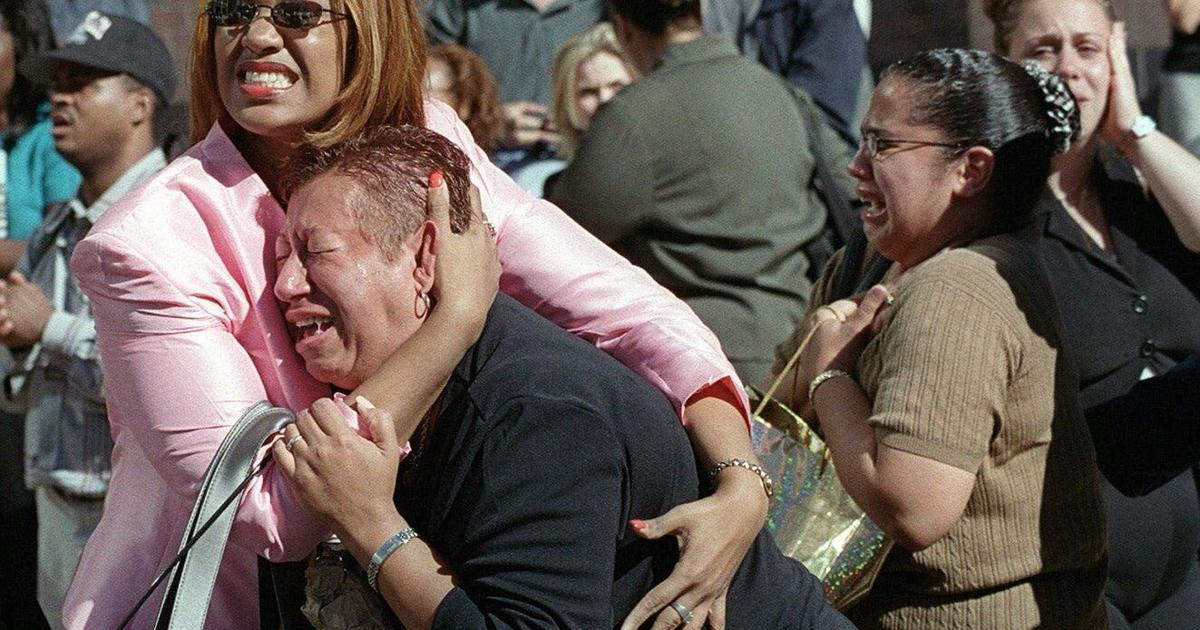
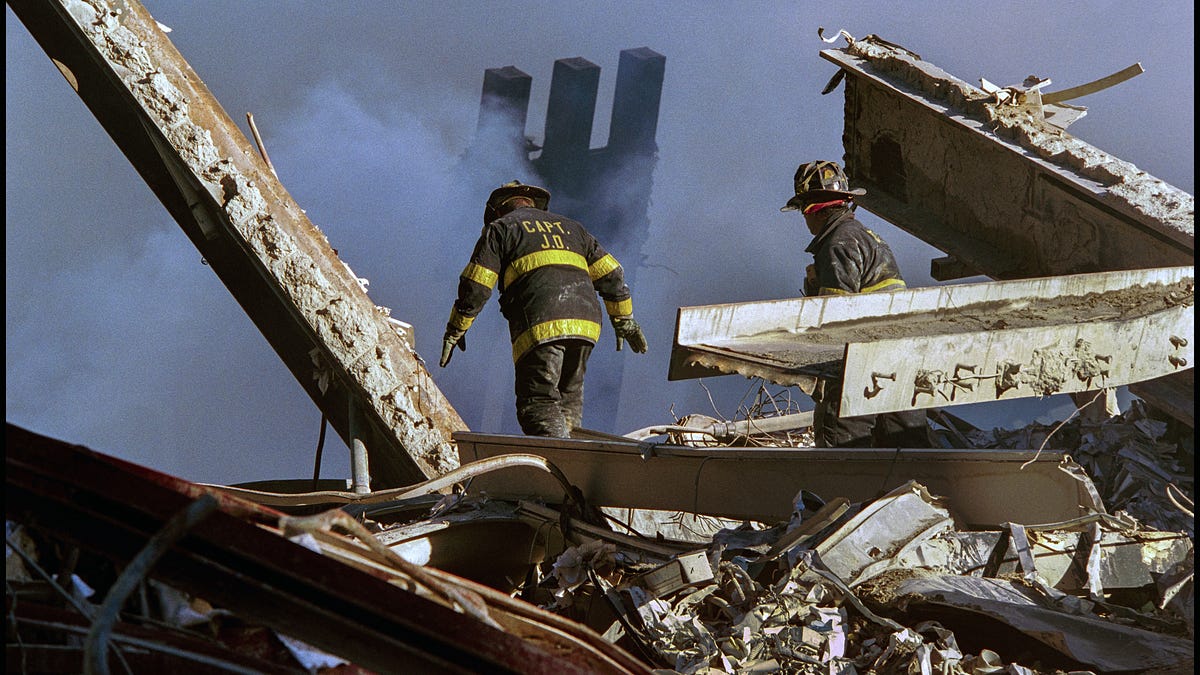
For them, September 11 is a series of detached images of airplanes, falling towers, and survivors covered in soot running toward safety.
asserted
September → fall → safety
They know the basic facts.
asserted
They → know → facts
But many have not internalized the story.
asserted
many → internalize → story
They don’t feel the story.
asserted
They → feel → story
The question is how to impart, with intentional and deliberate national purpose, what we endured to a generation that wonders why parents or grandparents cry through 9/11 remembrance shows every year.
asserted
parents → impart → 9/11
The danger did not disappear when the smoke cleared from Ground Zero.
asserted
smoke → disappear → Zero
National security, lawful and controlled immigration, vigilance against violent Islamist extremism, and opposition to Sharia law remain essential.
asserted
security → control → law
America cannot allow any of these to undermine the freedoms and constitutional principles that define it, or it will fall like the towers.
asserted
it → allow → towers
According to a recent Harvard Youth Poll, young Americans see themselves in an era of political extremism and declining faith in institutions that bind a free society.
uncertain
that → accord → society
Add the woke ethos of universities and social media that presents violent aggressors as misunderstood victims, and the result is a generation either numb to terror threats or marginally sympathetic to the perpetrators.
asserted
result → add → perpetrators
That generational distance matters when viewing the disturbing enthusiasm some younger Americans show for candidates like Zohran Mamdani and Abdul el Sayed.
asserted
Americans → matter → Mamdani
New York voters under 29 put Mamdani over the top with 75% of their votes, and el Sayed is tapping into the disaffection captured in the Harvard poll with his outreach to younger generations.
asserted
Sayed → put → generations
That so many young people are buying into anti-liberty, destructive, and radical politicians’ messages, and that of the Democratic Socialists of America, is an indictment of the country’s collective memory and shows the danger of historical amnesia.
asserted
buying → buy → amnesia
Freedom still means the right to worship, speak, and live under laws that protect individual liberty.
asserted
that → mean → liberty
Religious tyranny, such as Islamic extremism, replaces those freedoms with submission enforced by coercion.
asserted
tyranny → replace → coercion
Young Americans should understand that distinction — not as an abstract political argument, but as one of the central lessons of 9/11.
asserted
Americans → understand → 9/11
If they understand what was attacked, what was defended, and what remains at stake, they will be prepared to carry the torch of freedom forward.
asserted
they → understand → freedom
It is incumbent on those who do remember to retell it from the most personal place possible.
asserted
who → remember → place
How hard they cried.
asserted
they → cry → ?
How they honored those who signed up to take the fight to the terrorists in the ensuing weeks.
asserted
who → honor → weeks
We must share ourselves, not just photos.
asserted
We → share → ourselves
Because no matter where we were that day, we are all part of the story, and our personal memories make history real in a way textbooks cannot.
asserted
textbooks → make → way
We won’t be here forever to share why remembering 9/11 will always matter for the preservation of a free America.
asserted
remembering → share → America
Our memories must be passed along by talking about 9/11 around the dinner table, watching shows marking the event (age-appropriately, of course) with young family members, and expressing personal feelings during each frame.
asserted
memories → pass → frame
We cannot simply ask a generation that did not experience 9/11 to “never forget” something they didn’t live through, but give them their own personal reasons to remember.
asserted
they → ask → reasons
The attack did not just leave a mark on those in New York, D.C., or Shanksville, but on mom and dad, aunt and uncle, grandma and grandpa, as we sat for a week straight staring in irreversible disbelief at our TV screens.
asserted
we → leave → screens
Even for those who don’t remember, 9/11 is their legacy.
asserted
9/11 → remember → those
Because the price of freedom is indeed eternal vigilance and a torch that can only pass through the lessons of history.
asserted
that → pass → history
 The Aporia