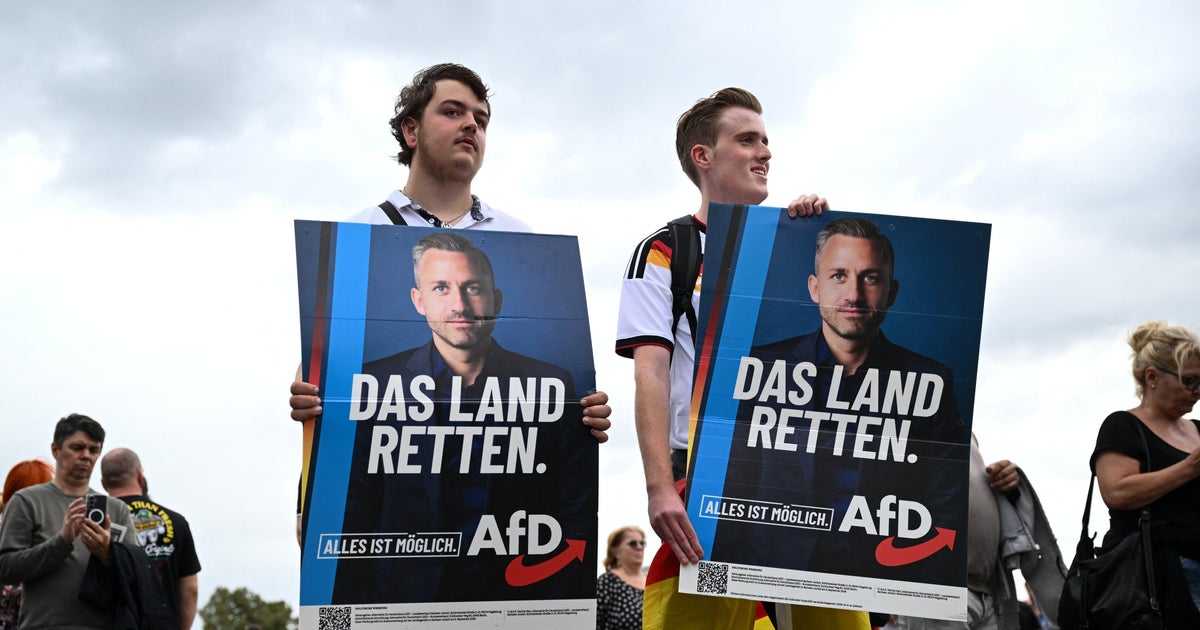
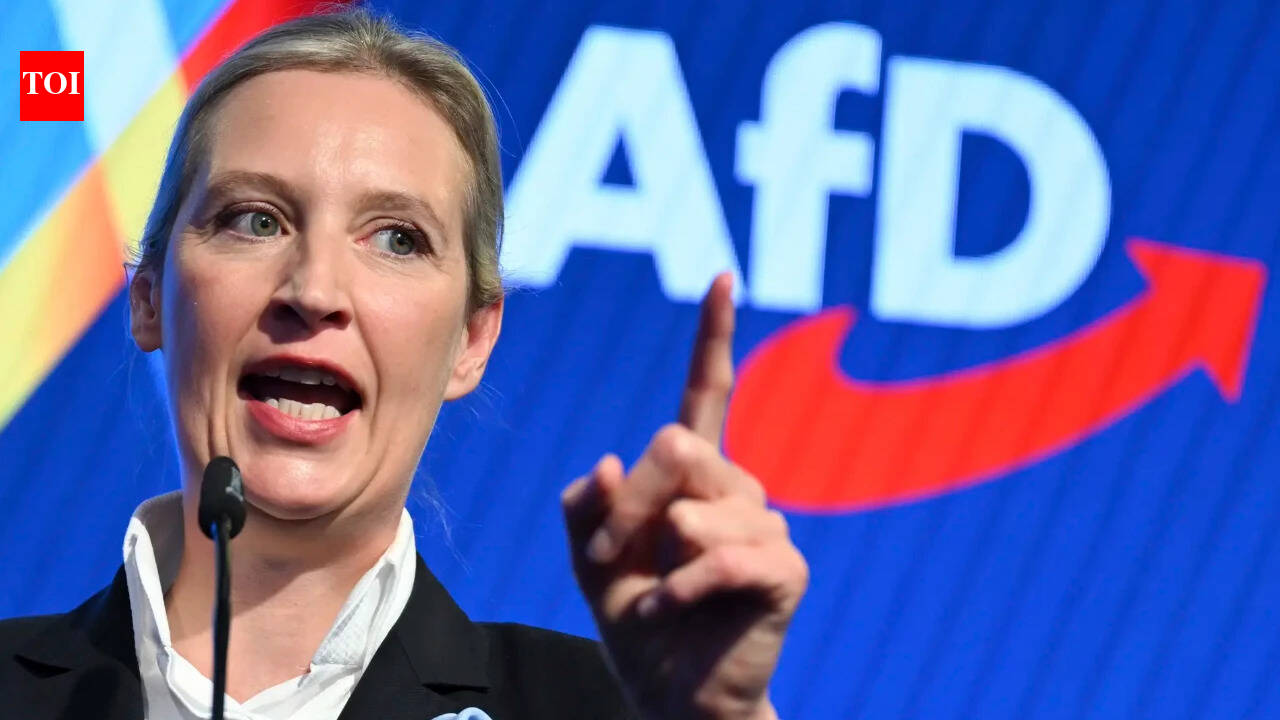
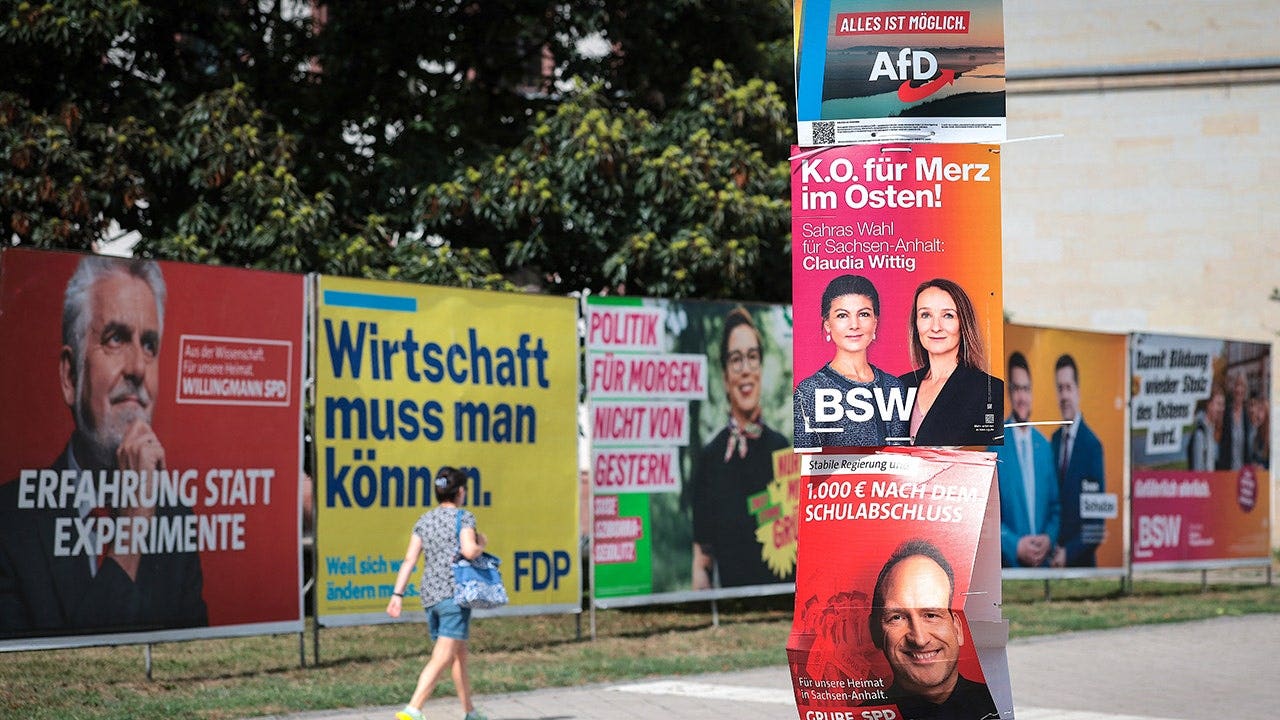
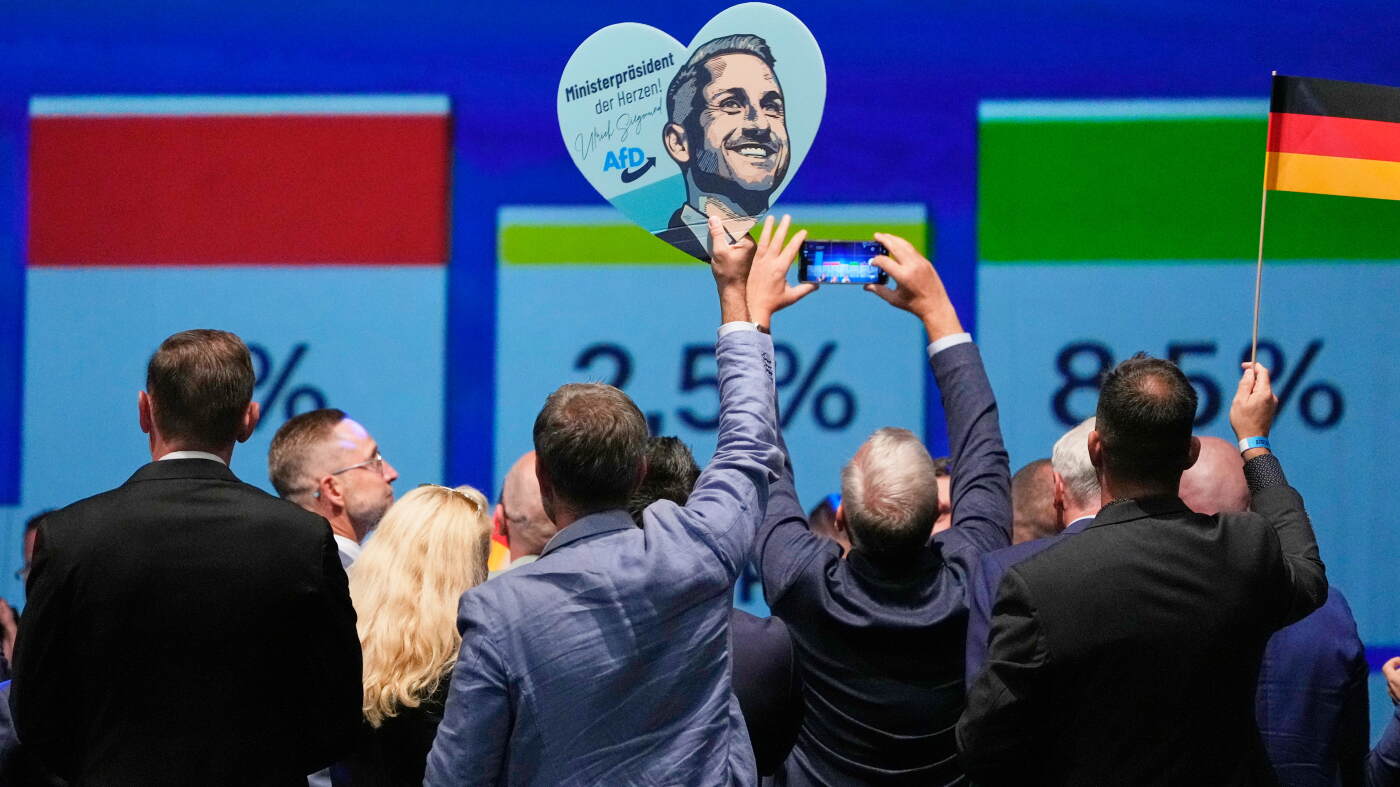
The nationalist Alternative for Germany (AfD) party won 43.8% of the vote in Saxony-Anhalt state election, prompting nationwide alarm and concerns among people of Turkish origin. Gökay Sofuoglu, co-chair of the Turkish Community in Germany, said some business owners are considering leaving Germany due to fears of a rise in nationalist violence. The AfD's victory is seen as a threat to democracy in Germany, with 43.8% of votes being the highest share of any party in Saxony-Anhalt state election. Experts argue that addressing the root causes of the AfD's popularity, rather than just condemning it, is crucial to preventing further nationalist violence and extremism.
Written by the local model on 2026-09-11,
using this article's own text rather than the other coverage of the
same event (that is the story summary below).
Why this leaning score
The model judged this article politically coded and scored it -0.65, but none of the 4 quote(s) it offered could be found in the article text, so the score is not published.
Written under an earlier scoring contract, which gave a paragraph
rather than checkable quotes. Re-analysing this article replaces it.
Leaning score withheld for article 7712: no verified evidence · logged 2026-09-11
The nationalist Alternative for Germany (AfD) party's 43.8% share of the vote in the state election in Saxony-Anhalt has prompted nationwide alarm.
asserted
share → prompt → alarm
Gökay Sofuoglu, the co-chair of the Turkish Community in Germany (TGD), told DW that business owners he has spoken with in Saxony-Anhalt have been especially alarmed.
asserted
he → tell → Anhalt
"After the AfD's success, some were thinking of shutting up shop and leaving, first Saxony-Anhalt, then Germany," Sofuoglu said.
asserted
Sofuoglu → think → Anhalt
He said that initial response was emotional.
asserted
response → say → ?
"We've had a chance to speak to some of them again since," Sofuoglu said.
asserted
Sofuoglu → have → them
"They're going to wait and see: They're waiting for the formation of a government."
asserted
They → go → government
'Problem for Germany'
Sofuoglu said people of Turkish descent in Saxony-Anhalt regard the rise of the AfD "as a problem for Germany as a whole."
asserted
people → say → whole
He said the party's election win was a threat to the stability of democracy in Germany.
asserted
win → say → Germany
Although the AfD campaigns heavily against migration, Sofuoglu said he believed that the party's true target is Germany's constitution.
asserted
target → campaign → migration
He said many people of Turkish origin were inclined to see the party's election win as an immediate threat to their communities rather than look at the AfD's wider aims.
asserted
people → say → aims
"Much as the rise of the AfD affects us, this is a generally anti-democratic development, and we, along with all democratic forces, must act to counter it," he said.
asserted
he → affect → it
The AfD's victory has also raised concerns about an increase in nationalist violence within Germany.
asserted
victory → raise → Germany
"There's a fear that the coming days could see more attacks like the ones carried out by the National Socialist Underground, and that there will be no clarification of what's behind them," Sofuoglu said, referring a yearslong neo-Nazi terror spree in Germany.
uncertain
Sofuoglu → be → Germany
Grasping the root
A feared increase in nationalist violence is only one part of the discussion.
asserted
increase → grasp → discussion
"I don't think that just being concerned achieves anything," Alaz Sümer, a lawyer who works with a nongovernmental organization in Berlin, told DW.
asserted
who → think → DW
"You have to think about the causes.
asserted
You → have → causes
I don't think the established parties have sufficiently addressed the problems that allowed the AfD to become so strong.
asserted
AfD → think → problems
Sümer came to Germany nine years ago to study.
asserted
Sümer → come → Germany
He's currently working on a PhD about extreme-right political parties, and advises people from migrant communities on how to get their international qualifications recognized in Germany.
asserted
qualifications → work → Germany
"Saying 'the AfD is bad, the AfD is dangerous' is the easy way," Sümer said.
asserted
Sümer → say → ?
"We already know that."
asserted
We → know → that
Win no surprise
Irmak, who asked that her real name not be used, moved to the eastern city of Leipzig to study 12 years ago.
asserted
name → win → Leipzig
She said the AfD's victory was worrying, but not a surprise.
asserted
victory → say → ?
"It was to be predicted that the far right would do well, and would emerge from the election as the strongest party," Irmak said.
asserted
Irmak → predict → party
"But the ground for this result was also prepared by government policies not addressing citizens' needs."
asserted
ground → prepare → needs
Irmak said the rise of the AfD would not address Germany's structural problems.
asserted
rise → say → problems
"Even with a change of government, it won't alter the need for workers and young people," she said, "especially not in a state with an elderly population, like Saxony-Anhalt.
asserted
she → alter → Anhalt
Sümer said German authorities would need to be cautious in dealing with the AfD, which he called an extremist party that is now "a reality in Germany."
asserted
that → say → Germany
He said banning the AfD, as many have called for, would only make the party stronger.
asserted
party → say → AfD
If the AfD were banned, Sümer said, a new party would be founded, and more extremist members might fall in with less-visible organizations.
uncertain
members → ban → organizations
That would make Germany "even more uninhabitable" for migrants, he said.
asserted
he → make → migrants
Sümer said Germany's other parties should engage with AfD voters to understand their motives.
asserted
parties → say → motives
He said the problem of racism in Germany was bigger than just the AfD, and that the issues that migrants face withing the country were not created by to the party.
asserted
migrants → say → party
According to the Federal Statistical Office, Saxony-Anhalt had a population of about 2.1 million people in 2025.
uncertain
Anhalt → accord → 2025
Approximately 249,000, or just over 10%, had a migration background; 6,120 were people of Turkish origin.
asserted
6,120 → have → origin
This article was originally written in German.
asserted
article → write → German