Petrol prices in Australia surpassed $2.40 a litre, marking the highest level since early February, due to escalating tensions in Iran which threaten global oil supplies. The Australian Institute of Petroleum reports that regular unleaded petrol rose by an average of 3¢ per litre over the past week to nearly $2.41, while diesel prices slightly decreased but remain high at $2.83 a litre. Analysts attribute the price surge to increased attacks on oil tankers and conflicts in strategic shipping lanes in the Middle East, raising concerns about potential shortages despite recent efforts by major economies to release stockpiled fuel reserves.
Written locally by qwen2.5:14b on 2026-10-12,
using this article's own text rather than the other coverage of the
same event (that is the story summary below).
Story summary
Petrol prices in Australia surpassed $2.40 per litre for the first time in six months due to escalating tensions in the Middle East, particularly around Iran and its proxies' attacks on oil tankers near the Strait of Hormuz. These developments have heightened fears of a global oil shortage. While diesel prices eased slightly by 1¢ per litre to $2.83, both petrol and diesel remain at high levels unseen since early in the conflict. The Group of 7 countries announced plans to release 100 million barrels of crude oil from their strategic stockpiles, equivalent to one day's global demand, but this move has not yet alleviated supply concerns. Analysts like Vivek Dhar from Commonwealth Bank warn that Iran’s actions are aimed at exerting control over the region’s oil production, exacerbating fears about shipping lanes crucial for energy exports.
Written for “Petrol Prices Surge” on 2026-10-12,
grounded in this article and the 0 other(s) covering the same event.
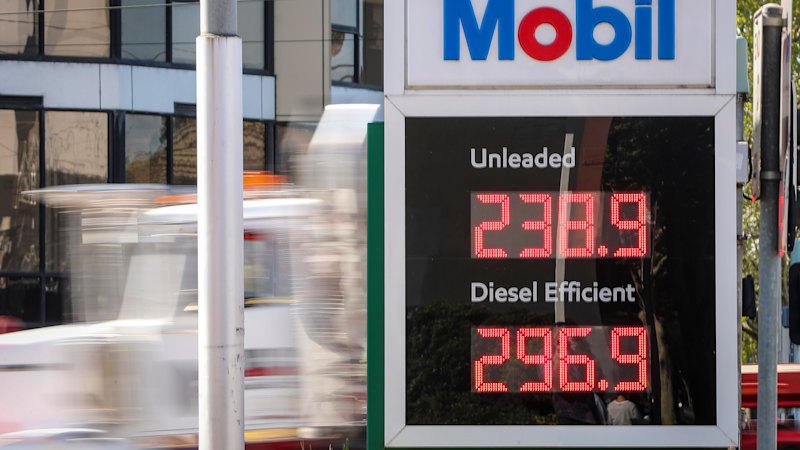
The price of petrol in Australia has climbed above $2.40 a litre for the first time in more than six months, as an escalation of the Iran war deepens fears of a global oil shortage.
asserted
escalation → climb → shortage
At service stations across the country, the national average for regular unleaded rose by an average of 3¢ a litre over the past week to nearly $2.41, according to new figures from the Australian Institute of Petroleum.
uncertain
average → rise → Petroleum
While local diesel prices eased by 1¢ a litre to $2.83, they also remain at levels not seen since the early stages of the conflict.
asserted
they → ease → conflict
The price pain for local motorists comes amid mounting threats to crude oil and refined fuel exports from the energy-rich Persian Gulf.
asserted
pain → come → Gulf
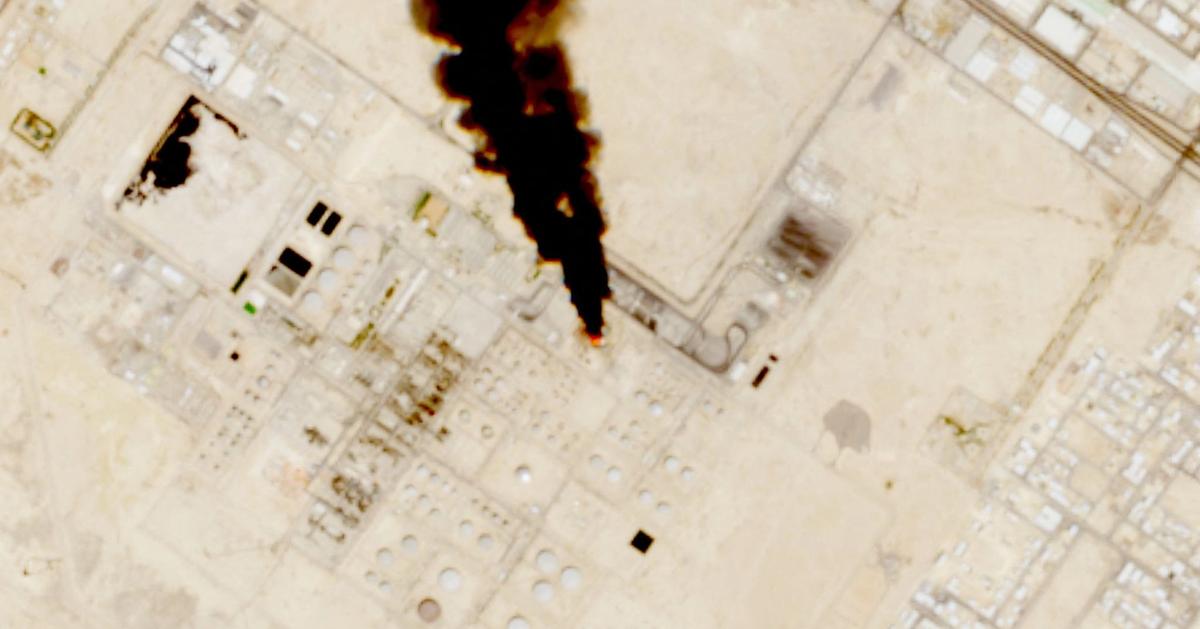
A recent surge in attacks on oil tankers in and around the Strait of Hormuz, alongside renewed conflict between the Iran-backed Houthis and Saudi Arabia in the Red Sea, is stoking concerns in the industry about crucial shipping lanes.
asserted
surge → renew → lanes
“Iran and its proxies in the Middle East have stretched the war front to demonstrate control over the region’s oil production,” said Vivek Dhar, energy and mining commodities analyst at the Commonwealth Bank.
asserted
Dhar → stretch → Bank
The risk of a broader regional fallout intensified over the weekend following deadly attacks on Riyadh’s main airport, sending global crude benchmark Brent oil surging as high as $US105 ($150) a barrel.
asserted
oil → intensify → US105
Worries about the volatile situation in the Middle East are threatening to override hopes that a deal between US President Donald Trump and Russian President Vladimir Putin to partially ease the US ban on Russian diesel could help relieve tightening supplies and lower prices ahead of the US midterm elections.
uncertain
deal → threaten → elections
Combined diesel exports from the Middle East and Russia, which previously accounted for 45 per cent of seaborne diesel supply, have “reduced meaningfully” since the Iran war began at the end of February, analysts said.
asserted
analysts → account → February
“If these exports do eventuate, it will provide some relief to a market that is facing diesel shortages,” Dhar said.
asserted
Dhar → eventuate → shortages
“But much will likely depend on Ukraine’s ongoing attacks on Russian oil infrastructure.”
asserted
much → depend → infrastructure
The modest reprieve in Australian diesel prices in the past week follows a recent $US7-a-barrel decline in Singapore Gasoil, the regional benchmark in Asia, which influences local costs.
asserted
which → follow → costs
Peter Khoury, a spokesman for the NRMA, said it was likely that these falls were triggered by the announcement from the Group of 7 countries – the US, France, Italy, Germany, Britain, Canada and Japan – to release 100 million barrels of diesel and crude oil from their strategic stockpiles last week, which is equivalent to about one day of global demand.
asserted
which → say → demand
“We believe the Gasoil drops are a result of that,” he said.
asserted
he → believe → that
“But we are waiting to see how the Asian markets react to what happened in Riyadh.”
asserted
what → wait → Riyadh
Federal Energy Minister Chris Bowen on the weekend said Australia does “not want or need” to follow the US in sourcing diesel from Russia.
asserted
Australia → say → Russia
Australia and other Western nations have imposed bans on imports of Russian oil and refined fuels to starve the Kremlin of revenue it needs to keep funding the war in Ukraine.
asserted
it → impose → Ukraine
While acknowledging that “situation internationally remains difficult”, Bowen said Australia continues to have more than enough fuel, with 43 days’ worth of petrol and 31 days’ worth of diesel still stashed in reserves across the country, and dozens of tankers booked to bring in more fuel over the coming weeks.
asserted
dozens → acknowledge → weeks
The NRMA agreed that Australia’s supply levels remained healthy.
asserted
levels → agree → ?
“Supply continues to arrive,” Khoury said.
asserted
Khoury → continue → ?
“There’s nothing to suggest that’s going to change.”
asserted
that → ’ → ?
The Business Briefing newsletter delivers major stories, exclusive coverage and expert opinion.
asserted
newsletter → deliver → stories
 The Aporia