That is 0 articles you have read today.
The Aporia is free and carries no advertising, so readers are the only
thing paying for it. If you are getting this much out of it, a small
donation is what keeps it independent.
Daily limit reached
You have read 0 articles today.
That is more than the 15 a day The Aporia gives away,
and well past what it can carry on nothing. Your allowance resets at
midnight.
There is no advertising here and nothing about you is sold, so readers
are the only thing paying for it. If the site is worth this much of
your day, it is worth a few dollars.
Everything else stays open: the
maps, the
directory and
search do
not count against this, and neither does re-opening something you have
already read today.
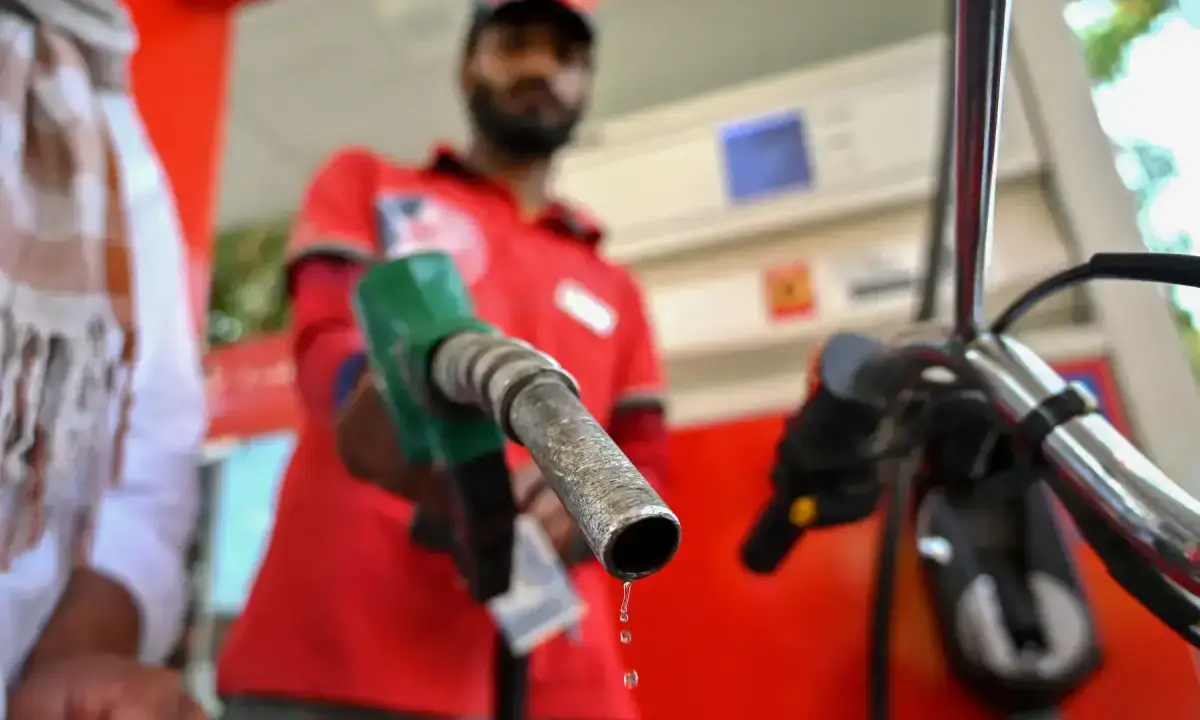
The government increased petrol prices by Rs2.31 per litre and high-speed diesel (HSD) by Re0.78 per litre, effective October 9. Petrol will now cost Rs398.96 per litre while HSD will be priced at Rs395.72 per litre. These changes follow a pattern of daily price adjustments based on international market trends and come as part of austerity measures in response to the Middle East conflict, including reduced fuel allocations for official vehicles and earlier market closures.
Written locally by qwen2.5:14b on 2026-10-08,
using this article's own text rather than the other coverage of the
same event (that is the story summary below).
Story summary
The Government of Pakistan raised the price of petrol by Rs2.31 per litre and high-speed diesel (HSD) by Re0.78 per litre, effective October 9, 2023. Petrol will now retail at Rs398.96 per litre, while HSD will cost Rs395.72 per litre. Taxes and duties remain unchanged: Rs114 per litre on petrol and Rs100 per litre on diesel.
These price revisions follow weekly updates since early March, as the government implemented conservation measures amid concerns about potential oil supply disruptions due to conflicts in the Middle East. The highest recorded prices for HSD were Rs520.35 on April 3, while petrol peaked at Rs458.41.
In response to rising fuel costs and the ongoing conflict, the government has reintroduced austerity measures including market closure by 9 pm and a 50% reduction in fuel allocations for official vehicles for three months. Prime Minister Shehbaz Sharif also announced a relief scheme for motorcycle, auto, and small vehicle users to mitigate financial strain.
Written for “Fuel Price Hike” on 2026-10-08,
grounded in this article and the 0 other(s) covering the same event.
Why this leaning score
This article does not take a side on a contested political
question, so it has no leaning score. That is an
answer rather than a gap: a match report or a rescue can be warmly
or critically written without being left or right, and scoring it
anyway is how approval of a subject gets recorded as a political
position.
No political leaning scored for article 66417 · logged 2026-10-08
The government on Thursday raised the price of petrol by Rs2.31 per litre, and that of high-speed diesel (HSD) by Re0.78 per litre.
asserted
government → raise → litre
Following the revision, petrol will retail at Rs398.96 per litre, while HSD will cost Rs395.72 per litre.
asserted
HSD → follow → litre
The government continues to levy Rs114 per litre in taxes and duties on petrol and Rs100 per litre on diesel.
asserted
government → continue → diesel
According to the Petroleum Division’s notification, the new prices are applicable for Oct 9 (Friday).
uncertain
prices → accord → Oct
The price of HSD has come down from a peak of Rs520.35 recorded on April 3.
asserted
price → come → April
Its price had started rising from Rs281 per litre after the US-Iran war broke out on February 28.
asserted
war → start → February
The petrol price had peaked at Rs458.41 on April 3 after beginning its upward trajectory from Rs266 in the first week of March.
asserted
price → peak → March
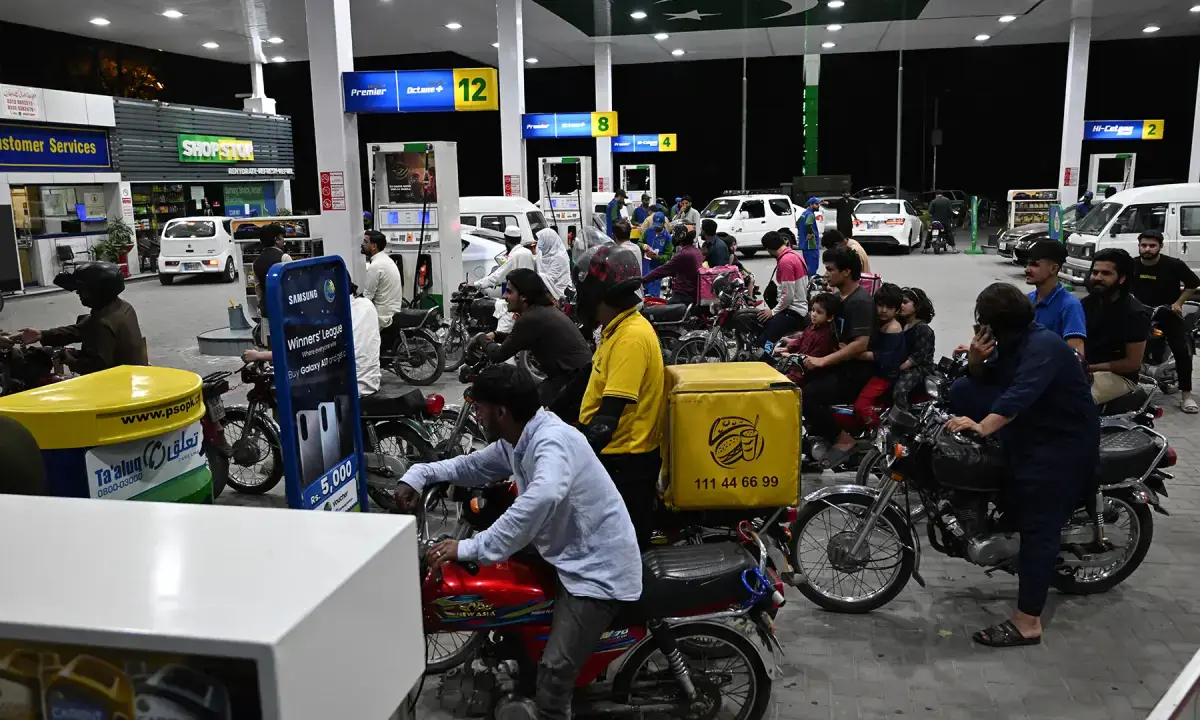
Meanwhile, the government has reintroduced a raft of austerity measures in response to rising fuel prices amid the ongoing Middle East conflict.
asserted
government → reintroduce → conflict
Under these measures, markets are required to close by 9pm and fuel allocations for official vehicles has been cut by 50 per cent for three months.
asserted
allocations → require → months
On September 13, Prime Minister Shehbaz Sharif also announced a “relief scheme” for users of motorcycles, autos and vehicles of up to 800cc to “alleviate the burden” of rising global oil prices.
asserted
Sharif → announce → prices
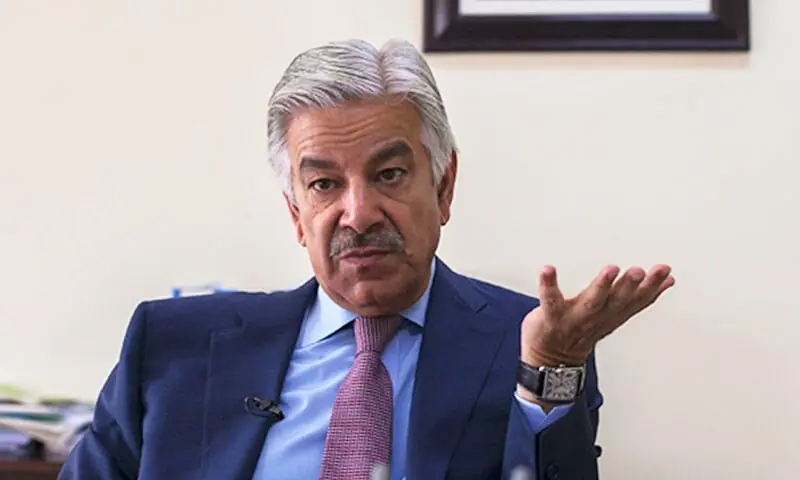
Previously, on July 17, Petroleum Minister Ali Pervaiz Malik announced that fuel prices would now be fixed on a daily basis due to fluctuations in international market prices following renewed hostilities between Iran and the US.
asserted
prices → announce → Iran
Prior to this, the government had been announcing weekly revisions to fuel prices since early March, alongside measures for the conservation of fuel amid possible oil supply disruptions due to the ongoing conflict in the Middle East.
asserted
government → announce → East
The federal government in April also announced targeted relief measures to provide subsidised fuel.
asserted
government → announce → fuel
The petroleum minister stated that the cabinet and the prime minister had decided to give the Oil and Gas Regulatory Authority (Ogra) the responsibility of deciding fuel prices on a daily basis based on international market trends.
asserted
cabinet → state → trends
Petrol is mainly used in private transport, small vehicles, rickshaws and two-wheelers, and changes in its price affect the middle and lower-middle classes.
asserted
changes → use → classes
Similarly, changes in diesel prices also impact the public at large, as it is mainly used in the heavy transport sector, power plants and large generators.
asserted
it → impact → sector
Petrol and high-speed diesel (HSD) are the major revenue earners, with monthly sales of about 700,000 to 800,000 tonnes, compared to just 10,000 tonnes of monthly demand for kerosene.
asserted
Petrol → compare → kerosene
 The Aporia