The Independent
· collected 2026-09-09 · by Courtney Rozen and AJ Vicens
U.S. intelligence and law enforcement officials have accused six Chinese AI companies, including DeepSeek, Moonshot AI, and Alibaba, of stealing proprietary technology from U.S. competitors through a process called distillation. The claims state that these activities occurred "likely with Chinese government awareness" and targeted tech created by OpenAI, Anthropic, Alphabet's Google, and SpaceX. Distillation is a technical process that allows smaller AI systems to be trained using outputs from larger models at a lower cost. The U.S. officials say this technology theft has the potential to strengthen China's "military and cyberattack capabilities."
Written by the local model on 2026-09-09,
using this article's own text rather than the other coverage of the
same event (that is the story summary below).
Story summary
The US has accused China of stealing its artificial intelligence (AI) secrets, including a technique called "distillation", which allows smaller AI systems to be trained using outputs from larger models. The US Treasury secretary warned that if China wins the AI race, it will have a significant impact on global competition for technological supremacy. Meanwhile, the transportation secretary expressed concern about Ford's ties to Chinese firms that he believes are detrimental to the US automotive industry. In response, China has rejected the allegations, calling them "unfounded accusations" and urging the US to strengthen cooperation instead of making unfounded smears.
The US authorities have identified six Chinese entities involved in this alleged theft, including DeepSeek, Moonshot AI, and Alibaba, which they claim are tapping into American AI products to accelerate their own development. The technique of distillation allows these smaller systems to be trained using outputs from larger models, drastically lowering the cost of building new tools.
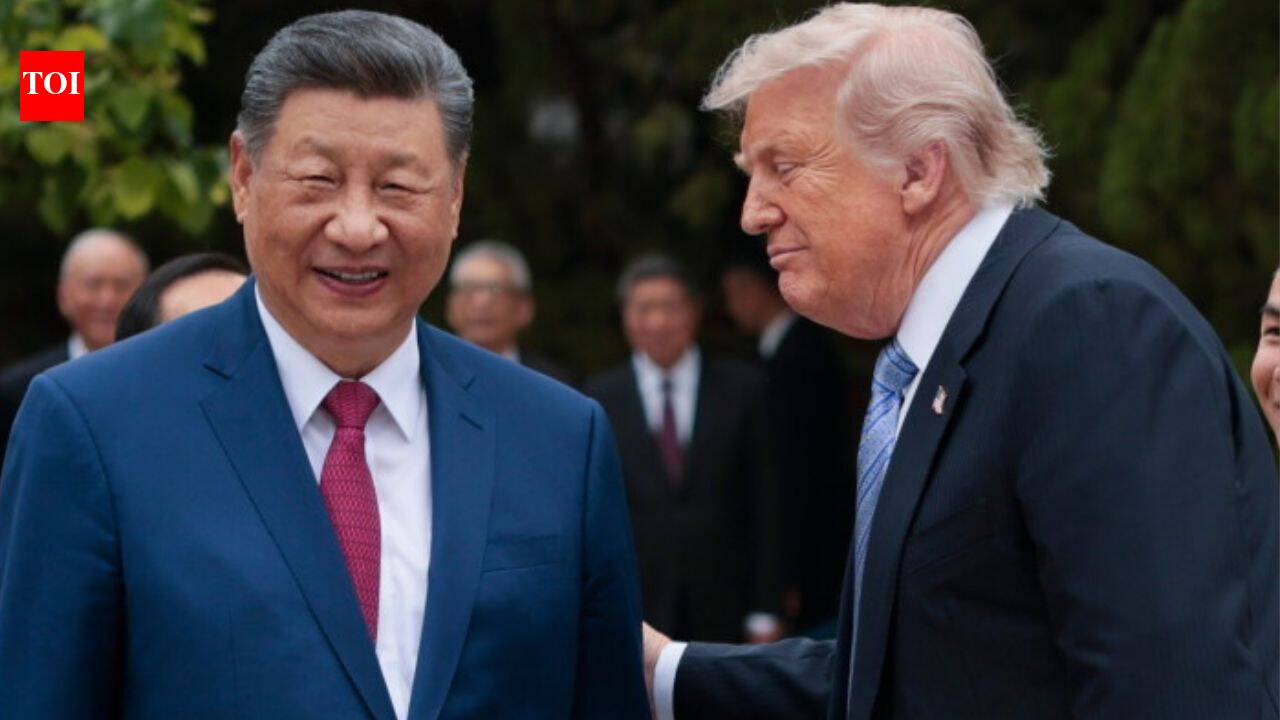
The issue is expected to be a major topic at a planned meeting between US President Donald Trump and Chinese President Xi Jinping later this month, where AI governance is expected to be discussed. China's foreign ministry spokesperson Mao Ning has said that China's progress in AI is driven by "achieving high-level science and technological self-reliance", and urged the US to earnestly implement agreements reached by leaders of both countries.
Written for “US vs China AI Theft Accusations” on 2026-09-09,
grounded in this article and the 3 other(s) covering the same event.
Why this leaning score
The model judged this article politically coded and scored it +0.85, but none of the 1 quote(s) it offered could be found in the article text, so the score is not published.
Written under an earlier scoring contract, which gave a paragraph
rather than checkable quotes. Re-analysing this article replaces it.
Leaning score withheld for article 7313: no verified evidence · logged 2026-09-09
American authorities have accused Chinese artificial intelligence firms of maliciously replicating proprietary technology from U.S. competitors, potentially straining diplomatic relations ahead of a planned summit between the leaders of the world's two largest economies later this month.
asserted
authorities → accuse → economies
According to a joint statement issued by U.S. intelligence and law enforcement officials, Chinese developers appropriated intellectual property from American AI laboratories through a technical process known as distillation.
uncertain
developers → accord → distillation
Distillation lets smaller AI systems be trained using outputs from larger, more expensive models, drastically lowering the cost of building new tools.
asserted
systems → let → tools
Officials singled out six Chinese entities, including DeepSeek, Moonshot AI, and Alibaba, alleging they tapped variations of American AI products to accelerate their own development.
asserted
they → single → development
The statement noted these activities occurred "likely with Chinese government awareness" and targeted technology created by OpenAI, Anthropic, Alphabet's Google, and SpaceX.
"China-based AI companies are engaging in aggressive, malicious and targeted distillation activities at an industrial scale," the officials said.
asserted
officials → note → scale
These claims come as President Donald Trump's administration readies for a visit from Chinese President Xi Jinping to the US in late September.
uncertain
administration → come → September
Both countries are also scheduled to hold bilateral talks mid-month focused on artificial intelligence safety risks.
asserted
countries → schedule → risks
In response, Chinese foreign ministry spokesperson Mao Ning said on Wednesday that China's progress was driven by "achieving high-level science and technological self-reliance."
"We hope the U.S. will earnestly implement the important consensus reached by the leaders of both countries and refrain from making false accusations and smearing China," Mao said.
asserted
Mao → say → China
"As major powers in artificial intelligence, China and the U.S. should strengthen cooperation."
asserted
China → strengthen → cooperation
Washington leveled a similar allegation in April ahead of Trump's trip to Beijing.
asserted
Washington → level → Beijing
Tuesday's official statement added that distillation not only reduces development expenditures for firms in China, but also strengthens China's "military and cyberattack capabilities that could be used against the U.S. and our allies."
Earlier reports on July 31 showed that military researchers in China have relied on outputs from leading American models to improve domestic systems and enhance strategic defense capabilities.
uncertain
researchers → add → capabilities