Claims extracted
15
sentences that state something as happening or true
Uncertain
7%
1 of 15 hedged
("reportedly", "may", "according to")
Leaning
withheld
no quote in the article backed the model's score
Publisher signals
63/100
Global News's corrections and
hedging, across everything collected from it. Not a measure of accuracy.
Outlets on this story
56
Politics
Same framing elsewhere
1
articles that frame the event the way this one does
The escalating trade dispute between Canada and the United States is increasingly shaping Quebec’s provincial election campaign, with the major parties offering competing visions for how to protect jobs and businesses from the impact of tariffs.
asserted
parties → escalate → tariffs
The issue moved to the forefront Tuesday after federal counter-tariffs against the United States prompted reactions from party leaders across the province.
asserted
tariffs → move → province
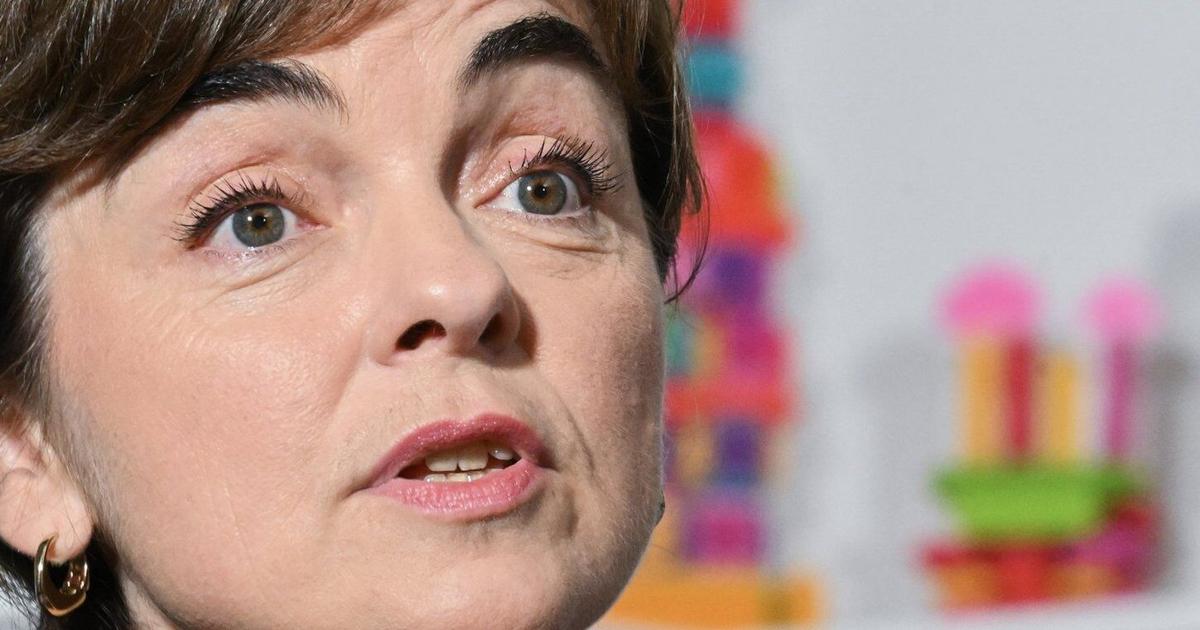
Coalition Avenir Québec (CAQ) Leader Christine Fréchette unveiled a series of measures aimed at shielding Quebec’s economy from potential fallout, saying the province must stand firm in the face of U.S. President Donald Trump’s trade policies.
asserted
province → unveil → policies
“We are heading for hard times and Quebec will not back down in the face of Trump,” Fréchette said.
asserted
Fréchette → head → Trump
Among the proposals, Fréchette called on municipalities, organizations and consumers to prioritize Quebec-made goods.
asserted
Fréchette → call → goods
Get daily National news
“I urge municipalities, organisms as well as citizens, consumers, to buy more Quebec products,” she said.
asserted
she → get → products
Fréchette also proposed changes to Quebec’s public procurement process that would bar U.S. companies from bidding on certain provincial contracts, creating more opportunities for Quebec and Canadian firms.
asserted
that → propose → firms
However, Liberal Leader Charles Milliard argued the CAQ’s plan does not go far enough.
asserted
plan → argue → ?
“Most of the ideas that she announced this morning were actually ideas that I proposed last week except that they’re less ambitious,” Milliard said.
Parti Québécois Leader Paul St-Pierre Plamondon, whose party continues to lead in recent polling, also criticized the government’s approach.
St-Pierre Plamondon said the PQ is better positioned to defend Quebec’s interests as the trade dispute intensifies.
“Who has the best team and the best intellectual understanding of what’s going on to defend Quebec interests with regards to the tariffs,” he said, pointing to his party’s economic expertise.
asserted
he → announce → expertise
The PQ leader also raised concerns about Ottawa’s handling of the dispute, arguing Quebec businesses were not adequately consulted before the federal government imposed counter-tariffs.
asserted
government → raise → tariffs
“If Quebec’s interests are sacrificed and are not taken into consideration in the measures that they put forward, that’s a problem for us.
asserted
that → sacrifice → us
And that’s a problem for our economy,” he said.
asserted
he → ’ → economy
Business groups have largely backed Ottawa’s decision to retaliate against U.S. tariffs, while warning that the uncertainty is creating challenges for companies.
asserted
uncertainty → back → companies
Véronique Proulx, president of the Fédération des chambres de commerce du Québec, said the federal government has taken appropriate steps to defend Canadian interests, but businesses affected by the dispute may need additional support.
uncertain
businesses → say → support
The trade dispute is expected to remain a major campaign issue as party leaders prepare for a series of election debates in the coming days and weeks, giving voters a clearer look at how each party plans to respond to growing economic tensions with the United States.
asserted
party → expect → States
 The Aporia