Starbucks is being sued for allegedly mislabeling its protein drinks as "sugar-free" despite containing between 13 to 21 grams of sugar in a venti-sized serving. The lawsuit, filed on October 2, targets eight hot and iced protein beverages sold by Starbucks and claims that consumers were misled into paying higher prices for these products. Starbucks disputes the allegations, stating that the sugar content comes from natural sources like lactose in milk and not added sugars, and maintains that its labeling practices comply with FDA regulations.
Written locally by qwen2.5:14b on 2026-10-10,
using this article's own text rather than the other coverage of the
same event (that is the story summary below).
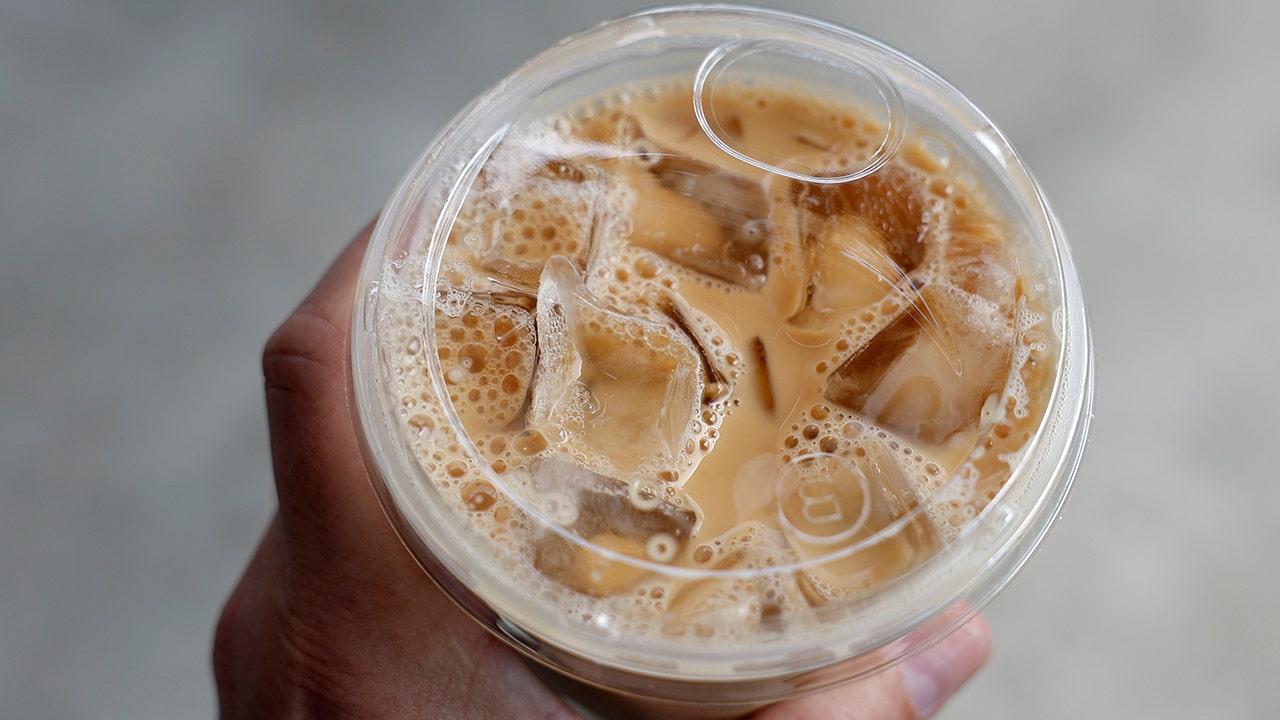
Starbucks is facing a lawsuit over its "sugar-free" protein drinks, with consumers alleging some contain nearly as much sugar as a candy bar.
asserted
some → face → bar
The proposed class-action lawsuit, filed Oct. 2 in federal court in Washington state, targets eight hot and iced Starbucks protein beverages, including its Sugar-Free Vanilla Protein Latte, Sugar-Free Caramel Protein Latte and protein matcha drinks.
asserted
lawsuit → propose → Latte
The beverages contain between 13 and 21 grams of sugar in a venti-sized serving, according to the lawsuit, which reportedly argues that "no reasonable consumer" would expect a drink called "sugar-free" to contain that amount.
uncertain
drink → contain → amount
The suit was brought by three consumers who bought the drinks in California, New York and Washington.
asserted
who → bring → California
It asks the court to stop Starbucks from using "sugar-free" to describe products that contain sugar.
asserted
that → ask → sugar
Starbucks is disputing the allegations.
asserted
Starbucks → dispute → allegations
"We believe these claims have no merit," a Starbucks spokesperson told Fox News Digital.
uncertain
spokesperson → believe → Digital
"Starbucks has consistently and clearly provided information about its protein beverages, sugar-free options, customization choices, and nutritional content across product announcements, menus, marketing materials, Starbucks.com and the Starbucks app, and we intend to vigorously defend ourselves in this matter.
asserted
we → provide → matter
The company says the sugar in the drinks comes naturally from protein-boosted milk rather than added sugar, and that sugar-free syrups are used for flavoring.
Nicolette Pace, a New York-based registered dietitian and certified diabetes educator, noted that lactose in milk is a naturally occurring sugar and is not counted as an added sugar, but "sugar-free" and "no added sugar" are not the same.
"Sugar-free" does not necessarily mean a product contains zero sugar, added Dr. Michael Aziz, an internist at Lenox Hill Hospital in New York City.
asserted
Aziz → say → City
Under FDA regulations, products labeled "sugar-free" generally must contain less than 0.5 gram of sugar per serving.
asserted
products → label → serving
"No added sugar," meanwhile, means sugars or sugar-containing ingredients have not been added during processing or preparation, though a product can still contain naturally occurring sugar, as Starbucks says its protein drinks do.
asserted
drinks → add → sugar
Naturally occurring sugars can still affect blood glucose levels, making the total carbohydrate content important for people with diabetes to consider.
asserted
people → occur → diabetes
The plaintiffs argue that they paid more for products advertised as sugar-free than they would have for comparable alternatives, said Danny Karon, an Ohio-based class-action attorney who is not involved in the case.
asserted
who → argue → case
"The challenge will be convincing the court — and then the jury — that consumers relied on Starbucks' alleged misrepresentations when making their purchases," Karon told Fox News Digital.
asserted
Karon → convince → Digital
Beyond the protein beverages cited in the lawsuit, Aziz and Pace warned that other Starbucks specialty drinks can pack significant amounts of sugar, underscoring the importance of considering nutrition information, serving size and add-ons such as whipped cream and drizzles.
asserted
drinks → cite → cream
A venti Java Chip Frappuccino can contain nearly 80 grams of sugar, or roughly 20 teaspoons, they said.
asserted
they → contain → sugar
They also pointed to the Caramel Ribbon Crunch Frappuccino and seasonal drinks such as the Peppermint Mocha and Pumpkin Spice Latte, which, depending on size and customization, can have almost as much sugar.
asserted
which → point → sugar
"That's massive amounts of sugar when we know that a soda has 63 grams of sugar," Aziz said, referring to standard 20-ounce bottles of popular regular sodas.
asserted
Aziz → know → sodas
"Size does matter when it comes to these things at Starbucks," Pace said.
asserted
Pace → matter → Starbucks
The American Heart Association recommends limiting added sugar to about 6 teaspoons, or 25 grams, per day for most women and 9 teaspoons, or 36 grams, for men, she noted.
asserted
she → recommend → men
She stressed, however, that those recommendations apply to added sugar, not naturally occurring lactose in milk.
asserted
recommendations → stress → milk
For consumers looking to reduce their intake, she suggested keeping the order simple, and choosing a smaller size.
uncertain
she → look → size
Aziz recommends, "If you want to have a treat, maybe just have a simple latte or a cappuccino."
asserted
you → recommend → latte
 The Aporia