The Transportation Security Administration (TSA) has recently directed its officers to stand while verifying passengers' identification at security checkpoints, aiming to enhance security and improve passenger experience. However, the American Federation of Government Employees (AFGE) TSA Council 100 union disputes this move, arguing it could compromise officer safety and comfort due to prolonged standing on hard floors without ergonomic support. Critics suggest that providing anti-fatigue mats might mitigate some physical strain for officers.
Written locally by qwen2.5:14b on 2026-10-03,
using this article's own text rather than the other coverage of the
same event (that is the story summary below).
Story summary
TSA has recently removed chairs from security checkpoints across commercial airports, forcing travel document checkers to stand while verifying passengers' IDs and passports. The agency claims this move enhances both security and traveler comfort, as officers will remain alert. However, the American Federation of Government Employees (AFGE) union representing TSA workers disputes that claim, arguing the change compromises officer safety and well-being without prior consultation. This policy shift follows nearly two months after David Cummins was confirmed as the new TSA Administrator, who aims to improve passenger experience. The union's stance highlights growing tensions within the agency under recent leadership changes.
Written for “TSA No Sitting Policy” on 2026-10-05,
grounded in this article and the 2 other(s) covering the same event.
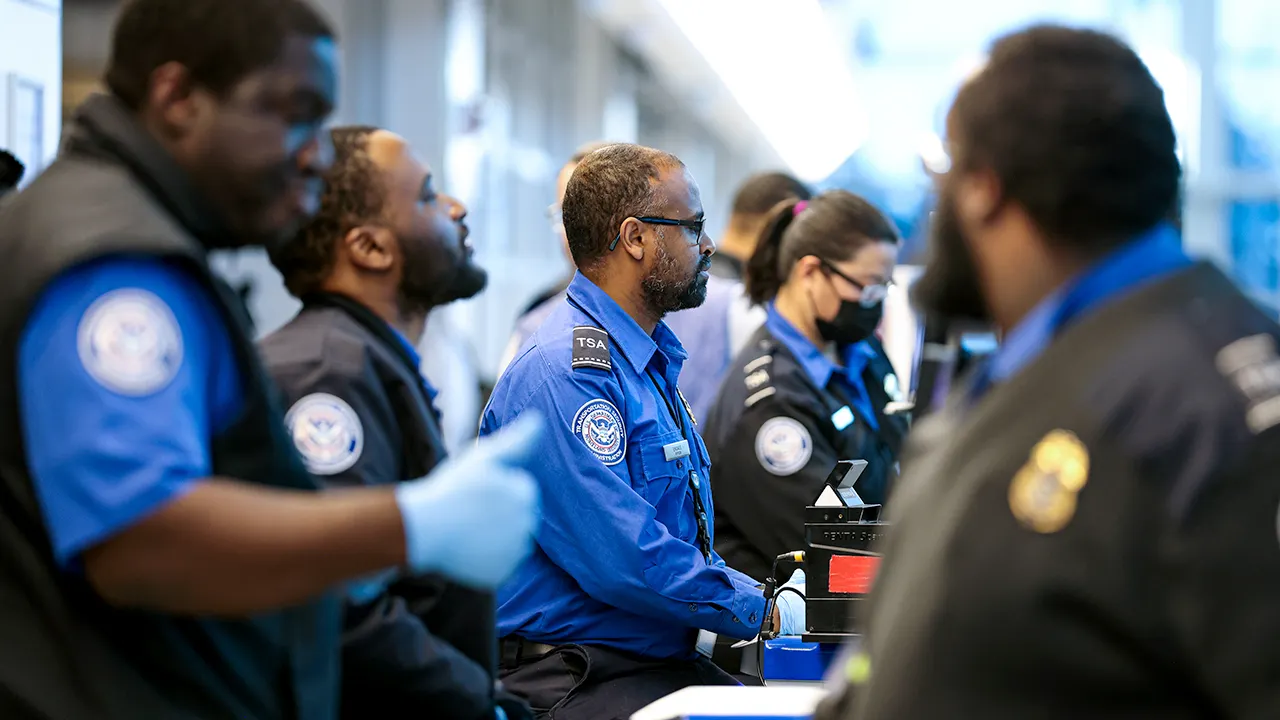
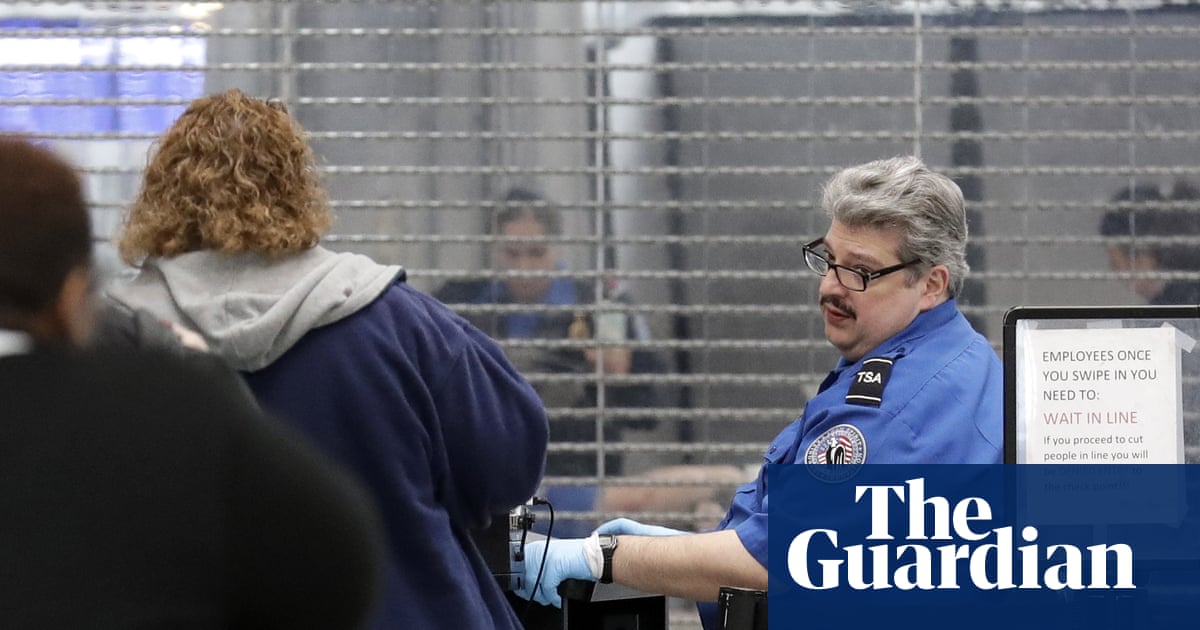
The next time airport travelers hand over their ID at a security checkpoint, the Transportation Security Administration (TSA) officer they encounter may be standing instead of sitting.
uncertain
they → hand → checkpoint
The TSA has directed the officers assigned to verify passengers' identification to remain on their feet, saying the new rule is intended to reinforce security and create a more welcoming experience.
asserted
rule → direct → experience
The union representing workers, however, argues it could negatively affect both safety and comfort.
uncertain
it → represent → safety
"This welcome change reinforces both our security posture and our commitment to hospitality by having these officers on their feet and alert," the agency said in a statement to multiple news outlets.
asserted
agency → reinforce → outlets
"All officers must meet fitness for duty requirements to be capable of performing their vital national security function," it added.
asserted
it → meet → function
The move comes nearly two months after TSA Administrator David Cummins took the helm of the agency and launched an initiative to improve the passenger experience.
asserted
Cummins → come → experience
The American Federation of Government Employees (AFGE) TSA Council 100, which represents TSA officers, criticized the new policy, saying it was not consulted before the change was implemented at most TSA-staffed airports across the U.S.
Not all U.S. airports are staffed by TSA officers, however.
asserted
airports → represent → officers
About 20 airports, including San Francisco International Airport and Kansas City International Airport, use private security screeners under the TSA's Screening Partnership Program.
asserted
airports → include → Program
The union has reportedly argued the chairs provide basic ergonomic and safety support for officers who spend long hours standing and walking on hard floors, and said it plans to challenge the change.
"The hard floors they are standing on do not offer any support, which can cause foot and back issues," said Daniel Bubb, Ph.D., a commercial aviation professor at the University of Nevada, Las Vegas.
uncertain
Bubb → argue → Nevada
Bubb, who was previously an airline customer service representative and performed airport security duties, said providing anti-fatigue mats for officers on their feet could help reduce strain from standing on hard airport floors.
uncertain
providing → perform → floors
"The hard floors they are standing on do not offer any support, which can cause foot and back issues.
asserted
which → stand → issues
"
The policy applies only to officers assigned to check passengers' IDs before security screening, according to reports.
uncertain
policy → apply → reports
Officers who operate X-ray scanners for carry-ons may continue to do so while seated, and TSA officers typically rotate through several checkpoint assignments during an eight-hour shift, a spokesperson for the agency told The New York Times.
uncertain
spokesperson → operate → Times
Gary Leff, a Texas-based travel industry expert and author of the blog "View From the Wing," told Fox News Digital he does not expect the change to have much impact on airports or passengers during their travel experience.
asserted
change → base → experience
"As a passenger, I don’t care whether the person checking my ID is sitting," Leff said.
asserted
Leff → care → ID
"They should be paying attention, treating passengers with respect and moving the line efficiently."
asserted
They → pay → line
He added, "I’m not sure a stool is a problem."
asserted
stool → add → ?
Fox News Digital reached out to the TSA for additional comment.
asserted
Digital → reach → comment
 The Aporia