That is 0 articles you have read today.
The Aporia is free and carries no advertising, so readers are the only
thing paying for it. If you are getting this much out of it, a small
donation is what keeps it independent.
Daily limit reached
You have read 0 articles today.
That is more than the 15 a day The Aporia gives away,
and well past what it can carry on nothing. Your allowance resets at
midnight.
There is no advertising here and nothing about you is sold, so readers
are the only thing paying for it. If the site is worth this much of
your day, it is worth a few dollars.
Everything else stays open: the
maps, the
directory and
search do
not count against this, and neither does re-opening something you have
already read today.
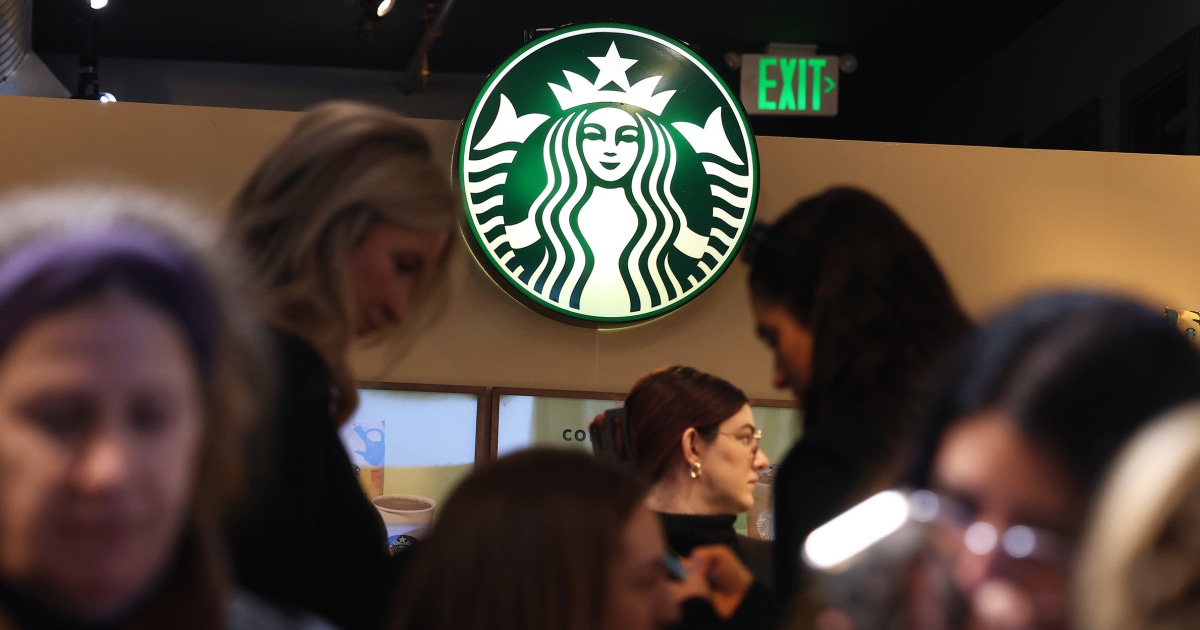
A federal lawsuit has been filed against Starbucks by three consumers in California, New York, and Washington, alleging that certain protein-based beverages labeled as "sugar-free" actually contain between 13 to 21 grams of sugar per serving. The plaintiffs argue that this labeling is misleading since a product marketed as sugar-free should not have any added sugars. Starbucks denies the claims, stating it clearly informs customers about nutritional content and does not add sugar to these drinks; instead, they use protein-boosted milk which naturally contains some sugar.
Written locally by qwen2.5:14b on 2026-10-06,
using this article's own text rather than the other coverage of the
same event (that is the story summary below).
Story summary
A lawsuit was filed against Starbucks in Seattle by Hagens Berman law firm on behalf of three consumers from California, New York, and Washington. The plaintiffs argue that eight protein beverages marketed as "sugar-free" actually contain up to 21 grams of sugar per serving. For instance, a 20-ounce (0.6-liter) Sugar-Free Caramel Protein Matcha drink contains 21 grams of sugar, similar to one Reese's peanut butter cup which has 11 grams of sugar. The lawsuit claims that no reasonable person would expect a "sugar-free" product to contain such high levels of sugar and highlights the misleading nature of Starbucks' marketing practices. Starbucks denies these allegations, stating they have provided accurate nutritional information across various platforms including their website and app.
Written for “Starbucks Sugar Mislabeling Lawsuit” on 2026-10-06,
grounded in this article and the 1 other(s) covering the same event.
Why this leaning score
This article does not take a side on a contested political
question, so it has no leaning score. That is an
answer rather than a gap: a match report or a rescue can be warmly
or critically written without being left or right, and scoring it
anyway is how approval of a subject gets recorded as a political
position.
No political leaning scored for article 60622 · logged 2026-10-06
A consumer lawsuit is accusing Starbucks of adding sugar, sometimes as much as that in a Kit Kat bar, to drinks marketed as sugar free.
asserted
lawsuit → accuse → drinks
The products in question include hot and iced protein lattes and protein matcha beverages in vanilla and caramel flavors.
asserted
products → include → flavors
According to the federal lawsuit filed Friday, these drinks contain 13 to 21 grams of sugar per serving.
uncertain
drinks → accord → serving
“No reasonable person” would expect something labeled “sugar-free” to contain that much sugar, the lawsuit contends.
asserted
lawsuit → expect → sugar
It is not about missing nutritional information,” according to the lawsuit.
uncertain
It → miss → lawsuit
Starbucks denied misleading consumers with its menu in a statement to NBC News on Tuesday.
asserted
Starbucks → deny → Tuesday
The international coffee chain said it has “consistently and clearly provided information about its protein beverages, sugar-free options, customization choices, and nutritional content across product announcements, menus, marketing materials, Starbucks.com and the Starbucks app, and we intend to vigorously defend ourselves in this matter.
asserted
we → say → matter
Hagens Berman filed the suit on behalf of three individual consumers who bought Starbucks’ sugar-free protein drinks in California, New York and Washington, The Associated Press reported.
asserted
Press → file → California
“Consumers avoid sugar for various reasons, whether that be general health, diabetes and blood glucose levels or other factors, and for many, a staunch mislabeling like this is significant,” Steve Berman, a co-founder and managing partner of the Seattle-headquartered firm, told the AP.
asserted
Berman → avoid → AP
Seattle-based Starbucks said the sugar in its protein drinks comes from the protein-boosted milk it uses.
asserted
it → base → milk
The company said it doesn’t add sugar to the drinks and it uses sugar-free syrup for flavoring.
asserted
it → say → flavoring
On Starbucks’ website Monday, the drinks were marketed as “sugar-free,” but the company also stated the amount of sugar in each beverage and that they were made without added sugar.
asserted
they → market → sugar
The lawsuit seeks damages on behalf of U.S. consumers who bought the drinks.
asserted
who → seek → drinks
It also wants the court to order Starbucks to stop using the label “sugar-free” on products that contain sugar.
asserted
that → want → sugar
 The Aporia