That is 0 articles you have read today.
The Aporia is free and carries no advertising, so readers are the only
thing paying for it. If you are getting this much out of it, a small
donation is what keeps it independent.
Daily limit reached
You have read 0 articles today.
That is more than the 15 a day The Aporia gives away,
and well past what it can carry on nothing. Your allowance resets at
midnight.
There is no advertising here and nothing about you is sold, so readers
are the only thing paying for it. If the site is worth this much of
your day, it is worth a few dollars.
Everything else stays open: the
maps, the
directory and
search do
not count against this, and neither does re-opening something you have
already read today.
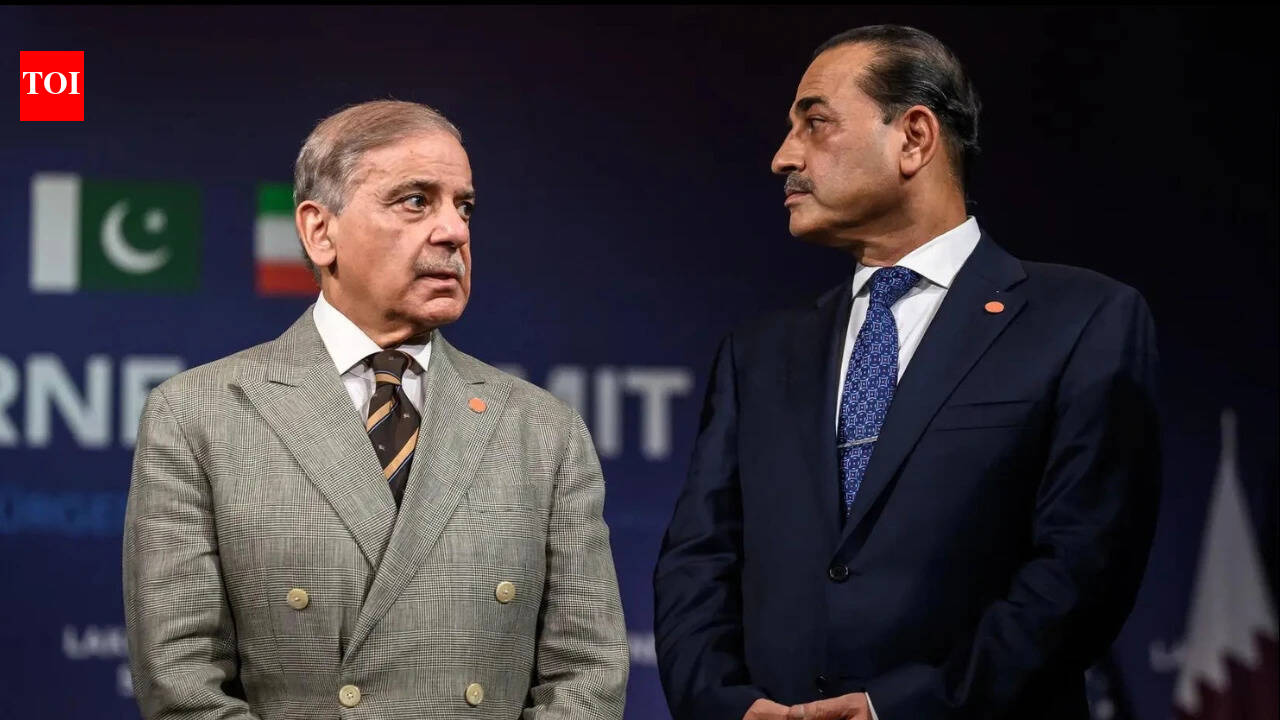
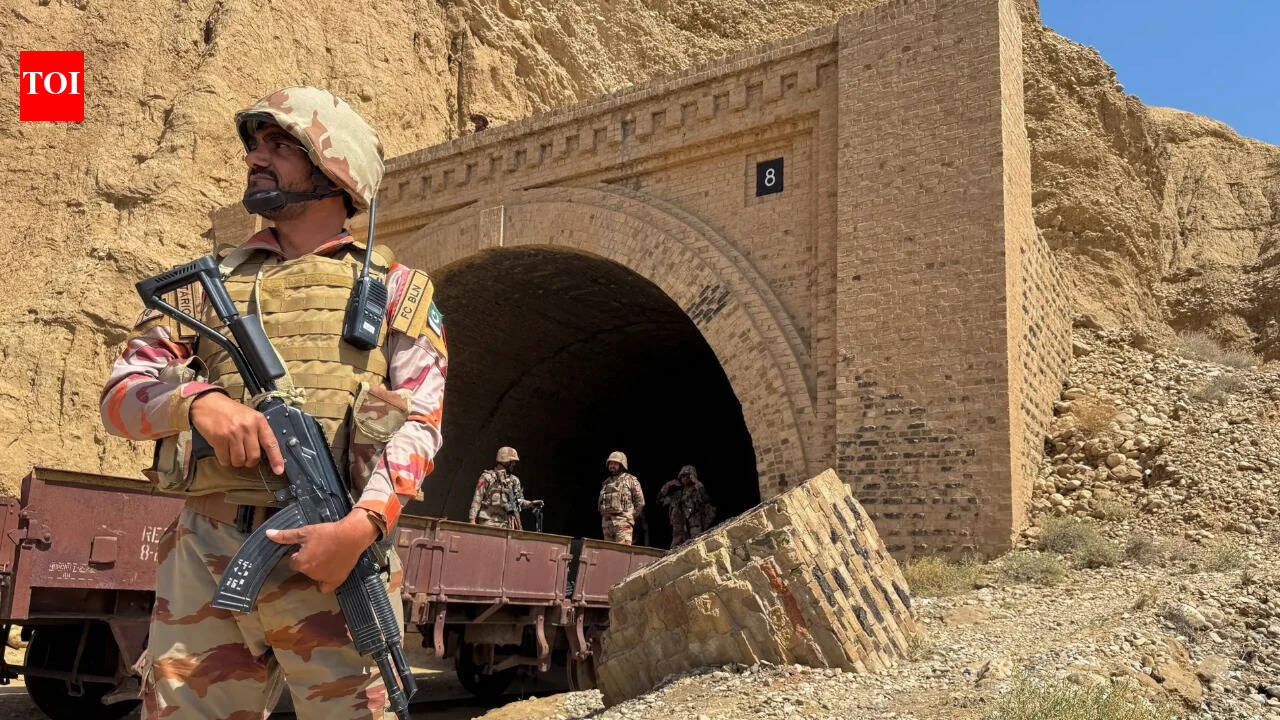
Pakistan's defence forces chief Asim Munir agreed to deploy additional troops to Saudi Arabia under the Mecca Joint Defence Agreement, despite Parliament's historical reluctance to involve Pakistani military in foreign conflicts. The agreement was invoked for the first time on Monday due to increased Houthi attacks against Saudi Arabia. With Pakistan's military holding significant power over government decisions, Munir’s decision reflects a shift where parliamentary approval is less influential compared to past eras.
Written locally by qwen2.5:14b on 2026-10-08,
using this article's own text rather than the other coverage of the
same event (that is the story summary below).
Story summary
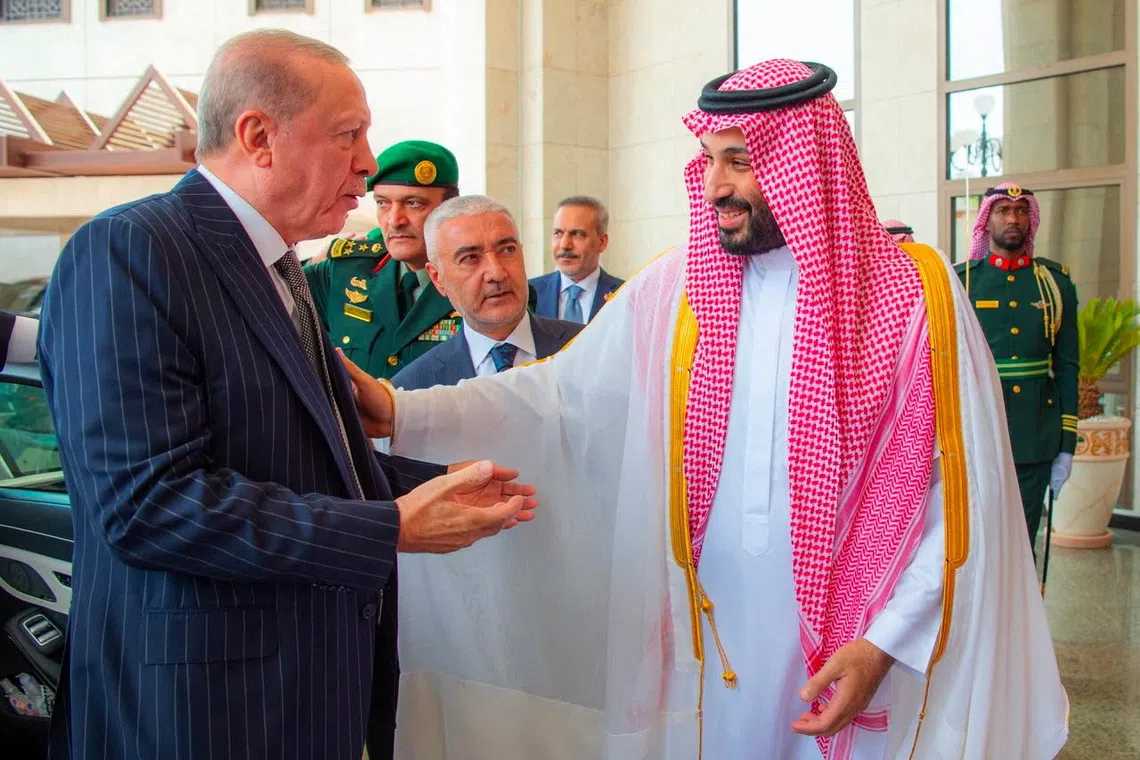
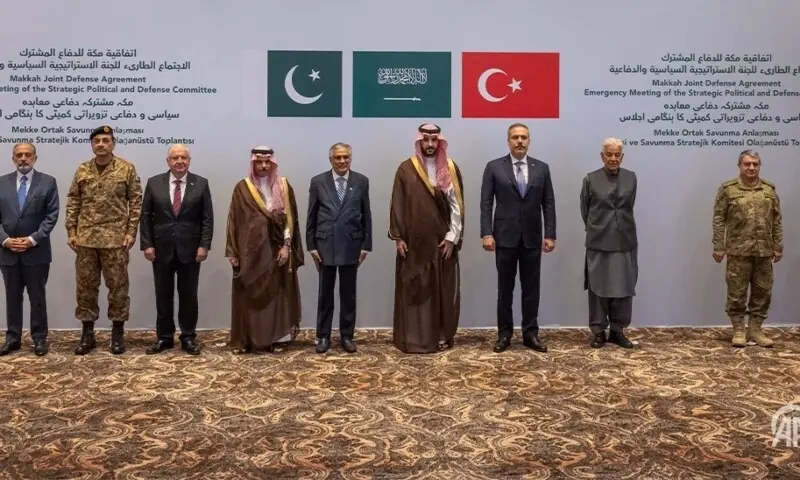
On October 5, Pakistan's Deputy Prime Minister Ishaq Dar stated that a meeting of the Makkah Defence Alliance’s Strategic Political and Defence Committee (SPDC) would take place in Riyadh to address Houthi attacks on Saudi Arabia. The SPDC, established under the trilateral "Makkah Accord" involving Saudi Arabia, Turkey, and Pakistan, met with representatives from all three countries present: Foreign Minister Ishaq Dar, Defense Minister Khawaja Asif, and Chief of Army Staff Field Marshal Asim Munir for Pakistan; Foreign Minister Hakan Fidan, Defence Minister Yasar Guler, and Chief of General Staff Selcuk Bayraktaroglu for Turkey; and their Saudi counterparts. At the meeting, it was decided to deploy military forces rapidly in Saudi Arabia to enhance readiness against threats, particularly following recent attacks on holy sites like Mecca and Medina by the Houthi group.
Written for “Makkah Defence Pact Meetings Deployments” on 2026-10-08,
grounded in this article and the 15 other(s) covering the same event.
Why this leaning score
The model judged this article politically coded and scored it -0.35, but every quote it verified points right, so the score is not published.
Written under an earlier scoring contract, which gave a paragraph
rather than checkable quotes. Re-analysing this article replaces it.
Leaning score withheld for article 65878: score contradicts its own evidence · logged 2026-10-08
Pakistan defence forces chief
Asim Munir agreed to quickly deploy more Pakistani troops to
Saudi Arabia, despite the Pakistani Parliament voting to stay out of the Houthi conflict 11 years ago.
asserted
Parliament → agree → conflict
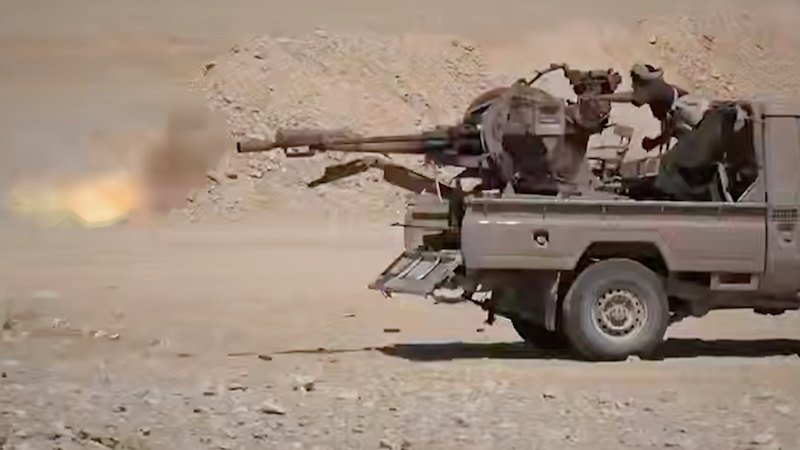
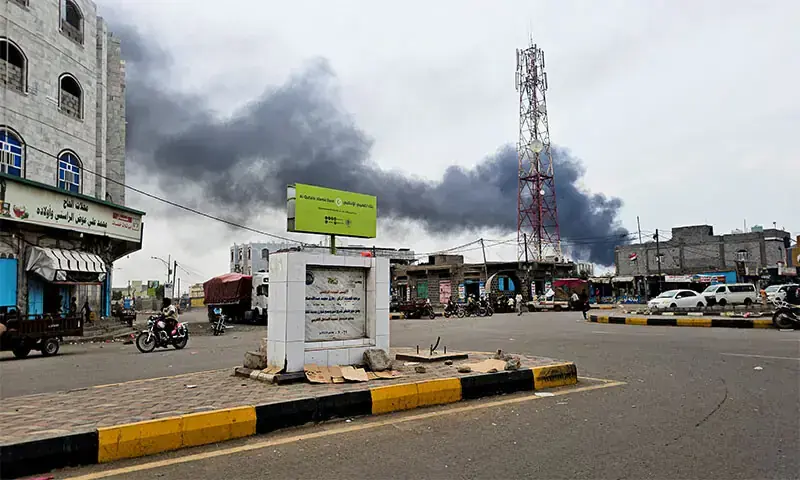
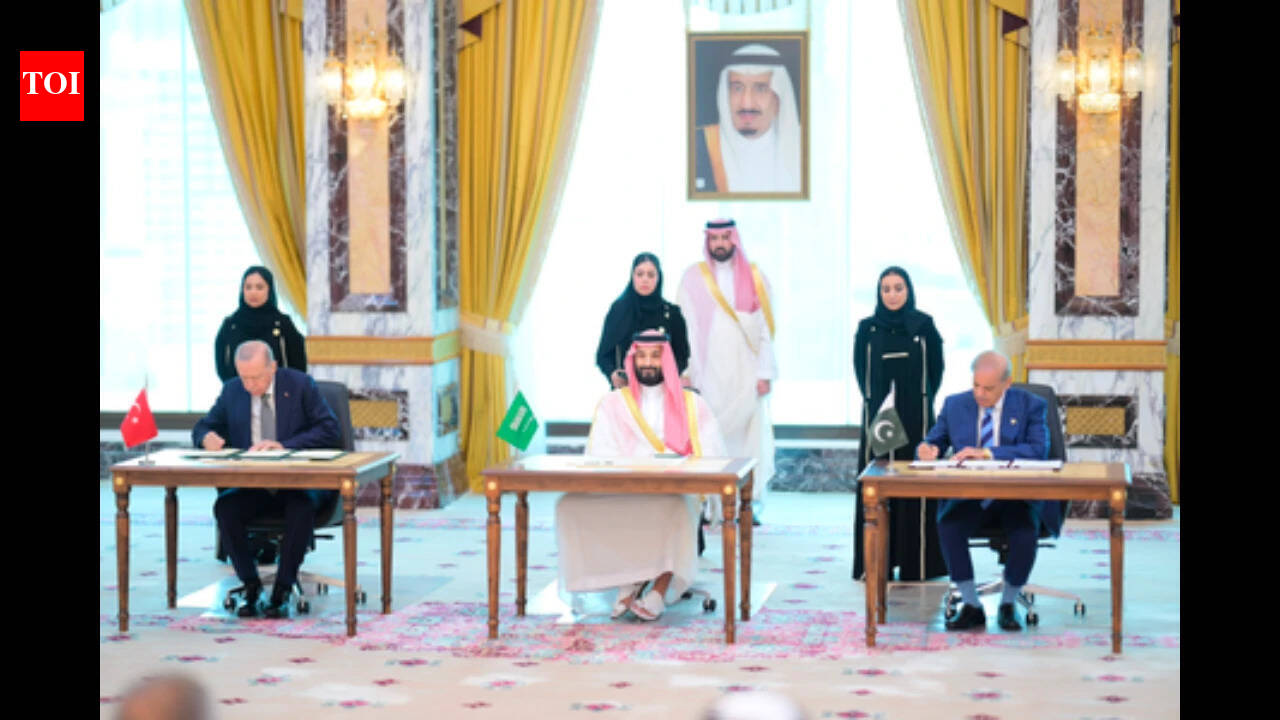
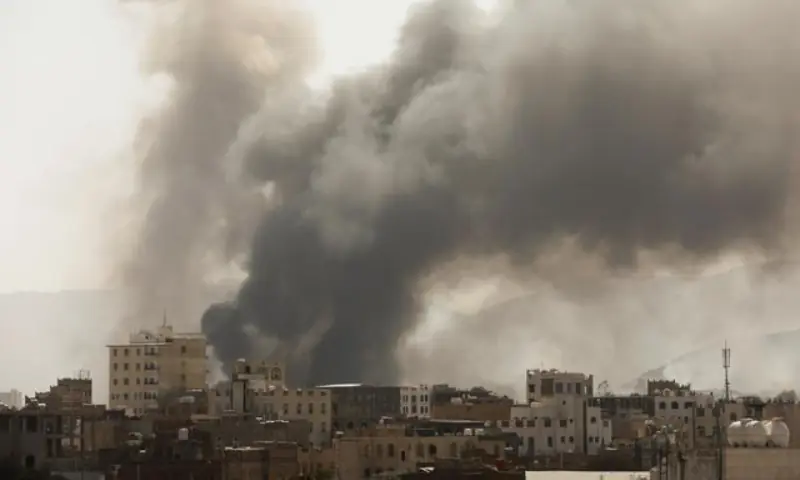
The Mecca defence pact signed by Pakistan with Saudi Arabia and Turkey in August was invoked for the first time on Monday, amid increasing Houthi attacks on the Saudi kingdom.
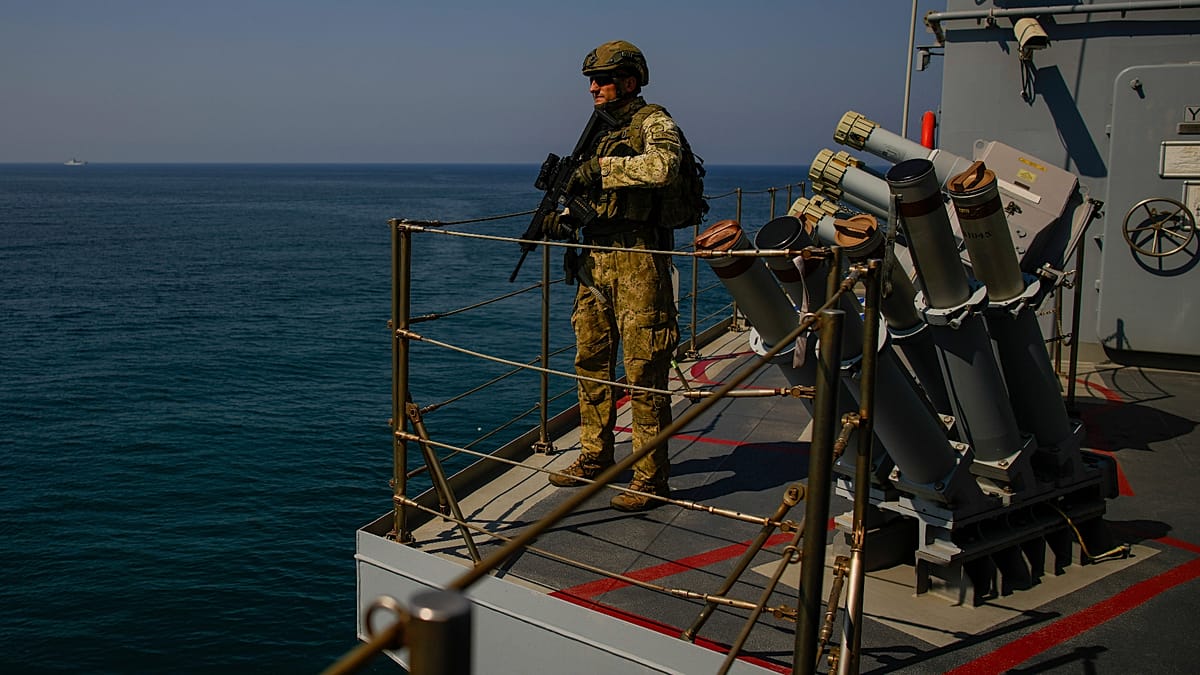
According to Reuters, the Mecca Joint Defence Agreement is based on a 2025 Saudi-Pakistani pact under which Pakistan had sent about 8,000 troops to the kingdom by May.
Pakistan's information ministry said the alliance "has gone through all necessary government procedures".
However, it did not clarify if the cabinet or parliament was involved, calling details of the deployment "a matter of operational confidentiality."
Senior fellow for South Asia at the Atlantic Council, Michael Kugelman, told Reuters that Pakistan is currently in a different era, with a comparatively weaker parliament.
uncertain
Pakistan → sign → parliament
"There were times in the past when Pakistan's parliament would vote not to send troops, and the military would abide by that decision.
asserted
military → be → decision
But it's a different era now," Kugelman said.
asserted
Kugelman → say → ?
Pakistan's armed forces have often been accused of holding the reins of Islamabad’s politics.
asserted
forces → accuse → politics
In 2025, Munir was elected as the field marshal, the chief of all defence forces in Pakistan.
asserted
Munir → elect → Pakistan
Constitutional changes have allowed him to hold the position till 2030, with lifetime rank as the field marshal.
asserted
him → allow → marshal
Munir is also immune to any criminal prosecution, signalling the military's increasing influence over the constitutional establishment.
asserted
Munir → signal → establishment
Munir is widely acknowledged to be more powerful domestically than any of his predecessors.
asserted
Munir → acknowledge → predecessors
The military has control over major government portfolios like defence and foreign relations.
asserted
military → have → relations
Jailed former Prime Minister
Imran Khan’s party, Pakistan Tehreek-e-Insaf (PTI), currently protesting for his release, has accused the army of dominating politics.
asserted
party → protest → politics
The relationship between Imran Khan and Asim Munir has reportedly been bitter since 2019, when Munir, then director-general of Pakistan’s Inter-Services Intelligence (ISI), was removed after less than eight months in the post, reportedly at the insistence of the then-PM Khan.
uncertain
Munir → remove → Khan
No official reason was given for Munir’s removal.
asserted
reason → give → removal
Khan was himself ousted as prime minister in April 2022.
asserted
Khan → oust → April
Seven months later, in November 2022, Munir returned to the centre of Pakistan’s power structure when PM Shehbaz Sharif appointed him army chief, succeeding Bajwa.
asserted
Sharif → return → Bajwa
 The Aporia