That is 0 articles you have read today.
The Aporia is free and carries no advertising, so readers are the only
thing paying for it. If you are getting this much out of it, a small
donation is what keeps it independent.
Daily limit reached
You have read 0 articles today.
That is more than the 15 a day The Aporia gives away,
and well past what it can carry on nothing. Your allowance resets at
midnight.
There is no advertising here and nothing about you is sold, so readers
are the only thing paying for it. If the site is worth this much of
your day, it is worth a few dollars.
Everything else stays open: the
maps, the
directory and
search do
not count against this, and neither does re-opening something you have
already read today.
The United States and China are discussing reciprocal visits to each other’s nuclear sites as a means of building trust amid concerns over an arms race. Talks have focused on visits to US Department of Energy national labs and Chinese equivalent facilities, with the possibility of including nuclear testing sites. These discussions aim to address growing tensions, particularly regarding China's expanding nuclear weapons program and the expiration of the last remaining US-Russia arms control agreement in 2025. The idea originated from Beijing as a confidence-building measure during working-level meetings between American and Chinese officials on the sidelines of UN Security Council gatherings.
Written locally by qwen2.5:14b on 2026-10-06,
using this article's own text rather than the other coverage of the
same event (that is the story summary below).
Story summary
The United States is discussing with China plans for reciprocal visits to each country's nuclear sites to build trust amid growing concerns over a potential arms race. According to a Tuesday report by CNN, these discussions would involve visits to the US Department of Energy National Labs and Chinese equivalent facilities. Additionally, the US expressed openness to discussing visits to nuclear testing sites. The primary concern driving this initiative is China’s rapidly expanding nuclear weapons program, which has strained relations between the two countries. Efforts to establish a trilateral agreement with Russia also began under President Donald Trump but largely failed as both China and Russia largely ignored US outreach. Currently, Beijing maintains that its nuclear arsenal is significantly smaller than those of the United States and Russia, making it less inclined to engage in such negotiations.
Written for “Nuclear Site Visits Talks Usa China” on 2026-10-06,
grounded in this article and the 0 other(s) covering the same event.
Why this leaning score
This article does not take a side on a contested political
question, so it has no leaning score. That is an
answer rather than a gap: a match report or a rescue can be warmly
or critically written without being left or right, and scoring it
anyway is how approval of a subject gets recorded as a political
position.
No political leaning scored for article 59987 · logged 2026-10-06
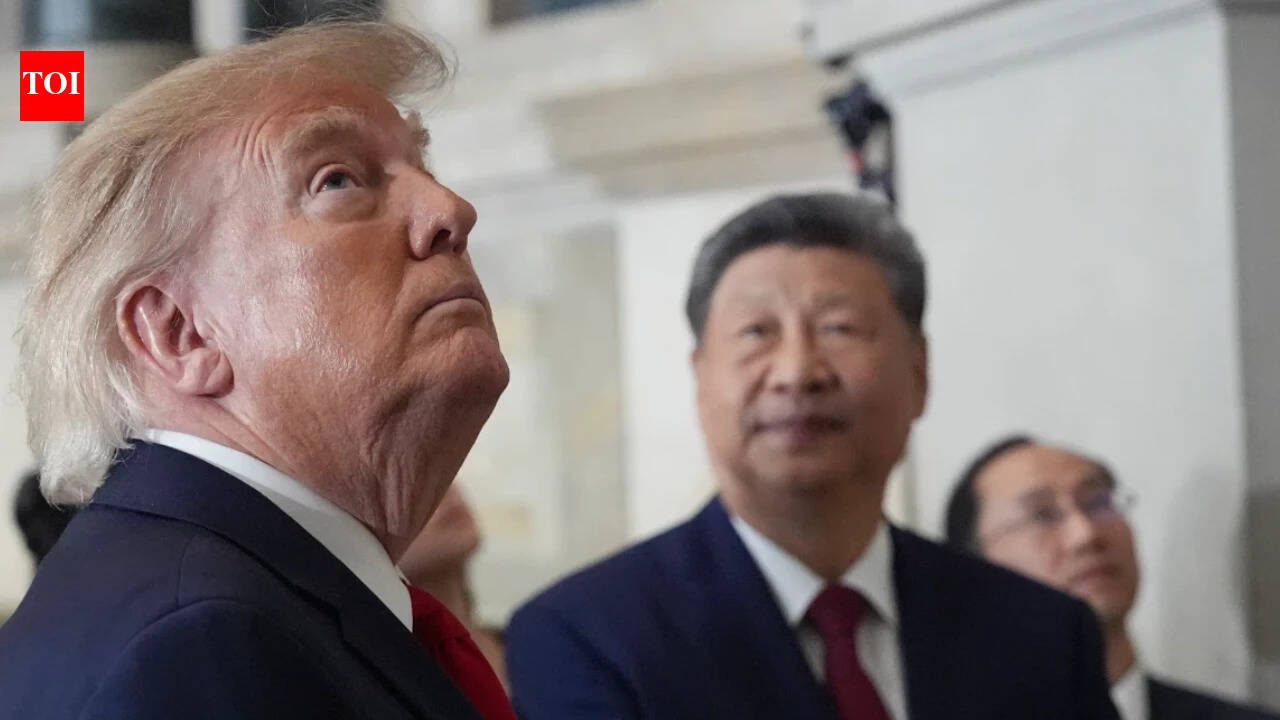
The United States has discussed starting reciprocal visits to nuclear sites with China, amid efforts to build mutual trust and prevent an arms race between the rivals.
asserted
States → discuss → rivals
According to a Tuesday report by CNN, the US plans to continue pushing for that possibility during in-person meetings in the coming months.
uncertain
US → accord → months
The talks reportedly proposed visits to the US department of energy national labs and to China’s equivalent facilities.
uncertain
talks → propose → facilities
Additionally, the US would be open to discussing visits to nuclear testing sites, a source told CNN.
asserted
source → discuss → CNN
The US is reportedly concerned about China’s rapidly growing nuclear weapons program.
uncertain
US → grow → program
Furthermore, the USA's last remaining arms control agreement with Russia expired in 2025.
asserted
agreement → remain → 2025
The efforts to establish a trilateral agreement with China and Russia began in President Donald Trump’s initial term, but largely went in vain, with China and Russia largely ignoring the US outreach.
asserted
China → establish → outreach
Beijing has maintained that its nuclear arsenal is much smaller than those of Russia and the US, and argues that this makes its involvement in such negotiations unnecessary.
asserted
involvement → maintain → negotiations
However, according to CNN, the current idea of reciprocal visits was initially raised by Beijing as an indication of openness to confidence-building measures.
uncertain
idea → accord → measures
The discussions have been at the working level between American and Chinese officials, on the sidelines of gatherings by the five permanent members of the United Nations Security Council.
asserted
discussions → work → Council
Former acting assistant secretary of state Paul Dean, who oversaw US arms control efforts, told CNN that the administration should enter any nuclear talks with China with its "eyes wide open."
asserted
administration → act → eyes
He added, however, that reciprocal visits would be "an extremely valuable confidence-building measure" and could build the informational and diplomatic groundwork for further efforts to reduce nuclear risk between the two nations.
uncertain
visits → add → nations
"This is a very dangerous time, and there are very few guardrails in place on the US-China nuclear relationship," said Dean, who is now a vice president at the nonprofit Nuclear Threat Initiative.
asserted
who → be → Initiative
A further Trump-Xi meeting this year is widely seen as likely, possibly at the Asia-Pacific Economic Cooperation summit in China in November or at the Group of 20 meetings in the US in December.
According to the official quoted by CNN, lower-level talks on possible nuclear site visits are expected to take place before the two leaders meet again.
uncertain
leaders → see → place
 The Aporia