The mother of Darya Shipilova, a 28-year-old Russian scientist who died at an anti-plague research institute in Irkutsk, denies that her daughter was infected by breaking a test tube containing plague bacteria. Svetlana Shipilova, a medical professional, dismisses the possibility as scientifically implausible and accuses those spreading the claim of being uninformed amateurs. Following her daughter's death, Darya’s home has been disinfected multiple times by PPE-clad workers from Russian health watchdog Rospotrebnadzor, causing distress among neighbors due to strong chemicals used in the process.
Written locally by qwen2.5:14b on 2026-10-08,
using this article's own text rather than the other coverage of the
same event (that is the story summary below).
The mother of a young Russian scientist who died following a suspected plague leak has denied reports her daughter was infected after breaking a test tube containing deadly bacteria.
asserted
daughter → die → bacteria
Lab technician Darya Shipilova, 28, died on October 2 after she fell ill while working at the Siberian anti-plague research institute in Irkutsk.
Though her death was initially attributed to the 'plague' by local officials, these statements have since been retracted, while the Kremlin has dismissed the claims, instead saying she died from 'pneumonia of unknown aetiology [origin]
uncertain
she → die → aetiology
Local media claimed that Darya, whose home has since been disinfected by PPE-clad workers multiple times, may have been infected after she broke a test tube.
uncertain
she → claim → tube
But her mother, medical professional Svetlana Shipilova, denied this account of her daughter's death.
asserted
mother → deny → death
She said: 'I don't want to read nasty things about my child.
asserted
I → say → child
I know the truth.
asserted
I → know → truth
I find myself fending off foolish acquaintances who actually believed all that.
asserted
who → find → that
The smart ones, of course, didn't believe it.
asserted
ones → believe → it
Not even all medical professionals realise that it's impossible to break the test tube—even if you hurl it against a wall.
asserted
you → realise → wall
Only an amateur would say something like that.
asserted
amateur → say → that
Even hypothetically, it's simply impossible to spill or break it.
asserted
it → spill → it
They are so heavily protected.'
asserted
They → protect → ?
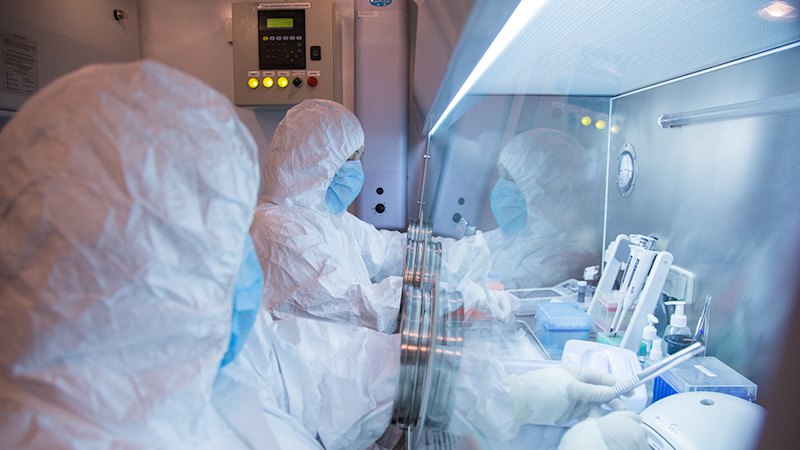
Panic broke out last week when Darya Shipilova, 28, a lab worker at the Irkutsk Anti-Plague Research Institute in Siberia, reportedly told medical staff that she had accidentally broken a test tube containing live bacteria
Darya's home has been disinfected by teams of workers following her death
Svetlana added that because she and other relatives have been locked up in quarantine, she has not been able to bury her daughter:
uncertain
she → break → daughter
'Who is going to bury her if we are sitting here imprisoned?'
asserted
we → go → her
She said of her daughter: 'She was such a hard worker.
asserted
She → say → daughter
It was hard for her supervisor, because she knew Dasha and knew exactly why she was hiring her.
asserted
she → know → her
'It is very difficult to get a job at the [Irkutsk] Anti-Plague Institute.
asserted
It → get → Institute
She had watched Dasha work during her internship and realised she was a genuinely decent person - a real workaholic.
asserted
she → watch → internship
At 10pm on the night Darya died, three vehicles pulled up outside Shipilova's two-storey apartment block in Irkutsk, local media reported.
asserted
media → die → Irkutsk
Workers wearing orange protective suits and gas masks carried containers before treating both entrances to the building with a pungent chemical.
asserted
Workers → wear → chemical
The smell was so acrid that neighbours had to open the doors because they could barely breathe, said a resident.
uncertain
resident → have → doors
The workers were sent by Russian health watchdog Rospotrebnadzor.
asserted
workers → send → Rospotrebnadzor
They told locals: 'Some girl died, a deadly dangerous virus.'
Since then, the building has been twice more disinfected.
asserted
building → tell → locals
Yesterday, amid reports of a second unconfirmed case of plague in Siberia, the World Health Organisation demanded answers from Russia.
uncertain
Organisation → demand → Russia
But Putin's Kremlin continued to stonewall the international body, claiming: 'No case of this dangerous disease has been recorded in the city of Irkutsk.'
The plague, the rare bacterial infection infamously known for killing tens of millions in 14th-century Europe, never went away.
asserted
case → stonewall → Europe
It is now easily treated with antibiotics.
asserted
It → treat → antibiotics
Since the 1990s, most human cases have been reported in Africa, especially Congo and Madagascar, according to the World Health Organization.
uncertain
cases → report → Organization
'People think the plague is gone, it was something that occurred 500 years ago.
asserted
that → think → ?
It's here amongst us,' said Simon Clarke of the University of Reading in the UK.
asserted
Clarke → say → UK
'Unless you get rid of those wild animals, which of course is not possible, then you're not going to get rid of the bacteria.'
People in Siberia have been dying of plague for at least 5,500 years.
asserted
People → rid → years
The earliest evidence of a form of the disease was found in teeth from ancient hunter-gatherers north of the region's Lake Baikal.
asserted
evidence → find → Baikal
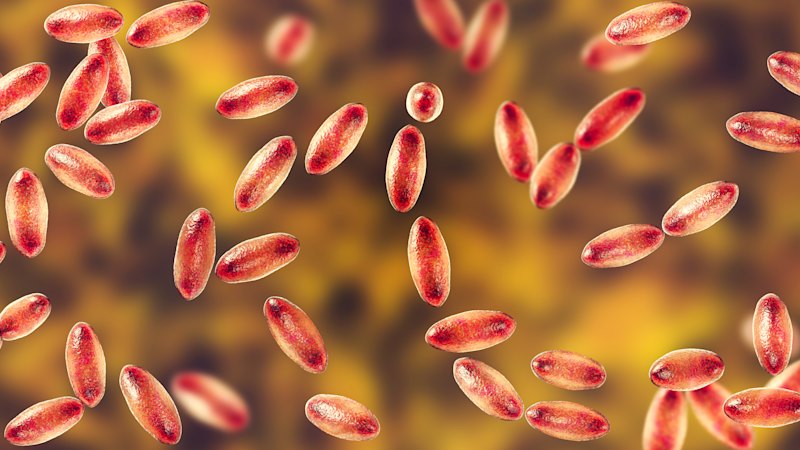
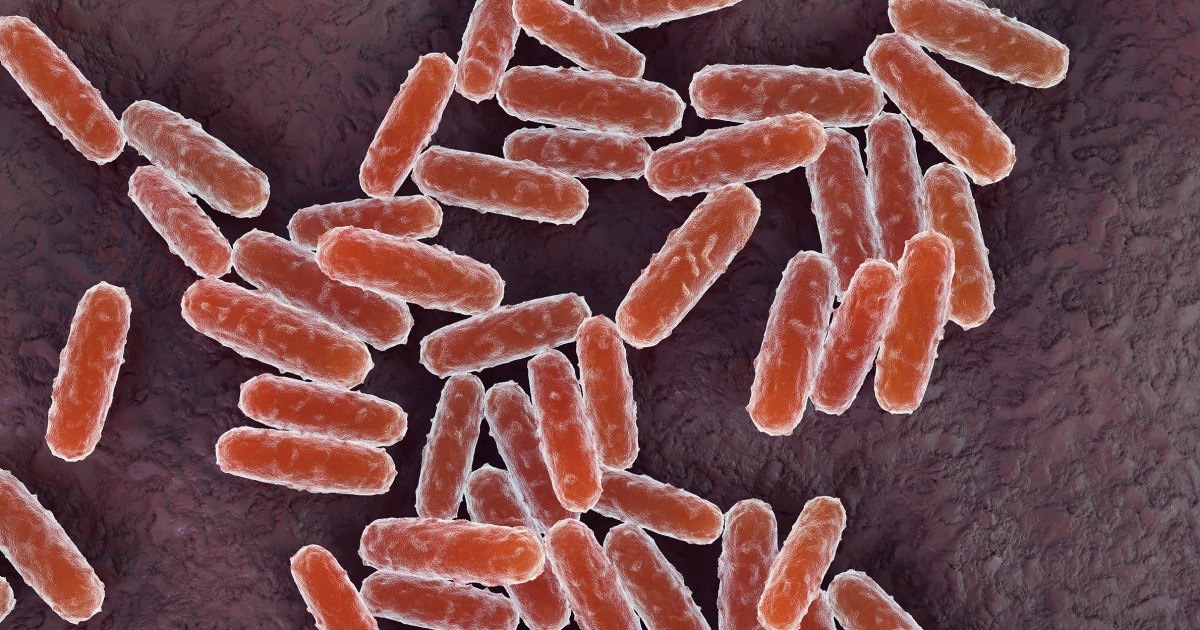
Pneumonic plague and the more well-known bubonic plague – also called the Black Death – are caused by the same bacteria, called Yersinia pestis.
asserted
plague → know → bacteria
The bacteria spread naturally among rodents like prairie dogs and rats.
asserted
bacteria → spread → dogs
Fleas that jump from infected animals and bite people can spread the disease.
asserted
that → jump → disease
It causes painfully swollen lymph nodes that are most commonly found in the groin, armpit and neck, called buboes.
asserted
that → cause → groin
Other symptoms include sudden high fever and chills, headaches, and pain in the abdomen, legs and arms, according to the Cleveland Clinic.
uncertain
symptoms → include → Clinic
There are two other forms of the plague: pneumonic plague, which can be caused by inhaling the bacteria, infects the lungs, while septicemic plague is an infection in the bloodstream.
asserted
plague → be → bloodstream
Both are fatal if not treated early, according to the World Health Organization.
uncertain
Both → treat → Organization
Bubonic plague will often develop into the other two forms of plague if untreated.
asserted
plague → develop → plague
Other than bites from infected fleas, people can also get plague by touching infected bodily fluids, so health experts recommend taking extra care when handling dead or sick animals.
asserted
experts → get → animals
…and 4 more, not listed.
 The Aporia