Eco-warriors want to turn up the heat on your wallet to fund their climate agenda

Read the original at Fox News ↗
Fox News · collected 2026-10-07 · by Daniel Turner, E.J. Antoni

Quick Summary

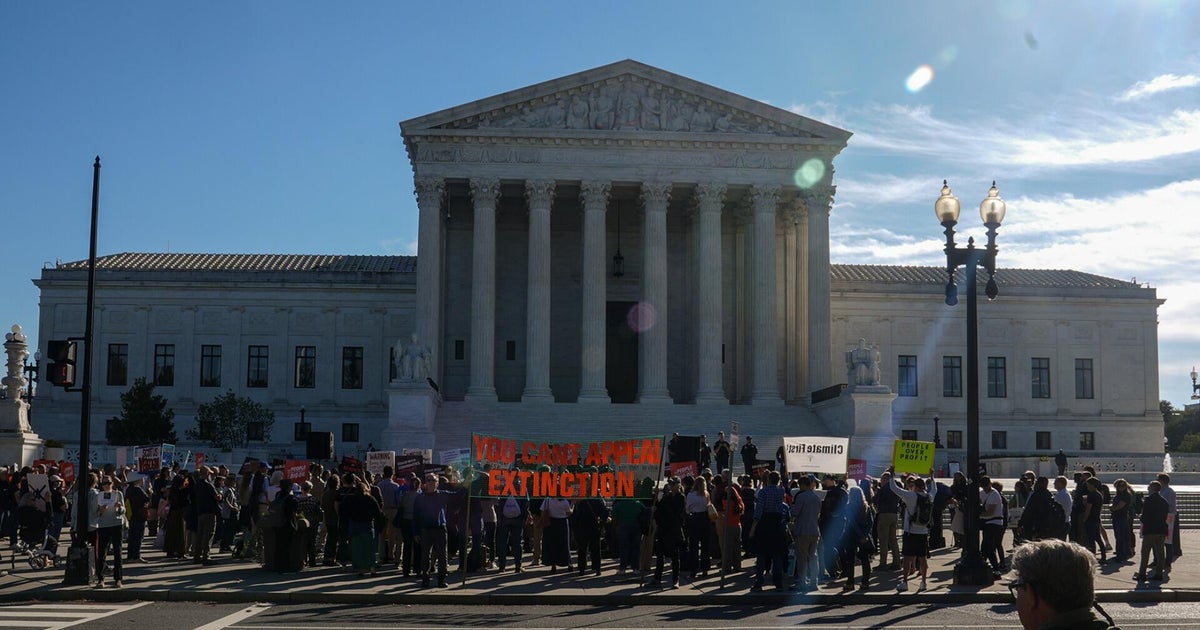
Climate activists are pushing for laws that could significantly increase energy costs for households. Their campaign includes legal actions, state statutes, and federal legislation aiming to make energy companies pay for climate change impacts, potentially raising annual household bills by $1,500 and nearly $15,000 over a decade. The article argues these measures will ultimately be passed on to consumers in the form of higher prices at the pump and meter, despite supporters’ claims that costs would not affect families' wallets directly.
Written locally by qwen2.5:14b on 2026-10-07, using this article's own text rather than the other coverage of the same event (that is the story summary below).

AI analysis runs on qwen2.5:14b, locally

Story summary

Climate activists are pushing a nationwide campaign to hold energy companies accountable for their contribution to climate change. The Supreme Court is currently reviewing Suncor Energy Inc. v. County Commissioners of Boulder County, one of the lawsuits that aim to make upstream suppliers liable for damages related to global warming. If successful, these legal efforts could raise the average household's annual energy bill by almost $1,500 per year and nearly $15,000 over a decade. The campaign includes tort litigation, state "climate superfund" statutes, and federal legislation. New York and Vermont have already enacted laws that impose significant financial liabilities on fossil fuel companies. Similar penalties are being considered in over a dozen other states, while members of Congress propose confiscating up to $1 trillion from polluters over 10 years through the Polluters Pay Climate Fund Act.

Written for “Climate Change Policies Cost” on 2026-10-07, grounded in this article and the 0 other(s) covering the same event.
Why this leaning score
The model judged this article politically coded and scored it -0.65, but every quote it verified points right, so the score is not published.
Written under an earlier scoring contract, which gave a paragraph rather than checkable quotes. Re-analysing this article replaces it.
Leaning score withheld for article 62289: score contradicts its own evidence · logged 2026-10-07

Signals How these are calculated →

Claims extracted
33
claim-shaped sentences
Uncertain
12%
4 of 33 hedged
Leaning
withheld
no quote in the article backed the model's score
Correction & hedging signals
68.6
corrections and hedging in what we collected; not a measure of accuracy
Outlets on this story
1
Environment
Narrative spread
1
articles carrying this framing
Analyzed 2026-10-07 · how these are computed

Story

📰 Climate Change Policies Cost
Environment · 1 article(s) covering the same event.

How this is being covered How these are calculated →

Article leaning vs. publisher reliability
Source leaning vs. consistency

Compared with similar articles

This article reads unscored and hedges 12% of its claims. Each row says how that neighbour differs.
Washington Examiner
⚖️ Leans strongly right 🔴 7% hedged 2 of 28 📰 publisher trust 72
“The articles discuss different aspects of climate policy and its impacts, rather than a single specific incident or occurrence.”
Los Angeles Times
⚖️ leaning not scored 🔴 33% hedged 19 of 57 📰 publisher trust 95
“Article A discusses the Supreme Court hearing arguments on whether oil companies can be forced to pay for climate damage, while Article B mentions a specific case (Suncor Energy Inc. v. County Commissioners of Boulder County) that is being heard by the Supreme Court as part of a broader campaign.”
The Straits Times
⚖️ Leans left 🔴 32% hedged 6 of 19 📰 publisher trust 59
“While both articles discuss the Supreme Court case Suncor v Boulder, Article A focuses on the hearing of climate lawsuits against oil companies, while Article B discusses broader implications and financial impacts of such legal actions. They cover different aspects related to the same case but do not describe the exact same event.”
CBS News
⚖️ leaning not scored 🔴 0% hedged 0 of 2 📰 publisher trust 66
“While both articles discuss a Supreme Court case related to climate change lawsuits, ARTICLE A focuses specifically on the oral arguments being heard, whereas ARTICLE B discusses broader impacts and strategies of climate litigation in general.”
CBS News
⚖️ Leans left 🔴 23% hedged 13 of 57 📰 publisher trust 66
“While both articles discuss a Supreme Court case involving climate change lawsuits against energy companies, they do not describe the exact same specific hearing or proceeding.”
Washington Examiner
⚖️ leaning not scored 🔴 41% hedged 9 of 22 📰 publisher trust 72
“While both articles discuss a Supreme Court case regarding climate change lawsuits against energy companies, they are published on different dates and focus on different aspects of the broader issue.”
Washington Examiner
⚖️ Leans left 🔴 6% hedged 1 of 18 📰 publisher trust 72
“While both articles mention the Supreme Court hearing a case involving Boulder's climate lawsuit, they describe different aspects and have distinct focuses.”
CBC News
⚖️ Leans left 🔴 15% hedged 6 of 41 📰 publisher trust 60
“The articles cover related topics but discuss different aspects of a broader issue, with Article A focusing on a specific hearing and Article B discussing the wider implications and strategies of climate litigation.”
The Independent
⚖️ Leans left 🔴 6% hedged 3 of 47 📰 publisher trust 59
“The articles discuss different aspects of policy impacts on energy costs; Article A focuses on a think tank's analysis about federal policy changes, while Article B discusses a campaign by climate activists and legal challenges.”
Unpacking the Suncor Oral Argument different event · 20%
Reason
⚖️ leaning not scored 🔴 20% hedged 2 of 10 📰 publisher trust 66
“The articles discuss different aspects of the Suncor case, with Article A focusing on the oral argument and analysis while Article B discusses broader implications for energy bills from climate litigation strategies.”

Publisher

Fox News · 3077 article(s) · 4 correction(s) detected
Running correction rate · 4 correction(s)
2026-10-03
Tennessee's state corrections chief resigns following failed execution of Christa Pike
2026-09-30
Repeat offender with lengthy rap sheet accused of gunning down Kentucky trooper during traffic stop
2026-09-23
Missouri mom who put newborn in oven instead of crib learns fate as murder charge dropped
2026-08-04
Pennsylvania school bus aide accused of sexually assaulting special needs teen

Who wrote this

Daniel Turner
1 article(s) here · 1 carrying a prediction
🔮 They’ve launched a massive, nationwide campaign of lawfare which, if successful, would raise the average household’s annual energy bill by almost $1,500 per year and nearly $15,000 over a decade.
The only article under this byline in the corpus.
E.J. Antoni
1 article(s) here · 1 carrying a prediction
🔮 They’ve launched a massive, nationwide campaign of lawfare which, if successful, would raise the average household’s annual energy bill by almost $1,500 per year and nearly $15,000 over a decade.
The only article under this byline in the corpus.

Topics

County Commissioners of Boulder County D.C. New York Suncor Energy Inc. The Supreme Court

Subjects

Congress ORG · 2× New Jersey GPE · 2× Americans NORP · 1× County Commissioners of Boulder County ORG · 1× D.C. GPE · 1× David Bookbinder PERSON · 1× New York GPE · 1× Suncor Energy Inc. ORG · 1× The Supreme Court ORG · 1× Vermont GPE · 1×

Narrative

For context, that’s an average of about 41 cents on a gallon of gasoline and 1.5 cents per kilowatt-hour, or a 9% jump in your electricity rate, while 41 cents per gallon is about four-fifths of all the federal and state gas taxes consumers already pay.
framing: assertive · carried by 1 article(s) · first seen 2026-10-07
🔮 They’ve launched a massive, nationwide campaign of lawfare which, if successful, would raise the average household’s annual energy bill by almost $1,500 per year and nearly $15,000 over a decade.

Claims (33 extracted, 4 hedged)

If you think your energy bills are high now, just wait until the climate activists get their way. asserted
activists → think → way
They’ve launched a massive, nationwide campaign of lawfare which, if successful, would raise the average household’s annual energy bill by almost $1,500 per year and nearly $15,000 over a decade. asserted
which → launch → decade
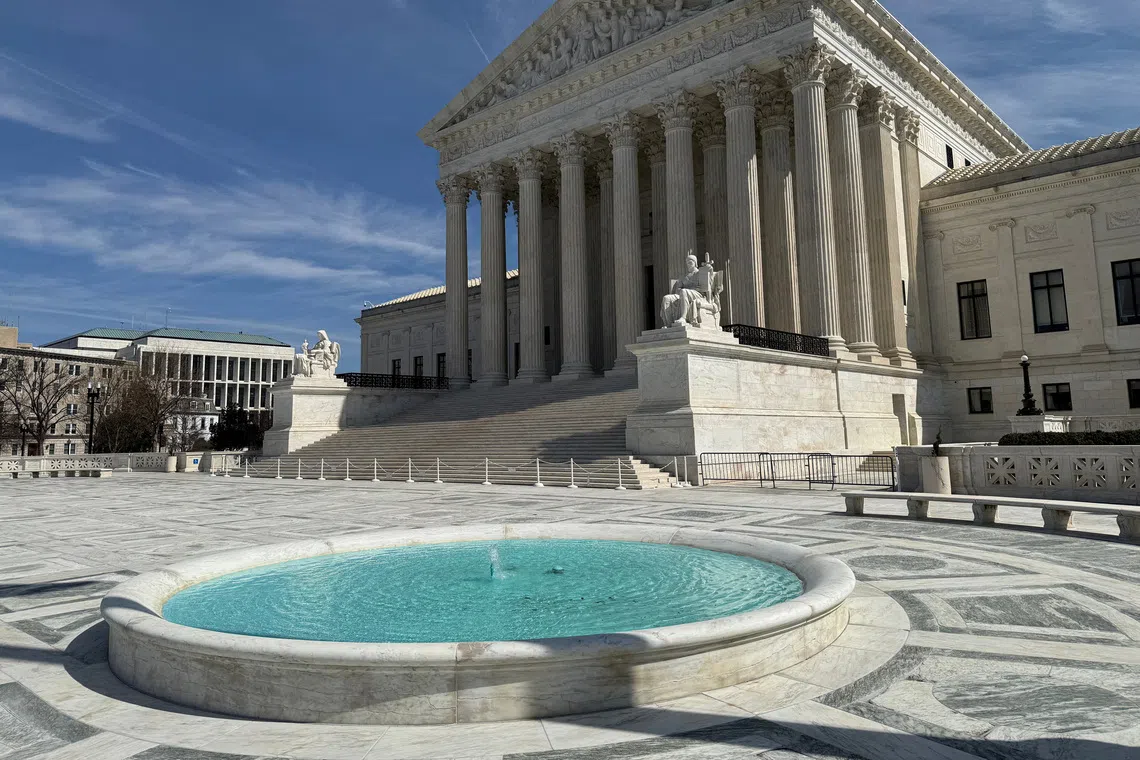
The Supreme Court is currently hearing one such case (Suncor Energy Inc. v. County Commissioners of Boulder County). asserted
Court → hear → County
The campaign essentially has three avenues of attack: tort litigation, state "climate superfund" statutes and federal legislation. asserted
campaign → have → attack
Each category represents enormous charges on upstream suppliers which, of course, will then move downstream to households at the pump and the meter. asserted
which → represent → pump
Over 30 lawsuits demand that energy companies pay for unproven impacts on global climate change, with filings by 11 states, D.C., and dozens of cities. asserted
companies → demand → cities
New York and Vermont simply legislated this liability into existence through climate superfund laws — the former capped at $75 billion with the latter leaving liabilities uncapped. asserted
latter → legislate → liabilities
A dozen other states have tried similar penalties, as have members of Congress with the so-called Polluters Pay Climate Fund Act, which would confiscate $1 trillion over 10 years. asserted
which → try → years
Supporters insist none of this will hit families’ wallets, that assessments target past production and that shareholders will pay for it. asserted
shareholders → insist → it
Those claims don’t stand up to the facts. uncertain
claims → stand → facts
Businesses must pass costs to consumers, and that’s exactly what will happen here, regardless of whether some government bureaucrat decrees specific costs to be from yesteryear. asserted
costs → pass → consumers
Those same firms must also price future risk, which would increase dramatically if business could be retroactively punished for legal activity 30 years ago. uncertain
business → price → activity
For many power plants and energy infrastructure projects, which take decades to pay off and recoup initial investments, this additional risk means such projects may never even be undertaken. uncertain
projects → take → investments
For those that do move forward, firms must charge consumers higher prices to counter the additional risk of fickle government potentially imposing massive fines. asserted
government → move → fines
And even if costs were confined to shareholders, as opposed to ratepayers or drivers filling up their tanks, those shareholders are still middle-class Americans. asserted
shareholders → confine → tanks
Energy stocks are held in pension funds and 401(k)s of blue-collar workers like teachers, pipefitters, firefighters, electricians and police officers. asserted
stocks → hold → teachers
"Making shareholders pay" means raiding retirement accounts to finance the pet projects of climate activists, like carbon taxes. asserted
shareholders → make → taxes
In fact, one of the lawyers who helped launch this climate lawfare crusade, David Bookbinder, even admitted that the desired outcome is an indirect carbon tax, with companies passing costs to consumers in the form of higher prices. asserted
companies → help → prices
Our analysis agrees, putting the tab for all these lawsuits and legislative efforts at roughly $194 billion annually. asserted
analysis → agree → billion
For context, that’s an average of about 41 cents on a gallon of gasoline and 1.5 cents per kilowatt-hour, or a 9% jump in your electricity rate, while 41 cents per gallon is about four-fifths of all the federal and state gas taxes consumers already pay. asserted
consumers → ’ → taxes
One in six households is behind on their energy bills, and one in four has cut spending on food or medicine to pay for them. asserted
one → cut → them
And since low-income families spend nearly four times the share of their income on energy as everyone else, the pseudo-carbon taxes of climate activists would be highly regressive. asserted
taxes → spend → activists
Perhaps to hide this fact, New Jersey legislators renamed their $50-billion assessment to the proposed "Polluters Pay to Make New Jersey More Affordable Act." asserted
Jersey → hide → Act
But a nationwide carbon tax is unlikely to pass because Congress could be held accountable by voters for such an unpopular and costly measure. uncertain
Congress → pass → measure
Conversely, a carbon tax cobbled together from court verdicts and retroactive assessments is an unconstitutional way to short-circuit voters’ ultimate veto. asserted
tax → cobble → veto
Businesses must pass costs to consumers, and that’s exactly what will happen here, regardless of whether some government bureaucrat decrees specific costs to be from yesteryear. asserted
costs → pass → yesteryear
That’s why Maryland’s Supreme Court threw out three of these suits early this year, observing that even precautions like perfect warning labels would’ve been a drop in the bucket of global emissions. asserted
precautions → ’ → emissions
But lawfare isn’t only about winning because the process is the punishment. asserted
process → win → ?
Dismissals don’t absolve legal fees and other costs. asserted
Dismissals → absolve → fees
Risk premiums rise in the face of lawfare, even when energy companies consistently win, and the associated costs eventually reach customers’ bills. asserted
costs → rise → bills
The better path is to produce more energy, not less, and thereby lower costs for consumers. asserted
path → produce → consumers
Reliable power plants need to keep running and new ones should be added to fuel growing demand. asserted
ones → need → demand
The alternative from the other side is a $1,500 annual tax on households that no one voted for. asserted
one → vote → that

💬Give feedback
🕘History 🎫Support