That is 0 articles you have read today.
The Aporia is free and carries no advertising, so readers are the only
thing paying for it. If you are getting this much out of it, a small
donation is what keeps it independent.
Daily limit reached
You have read 0 articles today.
That is more than the 15 a day The Aporia gives away,
and well past what it can carry on nothing. Your allowance resets at
midnight.
There is no advertising here and nothing about you is sold, so readers
are the only thing paying for it. If the site is worth this much of
your day, it is worth a few dollars.
Everything else stays open: the
maps, the
directory and
search do
not count against this, and neither does re-opening something you have
already read today.
Gabriel Paul Horcasitas, convicted of killing Christopher Pelkey during a road-rage incident in Arizona in 2021, will face resentencing after an appeals court ruled that an AI-generated video of Pelkey forgiving him should not have been admitted as evidence. The video, created by Pelkey’s family using his images and recordings, depicted an imagined scenario where Pelkey forgave Horcasitas, which the appeals court deemed inappropriate for a victim-impact statement. The court ordered a new sentencing hearing to ensure fairness in the process without including the AI-generated content.
Written locally by qwen2.5:14b on 2026-10-04,
using this article's own text rather than the other coverage of the
same event (that is the story summary below).
Story summary
In Phoenix, Arizona on Wednesday, the Arizona Court of Appeals overturned the 10-year manslaughter sentence of Gabriel Paul Horcasitas due to an AI-generated video presented during his sentencing hearing. The video depicted the deceased victim, Christopher Pelkey, forgiving his killer and speaking directly to Horcasitas, which the court deemed unreliable as it did not reflect actual events but rather the imaginings of Pelkey's sister, Stacey Wales. Judge Todd Lang had praised the video, calling it "genuine," before sentencing Horcasitas beyond what prosecutors initially requested. The appeals court found that this AI evidence was a "fundamental error" and deemed the sentencing process unfair as a result.
Written for “AI Victim Video Court Case” on 2026-10-04,
grounded in this article and the 5 other(s) covering the same event.
Why this leaning score
This article does not take a side on a contested political
question, so it has no leaning score. That is an
answer rather than a gap: a match report or a rescue can be warmly
or critically written without being left or right, and scoring it
anyway is how approval of a subject gets recorded as a political
position.
No political leaning scored for article 55573 · logged 2026-10-04
An Arizona man convicted of fatally shooting a motorist during a road-rage confrontation will be resentenced after an appeals court ruled that an AI-generated video of the victim addressing him should not have been shown in court.
asserted
video → convict → court
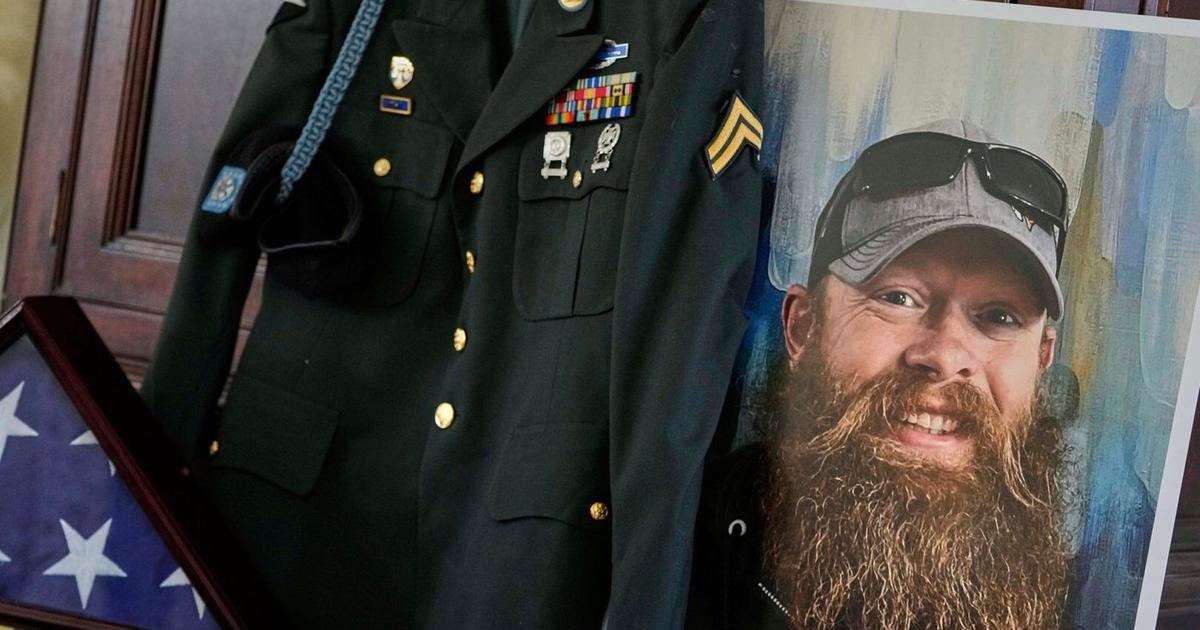
Gabriel Paul Horcasitas, 55, was convicted of killing 37-year-old Christopher Pelkey during a confrontation at a traffic light in 2021.
asserted
Horcasitas → convict → 2021
He was sentenced to about 10 years in prison, but challenged the sentence after the trial judge allowed Pelkey's family to present an AI-generated video of the dead victim during the sentencing hearing.
asserted
family → sentence → hearing
The BBC and Reuters reported that the Arizona Court of Appeals upheld Horcasitas' conviction but ordered a fresh sentencing hearing.
asserted
Court → report → hearing
The three-judge appeals panel said the AI video went beyond a conventional victim-impact statement because it presented thoughts attributed to Pelkey that he had never actually expressed.
asserted
he → say → that
The court said the use of the video made the sentencing procedure "fundamentally unfair".
asserted
procedure → say → video
What did the AI video show?
asserted
video → show → What
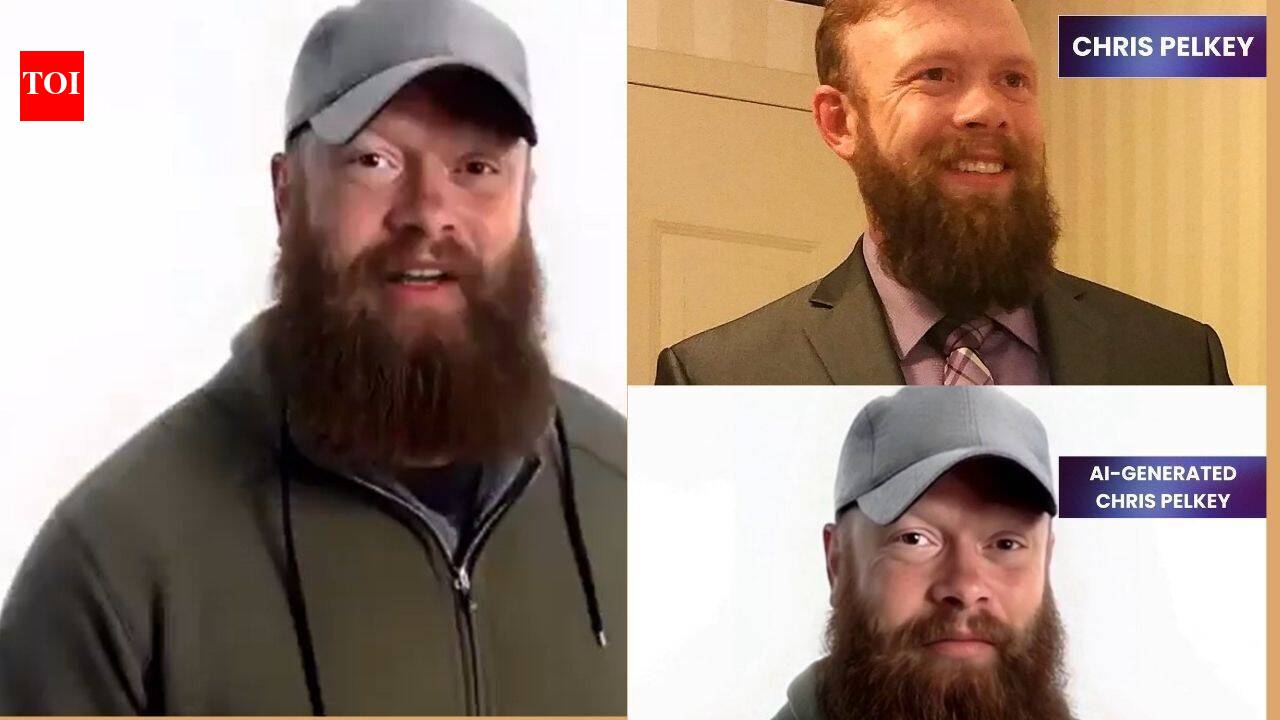
Pelkey's family created the video using his photographs, videos and voice recordings.
asserted
family → create → photographs
It showed an AI-generated version of Pelkey wearing a grey baseball cap and speaking directly to Horcasitas.
asserted
Pelkey → show → Horcasitas
"To Gabriel Horcasitas, the man who shot me, it is a shame we encountered each other that day in those circumstances.
asserted
we → shoot → circumstances
In another life, we probably could have been friends," the AI version of Pelkey said.
uncertain
version → say → Pelkey
"I believe in forgiveness, and a God who forgives.
asserted
who → believe → forgiveness
I always have and I still do," it added.
asserted
it → have → ?
Pelkey's sister Stacey Wales had earlier told the BBC that the family created the video to portray her brother and communicate the impact his death had on those around him.
asserted
death → tell → him
Why did court reject AI video?
asserted
court → reject → video
The appeals court said the video was different from an actual recording of Pelkey or a reconstruction of something he had said while alive.
asserted
he → say → something
Instead, it depicted his imagined thoughts, based on material created by his sister.
asserted
it → depict → sister
"Rather than document an event or recording a particular moment, the AI video presents a depiction of the victim and his thoughts created from the imaginings of the victim's sister," the court said.
asserted
court → document → sister
The trial judge, Todd Lang, had appeared to respond positively to the video during the sentencing.
asserted
judge → appear → sentencing
"I loved that AI, thank you for that," Lang said, adding that he heard forgiveness in the message.
asserted
he → love → message
The appeals ruling does not overturn Horcasitas' manslaughter conviction.
asserted
ruling → overturn → conviction
His sentence will now be determined again by a lower court without the disputed AI video.
asserted
sentence → determine → video
 The Aporia