That is 0 articles you have read today.
The Aporia is free and carries no advertising, so readers are the only
thing paying for it. If you are getting this much out of it, a small
donation is what keeps it independent.
Daily limit reached
You have read 0 articles today.
That is more than the 15 a day The Aporia gives away,
and well past what it can carry on nothing. Your allowance resets at
midnight.
There is no advertising here and nothing about you is sold, so readers
are the only thing paying for it. If the site is worth this much of
your day, it is worth a few dollars.
Everything else stays open: the
maps, the
directory and
search do
not count against this, and neither does re-opening something you have
already read today.
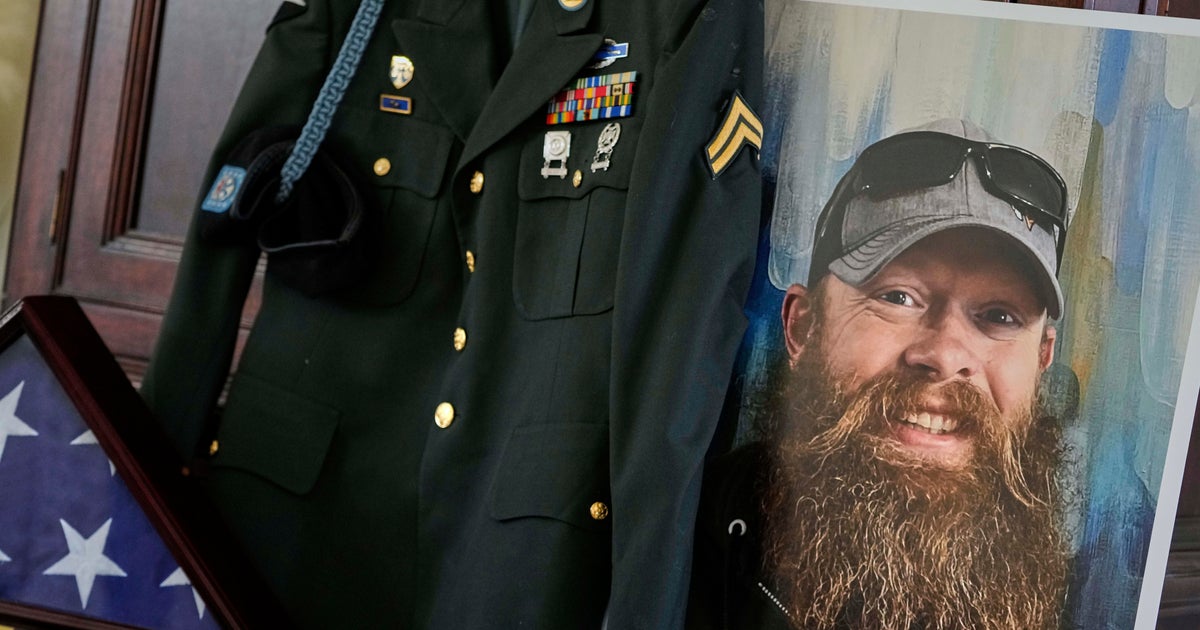
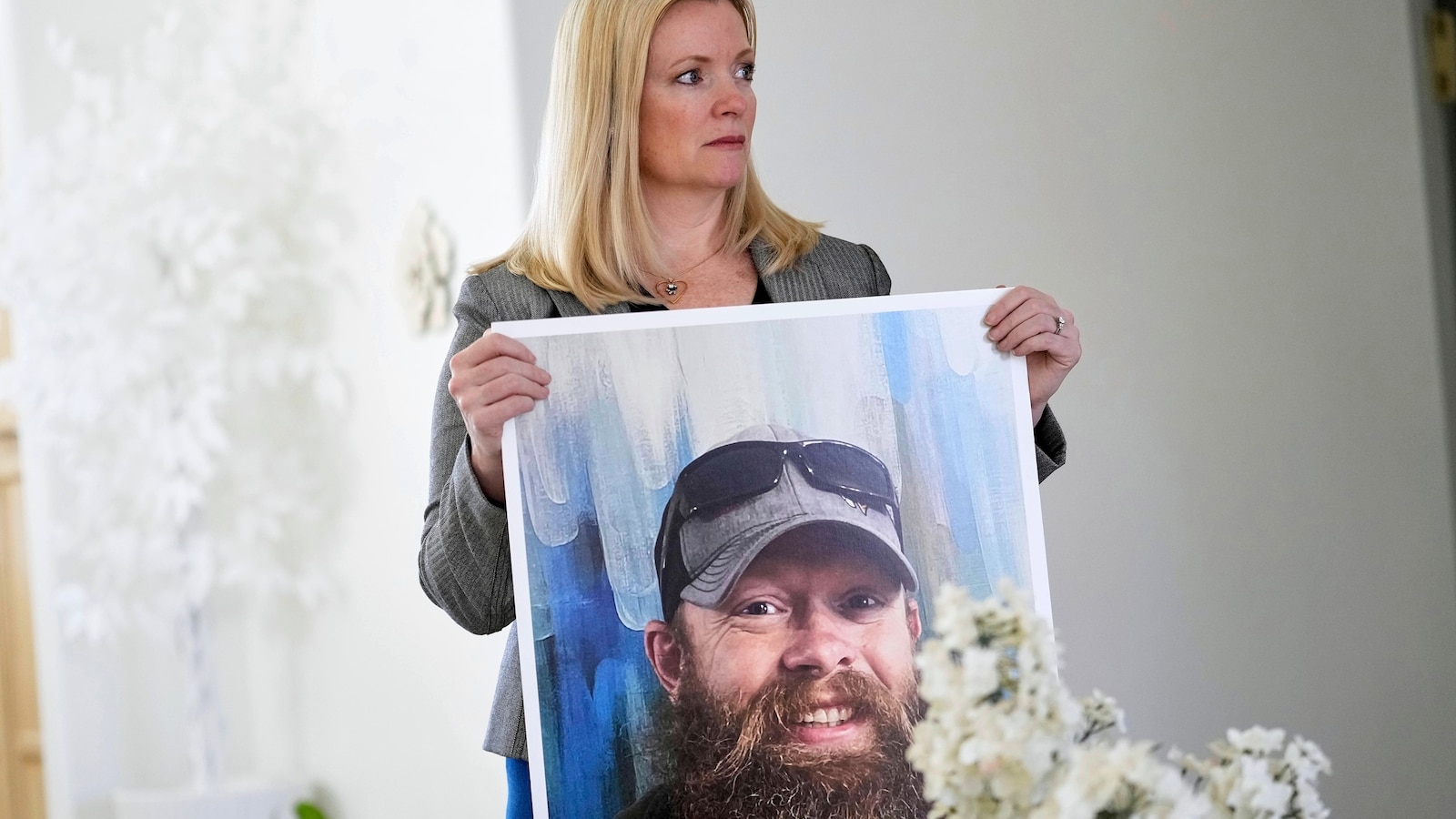
In an Arizona court case, a judge sentenced Gabriel Horcasitas to 10 and a half years for manslaughter after watching an AI-generated video of Christopher Pelkey forgiving his killer. The appellate court later ruled that this video had undue emotional influence on the sentencing decision and ordered a resentencing hearing. Matthew Gault at 404 Media spoke with Pelkey’s sister, Stacey Wales, who created the video to emotionally impact the judge during sentencing proceedings.
Written locally by qwen2.5:14b on 2026-10-07,
using this article's own text rather than the other coverage of the
same event (that is the story summary below).
Story summary
In Phoenix, AZ, a court has overturned the 10-year manslaughter sentence of Gabriel Paul Horcasitas after an AI-generated video of the deceased victim, Christopher Pelkey, was shown during sentencing in May 2025. The Arizona Court of Appeals ruled that the digital recreation, created by Pelkey’s sister Stacey Wales using her brother's voice recordings and photos to speak "from his heart," prejudiced Judge Todd Lang's decision. Lang called it “genuine” and said he "loved" the video, which depicted Pelkey forgiving Horcasitas despite the shooting during a 2021 road rage incident. The appeals court found that the AI presentation was unreliable as it did not reflect actual events but rather imagined thoughts of the victim’s sister, thus making the sentencing “fundamentally unfair.”
Written for “AI Victim Video Court Case” on 2026-10-07,
grounded in this article and the 10 other(s) covering the same event.
Why this leaning score
The model judged this article politically coded and scored it -0.35, but all 3 of its quote(s) are attributed speech - words the article quotes from someone, not the article's own narration, so the score is not published.
Written under an earlier scoring contract, which gave a paragraph
rather than checkable quotes. Re-analysing this article replaces it.
Leaning score withheld for article 63070: attributed speech only · logged 2026-10-07
Howdy, it's hump day and we're rolling along.
asserted
we → roll → ?
Today we've got an update on a very strange case involving a man whose image was resurrected from the dead via AI and made to appear in front of a judge to announced "forgiveness" of his murderer.
asserted
image → get → murderer
404 Media contributor Matthew Gault had a long conversation with the man's sister, who wrote the words and generated the video, and she said that swaying the judge was the entire point.
asserted
swaying → have → judge
THE BIG STORY
A man convicted of manslaughter in Arizona will be resentenced because an AI-generated video of his victim speaking from beyond the grave was ruled to have carried “undue emotional weight” as an impact statement.
asserted
victim → convict → statement
An appellate court in Arizona ruled that the manslaughter charge will remain, but the judge must reconsider the length of the man’s prison term because of AI.
asserted
judge → rule → AI
In 2021, Gabriel Horcasitas shot and killed Christopher Pelkey during a road rage incident.
asserted
Horcasitas → shoot → incident
A jury found him guilty of manslaughter.
asserted
him → find → manslaughter
During Horcasitas’ sentencing hearing, Pelkey’s sister Stacey Wales played an AI-generated video of her brother as part of her victim’s impact statement.
asserted
sister → play → statement
In the video, which she scripted with her own words that she made an AI generated likeness of Pelkey say, the AI avatar of Pelkey forgives his killer and said they “could have been friends” in another life.
uncertain
they → script → life
“I loved that video,” the judge said while handing down the maximum sentence of 10 and a half years.
asserted
judge → love → years
Wales told 404 Media that her intent with the video was to sway the judge.
asserted
intent → tell → judge
“Isn’t that what you want human connection to be?” she said.
asserted
she → want → ?
“Do you ever come out of a movie and say: ‘Well, that was too emotional.
asserted
that → come → movie
Human connection is powerful, and trying to convey that to somebody that's never known another person, this person on the earth, to convey their lifetime of 37 years down to a two-hour sentencing event is hard to do, and I think that victims and victims' families should be afforded every opportunity.”
asserted
victims → try → opportunity
Several recently introduced pieces of legislation would, if passed, dramatically curb federal agencies’ access to Flock cameras, with the lawmakers referencing reporting by 404 Media in their explanations for why the legislation is needed.
asserted
legislation → introduce → explanations
“At a time of growing concern about the unchecked power of artificial intelligence, Flock is eviscerating the very notion of privacy by installing tens of thousands of cameras in communities across America without their consent,” Bernie Sanders said.
asserted
Sanders → grow → consent
 The Aporia