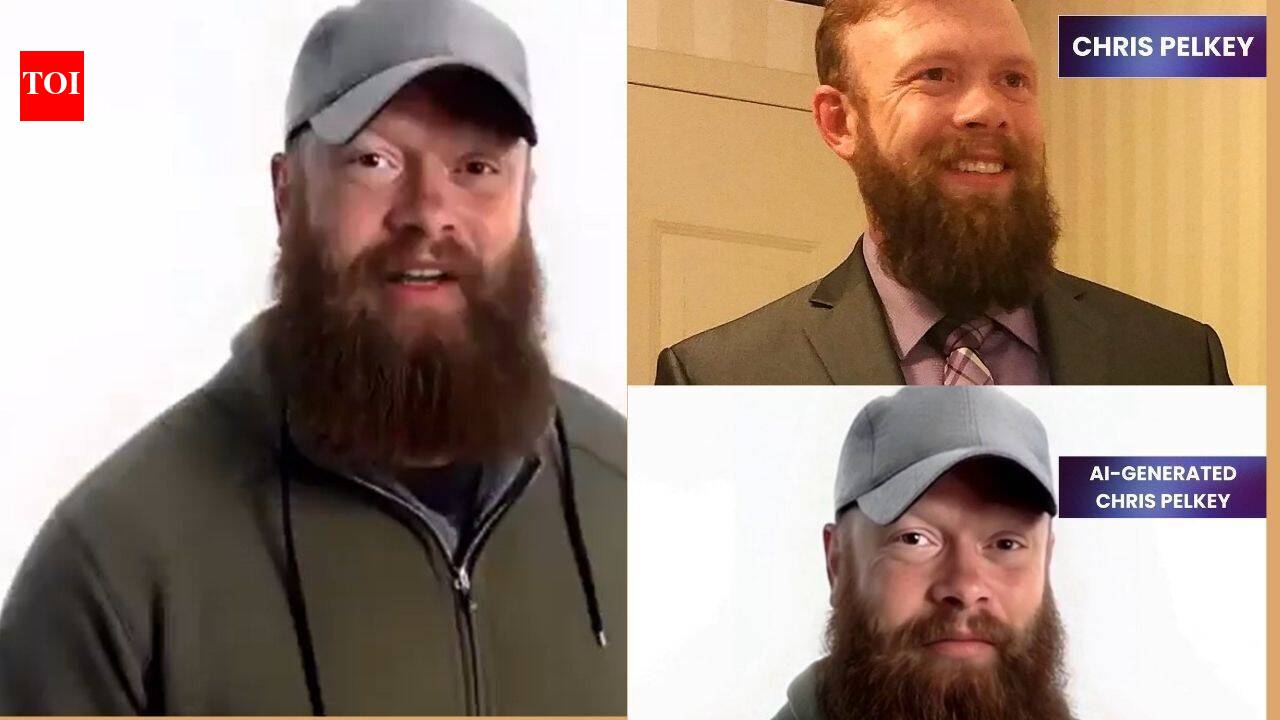
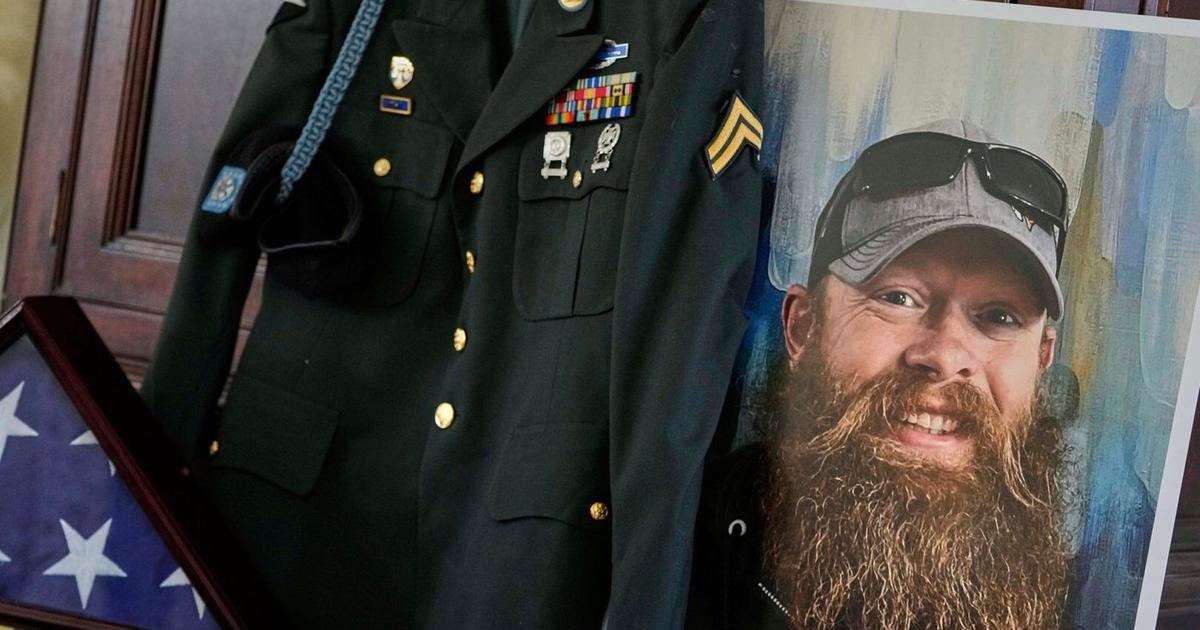
An Arizona appeals court has overturned Gabriel Paul Horcasitas’s 10 1/2-year sentence for manslaughter in the fatal shooting of Christopher Pelkey. Last year, during sentencing, an AI-generated video featuring a likeness of Pelkey expressing forgiveness was shown; Judge Todd Lang remarked he “loved” it and felt it was genuine. The appeals court ruled this violated Horcasitas’s due process rights because it was unduly prejudicial, as the video did not reflect actual events but rather what Pelkey’s sister believed he would have said.
Written locally by qwen2.5:14b on 2026-10-04,
using this article's own text rather than the other coverage of the
same event (that is the story summary below).
Story summary
In Phoenix, Arizona in November 2021, Gabriel Paul Horcasitas was convicted of manslaughter for fatally shooting Christopher Pelkey during a road rage incident. In May 2025, before his sentencing, an AI-generated video created by Pelkey’s family was shown to the court where an AI depiction of Pelkey spoke about forgiveness and reconciliation with Horcasitas. Maricopa County Superior Court Judge Todd Lang cited this video as influencing his decision to sentence Horcasitas to 10 ½ years in prison.
However, on September 30, 2025, the Arizona Court of Appeals overturned Horcasitas’s sentence, ruling that allowing an AI-generated depiction of a victim who could not provide actual testimony was prejudicial and fundamentally unfair. The court found that while the video did reflect Pelkey's forgiveness sentiments, it crossed legal boundaries by presenting thoughts from someone who had never expressed them in reality.
The appeals court concluded that Horcasitas must be resentenced due to this procedural error, highlighting concerns over how AI technology is used in judicial proceedings involving victim impact statements.
Written for “AI Victim Video Sentencing Case” on 2026-10-05,
grounded in this article and the 7 other(s) covering the same event.
Why this leaning score
This article does not take a side on a contested political
question, so it has no leaning score. That is an
answer rather than a gap: a match report or a rescue can be warmly
or critically written without being left or right, and scoring it
anyway is how approval of a subject gets recorded as a political
position.
No political leaning scored for article 56101 · logged 2026-10-04
The family of a road rage victim in Arizona used his likeness to create a posthumous AI video played at his killer’s sentencing last year.
asserted
family → use → sentencing
Now, an appeals court has vacated the sentence, calling the decision to allow the video a “fundamental error.”
asserted
court → vacate → video
Last May, Maricopa County Superior Court Judge Todd Lang gave Gabriel Paul Horcasitas the maximum sentence for the fatal shooting of Christopher Pelkey, 37, on Nov. 13, 2021.
uncertain
Lang → give → Nov.
Horcasitas, 54, was convicted of manslaughter and endangerment.
asserted
Horcasitas → convict → manslaughter
The 10 1/2-year sentence was handed down after an AI-generated video was played in court in which a replica of Pelkey voiced “forgiveness” for Horcasitas.
asserted
replica → hand → Horcasitas
On Wednesday, the Arizona Court of Appeals in Phoenix ordered a resentencing, writing that the video “clearly impacted the sentencing judge, who said he ‘loved’ the video and felt it ‘was genuine.’”
asserted
it → order → video
“On this record, the judge’s consideration of the AI video so prejudiced Horcasitas as to render the sentencing procedure fundamentally unfair,” the appellate judges stated.
asserted
judges → prejudice → Horcasitas
“Accordingly, we vacate the sentence for manslaughter and remand for resentencing.”
asserted
we → vacate → resentencing
NBC News has reached out to lawyers for Horcasitas and for Pelkey’s family for comment.
asserted
News → reach → comment
At the 2025 sentencing, the AI version of Pelkey, created by his sister Stacey Wales, appeared to ask the judge for leniency.
asserted
version → create → leniency
“To Gabriel Horcasitas, the man who shot me: It is a shame we encountered each other that day in those circumstances,” the artificial version of Pelkey said.
asserted
version → shoot → Pelkey
I believe in forgiveness.”
asserted
I → believe → forgiveness
Lang appeared to be moved by the presentation.
asserted
Lang → appear → presentation
“I loved that AI.
asserted
I → love → AI
Thank you for that, and as angry as you are and justifiably angry as the family is, I heard the forgiveness and I know Mr. Horcasitas appreciated it, but so did I,” Lang said at the hearing.
asserted
Lang → thank → hearing
He added that he felt the video was “genuine, that his obvious forgiveness of Mr. Horcasitas reflects the character I heard about [Pelkey] today.”
asserted
I → add → Pelkey
“But it also says something about the family because you told me how angry you were and you demanded the maximum sentence, and even though that’s what you wanted you allowed [Pelkey] to speak from his heart as you saw it,” Lang said.
asserted
Lang → say → it
“I didn’t hear him asking for the maximum sentence.”
asserted
him → hear → sentence
The defense had requested the lowest possible sentence, but Lang imposed the maximum, saying that despite Horcasitas’ “remorse” and otherwise “lawful life,” the loss described by Pelkey’s family “could not be more profound.”
uncertain
loss → request → family
According to the appeals court, Horcasitas argued he was denied due process because the sentencing court heard and relied on the AI video.
uncertain
court → accord → video
The state countered that the video reflected what Pelkey’s sister believed he “would have said” and that it was “consistent” with Pelkey’s written account of his beliefs and values.
asserted
it → counter → beliefs
But the appeals court found the video “crossed that line” from permissible to unduly prejudicial, noting that it “does not reflect actual events.”
“Indeed, rather than documenting an event or recording a particular moment,” it stated, “the AI video presents a depiction of the victim and his thoughts created from the imaginings of the victim’s sister.”
asserted
video → find → sister
 The Aporia