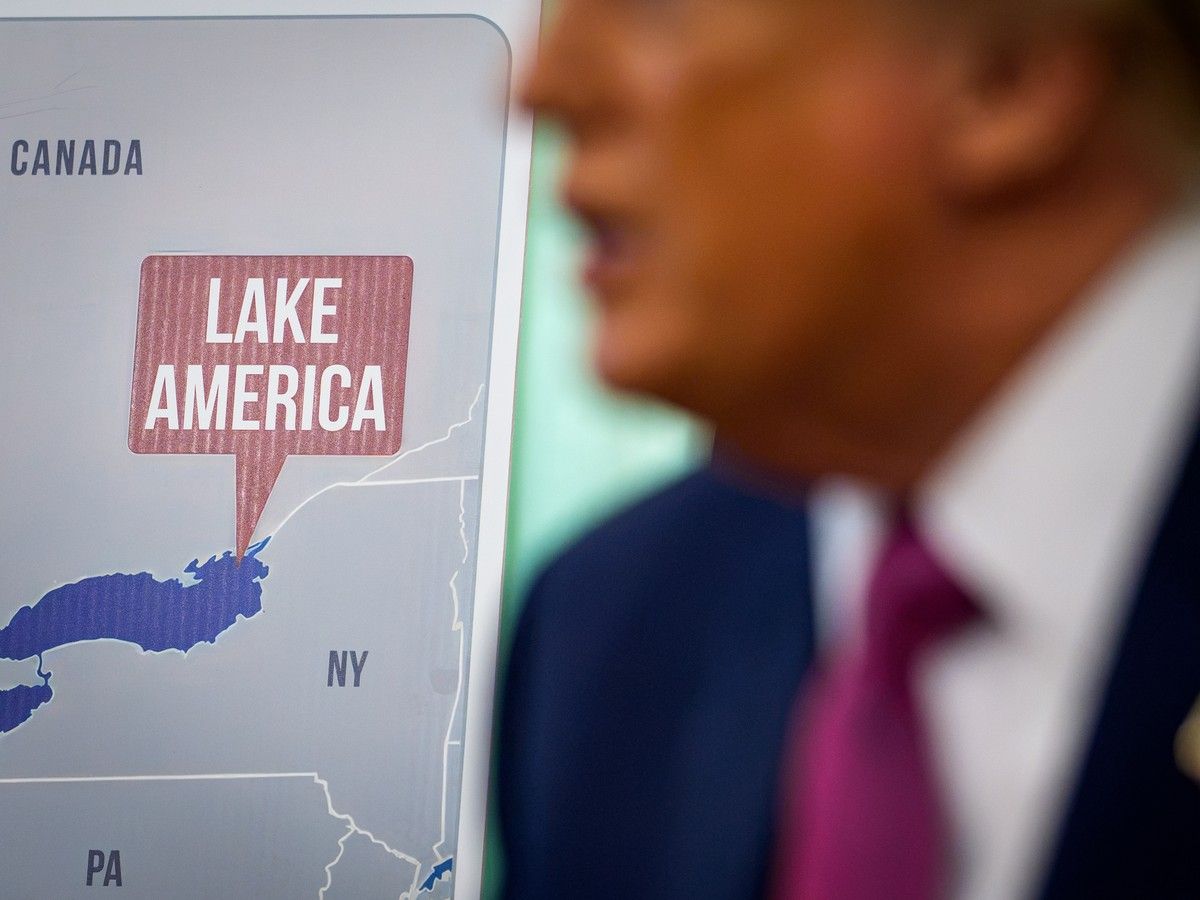
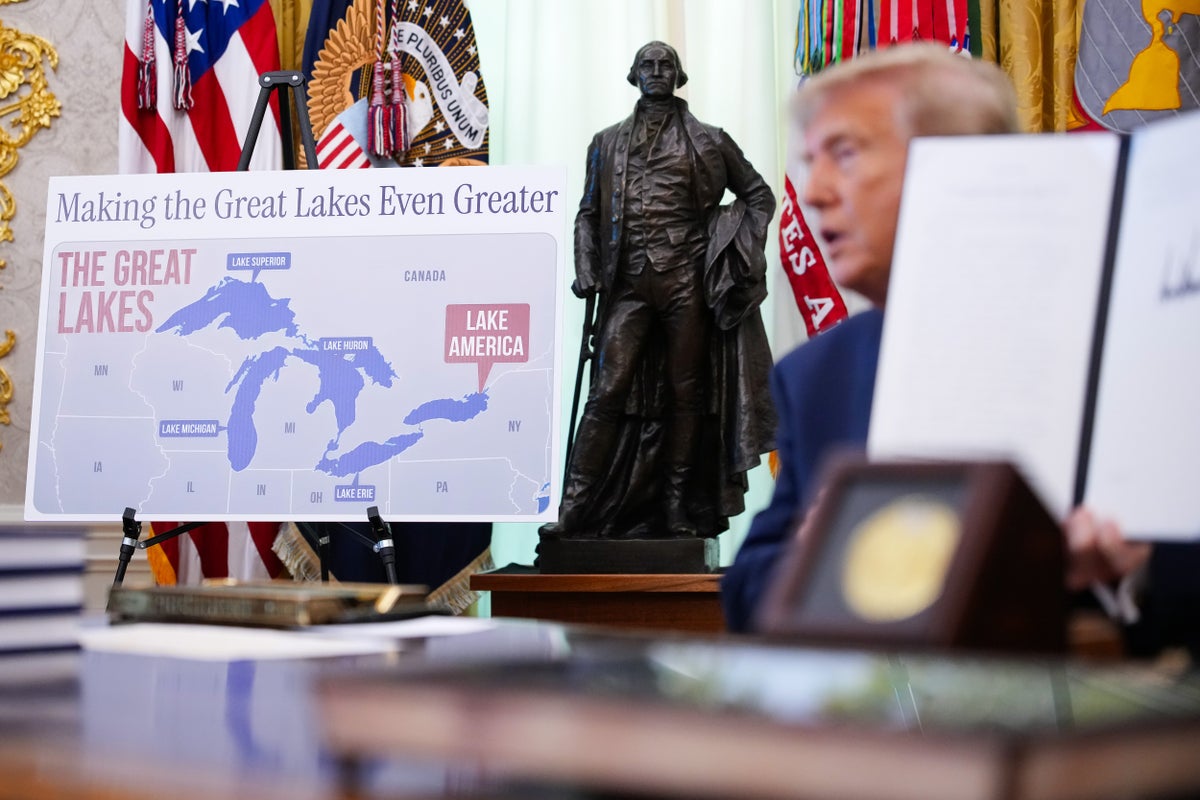
In an odd way, U.S. President Donald Trump’s renaming of Lake Ontario as Lake America demonstrates the limits of his power.
asserted
renaming → demonstrate → power
Yes, Trump elicited the annoyed responses he hoped for from Canadian politicians.
asserted
he → elicit → politicians
But the renaming is a symbolic gesture that binds only U.S. federal agencies.
asserted
that → bind → agencies
State governments and private entities in the U.S. can’t be required to use federal place names, and the order has even less clout beyond America’s borders.
asserted
order → require → borders
Relatively impotent though it is, renaming a body of water shared with another country is one of the few ways the president can provoke neighbors without risking a courtroom slap-down, as he’s received over tariffs.
asserted
he → rename → tariffs
It’s still more power than a president should have.
asserted
president → ’ → ?
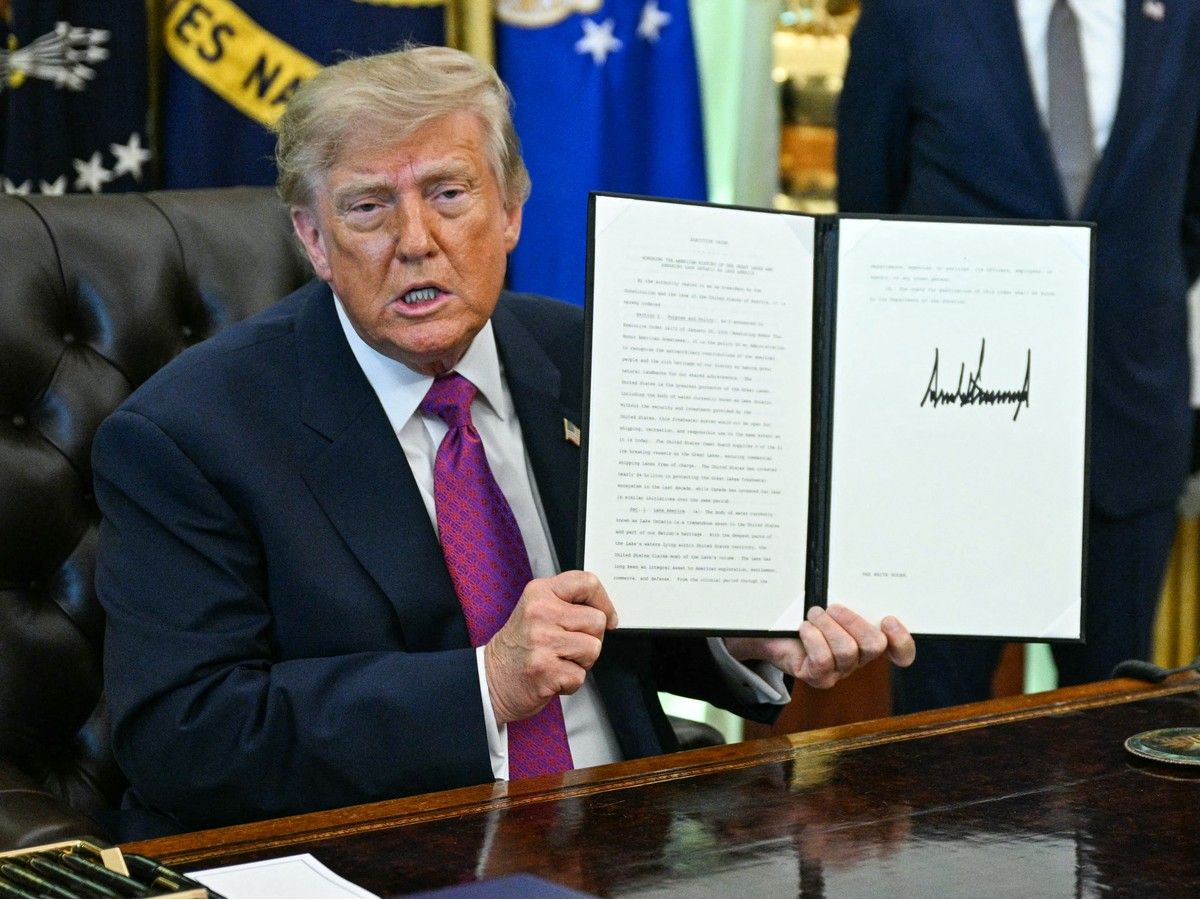
In his Aug. 27 executive order, President Trump directed that “(w)ithin 30 days of the date of this order, the Secretary of the Interior (Secretary) shall, in coordination with the Board on Geographic Names and consistent with 43 U.S.C. 364 through 364f, take all appropriate actions to rename as ‘Lake America’ the body of water currently named as Lake Ontario.”
asserted
Secretary → direct → Ontario
Sure enough, the secretary of the interior followed up with a directive “to immediately rename Lake Ontario to Lake America and to update the Geographic Names Information System to appropriately reflect the change.”
asserted
secretary → follow → change
President Trump’s move came after the recent collapse of trade talks and amidst much cross-border verbal sniping by members of his administration and Canadian officials.
asserted
move → come → administration
Trump didn’t get what he wanted in the abortive talks, which was essentially U.S. government-managed commerce between the people of the two countries.
asserted
which → get → countries
He did, however, get a sought-for rise out of politicians north of the border.
asserted
He → get → border
It turns out that, as much as the power of the U.S. presidency has grown beyond the bounds envisioned by the country’s founders, the office still operates within limits.
asserted
office → turn → limits
Even in the era of what scholar Gene Healy called The Cult of the Presidency in his book by that name, presidential orders apply only to the executive branch.
asserted
orders → call → branch
Affected federal agencies have wide, but finite reach.
asserted
agencies → have → reach
According to a U.S. Geological Survey discussion of the limits of the federal government’s Geographic Names Information System (GNIS), “Federal agencies must use GNIS for the publication of map, products or other services.
uncertain
agencies → accord → map
The decisions of the Board on Geographic Names (BGN) are only binding to federal departments and agencies.
asserted
decisions → bind → departments
A state may maintain its own names database or have other policies that govern state map production, but typically and for consistency, they use the names in GNIS.
uncertain
they → maintain → GNIS
Private mapping companies (e.g., Google Maps, Apple Maps, Esri) also use GNIS but are not required to do so.”
asserted
companies → use → GNIS
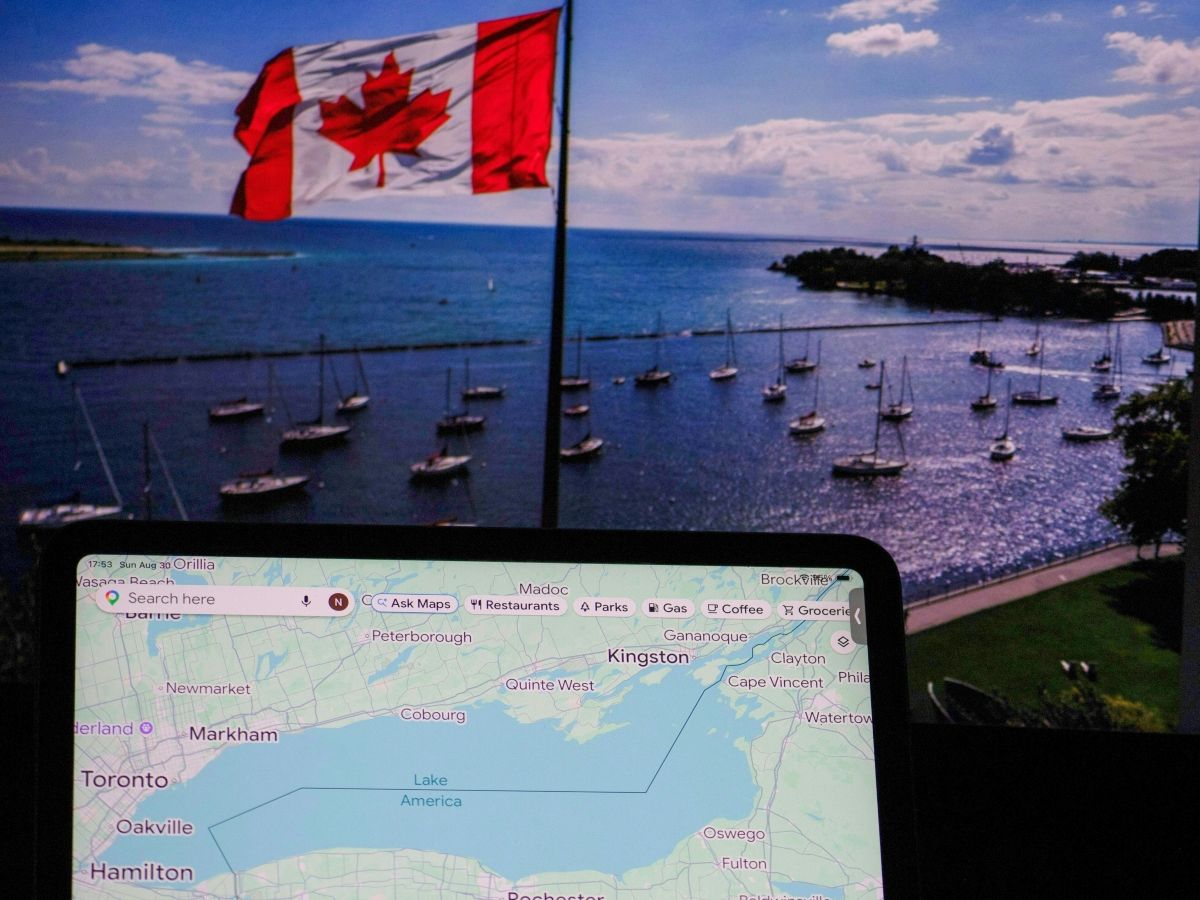
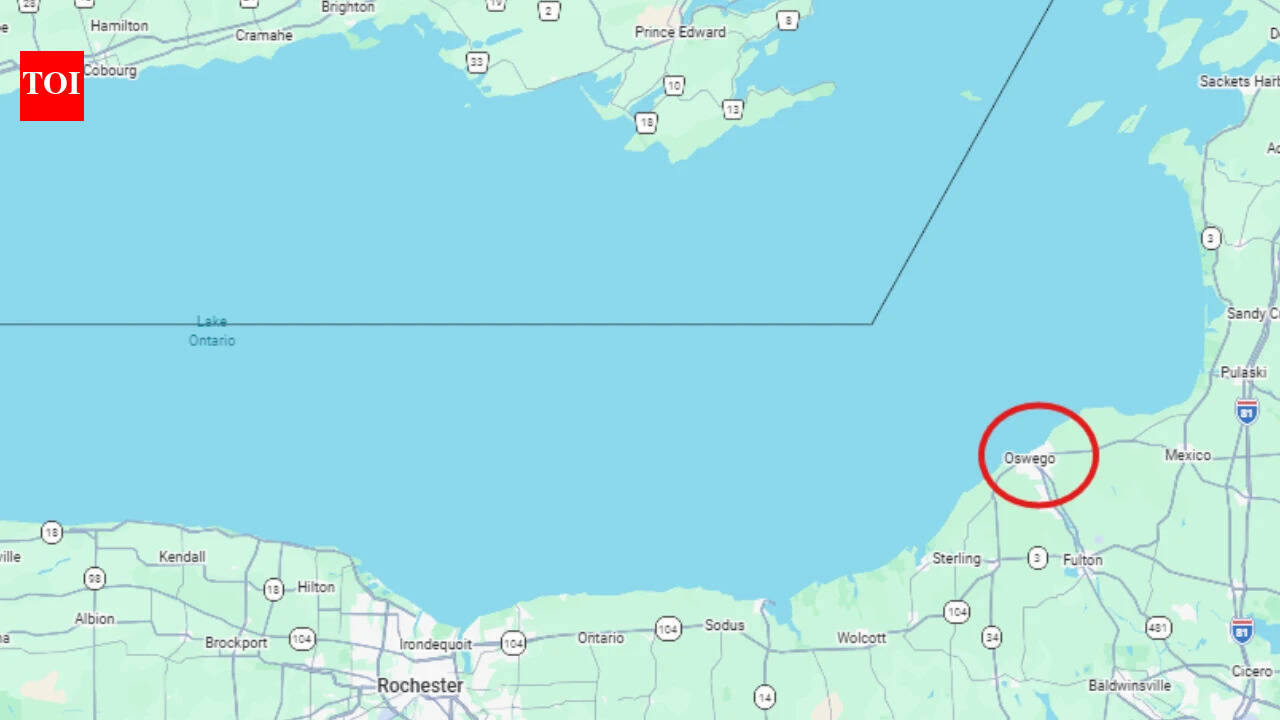
After the president’s “Lake America” executive order, many Canadians were dismayed to discover that digital mapping apps on which they rely displayed the name change.
asserted
they → dismay → change
But that’s because most major tech companies, like Google and Apple, are based in the U.S.
asserted
companies → ’ → U.S.
While they can use whatever names they please in their mapping software, it’s easier for the sake of mutual understanding — and government contracts — if they use U.S. federal conventions.
asserted
they → use → conventions
Also, American corporate executives are all too aware that, while government power is limited, recent presidents have shown a growing predisposition to abuse their control of the regulatory state to punish private firms that don’t bend to their will.
asserted
that → limit → will
President Obama did that to deter banks from offering financial services to businesses out of favour with his administration, President Biden followed suit to convince social media companies to muzzle criticism of public health policies and discussion of news stories the White House found inconvenient, and the Trump administration openly threatens denial of broadcast licenses to TV news networks it considers too hostile.
asserted
it → do → networks
It’s safest for private firms to quickly satisfy government demands, and then quietly roll back compliance once the government’s attention drifts elsewhere.
asserted
attention → ’ → compliance
As I write, if I leave my virtual private network’s (VPN — everybody should have one) location as my home state of Arizona, Google Maps displays “Lake America” to the north and the “Gulf of America” (an earlier Trump scheme to annoy Mexican politicians) to the south.
asserted
Maps → write → south
If I switch my location to Vancouver, B.C., I see “Lake Ontario” to the north and “Gulf of Mexico (Gulf of America)” to the south.
asserted
I → switch → south
Setting my location to Mexico City shows me “Lake Ontario” and “Gulf of Mexico.”
asserted
Setting → set → Mexico
Just days after Trump renamed one of the Great Lakes, the effects are largely confined to American federal agencies and limited compliance by U.S.-based firms.
asserted
effects → rename → firms
And that limited compliance will likely go away — or switch to new politically motivated place names — with the advent of a new administration that seeks to stroke friends and provoke enemies with its own silly symbolism.
asserted
that → go → symbolism
That is, President Trump’s renaming of Lake Ontario is a cheap way to grab headlines and jab people who annoy him.
asserted
who → grab → him
It’s inconsequential posturing that gets people talking about the world’s preeminent troll.
asserted
people → ’ → troll
More seriously, though, changing names on maps for fun and political gain is an abuse of power.
asserted
changing → change → power
It’s not on the same level as the arm-twisting via regulatory threats issued by Trump and his predecessors.
asserted
It → ’ → Trump
But it’s one more example of the dangers of empowering government officials.
asserted
it → ’ → officials
Inevitably that power — even when it seems benign — will be abused.
asserted
it → seem → ?
Changing the name of a lake via executive order isn’t dangerous in itself, but some of the reasons Google and Apple went along with the change illustrate the potential for regulatory powers to be used to bypass safeguards and coerce submission to the state.
asserted
powers → change → state
If politicians are going to misuse administrative authority over place names to settle personal scores and abuse regulatory power over businesses to make private firms go along, that administrative authority and power shouldn’t exist.
asserted
authority → go → businesses
The controversy over the renaming of Lake Ontario is overblown, but the lesson it offers about overbearing government should be taken seriously.
asserted
it → offer → government
 The Aporia