That is 0 articles you have read today.
The Aporia is free and carries no advertising, so readers are the only
thing paying for it. If you are getting this much out of it, a small
donation is what keeps it independent.
Daily limit reached
You have read 0 articles today.
That is more than the 15 a day The Aporia gives away,
and well past what it can carry on nothing. Your allowance resets at
midnight.
There is no advertising here and nothing about you is sold, so readers
are the only thing paying for it. If the site is worth this much of
your day, it is worth a few dollars.
Everything else stays open: the
maps, the
directory and
search do
not count against this, and neither does re-opening something you have
already read today.
The Guardian
· collected 2026-10-02 · by Rowena Mason Whitehall editor
Andy Burnham plans to pass legislation scrapping part of the state pension triple lock before the next election, despite the current guarantee lasting until 2030. The government intends to adjust the earnings component of the triple lock to reduce larger pension increases in high wage growth years, potentially saving £15 billion annually by the late 2030s and up to £50 billion yearly by 2050 according to official estimates, though these figures are contested by thinktanks. The policy shift aims to fund a national care service free at the point of use but faces criticism from opposition parties despite polling showing voter support.
Written locally by qwen2.5:14b on 2026-10-04,
using this article's own text rather than the other coverage of the
same event (that is the story summary below).
Story summary
Prime Minister Andy Burnham announced plans to reform the state pension "triple lock," changing it to a "double lock" system by 2030, as part of a broader initiative to fund a national social care service similar to the NHS. The current triple lock ensures that pensions rise annually by at least inflation or average earnings, whichever is highest, but Burnham's plan will remove the earnings component starting in 2030. This change aims to save an estimated £15 billion per year by the end of the next decade and up to £50 billion per year by 2050.
However, critics argue that this reform might not be sufficient to cover the costs of a new social care system, potentially leading to higher taxes. Scottish Labour leader Anas Sarwar has called for more transparency about how these savings will fund social care services, while some economists suggest that cutting pensions could disproportionately affect lower-income retirees who rely heavily on state benefits.
Labour's opponents, including Scottish National Party (SNP) and other political entities, have criticized the proposed changes, with SNP leader Ruth Davidson arguing it is a gamble. Meanwhile, Labour’s own leaders like Scottish Labour leader Anas Sarwar are pushing for more clarity regarding how the savings will be used to fund social care.
Scottish Labour's leader, Anas Sarwar, emphasized that while the proposal aims to address critical issues such as dementia and end-of-life care, it needs clear funding mechanisms and transparency. He stated, “We need to know what is being done about costs,” highlighting concerns over the long-term financial sustainability of the plan.
The change in pension policy has also sparked a debate within Labour's ranks, with some members arguing that the party should be more cautious about altering long-standing benefits. Despite internal opposition and external criticism, Burnham’s announcement reflects his determination to tackle social care issues head-on, even at the cost of modifying long-established policies like the triple lock on state pensions.
Written for “Pension Triple Lock Reform Debate” on 2026-10-05,
grounded in this article and the 20 other(s) covering the same event.
Claims extracted
16
claim-shaped sentences
Uncertain
6%
1 of 16 hedged
Leaning
Leans left
of the writing, not the subject · beta estimate
Correction & hedging signals
68.3
corrections and hedging in what we collected;
not a measure of accuracy
Outlets on this story
21
Politics
Narrative spread
1
articles carrying this framing
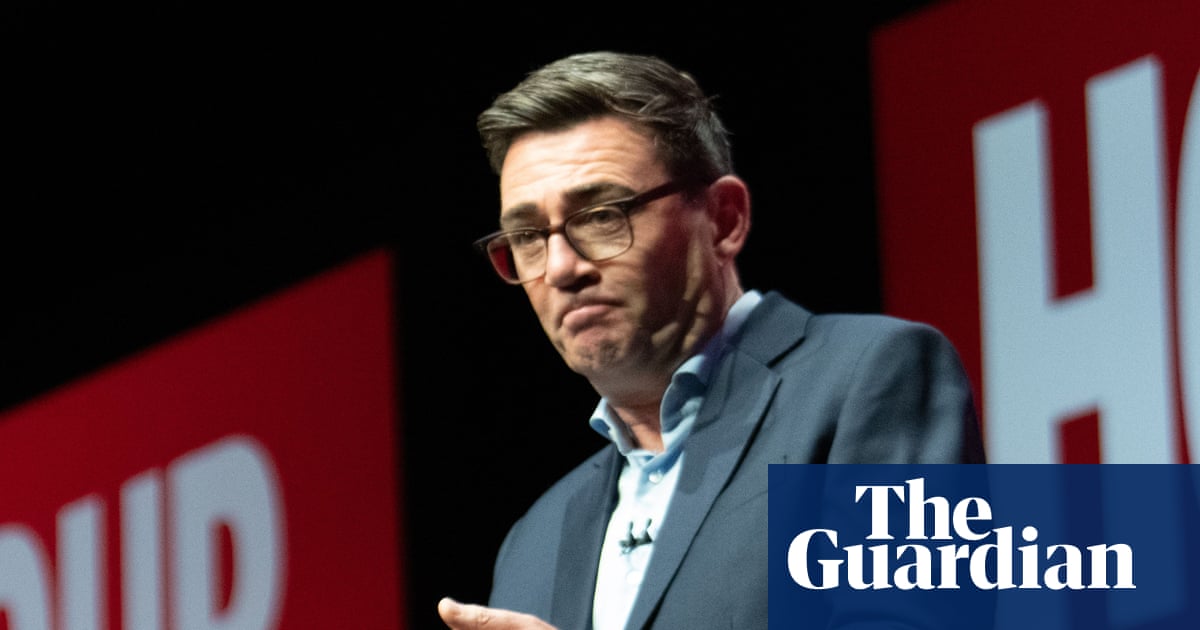
Andy Burnham will pass legislation to scrap the state pension triple lock in this parliament, even though the guarantee will remain until 2030, the government has said.
asserted
government → pass → 2030
The prime minister used his conference speech to announce a change to the policy, which guarantees that the state pension rises by the highest of 2.5%, inflation or earnings growth.
asserted
pension → use → %
In future, the earnings element will be adjusted to avoid much larger pension increases in years when wages spike.
asserted
wages → adjust → years
In his speech, Burnham said the triple lock would remain in place until 2030 – after the next election – keeping Labour’s manifesto promise to retain the guarantee.
asserted
lock → say → guarantee
However, guidance published alongside the speech shows that the government intends to legislate before then, requiring MPs to vote on the changes.
asserted
government → publish → changes
It means parties will go into the next election setting out in their manifestos whether retain Labour’s changes or repeal them if they win power.
asserted
they → mean → power
The guidance also shows that the government estimates that the adjustment to the triple lock would reduce state pension spending by £15bn a year by the end of the 2030s and by £50bn a year by 2050.
asserted
adjustment → show → 2050
However, the Resolution Foundation thinktank said on Friday that it was extremely difficult to estimate the savings, with figures ranging from nothing to about £24bn a year depending on which recent decade was used as a model.
asserted
decade → say → model
Ruth Curtice, the thinktank’s chief executive, wrote on Friday: “The adjusted triple lock saves most in a volatile world, and so saves nothing in the 90s or 00s, and £24bn in the 10s.
“Over the longer term, which will most likely deliver some mixture of all of these economic realities, the new mechanism should trend closer to earnings.
asserted
mechanism → write → earnings
“If real earnings growth permanently disappoints then even the protections in the new mechanism could prove expensive.
uncertain
protections → disappoint → mechanism
Since it was announced, the policy has been criticised by the Conservatives, Reform UK and the Liberal Democrats – although some Tory and Lib Dem MPs are unhappy with their leaders for campaigning to retain a policy they believe is too costly.
asserted
they → announce → policy
Sharon Graham, the Unite general secretary, said earlier this week that getting rid of the pension triple lock to help fund social care reform would be “electoral suicide”.
asserted
rid → say → reform
However, YouGov has published polling suggesting that voters support Burnham’s plan by 48% to 28%.
asserted
voters → publish → 28
In his conference speech, Burnham confirmed he would end the pension triple lock and use the savings to fund a national care service in England that would be free at the point of use.
asserted
that → confirm → use
He said his changes would still leave millions of pensioners better off and that they would benefit from the new care system, which is expected to follow the Scottish system by covering care costs but not accommodation.
asserted
which → say → costs
Burnham also promised to exempt lower-income pensioners from income tax during this parliament.
asserted
Burnham → promise → parliament
 The Aporia