Story summary
Prime Minister Andy Burnham announced plans to reform the state pension "triple lock," changing it to a "double lock" system by 2030, as part of a broader initiative to fund a national social care service similar to the NHS. The current triple lock ensures that pensions rise annually by at least inflation or average earnings, whichever is highest, but Burnham's plan will remove the earnings component starting in 2030. This change aims to save an estimated £15 billion per year by the end of the next decade and up to £50 billion per year by 2050.
However, critics argue that this reform might not be sufficient to cover the costs of a new social care system, potentially leading to higher taxes. Scottish Labour leader Anas Sarwar has called for more transparency about how these savings will fund social care services, while some economists suggest that cutting pensions could disproportionately affect lower-income retirees who rely heavily on state benefits.
Labour's opponents, including Scottish National Party (SNP) and other political entities, have criticized the proposed changes, with SNP leader Ruth Davidson arguing it is a gamble. Meanwhile, Labour’s own leaders like Scottish Labour leader Anas Sarwar are pushing for more clarity regarding how the savings will be used to fund social care.
Scottish Labour's leader, Anas Sarwar, emphasized that while the proposal aims to address critical issues such as dementia and end-of-life care, it needs clear funding mechanisms and transparency. He stated, “We need to know what is being done about costs,” highlighting concerns over the long-term financial sustainability of the plan.
The change in pension policy has also sparked a debate within Labour's ranks, with some members arguing that the party should be more cautious about altering long-standing benefits. Despite internal opposition and external criticism, Burnham’s announcement reflects his determination to tackle social care issues head-on, even at the cost of modifying long-established policies like the triple lock on state pensions.
Written for “Pension Triple Lock Reform Debate” on 2026-10-05,
grounded in this article and the 20 other(s) covering the same event.
- Published
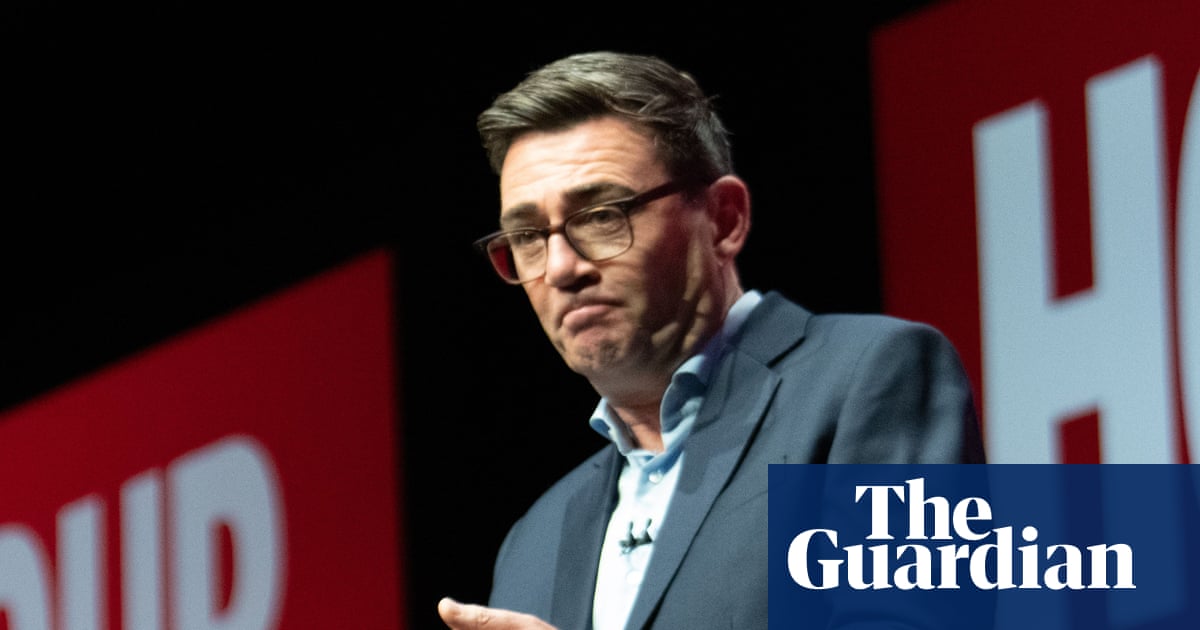
Andy Burnham has set out his plan to transform Britain, including by ending the existing state pension triple lock from 2030 to help fund a new national care service.
asserted
Burnham → publish → service
In his first Labour Party conference speech as prime minister, Burnham also said he wants to pave the way for greater public control over housing, water and energy services, and potentially reform the UK's electoral system.
asserted
he → say → system
After days of questions over how to fund his social care reforms in England, Burnham pointed to changing the triple lock to generate "significant savings".
asserted
Burnham → fund → savings
His plans would see the state pension increase every year at least by inflation or 2.5% - but remove the automatic annual link with average earnings.
asserted
pension → see → earnings
In front of a packed hall and watched on by family and friends, Burnham spoke for more than an hour - at times pausing and appearing to hold back tears as he referred to his father, Roy, who died earlier this month.
asserted
who → watch → father
Arriving on stage to the sound of "All Together Now" by Liverpool band The Farm, Burnham made the song title a theme of his speech.
asserted
title → arrive → speech
He said he wanted to "draw a line on a decade of division" and to "stop doomscrolling on posts running Britain down".
asserted
he → say → Britain
Burnham also told conference that he wants to "put the country on a new path" and recalled his family's "working-class aspiration" and how the government wanted to "unlock" this for others.
asserted
government → tell → others
There was an expectation that Burnham's time in Liverpool for his party's conference would see him flesh out his vision for the future of the country.
asserted
him → be → country
In the conference hall, he offered more details albeit with some of the proposals relating to the content of the Labour manifesto at the next general election rather than delivering immediate action.
asserted
some → offer → action
Burnham's plan to offer free at the point of use social care in England is among those being developed so it can be put before voters in 2029.
asserted
it → offer → 2029
He said it would be "fully funded and not through borrowing".
asserted
it → say → borrowing
Explaining his long-held ambition to make changes, he raised his family's experiences - including how his grandmother Kitty's engagement ring was "ripped from her finger and stolen in a care home".
asserted
ring → explain → home
He argued a national care service was a "landmark" policy that would be "as significant as the creation of the NHS itself and utterly essential to securing its future".
asserted
that → argue → future
'Political price'
Before turning to the pension triple lock changes, Burnham accepted he may "pay a political price" by trying to make the reforms but argued "someone has to go through the pain barrier and rip the plaster off".
uncertain
someone → turn → plaster
The triple lock was introduced in 2010 by the coalition government and designed to ensure the value of the state pension was not overtaken by the increase in the cost of living or the incomes of working people.
asserted
value → introduce → people
It means the state pension rates rise every April by either inflation, earnings growth or 2.5% - whichever is the highest.
asserted
whichever → mean → inflation
Burnham said this will stay in place until 2030, at which point he would like to "adjust it".
asserted
he → say → it
He said: "The state pension will continue to rise every year at least by prices or 2.5%.
asserted
pension → say → prices
And it will hold its value relative to earnings over time so that pensioners will always share in the rising prosperity of the nation.
asserted
pensioners → hold → nation
"But this change will generate significant savings which we will use to build up our national care service.
asserted
we → generate → service
"Some may not realise it but older people with nothing more than the state pension, or only a little more, can find themselves paying care changes today from that small income.
uncertain
themselves → realise → income
Under my plan, this will no longer happen."
asserted
this → happen → plan
Officials have suggested the change could save £15bn a year by 2040.
uncertain
change → suggest → 2040
Jonathan Cribb, deputy director at the Institute for Fiscal Studies, said savings "are likely to be relatively small in the first few years, but rise substantially over time".
asserted
savings → say → time
He also said "we should not expect this reform to save enough that it could fund universal social care in the next parliament".
uncertain
it → say → parliament
Sharon Graham, general secretary of the Unite union, told the BBC she believed the government should have "pulled another lever", such as a wealth tax, rather than making changes to the triple lock.
asserted
government → tell → lock
Conservative Party leader Kemi Badenoch said "more tax rises are inevitable" under Labour's plan, while Reform UK's Nigel Farage accused the PM of "launching an offensive against our elderly".
asserted
Farage → say → elderly
Liberal Democrat leader Sir Ed Davey said families "cannot wait until after another election and it can't be funded from the pockets of our poorest pensioners".
asserted
it → say → pensioners
Elsewhere in his speech, Burnham said he wanted to repeal "Margaret Thatcher's ideological ban on public ownership of water companies".
asserted
he → say → companies
The PM said legislation will be put before Parliament, adding the changes will "start a 10-year journey to a very different water system", which includes new powers for mayors to hold "companies to account".
asserted
mayors → say → account
Burnham said it will be made easier for councils to acquire private rented homes in poor condition if landlords refuse to take action after being issued warnings.
asserted
landlords → say → warnings
He said the government will change the law "if necessary".
Burnham also told delegates that "Brexit has done more harm than good" before he indicated he wanted to explore closer UK-EU ties.
Ahead of talks expected later this year with EU chiefs, Burnham said he would set out the "different options" for Britain's "long-term relationship" with the bloc.
asserted
he → say → bloc
He said: "I will see if we can find consensus around one, which will give us clarity about our position and the future of the continent that we live in."
asserted
we → say → that
To cheers in the hall, Burnham announced a national commission on electoral reform, which could result in changes to the current voting system for UK parliamentary elections.
uncertain
which → announce → elections
He asked all political parties to contribute to the work of the commission, adding: "We will contest the next election with a manifesto commitment to change the electoral system so that everyone's vote counts and everyone's voice is heard."
asserted
voice → ask → system
In response, Skills Minister Baroness Smith of Malvern told the PA news agency: "Electoral reform isn't top of my list of priorities.
asserted
reform → tell → priorities
I shall be interested in what it comes out with."
asserted
it → come → what
Burnham also said he wants to "invest" in young people and change the education system and welfare system.
asserted
he → say → system
He said: "We will rebuild a system of comprehensive education in this country, with parity between academic and technical."
asserted
We → say → academic
…and 2 more, not listed.
 The Aporia