Story summary
Prime Minister Andy Burnham announced plans to reform the state pension "triple lock," changing it to a "double lock" system by 2030, as part of a broader initiative to fund a national social care service similar to the NHS. The current triple lock ensures that pensions rise annually by at least inflation or average earnings, whichever is highest, but Burnham's plan will remove the earnings component starting in 2030. This change aims to save an estimated £15 billion per year by the end of the next decade and up to £50 billion per year by 2050.
However, critics argue that this reform might not be sufficient to cover the costs of a new social care system, potentially leading to higher taxes. Scottish Labour leader Anas Sarwar has called for more transparency about how these savings will fund social care services, while some economists suggest that cutting pensions could disproportionately affect lower-income retirees who rely heavily on state benefits.
Labour's opponents, including Scottish National Party (SNP) and other political entities, have criticized the proposed changes, with SNP leader Ruth Davidson arguing it is a gamble. Meanwhile, Labour’s own leaders like Scottish Labour leader Anas Sarwar are pushing for more clarity regarding how the savings will be used to fund social care.
Scottish Labour's leader, Anas Sarwar, emphasized that while the proposal aims to address critical issues such as dementia and end-of-life care, it needs clear funding mechanisms and transparency. He stated, “We need to know what is being done about costs,” highlighting concerns over the long-term financial sustainability of the plan.
The change in pension policy has also sparked a debate within Labour's ranks, with some members arguing that the party should be more cautious about altering long-standing benefits. Despite internal opposition and external criticism, Burnham’s announcement reflects his determination to tackle social care issues head-on, even at the cost of modifying long-established policies like the triple lock on state pensions.
Written for “Pension Triple Lock Reform Debate” on 2026-10-05,
grounded in this article and the 20 other(s) covering the same event.
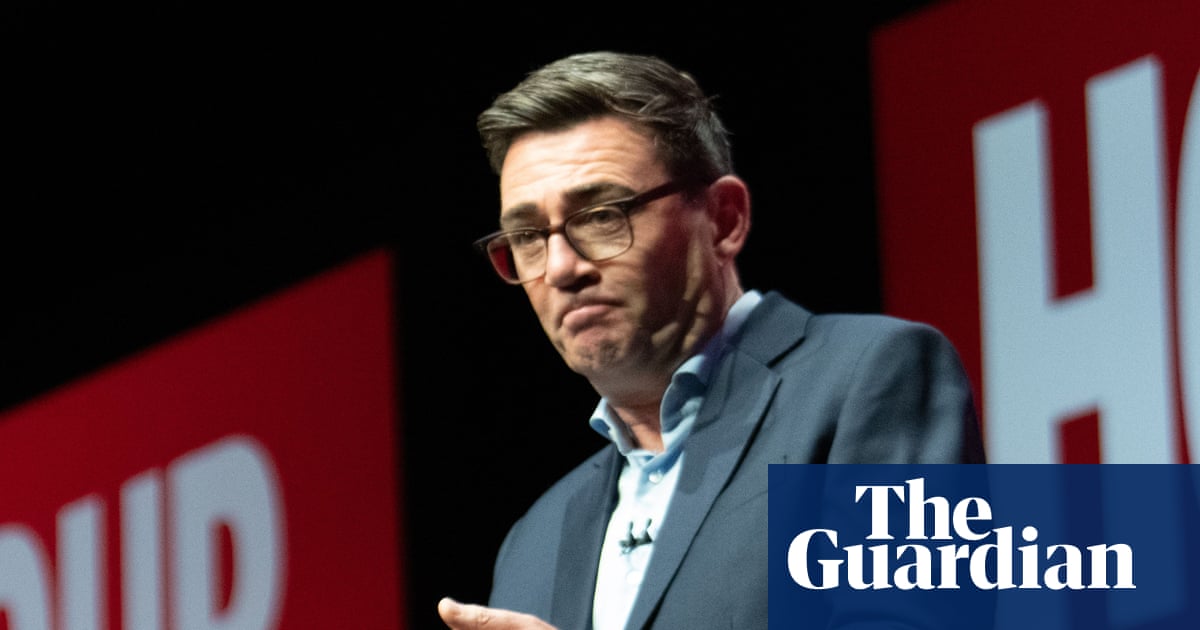
Prime Minister Andy Burnham confirmed the death sentence yesterday when he delivered his keynote speech – to a cacophony of sycophantic applause – at the Labour Party conference in Liverpool.
asserted
he → confirm → Liverpool
The death of the triple lock – which will be replaced by a double lock based on the higher of inflation or 2.5 per cent – will be a bitter blow for many of the country’s
13 million pensioners who depend upon the state pension for a majority of their household income and keep the pack of proverbial financial wolves (rising food prices and higher energy bills) from their doors.
asserted
who → replace → doors
Indeed, in six of the 15 increases determined by the triple lock since 2012, earnings growth has been used – with inflation used on five occasions and 2.5 per cent for the remaining four years.
asserted
inflation → determine → years
The death of the triple lock will be a bitter blow for many of the country's 13 million pensioners who depend upon the state pension
Pensioners have already been emailing me as I’ve put these words down on paper in the wake of Burnham’s conference comments on the triple lock.
asserted
I → depend → lock
‘Betrayed’ is the most common word being used (other comments are unprintable).
asserted
comments → use → ?
Yet the triple lock’s scrapping will not just impact on those currently in receipt of the state pension like me.
asserted
scrapping → impact → me
Yes, for those of us in our late 60s and early 70s, it will represent a huge blow and make financial life tougher as the years go by.
asserted
years → represent → blow
It will be financially disruptive at a time of life when you can do precious little to mitigate its negative impact.
asserted
you → do → impact
But for future generations – those in their 30s, 40s, 50s and early 60s – they will potentially be left much poorer in retirement as my colleague Rachel Rickard Straus explains over the page.
asserted
colleague → leave → page
The triple lock’s abolition subdues the amount at which the state pension grows every year, seriously eroding its value and spending power by the time many are eligible to receive it.
asserted
many → subdue → it
Together with further increases in the state pension age likely in the coming years – it’s currently rising to 67 – the country’s pensioners of the future face retirement with a much-diminished state pension kicking in later than it does now.
asserted
it → come → retirement
For those already at state pension age, it’s time to do an audit of your household finances to ensure you are getting value for money on everything you spend.
asserted
you → ’ → everything
Batten down the hatches – and claim all the benefits you are eligible for.
uncertain
you → batten → benefits
For those yet to hit state pension age, start saving like crazy because you will no longer be able to depend on the state to fund more than a smidgeon of your retirement.
asserted
you → hit → retirement
Your income in retirement will depend primarily on your willingness to embrace financial prudence while you are still working.
asserted
you → depend → prudence
Since its unveiling in 2010 and introduction for the 2012 tax year, the triple lock has provided a financial comfort blanket for millions of pensioners
The triple lock: In short
Since its unveiling in 2010 and introduction for the 2012 tax year by the coalition government led by David Cameron, the triple lock has provided a financial comfort blanket for millions of pensioners.
asserted
lock → provide → pensioners
It has meant that the state pension has risen every April by at least 2.5 per cent or in line with the higher of prices or earnings growth.
asserted
pension → mean → prices
The only exception was in 2022 when it was suspended as a result of an overhang from the Covid pandemic.
asserted
it → suspend → pandemic
From April next year, the ‘new’ maximum state pension (for those who reached state pension age after April 2016) will rise to around £250.70 while those stuck on the old basic state pension as a result of reaching state pension age before April 2016 will receive a maximum of £192.10.
asserted
those → reach → 192.10
Huge percentage increases since 2012 – 133 and 79 per cent respectively – although they mask the fact that only half of new state pension recipients receive the full amount while 75 per cent on the lower basic pension get the maximum payment.
asserted
cent → mask → payment
Next year’s 3.9 per cent increase in the state pension – to be confirmed in the Budget next month – has been triggered by the earnings element of the triple lock, based on average wage growth between May and July this year.
uncertain
increase → confirm → May
This year’s 4.8 per cent increase was also based on earnings growth.
asserted
increase → base → growth
If the double lock had been in place then, the hike would have been a more modest 3.8 per cent, based on inflation prevailing in September 2025.
asserted
inflation → base → September
When compared to average earnings, the triple lock has given pensioners a ‘fairer’ state pensions deal, but only because the offering in 2012 was frankly appalling on all levels.
asserted
offering → compare → levels
Fourteen years ago, the full state pension represented around 17 per cent of average earnings although this figure varies slightly according to which definition of earnings that you use.
uncertain
you → represent → that
Yes, a better financial outcome for pensioners, as the Resolution Foundation and the Institute for Fiscal Studies keep reminding us.
asserted
Foundation → remind → us
Research last year by Fidelity International showed that the average level of state pension received by someone compared to their earnings while working was just 22 per cent in the UK.
asserted
level → show → UK
In other words, UK pensioners still get a rum state pensions deal.
asserted
pensioners → get → deal
So what's actually happening here?
asserted
what → happen → ?
Burnham believes the triple lock has now done its job of improving the financial lot of many pensioners.
asserted
lock → believe → pensioners
As a result, it will be the sacrificial lamb to help fund his ambitious £18billion plan to reform social care so that everyone in England gets ‘free’ access to it.
asserted
everyone → help → it
Burnham’s ripping up of the triple lock in 2030 is another betrayal of the elderly by Labour who, bizarrely, were targeted by Rachel Reeves when she became Chancellor in 2024.
asserted
she → target → 2024
Her first action was to curtail the winter fuel payment to millions of pensioners; a decision which she subsequently had to do a massive U-turn on following a major public backlash.
asserted
she → curtail → backlash
Left-wing think-tanks such as the Resolution Foundation have been itching for the lock’s removal.
asserted
tanks → itch → removal
In recent weeks, they have been joined by the likes of Lord O’Neill, a former economic adviser to Burnham, who believes it is time for the Government to tackle ‘sacred cows’ such as the triple lock.
asserted
Government → join → lock
O’Neill says the UK bond market, already spooked by geopolitical tensions in the Middle East and the country’s parlous financial position, would respond positively if Burnham were ‘to take credible action to deal with the excesses of the triple lock or the excesses of welfare spending’.
asserted
Burnham → say → spending
Given that welfare spending cuts are way off Labour’s agenda, it is no surprise that the triple lock has been targeted.
asserted
lock → give → agenda
Jess Phillips, MP for Birmingham Yardley, is ‘delighted’, while nearly a third of Labour members believe the state pension is the top priority for spending cuts.
asserted
pension → believe → cuts
From April next year, the 'new' maximum state pension will rise to around £250.70 while those stuck on the old basic state pension will receive a maximum of £192.10
Triple lock abolition
It is possible to do some back-of-the-envelope calculations on the impact of the triple lock’s death on pensioners, current and future.
asserted
It → rise → pensioners
According to analysis by Sarah Coles, head of personal finance at investing platform AJ Bell, the average triple lock’s annual increase since 2012 has been
4.1 per cent.
uncertain
increase → accord → 2012
…and 36 more, not listed.
 The Aporia