The Aporia
The Aporia
The Aporia

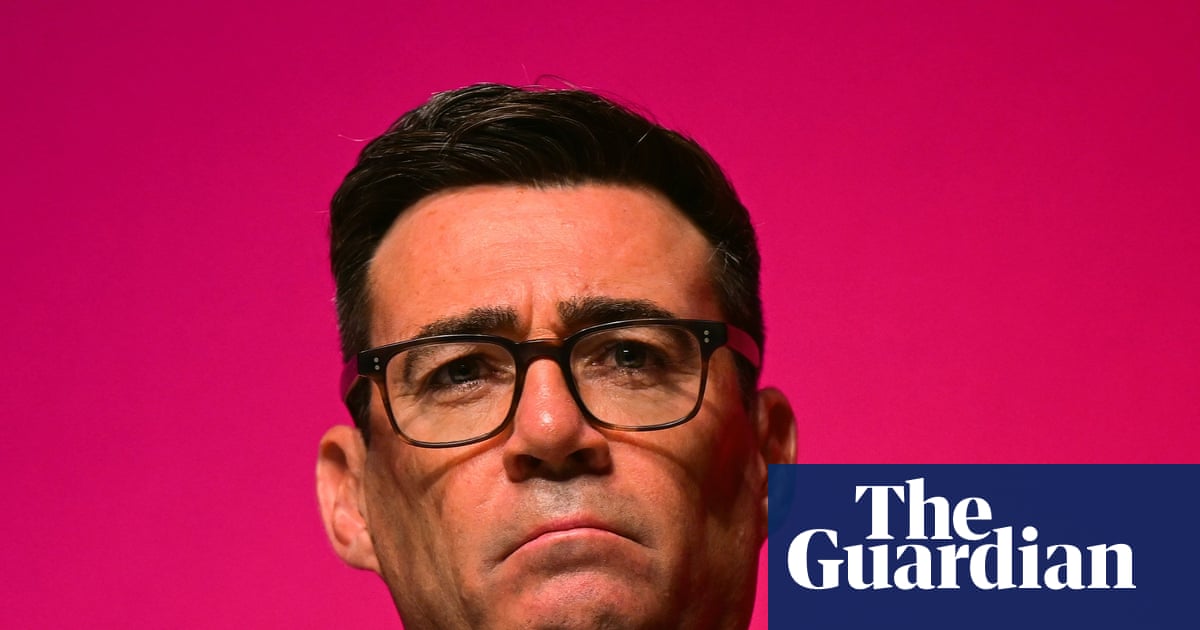
Prime Minister Andy Burnham announced plans to reform the state pension "triple lock," changing it to a "double lock" system by 2030, as part of a broader initiative to fund a national social care service similar to the NHS. The current triple lock ensures that pensions rise annually by at least inflation or average earnings, whichever is highest, but Burnham's plan will remove the earnings component starting in 2030. This change aims to save an estimated £15 billion per year by the end of the next decade and up to £50 billion per year by 2050.
However, critics argue that this reform might not be sufficient to cover the costs of a new social care system, potentially leading to higher taxes. Scottish Labour leader Anas Sarwar has called for more transparency about how these savings will fund social care services, while some economists suggest that cutting pensions could disproportionately affect lower-income retirees who rely heavily on state benefits.
Labour's opponents, including Scottish National Party (SNP) and other political entities, have criticized the proposed changes, with SNP leader Ruth Davidson arguing it is a gamble. Meanwhile, Labour’s own leaders like Scottish Labour leader Anas Sarwar are pushing for more clarity regarding how the savings will be used to fund social care.
Scottish Labour's leader, Anas Sarwar, emphasized that while the proposal aims to address critical issues such as dementia and end-of-life care, it needs clear funding mechanisms and transparency. He stated, “We need to know what is being done about costs,” highlighting concerns over the long-term financial sustainability of the plan.
The change in pension policy has also sparked a debate within Labour's ranks, with some members arguing that the party should be more cautious about altering long-standing benefits. Despite internal opposition and external criticism, Burnham’s announcement reflects his determination to tackle social care issues head-on, even at the cost of modifying long-established policies like the triple lock on state pensions.