The Guardian
· collected 2026-09-29 · by Jessica Elgot Deputy political editor
Andy Burnham is set to suggest during his Labour Party conference speech that scrapping the pension triple lock could fund a national care service. Government sources indicate the prime minister might review but not scrap this policy, which guarantees annual state pension increases based on inflation, wage growth, or 2.5%, whichever is highest. Unite general secretary Sharon Graham warns such a move would be politically risky and morally wrong, emphasizing it should not come at the expense of pensioners' security. Lucy Powell, Labour's deputy leader, affirms the party’s commitment to maintaining the triple lock as outlined in its manifesto, highlighting the importance of secure income for pensioners.
Written locally by qwen2.5:14b on 2026-09-29,
using this article's own text rather than the other coverage of the
same event (that is the story summary below).
Story summary
Prime Minister Andy Burnham announced plans to reform the state pension "triple lock," changing it to a "double lock" system by 2030, as part of a broader initiative to fund a national social care service similar to the NHS. The current triple lock ensures that pensions rise annually by at least inflation or average earnings, whichever is highest, but Burnham's plan will remove the earnings component starting in 2030. This change aims to save an estimated £15 billion per year by the end of the next decade and up to £50 billion per year by 2050.
However, critics argue that this reform might not be sufficient to cover the costs of a new social care system, potentially leading to higher taxes. Scottish Labour leader Anas Sarwar has called for more transparency about how these savings will fund social care services, while some economists suggest that cutting pensions could disproportionately affect lower-income retirees who rely heavily on state benefits.
Labour's opponents, including Scottish National Party (SNP) and other political entities, have criticized the proposed changes, with SNP leader Ruth Davidson arguing it is a gamble. Meanwhile, Labour’s own leaders like Scottish Labour leader Anas Sarwar are pushing for more clarity regarding how the savings will be used to fund social care.
Scottish Labour's leader, Anas Sarwar, emphasized that while the proposal aims to address critical issues such as dementia and end-of-life care, it needs clear funding mechanisms and transparency. He stated, “We need to know what is being done about costs,” highlighting concerns over the long-term financial sustainability of the plan.
The change in pension policy has also sparked a debate within Labour's ranks, with some members arguing that the party should be more cautious about altering long-standing benefits. Despite internal opposition and external criticism, Burnham’s announcement reflects his determination to tackle social care issues head-on, even at the cost of modifying long-established policies like the triple lock on state pensions.
Written for “Pension Triple Lock Reform Debate” on 2026-10-05,
grounded in this article and the 20 other(s) covering the same event.
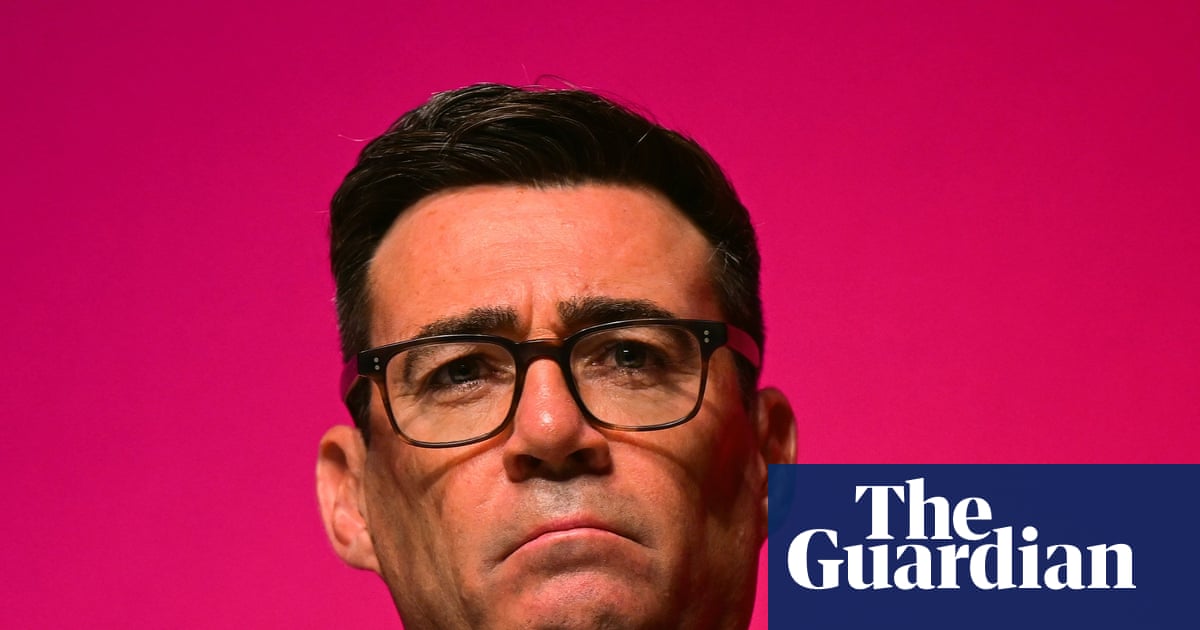
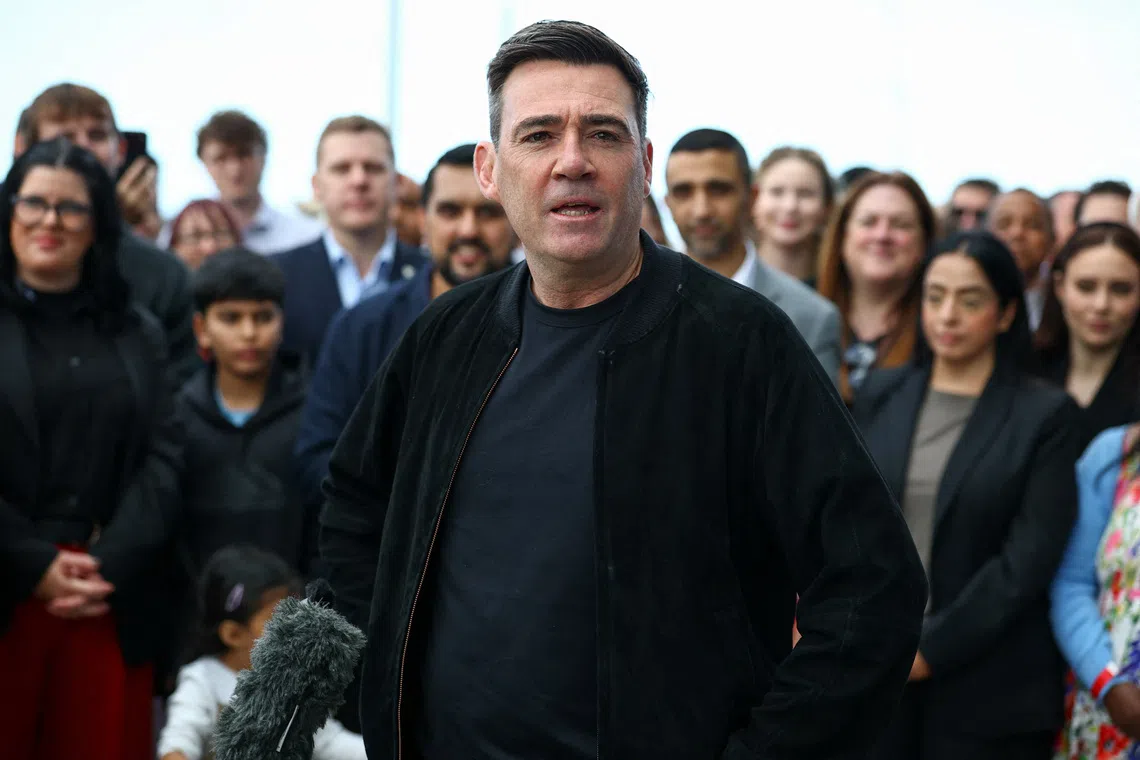
Andy Burnham will signal he is prepared to look at scrapping the pensions triple lock to fund a national care service, telling the Labour conference he will be willing to make difficult arguments to tackle the UK’s intractable issues such as social care.
asserted
he → signal → care
Government sources have suggested the prime minister will signal his willingness to review the policy but stop short of a pledge to scrap it altogether.
uncertain
minister → suggest → it
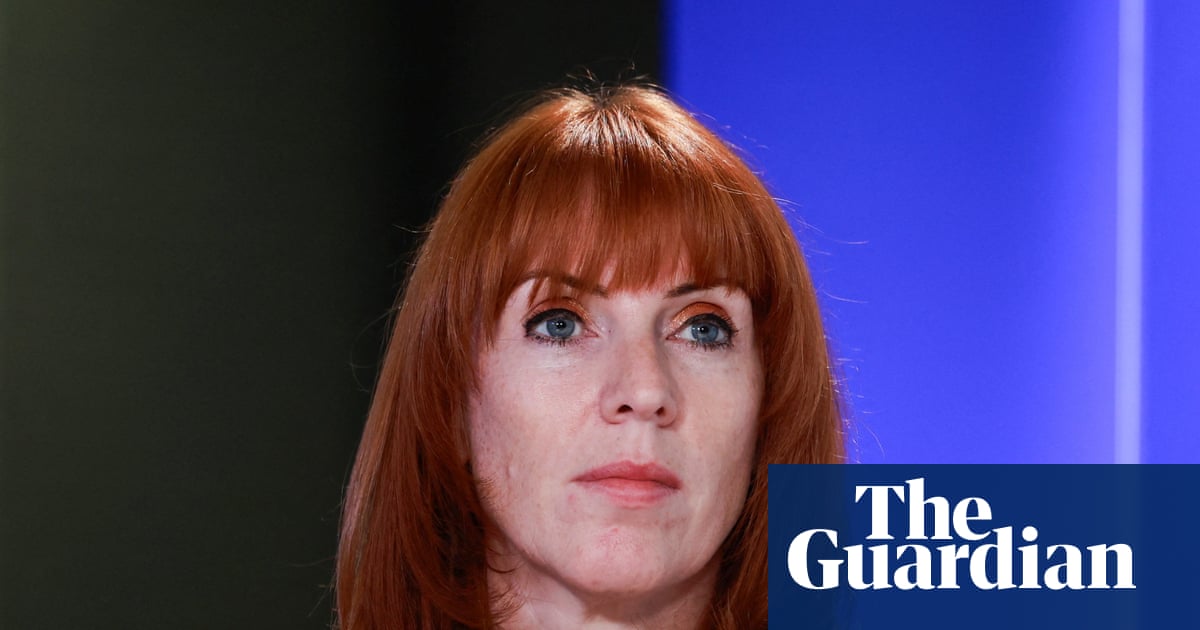
The Unite general secretary, Sharon Graham, said the move would be “electoral suicide”, with an end to the triple lock likely to be attacked by the Conservaties and Reform.
asserted
end → say → Conservaties
In his speech, he will promise “an honest conversation” with the public, saying: “Hope comes from honesty and from saying the things politicians usually avoid.”
asserted
politicians → promise → things
Graham said Burnham had not committed to scrapping the policy, which ensures the state pension increases annually by either inflation, average wage growth or 2.5% – whichever is highest.
asserted
whichever → say → inflation
“When we met with Andy this week, it certainly wasn’t mentioned,” she told BBC Radio 4’s Today programme.
asserted
she → meet → programme
“But I do think that it’s important that Labour make sure that working-class people know that they’re on their side, and this would be a direction of travel that would say the opposite to that.”
asserted
that → think → that
Asked whether the lock should be overhauled to fund social care, Graham said: “What I understood the national care service to be was a universal benefit: everybody paid in and everybody gets out, and that is what actually the principle of that is.
asserted
principle → ask → that
“Going to a group of people who are getting around £12,500 a year in order to pay for it, to take away their security, is wrong.
asserted
who → go → security
I think it’s morally wrong.”
asserted
it → think → ?
Labour’s deputy leader, Lucy Powell, said the party remained committed to the triple lock, which was in its manifesto.
asserted
which → say → manifesto
“The triple lock has really delivered for pensioners, in this country, over the course of this parliament,” she told Sky News.
asserted
she → deliver → News
“I think we’re going to see [the] state pension rising by about £2,000 a year, significantly, and that’s really important so pensioners … can know that their income is secure and will continue to rise over the course of this parliament.
asserted
income → think → parliament
“I don’t know what Andy’s going to say about that today, but I know that what he’s talking about is this big conversation about solving these big problems, but being really honest with people that they come at a cost.
asserted
they → know → cost
“They do come at a cost.
asserted
They → come → cost
You can’t just solve the social care crisis without having the big conversations about how you’re going to do this.”
asserted
you → solve → this
Having ousted Keir Starmer from office, Burnham has spent much of his first few weeks promising a radical shift in tone and policy.
asserted
Burnham → oust → tone
He will tell the conference on Tuesday: “We can’t carry on as we are.
asserted
we → tell → Tuesday
Politics as usual has taken Britain backwards.
asserted
Politics → take → Britain
More of the same isn’t good enough and isn’t going to get us where we need to be.”
asserted
we → go → us
the conference has been upbeat, Burnham will tell Labour delegates he wants to strike a serious tone with his speech and address some of the most intractable issues in British politics, such as social care, energy costs and youth inactivity.
asserted
he → tell → care
In the speech, the prime minister will say that he will resist “the usual tub-thumping conference speech … the patriot in me tells me something very different is needed”.
asserted
something → say → me
He will say “everyone wants less drift and more direction” and that he will “answer that call” today.
asserted
he → say → call
His offer – expected to contain a number of new policies – will be “a more serious prospectus for Britain than people have been offered in a generation”.
asserted
people → expect → generation
“I accept people will not agree with every part of it, but I believe it can turn Britain around,” he will say.
asserted
he → accept → Britain
 The Aporia