Why China is being urged to study Ukraine’s wartime PR blitz in the AI age

Read the original at South China Morning Post ↗
Cite

Cai, J. (2026, September 6). Why China is being urged to study Ukraine’s wartime PR blitz in the AI age. South China Morning Post. https://www.scmp.com/news/china/military/article/3366516/why-china-being-urged-study-ukraines-wartime-pr-blitz-ai-age?utm_source=rss_feed

Dated when The Aporia collected the article, usually within hours of publication. Check the original for its exact date and byline.


South China Morning Post · collected 2026-09-06 · by Jane Cai

Quick Summary

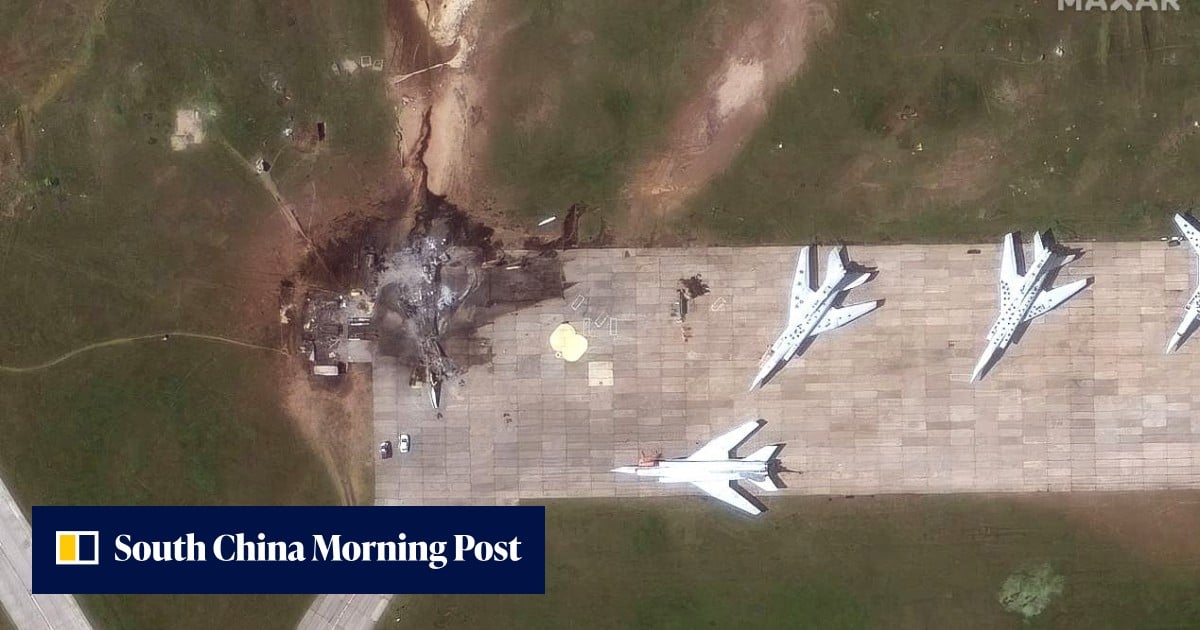
Researchers at China's National University of Defence Technology are urging Beijing to study Ukraine's wartime communication strategies in order to improve its own messaging. A recent study found that success in modern warfare depends not just on technology, but also on effectively integrating information strategy and military operations. The researchers recommend that China adopt a coordinated approach, using various actors such as government officials, think tanks, and internet influencers to deliver a unified message, as well as leveraging generative AI tools for messaging creation and promotion. According to the study, Ukraine's "information offensive" involved using drone strikes to weaken Russia's sense of security while bolstering domestic resolve and international support.
Written locally by qwen2.5:14b on 2026-09-06, using this article's own text rather than the other coverage of the same event (that is the story summary below).

AI analysis runs on qwen2.5:14b, locally

Story summary

Researchers at China's National University of Defence Technology are urging Beijing to study Ukraine's wartime public relations strategy in order to improve its own messaging. China is being advised to adopt a multi-actor coordination approach, where government, think tanks, and internet influencers work together to deliver a unified message. This would involve using layered storytelling tailored to different audiences, as well as the aggressive use of generative AI tools to create and promote its messaging. The researchers argue that Ukraine's "information offensive" has been successful in part because it has successfully woven together its information strategy with military operations. The study points out that Ukraine used a series of drone strikes on airbases deep inside Russia as part of this effort, which was intended to shatter the adversary's sense of security while strengthening domestic resolve and gathering international support.

Written for “China's Wartime Propaganda Strategy” on 2026-10-22, grounded in this article and the 0 other(s) covering the same event.

Story

📰 China's Wartime Propaganda Strategy
Politics · 1 article(s) covering the same event.

Compared with similar articles

This article reads unscored and hedges 0% of its claims. Each row says how that neighbour differs.
Al Jazeera
⚖️ leaning not scored 🔴 11% hedged 6 of 57 📰 publisher trust 60
“Article A reports on a blast that killed Chayko's son-in-law at an Italian restaurant in Moscow, while Article B mentions drone strikes on airbases deep inside Russia as part of Ukraine's 'information offensive'”
The Straits Times
⚖️ leaning not scored 🔴 0% hedged 0 of 9 📰 publisher trust 68
“Article B mentions a specific incident with three Ukrainian casualties last month, while Article A discusses general wartime PR strategies in Ukraine without specifying this exact incident”
The Independent
⚖️ leaning not scored 🔴 10% hedged 5 of 48 📰 publisher trust 59
“The articles describe two different events: Article A discusses Ukraine's use of drone strikes in a wartime PR blitz, while Article B reports on secret war games held by Russia involving scenarios including the targeting of a Swedish island”
Times of India
⚖️ leaning not scored 🔴 15% hedged 2 of 13 📰 publisher trust 59
“The two articles cover different topics related to AI and international relations between countries”
The Sydney Morning Herald
⚖️ Leans left 🔴 8% hedged 5 of 59 📰 publisher trust 61
“Although both articles mention drone strikes, they describe different aspects of the conflict and do not detail the same specific incident.”
The Guardian
⚖️ leaning not scored 🔴 19% hedged 7 of 36 📰 publisher trust 66
“Article A discusses a study on Ukraine's wartime PR blitz, while Article B mentions long-range strikes and drone plans by Ukraine, but no clear link to the same incident or time”
Times of India
⚖️ Leans right 🔴 55% hedged 12 of 22 📰 publisher trust 59
“Article A mentions a series of drone strikes on airbases deep inside Russia, while Article B specifically refers to an attempted drone attack at Leipzig/Halle Airport in Germany”
The Straits Times
⚖️ leaning not scored 🔴 3% hedged 1 of 38 📰 publisher trust 68
“Article A mentions drone strikes on airbases deep inside Russia, while Article B discusses daily life in Kyiv being affected by near-constant drone attacks, but does not specifically mention the drone strikes”
Semafor
⚖️ Leans left 🔴 0% hedged 0 of 4 📰 publisher trust 60
“Article A discusses Ukraine's PR campaign using drone strikes on Russian airbases, while Article B mentions a strike on Kyiv's security service headquarters by Moscow”
South China Morning Post
⚖️ Leans right 🔴 44% hedged 4 of 9 📰 publisher trust 64
“The articles cover different topics and events: one about Ukraine's wartime PR campaign and the other about Taiwan setting up a US-backed cyber unit”
How this article was measured signals, leaning charts, publisher record, byline, topics and claims

Signals How these are calculated →

Claims extracted
6
sentences that state something as happening or true
Uncertain
0%
0 of 6 hedged ("reportedly", "may", "according to")
Leaning
withheld
no quote in the article backed the model's score
Publisher signals
64/100
South China Morning Post's corrections and hedging, across everything collected from it. Not a measure of accuracy.
Outlets on this story
1
Politics
Same framing elsewhere
1
articles that frame the event the way this one does
Analyzed 2026-09-06 · how these are computed

How this is being covered How these are calculated →

Article leaning vs. publisher reliability
Source leaning vs. consistency

Publisher

South China Morning Post · 2844 article(s) · 6 correction(s) detected
Running correction rate · 6 correction(s)

Who wrote this

Jane Cai
1 article(s) here · 1 carrying a prediction
🔮 A recent study concluded that in the complex modern information environment, possessing advanced technology was not enough because success would depend on “weaving” together the information strategy and military operations.
The only article under this byline in the corpus.

Topics

Beijing China Kyiv Russia Ukraine

Subjects

China GPE · 2× Ukraine GPE · 2× Beijing GPE · 1× Kyiv GPE · 1× Russia GPE · 1× the National University of Defence Technology ORG · 1×

Narrative

They also called for layered storytelling tailored to different audiences and the aggressive use of generative AI tools to create, promote and defend its messaging amid “the complex landscape of international public opinion”.
framing: assertive · carried by 1 article(s) · first seen 2026-09-06
🔮 A recent study concluded that in the complex modern information environment, possessing advanced technology was not enough because success would depend on “weaving” together the information strategy and military operations.
2026-09-06 · South China Morning Post
Why China is being urged to study Ukraine’s wartime PR blitz in the AI age · assertive framing

Claims (6 extracted, 0 hedged)

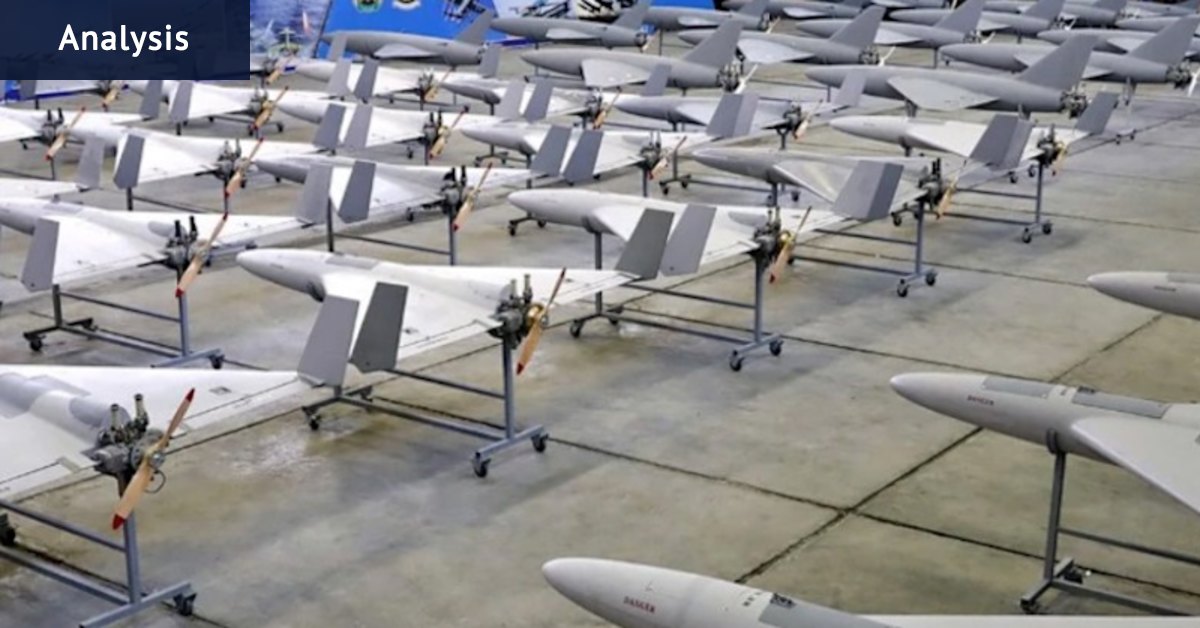
Why China is being urged to study Ukraine’s wartime PR blitz in the AI age Study explores how Kyiv used a series of drone strikes on airbases deep inside Russia as part of its ‘information offensive’ asserted
Kyiv → urge → offensive
China has been urged to draw on the lessons from Ukraine’s communications as it looks at new forms of wartime messaging. asserted
it → urge → messaging
A recent study concluded that in the complex modern information environment, possessing advanced technology was not enough because success would depend on “weaving” together the information strategy and military operations. asserted
success → conclude → strategy
It said such campaigns should try to shatter the adversary’s sense of security while strengthening domestic resolve and gathering international support. asserted
campaigns → say → support
Beijing should prioritise “multi-actor coordination”, where government, think tanks and internet influencers are all used to deliver the message in sync, researchers at the National University of Defence Technology argued. asserted
researchers → prioritise → Technology
They also called for layered storytelling tailored to different audiences and the aggressive use of generative AI tools to create, promote and defend its messaging amid “the complex landscape of international public opinion”. asserted
They → call → opinion
💬Give feedback
🕘History 🎫Support