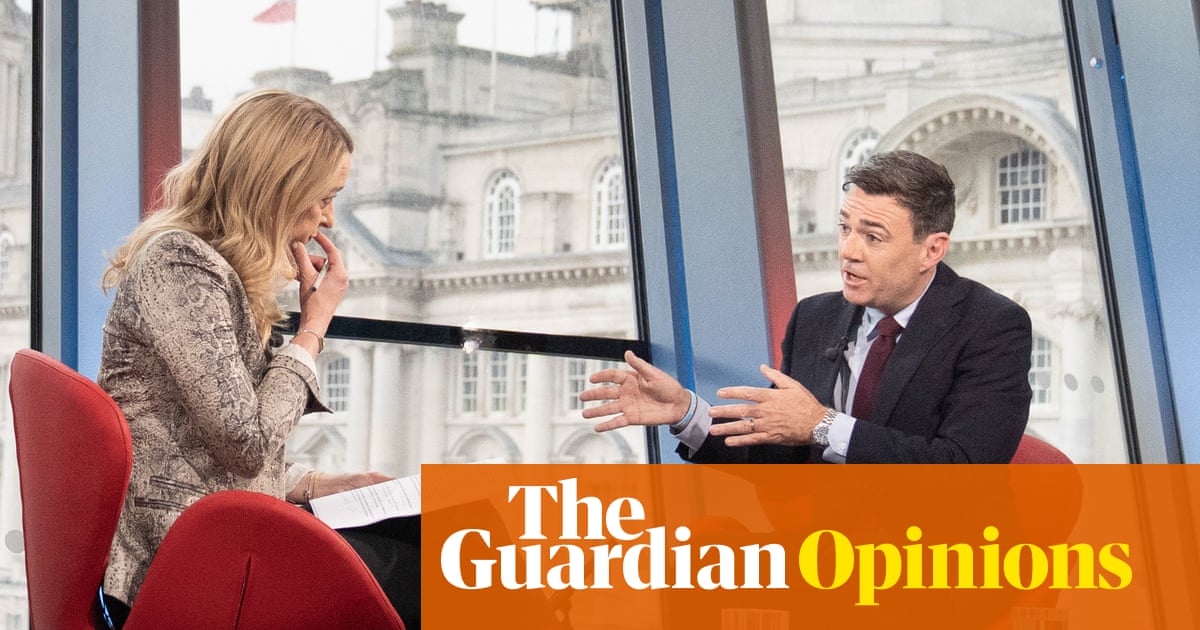
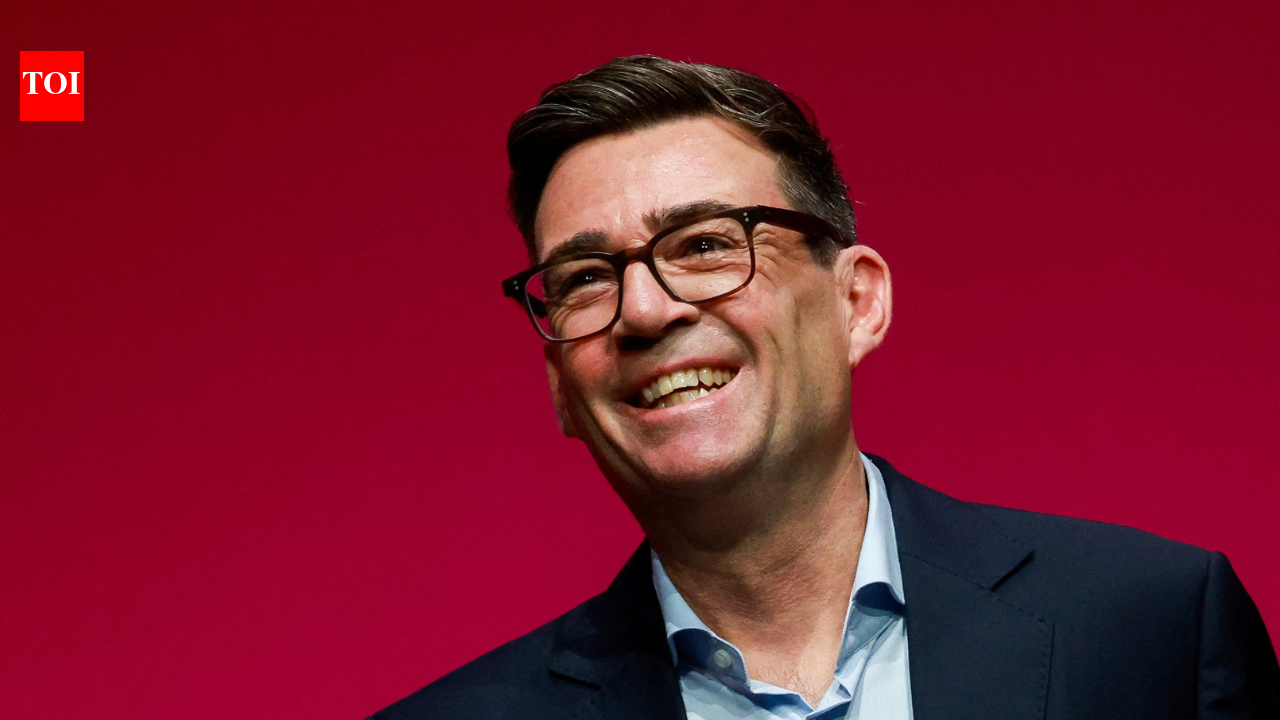
Chris Mason discusses Andy Burnham’s speech as both a grieving son and Britain’s new prime minister, highlighting its blend of personal reflection and political vision. The article notes that Burnham aims to reshape social care funding by modifying the state pension increases from 2030, moving away from the current triple lock system. This proposal, along with other policy ideas like housing reform and changes in Westminster voting systems, is presented as part of a broader strategy to build support before the next election within three years.
Written locally by qwen2.5:14b on 2026-09-29,
using this article's own text rather than the other coverage of the
same event (that is the story summary below).
Story summary
Andy Burnham, newly elected leader of the Labour Party, delivered his first speech as leader at the party's conference in Liverpool on Wednesday. The speech was emotional and covered bold policies such as reforming social care and electoral systems, drawing mixed reactions from attendees and media outlets.
Burnham choked up while discussing his father who recently passed away, a moment that resonated deeply with the audience. He admitted to wanting to move faster on cost-of-living measures but stressed fiscal honesty about what Britain can afford. The speech was seen by some as one of the most memorable in recent years, with former BBC political editor Andrew Marr comparing it favorably to Tony Blair's speeches.
Critics like Mail Online’s Quentin Letts were less impressed, describing the emotional tone and policy promises as overly sentimental and sugar-coated. Meanwhile, supporters praised Burnham for his relatability and commitment to addressing working-class concerns, potentially appealing to voters who had drifted away from Labour under Keir Starmer.
The speech also touched on plans for electoral reform, aiming to introduce proportional representation in Westminster elections, a significant change since 1918. This move is seen as part of Burnham's strategy to transform the UK’s political system fundamentally, though some within the party are wary about such dramatic changes given current fiscal constraints and public opinion.
Written for “Andy Burnham Labour Speeches” on 2026-10-05,
grounded in this article and the 24 other(s) covering the same event.
- Published
The key thing to understand about Andy Burnham's speech is these were the words and the delivery of both a new prime minister and a grieving son.
asserted
these → publish → minister
Burnham is living through two life-shaping, even life-defining moments right now – becoming and adjusting to being prime minister during the final weeks of his dad Roy's life, and preparing his speech while dealing with the grief of his loss.
asserted
Burnham → live → loss
The funeral will take place in a few days' time.
asserted
funeral → take → time
Reflections on his dad's life and influence formed the personal spine to this deeply political speech, which ranged far and wide.
asserted
which → form → speech
Labour figures are enthused that they now have a leader with what they see as a clear sense of purpose that can be easily articulated.
asserted
that → enthuse → purpose
What stood out in this speech was its breadth.
asserted
stood → stand → speech
His pitch could, very broadly, be divided into the short term - what he hopes to achieve before a general election; and the long term - the prospectus he is beginning to assemble to put to the country when polling day comes around inside the next three years.
uncertain
day → divide → years
The biggest ideas have the longest timeframe and, perhaps, the greatest need for a lengthy debate in their gestation.
asserted
ideas → have → gestation
Previous attempts to do so, by both Labour and the Conservatives, haven't survived the intensity of a general election campaign, having been announced close to an election.
asserted
attempts → survive → election
The aim of Burnham's plan is to seed a conversation now about what a new system might look like – the idea being that the argument is won in advance.
uncertain
argument → seed → advance
Let's see.
asserted
's → let → ?
The debate is only just beginning.
asserted
debate → begin → ?
The plan to fund this by making increases in the state pension from 2030 less generous than they are now was more detailed than some expected at this stage.
asserted
some → fund → stage
The triple lock means the state pension currently increases annually in line with inflation, average wage growth or 2.5%, whichever is highest.
asserted
whichever → mean → inflation
But from April 2030, if Labour win the next election, the annual earnings link will be dropped.
asserted
link → win → election
It would, Labour figures say, be increased further if needed, to ensure that it stays above 30% of the full time average wage.
asserted
it → say → wage
Knowing they would face blunt criticism about binning the existing triple lock – note the reaction of the Unite union and Labour's political rivals – it would appear the prime minister was keen to offer as much of what he hopes will be reassuring detail to many.
asserted
he → know → many
Also going into the next Labour manifesto, he said, a change in the Westminster voting system and – after a review to come – the idea of a closer relationship with the European Union.
asserted
he → go → Union
How much closer, with what trade offs and prompting what reaction, we don't yet know.
And from the longer term stuff to the here and now – including housing reform in England, more public control of the water industry and the electricity grid.
asserted
we → prompt → industry
There was an energy and sense of urgency to Burnham's pitch and without question he has created a battalion of dividing lines with Labour's political opponents which are likely to dominate the debate ahead.
asserted
which → be → debate
His cabinet and many in his party are relishing the battle of ideas the prime minister has set up and is enthusiastically leaning into.
asserted
minister → relish → ideas
It was noteworthy that beyond a broad reference to Labour's opponents on the Right, the party's rivals didn't get a mention in a speech lasting more than an hour.
asserted
rivals → get → hour
The question is: does he and his government have the capacity to deliver?
asserted
he → have → capacity
And do they have the capacity to convince you, the voter, they have a vision you regard as coherent, appealing and affordable?
asserted
you → have → vision
You hardly need reminding of the backdrop that contributed to thwarting many of his recent, many predecessors: a persistently sclerotic economy and a persistently turbulent international picture, for starters.
asserted
that → need → starters
Neither will make turning all of this into a reality straightforward.
asserted
turning → make → reality
 The Aporia