That is 0 articles you have read today.
The Aporia is free and carries no advertising, so readers are the only
thing paying for it. If you are getting this much out of it, a small
donation is what keeps it independent.
Daily limit reached
You have read 0 articles today.
That is more than the 15 a day The Aporia gives away,
and well past what it can carry on nothing. Your allowance resets at
midnight.
There is no advertising here and nothing about you is sold, so readers
are the only thing paying for it. If the site is worth this much of
your day, it is worth a few dollars.
Everything else stays open: the
maps, the
directory and
search do
not count against this, and neither does re-opening something you have
already read today.
The Guardian
· collected 2026-09-29 · by Pippa Crerar Political editor
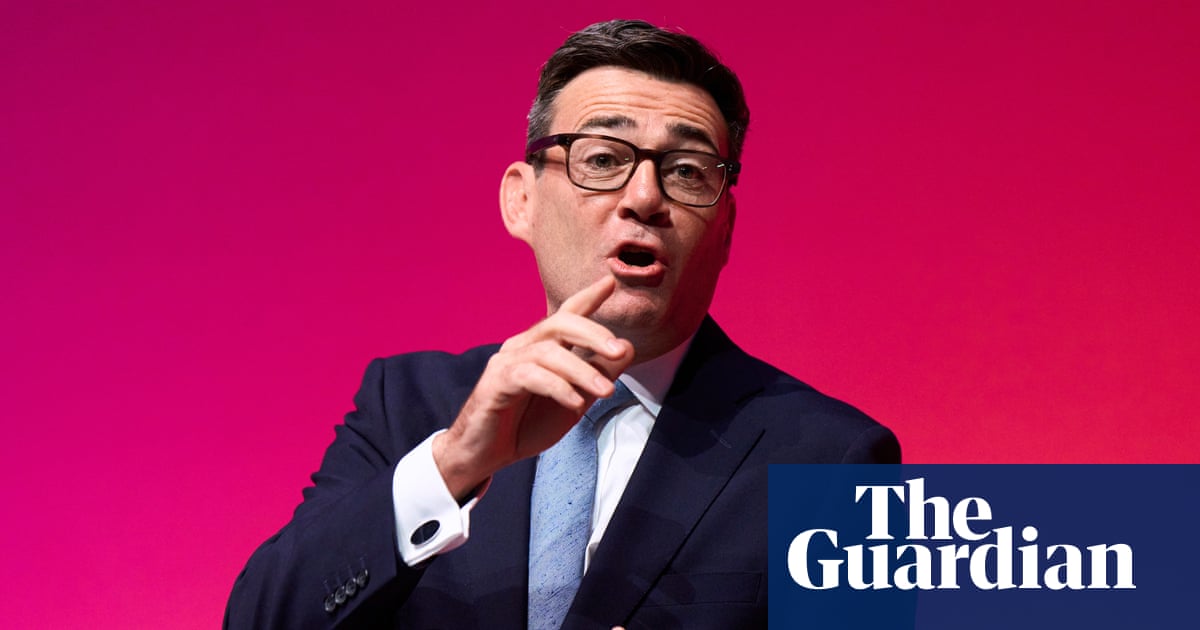
Labour leader Andy Burnham plans to push forward electoral reform proposals in his inaugural conference speech, aiming to replace the first-past-the-post system with proportional representation. This move follows support from over 100 Labour MPs for a recent bill promoting electoral changes and polling indicating majority backing among MPs for reviewing the current voting system. Burnham's initiative is part of broader plans including social care reforms and closer EU ties, aiming to transform Britain’s political landscape significantly since 1918.
Written locally by qwen2.5:14b on 2026-09-29,
using this article's own text rather than the other coverage of the
same event (that is the story summary below).
Story summary
Andy Burnham, newly elected leader of the Labour Party, delivered his first speech as leader at the party's conference in Liverpool on Wednesday. The speech was emotional and covered bold policies such as reforming social care and electoral systems, drawing mixed reactions from attendees and media outlets.
Burnham choked up while discussing his father who recently passed away, a moment that resonated deeply with the audience. He admitted to wanting to move faster on cost-of-living measures but stressed fiscal honesty about what Britain can afford. The speech was seen by some as one of the most memorable in recent years, with former BBC political editor Andrew Marr comparing it favorably to Tony Blair's speeches.
Critics like Mail Online’s Quentin Letts were less impressed, describing the emotional tone and policy promises as overly sentimental and sugar-coated. Meanwhile, supporters praised Burnham for his relatability and commitment to addressing working-class concerns, potentially appealing to voters who had drifted away from Labour under Keir Starmer.
The speech also touched on plans for electoral reform, aiming to introduce proportional representation in Westminster elections, a significant change since 1918. This move is seen as part of Burnham's strategy to transform the UK’s political system fundamentally, though some within the party are wary about such dramatic changes given current fiscal constraints and public opinion.
Written for “Andy Burnham Labour Speeches” on 2026-10-05,
grounded in this article and the 24 other(s) covering the same event.
Claims extracted
13
claim-shaped sentences
Uncertain
23%
3 of 13 hedged
Leaning
Leans left
of the writing, not the subject · beta estimate
Correction & hedging signals
68.3
corrections and hedging in what we collected;
not a measure of accuracy
Outlets on this story
25
Politics
Narrative spread
1
articles carrying this framing
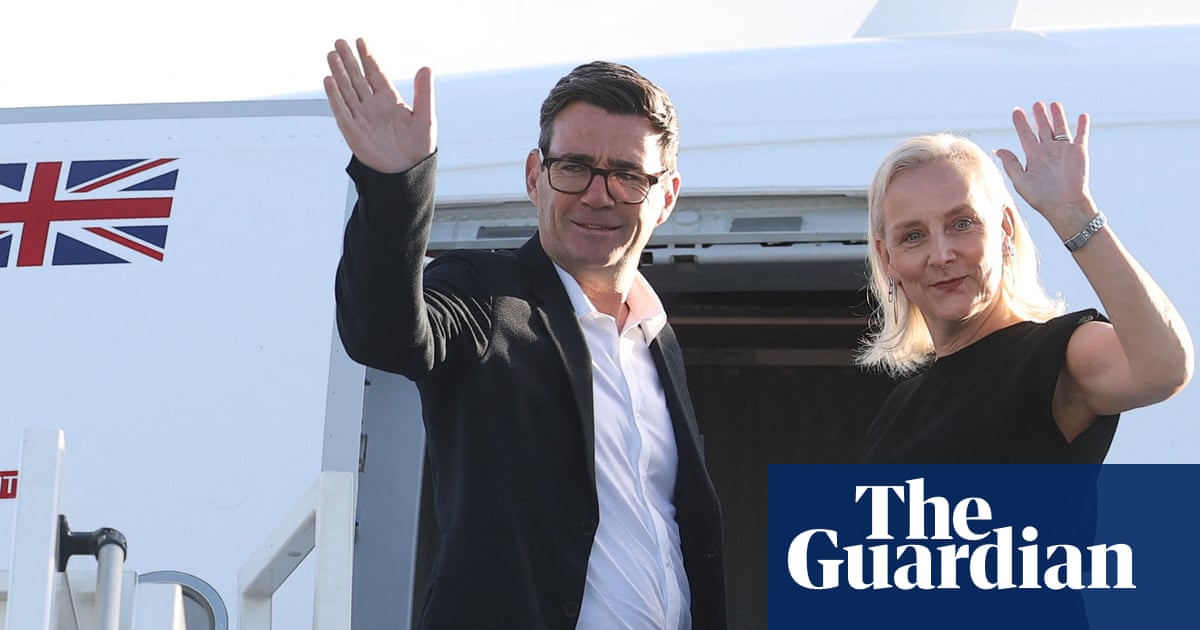
Andy Burnham is expected to announce that he will push ahead with plans for electoral reform in his first conference speech as Labour leader, in the latest sign that he intends to radically transform the UK’s political system.
asserted
he → expect → system
The prime minister, a longtime advocate of reform, will kick off a process that could eventually lead to ditching the first-past-the-post system in favour of proportional representation.
uncertain
that → kick → representation
Government sources told the Guardian that Burnham would set out his plans in “broad strokes” in the speech, underlining his commitment to drawing up proposals before the next general election.
asserted
Burnham → tell → election
Along with social care changes and closer ties with the EU, the plans – which would represent the most significant shake-up of the electoral system since 1918 – would then be put in Labour’s manifesto to get public backing.
asserted
which → represent → backing
One option open to Burnham is to set up a new national commission for electoral reform, an idea he endorsed at last year’s party conference as Greater Manchester mayor.
asserted
he → set → mayor
At the time, he said there should be “a manifesto commitment to a system of proportional representation to be introduced into Westminster elections in the next parliament”.
asserted
he → say → parliament
Almost 100 Labour MPs supported the plan when the representation of the people bill went through parliament earlier this month.
asserted
bill → support → parliament
The minister leading the bill, Florence Eshalomi, told MPs that Burnham “remains committed to electoral reform”, while warning it was “premature to legislate now for one approach”.
asserted
it → lead → approach
Polling of MPs by YouGov suggests the change is supported by a majority in the Commons.
uncertain
change → suggest → Commons
Of those polled, 53% of MPs said they supported a review into first past the post.
asserted
they → poll → post
In May, before he returned to parliament, Burnham told the Guardian that sweeping changes to the electoral system to make politics “less point-scoring, more problem-solving” would be needed if he became prime minister.
uncertain
he → return → system
Critics of proportional representation have said it would lead to a more chaotic form of government, with unstable coalitions and an inability to pass legislation.
asserted
it → say → legislation
Yet Burnham has long argued that Britain has suffered from an overcentralised, London-centric form of government in which two parties dominate at the expense of many of the UK’s nations and regions.
asserted
parties → argue → nations
 The Aporia