That is 0 articles you have read today.
The Aporia is free and carries no advertising, so readers are the only
thing paying for it. If you are getting this much out of it, a small
donation is what keeps it independent.
Daily limit reached
You have read 0 articles today.
That is more than the 15 a day The Aporia gives away,
and well past what it can carry on nothing. Your allowance resets at
midnight.
There is no advertising here and nothing about you is sold, so readers
are the only thing paying for it. If the site is worth this much of
your day, it is worth a few dollars.
Everything else stays open: the
maps, the
directory and
search do
not count against this, and neither does re-opening something you have
already read today.
Andy Burnham, now Labour’s prime minister, pledged at his first conference speech to fight the next general election on changing the UK's voting system through a national commission exploring electoral reform options. He emphasized the need for "everyone's vote to count" and criticized the current first-past-the-post system, which has been questioned due to recent fragmented political landscapes and Labour’s large parliamentary majority with just 34% of the vote share in 2024. Burnham did not provide specific details about the commission or timeline but noted that any move would face resistance from the Conservatives while gaining support from the Liberal Democrats.
Written locally by qwen2.5:14b on 2026-09-29,
using this article's own text rather than the other coverage of the
same event (that is the story summary below).
Story summary
Andy Burnham, newly elected leader of the Labour Party, delivered his first speech as leader at the party's conference in Liverpool on Wednesday. The speech was emotional and covered bold policies such as reforming social care and electoral systems, drawing mixed reactions from attendees and media outlets.
Burnham choked up while discussing his father who recently passed away, a moment that resonated deeply with the audience. He admitted to wanting to move faster on cost-of-living measures but stressed fiscal honesty about what Britain can afford. The speech was seen by some as one of the most memorable in recent years, with former BBC political editor Andrew Marr comparing it favorably to Tony Blair's speeches.
Critics like Mail Online’s Quentin Letts were less impressed, describing the emotional tone and policy promises as overly sentimental and sugar-coated. Meanwhile, supporters praised Burnham for his relatability and commitment to addressing working-class concerns, potentially appealing to voters who had drifted away from Labour under Keir Starmer.
The speech also touched on plans for electoral reform, aiming to introduce proportional representation in Westminster elections, a significant change since 1918. This move is seen as part of Burnham's strategy to transform the UK’s political system fundamentally, though some within the party are wary about such dramatic changes given current fiscal constraints and public opinion.
Written for “Andy Burnham Labour Speeches” on 2026-10-05,
grounded in this article and the 24 other(s) covering the same event.
- Published
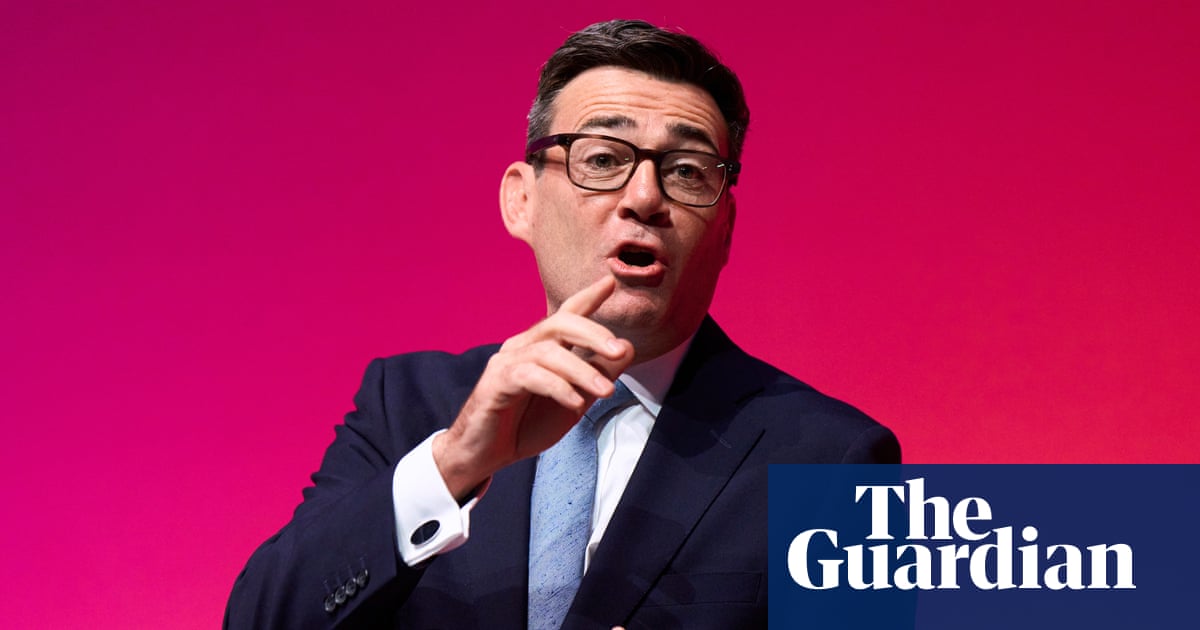
Andy Burnham has promised that Labour will fight the next general election on a pledge to change the UK's voting system.
asserted
Labour → publish → system
In his first party conference speech as prime minister, he announced plans for a national commission to explore options for electoral reform.
asserted
he → announce → reform
He invited other parties to work with the commission to ensure "everyone's vote counts, and everyone's voice is heard".
asserted
voice → invite → commission
He has previously supported moves towards a proportional representation (PR) model, telling last year's conference that "PR's time has come".
asserted
time → support → conference
Westminster's first-past-the-post system, under which candidates with the most votes in each seat are elected, has been called into question as the UK political landscape has fragmented in recent years.
asserted
landscape → elect → years
Debate over the system has intensified since Labour amassed a huge parliamentary majority with a 34% vote share in 2024.
asserted
Labour → intensify → 2024
Around 100 Labour MPs recently supported a parliamentary amendment in favour of setting up a commission to examine alternative options, a move Burnham himself supported last year when mayor of Greater Manchester.
asserted
Burnham → support → Manchester
In his speech Burnham told delegates: "We will all have failed in our public duties if we carry on as we are and open the door of No 10 to a divisive government on less 30% of the vote or less."
asserted
we → fail → vote
He added: "We can't succeed in the eyes of the world if we continue with the levels of political turbulence we have seen in recent times."
asserted
we → add → times
'Lots of models'
Burnham did not set out details of who would lead his proposed commission, or when it would begin its work.
asserted
it → set → work
Any move to change the voting system would be supported by the Liberal Democrats, who had previously urged Burnham to introduce proportional representation before the next election, which must be held by 2029.
asserted
which → change → 2029
However, any move away from first-past-the-post is likely to be resisted by the Conservatives.
asserted
move → resist → Conservatives
Reform UK backed introducing PR at the last election, but there has been speculation that its enthusiasm for the move may have since cooled.
uncertain
enthusiasm → back → move
Support for changing the voting system is also not universal within Labour, with deputy leader Lucy Powell acknowledging after Burnham's speech that "parts of the Labour Party" are not in favour of it.
asserted
parts → change → it
Speaking to Politics Live on BBC 2, she said she personally backed electoral reform but declined to specify a proposed new system, adding there were "lots of models" available.
asserted
she → speak → models
At the last UK election the Liberal Democrats backed the introduction of a single transferable vote (STV) system, which is used for Scottish council elections.
asserted
which → back → elections
Other options include the additional member system, a hybrid model that combines first-past-the-post with regional party lists that is used to elect members of the Scottish Parliament.
asserted
that → include → Parliament
Earlier this year, the Welsh Senedd was elected for the first time using a closed-list proportional representation system.
asserted
Senedd → elect → system
 The Aporia