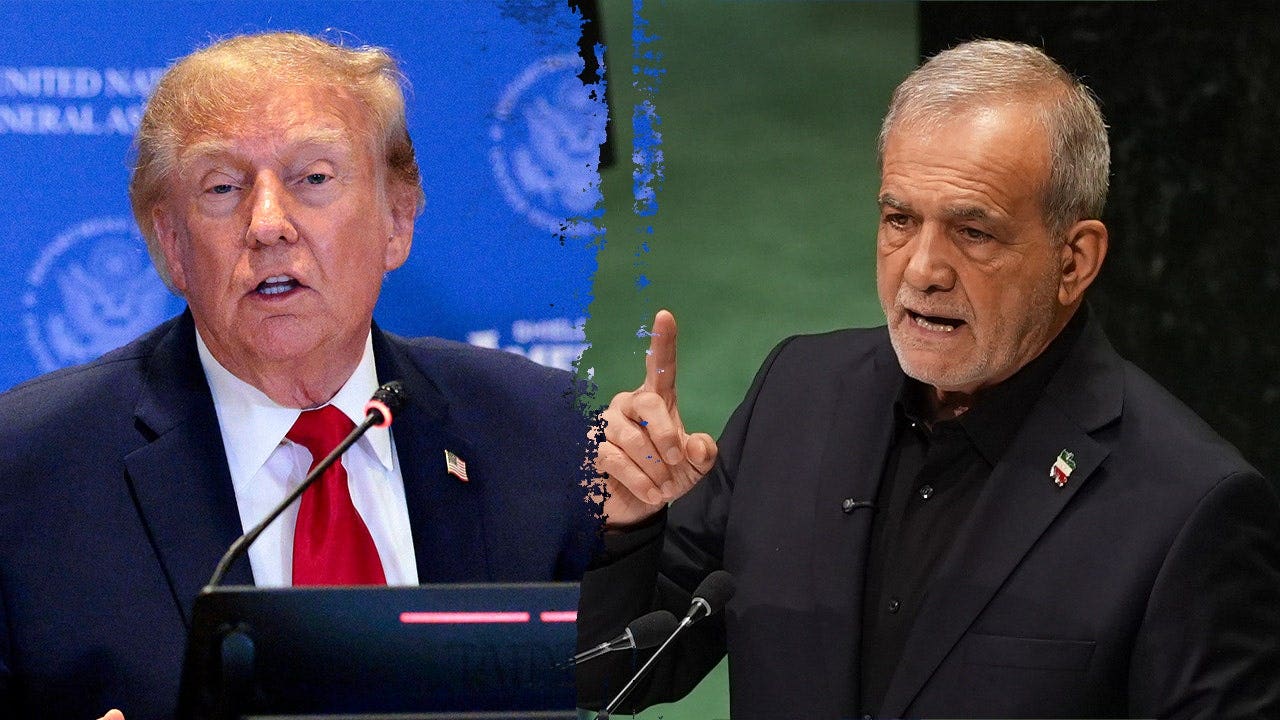
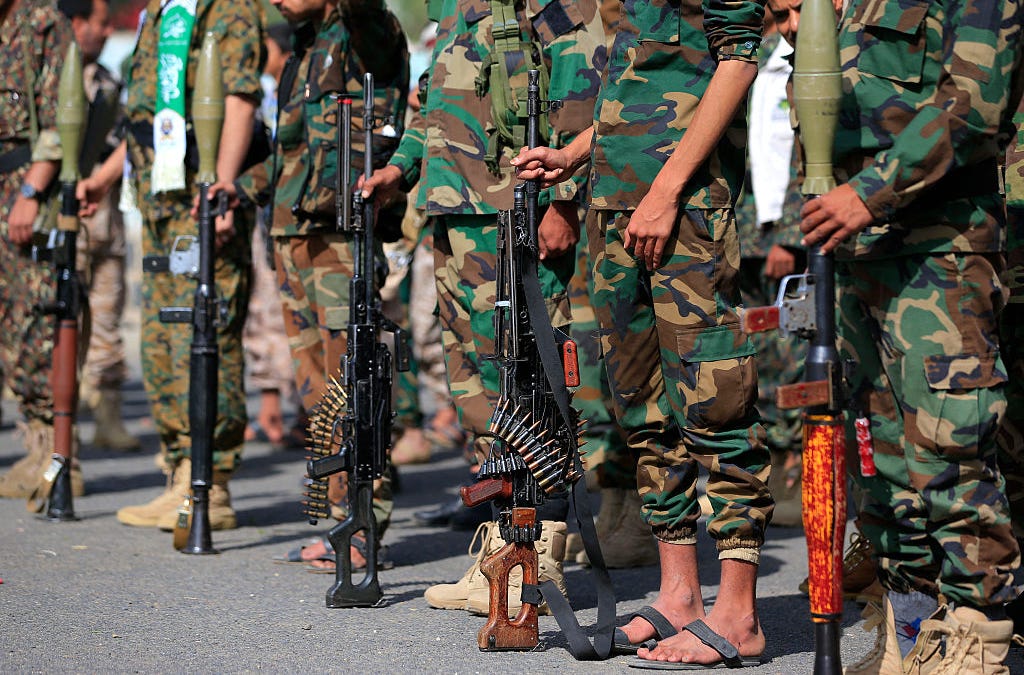
President Trump's strategy against Iran has significantly weakened Tehran's financial power and regional influence. Oil exports from Iran have plummeted to about 260,000 barrels per day from 1.7 million a year earlier, while the Iranian rial has depreciated severely, falling to roughly 2.2 million to the dollar in September. The IRGC, which relies on oil revenues and financial networks to support its military activities across the Middle East, faces severe constraints as Washington targets these lifelines. China's role is critical; despite initial resistance, Chinese companies have been sanctioned for purchasing Iranian oil, weakening Iran’s economic position further.
Written locally by qwen2.5:14b on 2026-09-29,
using this article's own text rather than the other coverage of the
same event (that is the story summary below).
For months, analysts have debated whether President Donald Trump’s campaign against Iran was working.
asserted
campaign → debate → Iran
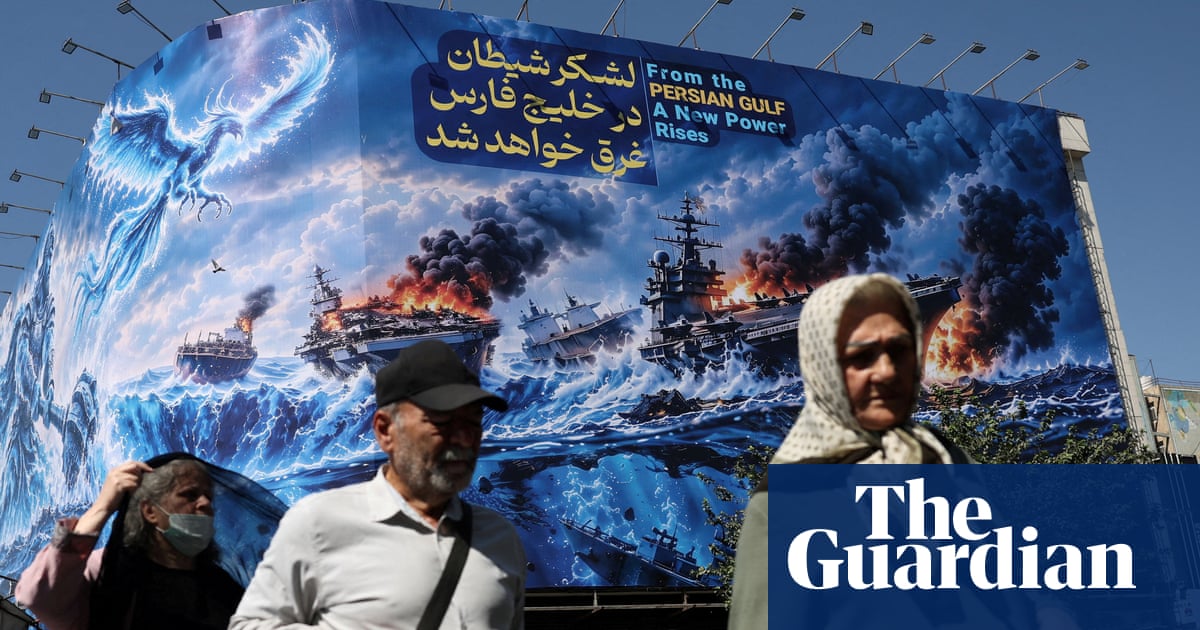
Tehran’s propaganda has tried to turn high oil prices and slow negotiations into evidence of US weakness.
asserted
propaganda → try → weakness
The reality is less flattering for the regime and its military, the Iranian Revolutionary Guard Corps: Trump has forced them into a prolonged cold-hot war that drains their finances, strains their regional network and strips away their leverage.
asserted
that → force → leverage
Shipping through the Strait of Hormuz has moved back toward pre-war levels — and Iran’s domestic deterioration is increasingly difficult to dismiss.
asserted
deterioration → ship → levels
Iran’s rial fell to roughly 2.2 million to the dollar in September, from about 958,000 a year earlier.
asserted
rial → fall → 958,000
Inflation is nearing 70%, food prices have more than doubled, and unemployment is above 9%.
The latest official figure put youth unemployment at 20.1%.
asserted
figure → near → %
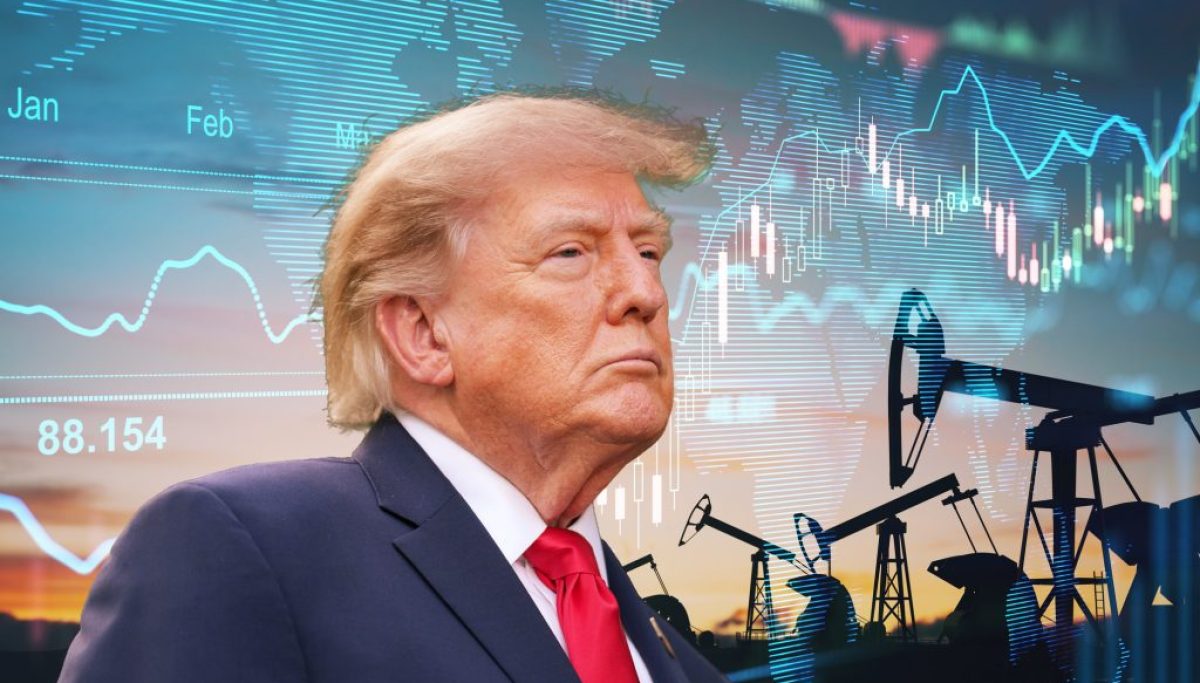
Oil exports have also collapsed, falling to roughly 260,000 barrels a day from 1.7 million a year earlier.
asserted
exports → collapse → million
The bigger story is what those numbers mean for the IRGC’s power.
asserted
numbers → mean → power
The IRGC still must pay its own forces while financing allies and militias across Iraq, Lebanon and Yemen.
asserted
IRGC → pay → Iraq
Washington has been squeezing that network’s financial lifelines by targeting oil exports, shadow fleets, exchange houses, front companies and the foreign buyers willing to take sanctioned Iranian crude.
asserted
Washington → squeeze → crude
China matters most here: Treasury estimates that China buys about 90% of Iran’s oil exports.
asserted
China → matter → exports
In April, Washington sanctioned Hengli Petrochemical’s Dalian refinery after it bought billions of dollars of Iranian petroleum, including crude linked to Iran’s armed forces.
asserted
it → sanction → forces
That is the difference between sanctions on paper and sanctions that bite.
asserted
that → bite → paper
Iran can withstand restrictions far more easily if Chinese refiners keep buying its oil without consequences.
asserted
refiners → withstand → consequences
Washington has also gone after the financial channels used to move the proceeds.
asserted
Washington → go → proceeds
Treasury says Iranian shadow-banking networks move tens of billions of dollars.
asserted
networks → say → dollars
In August, it moved to cut Banque Misr UAE off from US correspondent banking after estimating the bank had processed about $1.8 billion for 103 companies potentially connected to Iranian shadow networks since 2024.
asserted
bank → move → 2024
Washington also sanctioned the manager of Bank Melli’s Dubai branch, which Treasury says helped the IRGC and its Quds Force move money.
asserted
IRGC → sanction → money
China’s political strategy has come under strain, too.
asserted
strategy → come → strain
Beijing celebrated the 2023 Saudi-Iran agreement as proof that China could stabilize the region.
uncertain
China → celebrate → region
Three years later, however, Saudi Arabia is again confronting Iranian and Iran-backed threats around Hormuz and Bab al-Mandab, while Beijing has had to press Tehran to rein in the Houthis after Saudi appeals with no success.
asserted
Beijing → confront → success
Riyadh, meanwhile, is looking to Washington.
asserted
Riyadh → look → Washington
Saudi Foreign Minister Faisal bin Farhan is in the US capital this week for talks with Secretary of State Marco Rubio as Saudi officials call for protecting shipping through Hormuz, Bab al-Mandab, the Red Sea and the Gulf of Aden.
asserted
officials → call → Aden
More important, Saudi Arabia ended its participation in mBridge, a China-backed digital payments project, after a limited trial with no real Saudi transactions — another sign that Riyadh’s deepest financial and security ties remain with the United States.
asserted
ties → end → States
The IRGC has also lost much of the leverage it once derived from threatening Gulf energy flows.
asserted
it → lose → flows
Saudi Arabia’s East-West pipeline can carry up to 7 million barrels a day toward the Red Sea, with roughly 5 million available for export.
asserted
million → carry → export
The UAE has gone further: It left OPEC on May 1, freeing itself from production quotas, and pushed crude output above 3.8 million barrels a day in June.
uncertain
It → go → June
These shifts keep Gulf oil flowing while weakening a key IRGC pressure tool.
Iran is now weaker at home and abroad, and its sponsors, China and Russia, have been unable to save it from what is unfolding.
asserted
what → keep → it
Trump is doing something Washington has rarely attempted with this breadth: going after not only the IRGC itself, but the entire system that kept it funded, supplied and able to project power across the region.
asserted
that → do → region
That is precisely why his pressure should continue — whatever the domestic political consequences.
asserted
consequences → continue → ?
 The Aporia