New York Post
· collected 2026-09-28 · by Marisa Schultz, Josh Christenson, Ronny Reyes
Oil exports from the Persian Gulf have rebounded to 72% of pre-war levels, with crude flow through the Strait of Hormuz now slightly under half its pre-war volume, according to analysts. US officials claim Iran is being "strangled" by a naval blockade, leading to severe economic strain and shortages in supplies, water, food, and other essentials. The Iranian rial has plummeted to record lows at 2.45 million per US dollar, reflecting extreme inflation and economic hardship under US sanctions.
Written locally by qwen2.5:14b on 2026-09-28,
using this article's own text rather than the other coverage of the
same event (that is the story summary below).
The oil is flowing again in the Persian Gulf — even as Iran is choking on fumes.
asserted
Iran → flow → fumes
Oil exports from the region have rebounded to 72% of pre-war levels and crude flow through the Strait of Hormuz is now a little under half what it was before the war, according to analysts.
Meanwhile, Iran appears to be running on fumes, according to US officials — who say the country is being “strangled” by the US Navy blockade that has locked out Iran’s ports and caused its trade to free fall.
uncertain
trade → rebound → ports
US officials told the Post that as oil exports continue to increase, America’s negotiating ability only increases.
asserted
ability → tell → Post
President Trump is now reportedly willing to give Tehran sanctions relief and release frozen assets in exchange for a concrete nuclear deal, one official said.
uncertain
official → give → deal
Hardliners in Iran, however, have rejected such conditions and even called on the country to end any cooperation on the Nuclear Non-Proliferation Treaty.
asserted
Hardliners → reject → Treaty
“They are exhausted,” a US official told The Post.
asserted
official → exhaust → Post
“There’s no doubt that they’re exhausted.”
asserted
they → ’ → ?
“They’re running out of supplies.
asserted
They → run → supplies
They’re running out of water.
asserted
They → run → water
They’re running out of feedstock.
asserted
They → run → feedstock
They’re running out of food,” the official added.
asserted
official → run → food
“And the blockade is strangling them.
asserted
blockade → strangle → them
It’s almost like we’re like an anaconda.
asserted
we → ’ → anaconda
And every time they let out a breath, we squeeze a little more.”
asserted
we → let → more
The country’s rial, which was already in massive trouble before the war, has also plunged to a new low of 2.45 million to one US dollar — explosive inflation from a year ago when $1 was worth 42,000 rials.
asserted
1 → plunge → dollar
“Operation Economic Outcast has caused the rial to hit record lows,” Treasury Secretary Scott Bessent wrote on X. “We will continue to degrade the Iranian regime’s ability to fund terrorism and develop a nuclear weapon.
asserted
We → cause → weapon
US officials told the Post that as oil flow continues to increase out of the Persian Gulf, America’s negotiating ability only increases.
asserted
ability → tell → Gulf
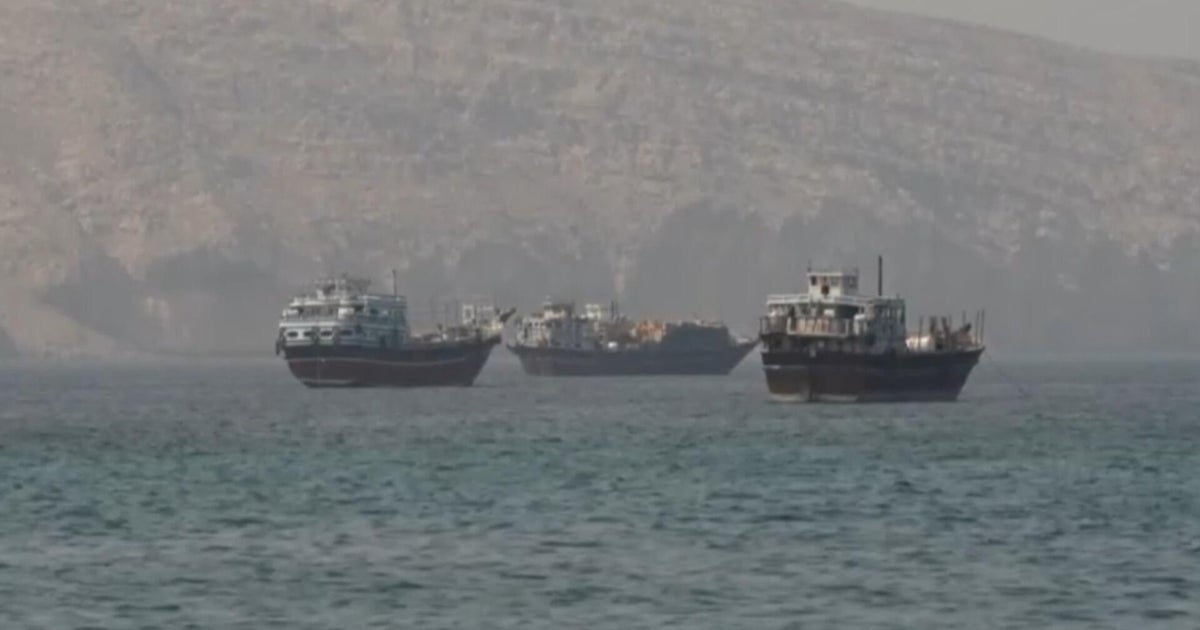
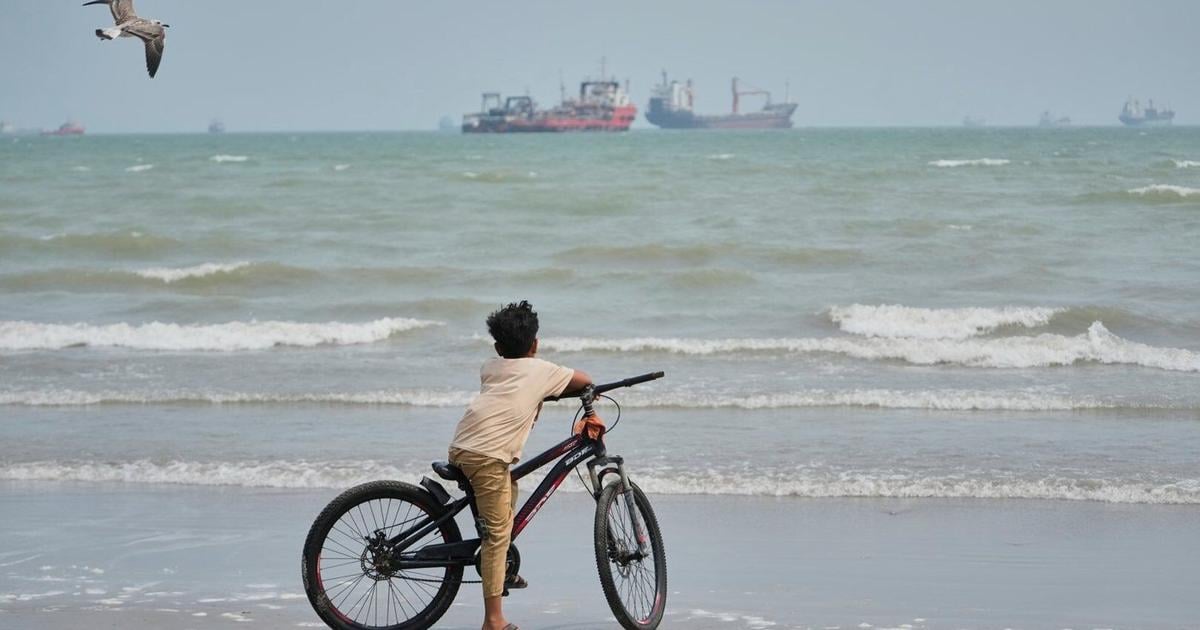
Oil flowing out of the Strait of Hormuz is on the rise as ships confidently sail under US protection — with the Persian Gulf’s crude exports reaching an average of more than 13 million barrels a day in September, near pre-war levels, according to maritime tracker Kpler.
uncertain
exports → flow → Kpler
With the US providing military protection in the Strait and no confirmed Iranian attacks occurring in almost a week, oil flow in the waterway jumped to an average of 7.3 million barrels a day in September, the highest it has been during the war, Kpler noted.
asserted
Kpler → provide → war
US Energy Secretary Chris Wright hailed the increased flow on Sunday and claimed that transits even exceeded pre-war levels for at least one day in the previous week.
asserted
transits → hail → week
“There was a day just this last week where over 20 million barrels of oil, more than pre-conflict levels, flowed out of the Strait,” Wright told Fox News.
asserted
Wright → be → News
The average oil traffic through the Strait, however, remains less than half of pre-war levels, with an average of 17 ships sailing through the passage every day, according to Kpler.
uncertain
average → remain → Kpler
The Gulf, however, has stepped up in other places, with increased flow recorded at the Gulf of Oman through ship-to-ship transfers and at the United Arab Emirates’ Fujairah pipeline, which bypasses the Strait of Hormuz.
asserted
which → step → Hormuz
The Persian Gulf’s total exports for September have reached about 13 million barrels of oil per day, about 72% of what it was in February before the US and Israel declared war on Iran, according to Kpler.
uncertain
US → reach → Kpler
The new data echoes analysts and US officials’ claim that Iran has effectively lost its ability to threaten ships along the Strait of Hormuz.
uncertain
Iran → echo → Hormuz
The realities in the water, however, have not stopped Iran’s Islamic Revolutionary Guard Corps from continuing to threaten escalation in the Strait.
asserted
realities → stop → Strait
While Iranian media claimed that its military struck 19 ships trying to cross the Strait of Hormuz over the weekend, no attack along the waters has been independently confirmed since Wednesday.
asserted
attack → claim → Wednesday
Iran’s Persian Gulf Strait Authority also issued a warning over the weekend against ships sailing outside Tehran’s recognized route, with armed forces spokesman Abolfazl Shekarchi adding that the US would be “hit” if it continues to intervene in Hormuz.
asserted
it → issue → Hormuz
Maintaining safe travel through the Strait has also proved to be its own challenge, with at least eight US Marines injured after a cruise missile hit the ship they were operating on in the waterway, officials told NBC.
asserted
officials → maintain → NBC
Some 22 seafarers have been killed in 79 confirmed attacks in the Strait since the war began, according to the International Maritime Organization.
uncertain
war → kill → Organization
 The Aporia