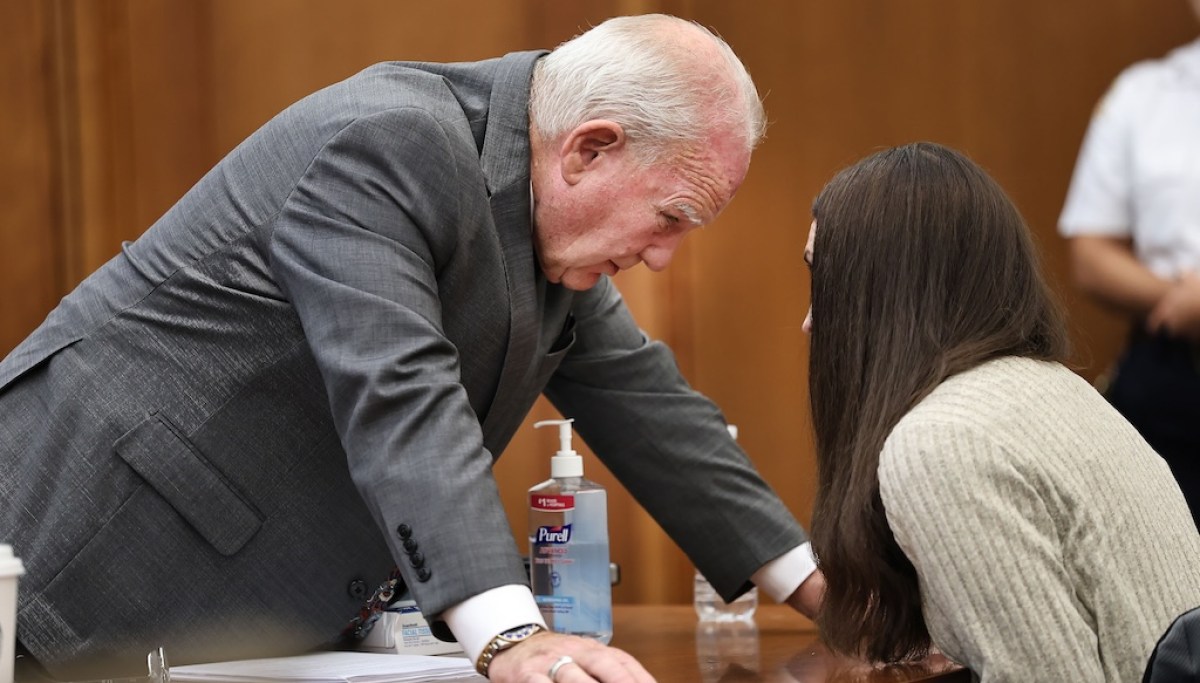
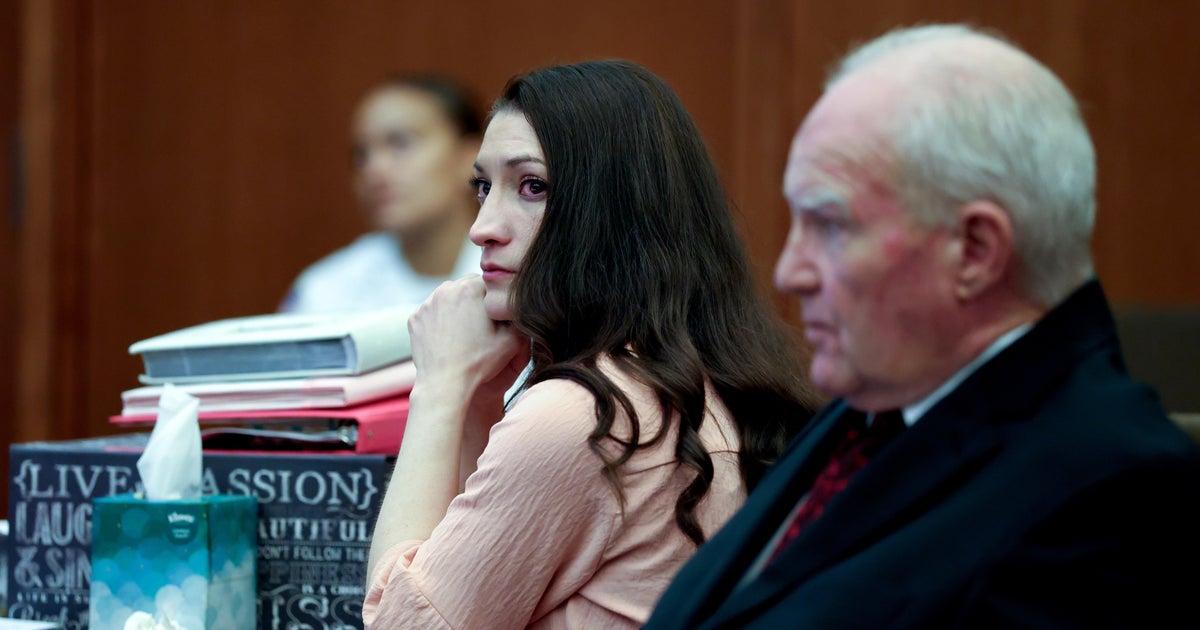
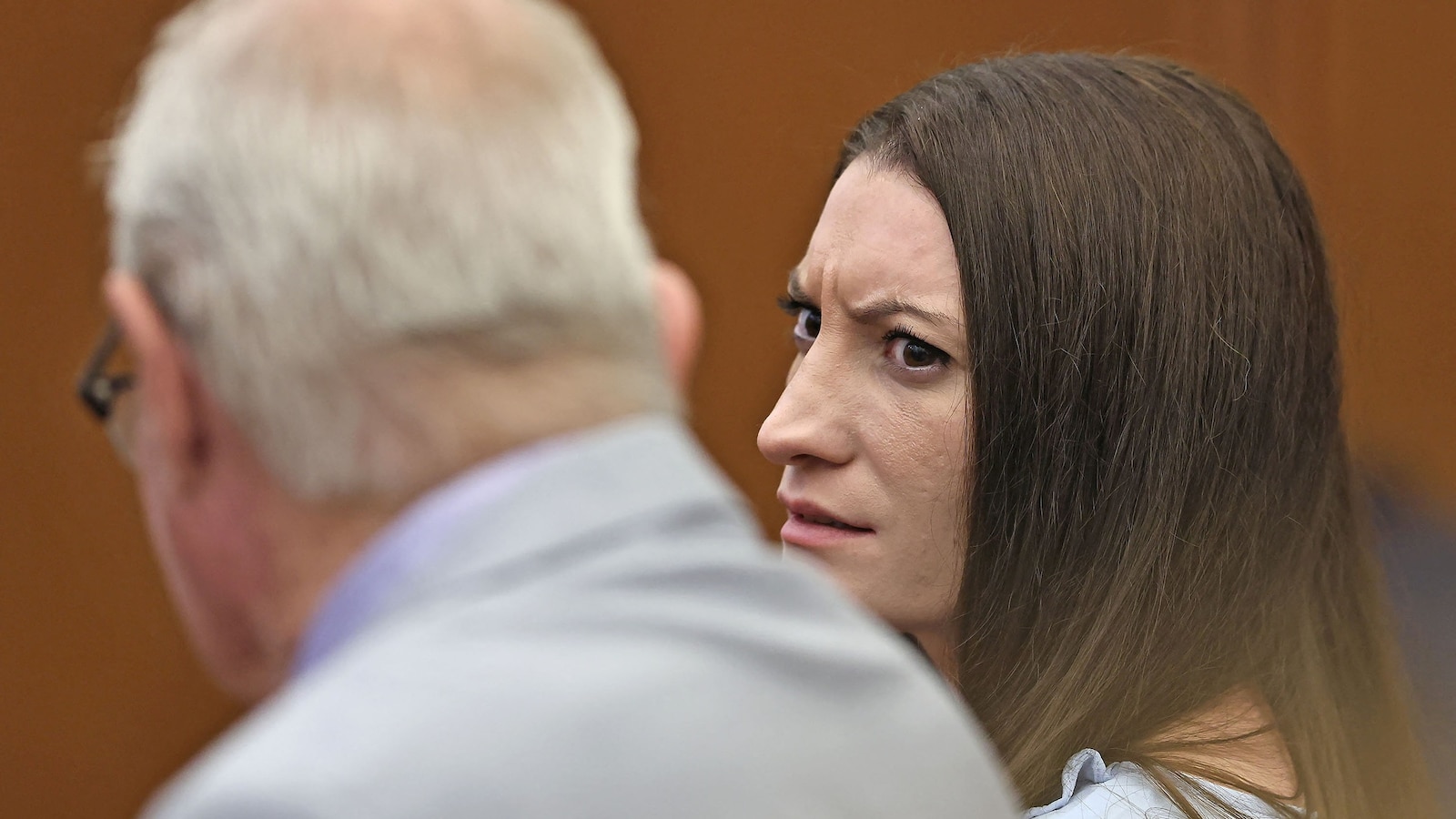
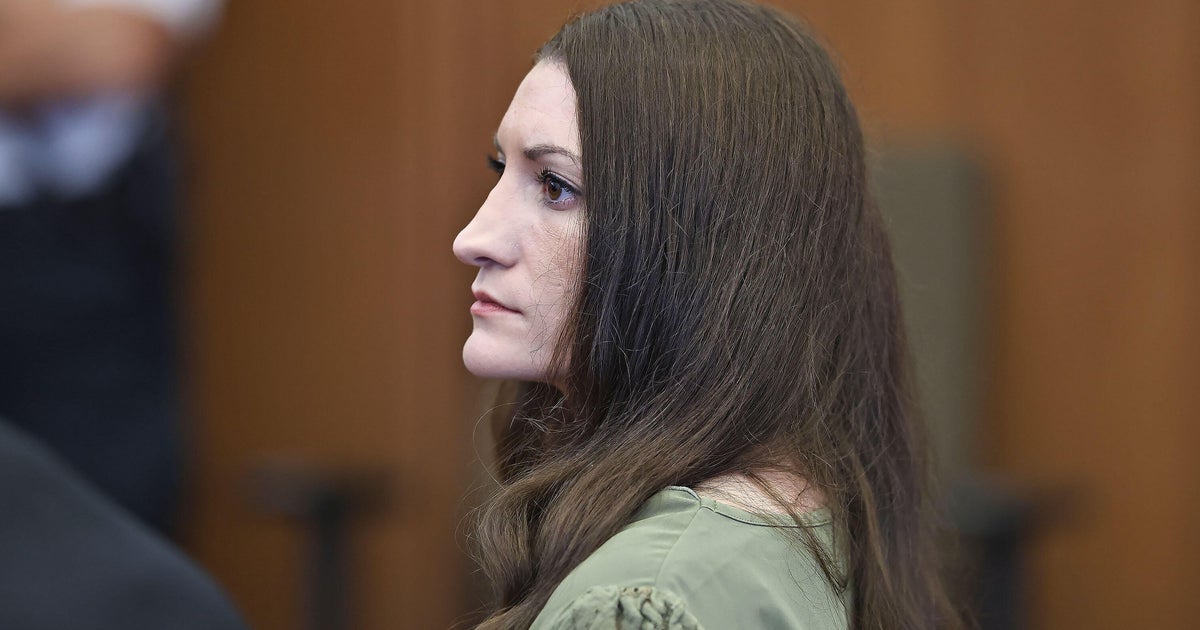
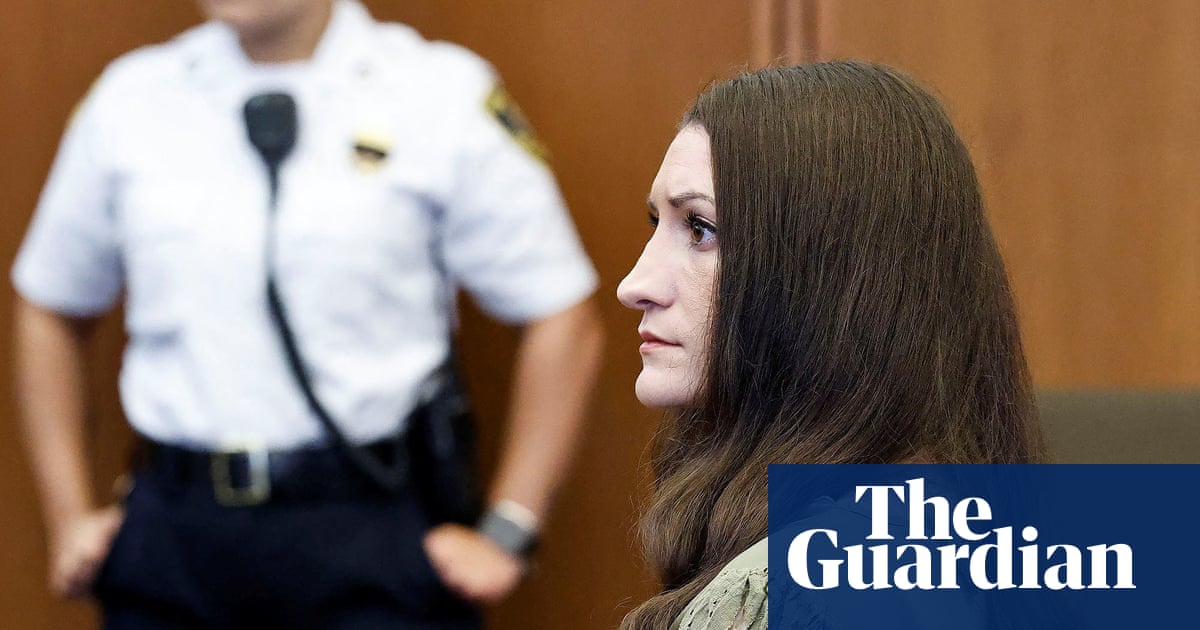
A Massachusetts judge ruled a mistrial in the prosecution of Lindsay Clancy on murder charges after the jury deadlocked after seven days of deliberations, sending the case into a crossroads over how prosecutors will move forward.
asserted
prosecutors → rule → crossroads
Judge William Sullivan of the Plymouth Superior Court declared a mistrial after the jury could not come to a consensus over whether Clancy was in her right mind or experiencing psychosis when she killed her three children.
uncertain
she → declare → children
The jury had been deadlocked 11-1, with defense attorney Kevin Reddington pleading with Sullivan, to no avail, to dismiss the lone holdout juror whom he believed was siding with the prosecution.
asserted
he → deadlocke → prosecution
With the case declared a mistrial, the prosecution has three main options it may pursue after the six-week trial gained nationwide attention: retrying the case, offering a plea deal, or abandoning the prosecution.
uncertain
trial → declare → prosecution
The most likely option for prosecutors is to retry the case.
asserted
option → retry → case
If the prosecution decides to retry the case, a new jury would be selected, and the case would proceed to a new trial with a different jury.
asserted
case → decide → jury
Prosecutors did not immediately say if they will seek a new trial.
asserted
they → say → trial
If Massachusetts prosecutors decide to retry the case, they could modify the charges, including by dropping the trio of first-degree murder charges down to second-degree murder charges, which could be an easier case for the state to prove beyond a reasonable doubt.
uncertain
state → decide → doubt
George Washington University Law Professor Jonathan Turley said prosecutors would “in all likelihood” move to a new trial of the case, but he also suggested that they could refile the charges as second-degree murder charges.
uncertain
they → say → charges
“Prosecutors often overcharge in these cases, and a [first degree murder] charge, I can tell you, as a criminal defense attorney, tends to work in favor of the criminal defense because it is such a high standard, sort of sucks the oxygen out of the room.
asserted
it → overcharge → room
So they may want to consider starting with [second degree murder],” Turley said during an appearance on Fox News on Friday.
uncertain
Turley → want → Friday
“But yes…they will be inclined to try again.”
asserted
they → incline → ?
Neama Rahmani, a former federal prosecutor, told the Washington Examiner he believes the case will move forward with first-degree murder charges, arguing the question is not about the degree of murder but whether Clancy is not guilty by reason of insanity.
“
asserted
Clancy → tell → insanity
They’re going to charge her with first-degree murder.
asserted
They → go → murder
If you’re being intellectually honest, this is either an insanity case or it’s premeditated murder,” Rahmani said.
asserted
Rahmani → ’ → ?
To kill your three kids, it’s cruelty or atrocity.
asserted
it → kill → kids
You can’t plead it down, or that’s a district attorney that’s getting voted out of office.”
asserted
that → plead → office
One of the main criticisms of the first trial of Clancy was that the jury was not sequestered despite the national news attention on the case, and while sequestration could be entertained for a new trial, Rahmani said it is unlikely.
uncertain
it → sequester → trial
“In Massachusetts, it’s very rare,” Rahmani said.
asserted
Rahmani → ’ → Massachusetts
“It’s already such a huge imposition.
asserted
It → ’ → ?
You’re going to ask people to do this, sit through a one- to two-month trial again, and now you’re going to remove them from their friends and family.
asserted
you → go → friends
It just doesn’t make sense.”
Offering a plea deal or abandoning the prosecution
The more unlikely options include the prosecution offering a plea deal to Clancy or dropping the case entirely.
asserted
prosecution → make → case
Both appear unlikely because of the prosecution’s continued pursuit of the case.
asserted
Both → appear → case
The defense may be unlikely to accept an offer to plead guilty to a lesser charge because of how close it appears Clancy was to being acquitted by the deadlocked jury.
uncertain
Clancy → accept → jury
“Even if you offer second-degree murder, give her the possibility of parole.
asserted
you → offer → parole
I don’t think the defense is going to take it,” Rahmani told the Washington Examiner.
asserted
Rahmani → think → Examiner
“They almost got an acquittal.”
asserted
They → get → acquittal
At the end of proceedings on Friday, Sullivan announced the court will return for a status conference on Sept. 29 to decide the next steps in the case.
asserted
court → announce → case
Kaelan Deese contributed to this report.
asserted
Deese → contribute → report
 The Aporia