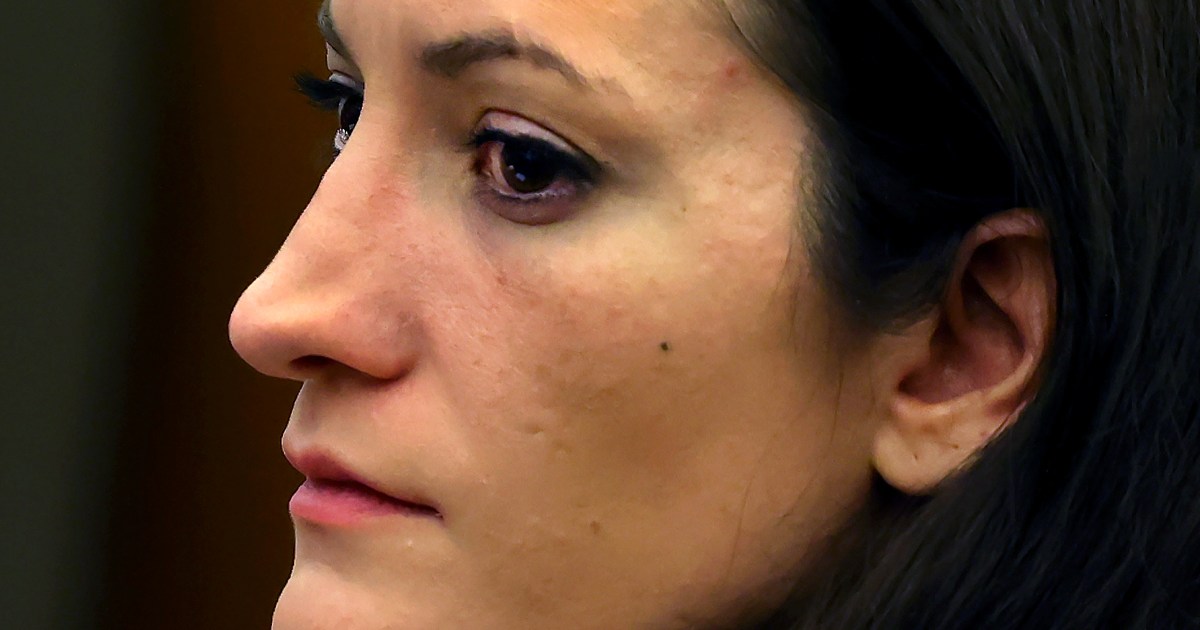
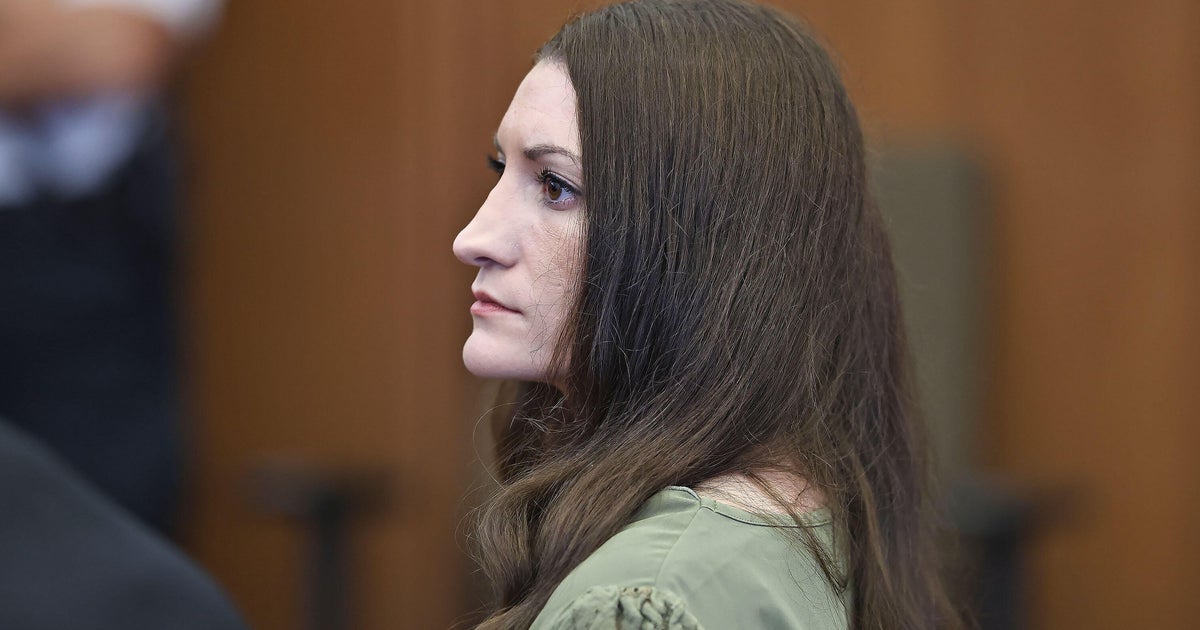
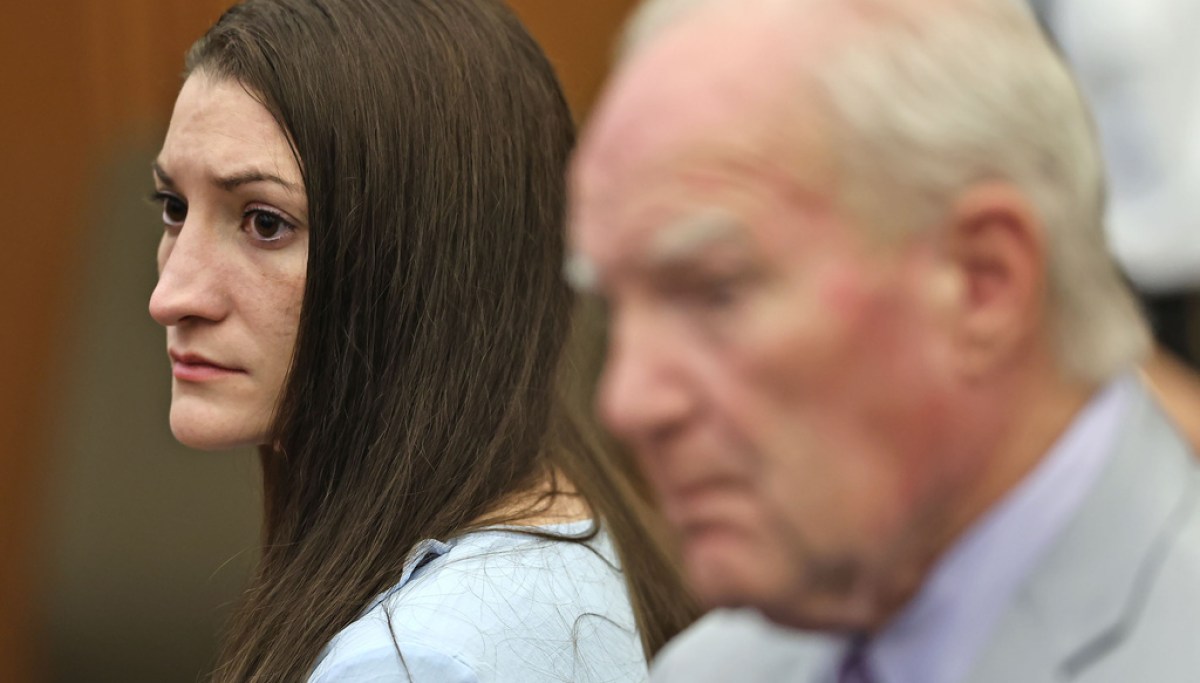
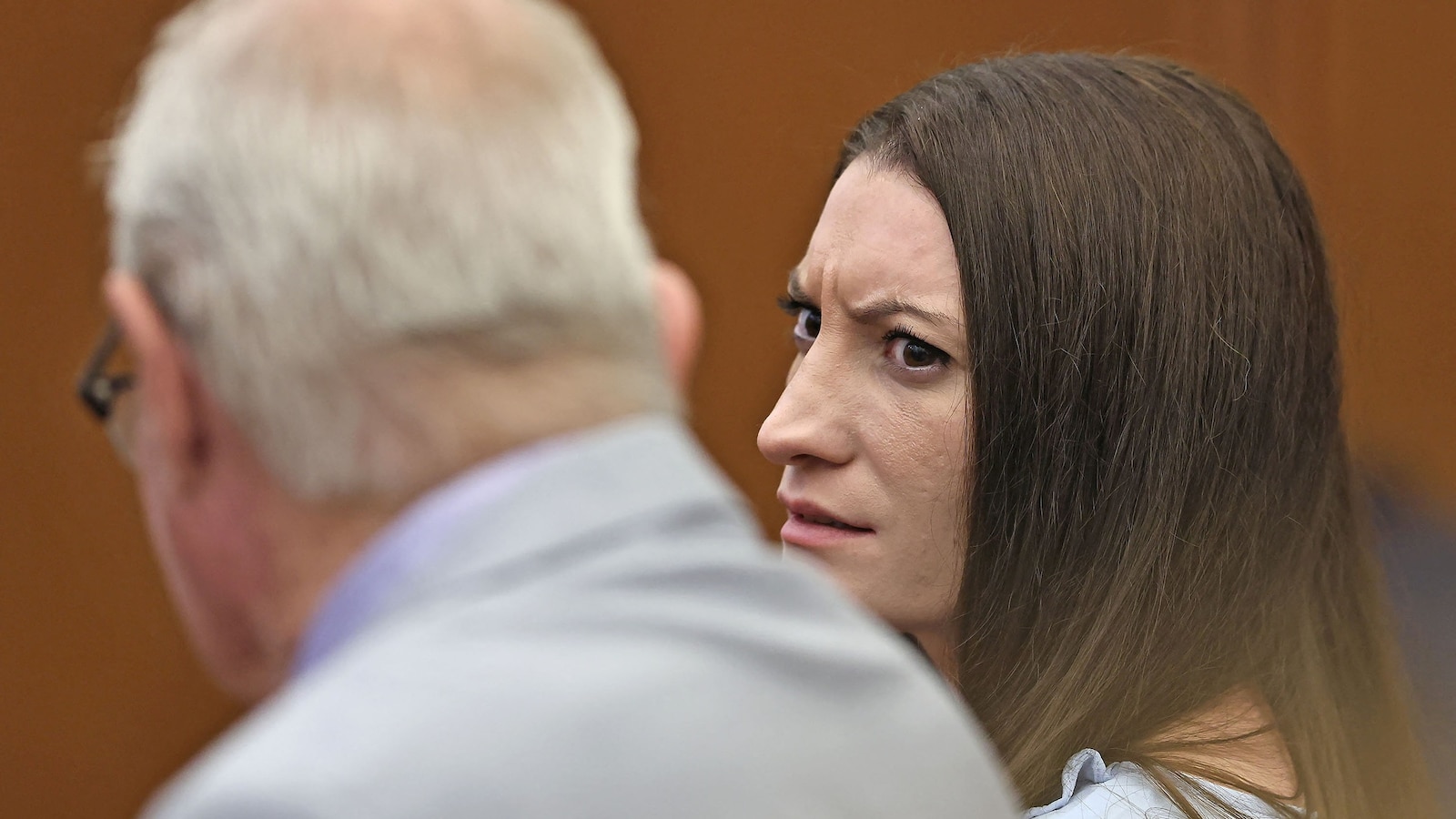
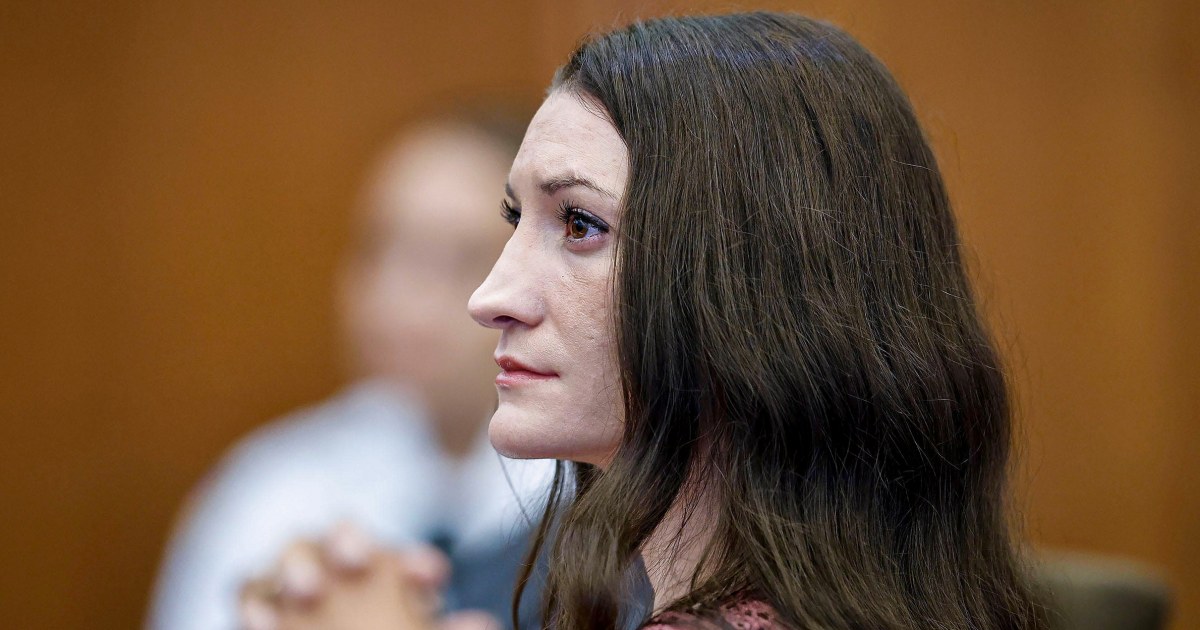
A Massachusetts judge said he would declare a mistrial Friday after the jury weighing the fate of Lindsay Clancy failed for the third time to reach a verdict in the case of the mother accused of the strangling deaths of her three young children in 2023.
asserted
jury → say → 2023
But in a dramatic courtroom moment, Clancy’s lawyer said he wanted to appeal to a higher court.
asserted
he → say → court
The judge granted him one hour to do so.
asserted
judge → grant → hour
Judge William Sullivan made the announcement after the jury sent the court a note saying it was still deadlocked.
“I’m going to declare a mistrial at this point,” Sullivan told the court Friday morning.
asserted
Sullivan → make → point
Both the prosecution and defense were given the opportunity to opine on the decision after the third deadlock.
asserted
prosecution → give → deadlock
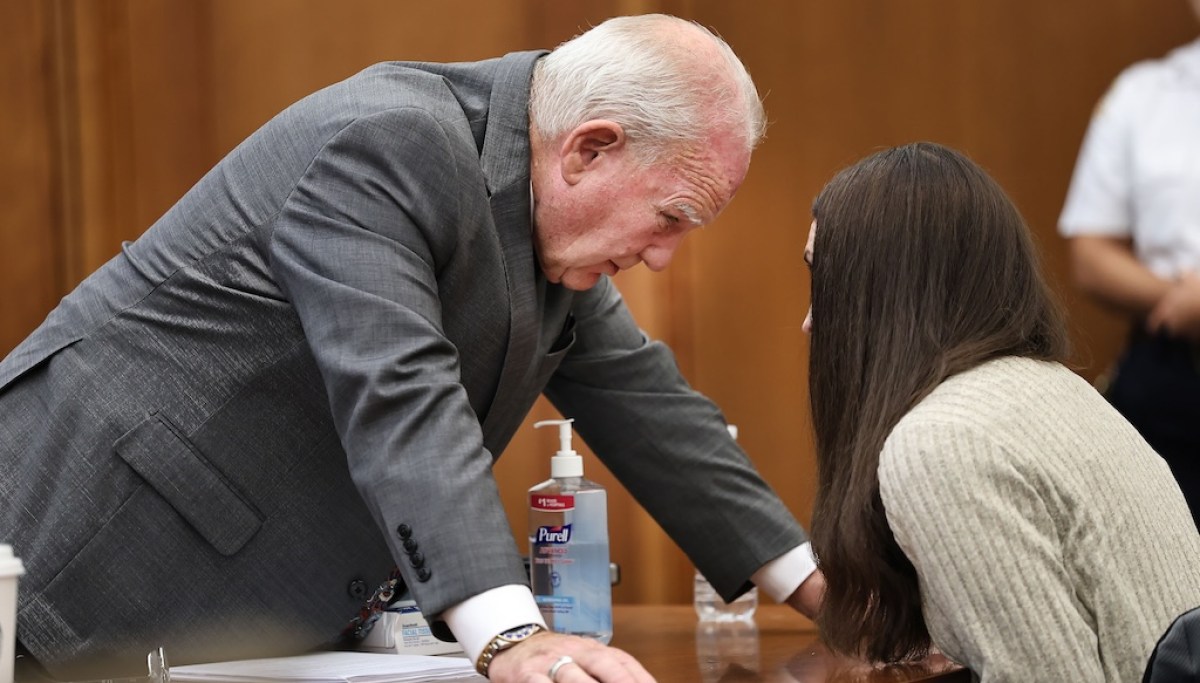
Defense attorney Kevin Reddington fought hard against a mistrial, asking for a final emergency appeal to the Supreme Judicial Court of Massachusetts, but Sullivan seemed against bringing the jury back Saturday to continue deliberating should Reddington win the appeal.
asserted
Reddington → fight → appeal
Sullivan told Reddington he had one hour to file an emergency stay before calling the jurors back to dismiss them.
asserted
he → tell → them
Clancy had pleaded not guilty to three first-degree murder charges in the deaths of Cora, 5, Dawson, 3, and Callan, 8 months.
asserted
Clancy → plead → Cora
But the jury remained deadlocked after a nearly six-week trial and seven days of deliberation.
asserted
jury → remain → deliberation
The jury was tasked with determining whether Clancy was criminally responsible in her children’s deaths, or whether she was not guilty by reason of lack of criminal responsibility because of mental illness.
asserted
she → task → illness
Sullivan got the first deadlock note Tuesday, the fourth day of deliberations, and dismissed the jurors after asking them to continue to work toward a verdict.
asserted
Sullivan → get → verdict
On Wednesday, the jury issued a second note saying it is “still unable to come to a unanimous decision.”
asserted
it → issue → decision
Sullivan, at that point, read the jurors what’s known as Tuey-Rodriguez instructions, which essentially asks them to give deliberations one last chance and tells them that it’s “desirable” they reach a verdict.
asserted
they → read → verdict
Under Massachusetts law, a judge can only ask a jury to keep deliberating twice, unless it consents to further deliberations.
asserted
it → ask → deliberations
If the jury still cannot reach a unanimous verdict after the third deadlock, the judge can declare a mistrial, which Sullivan did.
asserted
Sullivan → reach → which
Clancy’s defense argued she was not criminally responsible for the Jan. 24, 2023, killings because she was mentally ill with postpartum psychosis, a rare condition that can alter a new mother’s sense of reality and is considered a psychiatric emergency.
asserted
that → argue → reality
Her attorneys argued that she had mentally deteriorated over the preceding months and, despite repeated efforts to seek psychiatric help including calling the suicide hotline, she was never properly diagnosed.
asserted
she → argue → hotline
Instead, she was given a spate of different medications over a matter of months to treat her symptoms or the adverse reactions to some of the medications.
asserted
she → give → medications
In closing arguments, Reddington blamed “the damn medicine and the lousy medical care that she got” for the trajectory from happy family to the murders.
asserted
she → blame → murders
He claimed the prosecution was trying to manipulate the jury by portraying Clancy as control-obsessed and for downplaying the severity of her suicide attempt, which left her paralyzed from the waist down.
asserted
which → claim → down
He doubled down on Clancy’s claim that she heard a male voice compelling her to kill her kids — a point the prosecution has tried to pick apart in trial.
uncertain
prosecution → double → trial
She told a hospital chaplain about the voice, and told her then-husband over the phone in a call heard by a forensic psychologist.
asserted
She → tell → psychologist
He also emphasized the testimony of forensic psychiatrist Dr. Phillip Resnick who concluded that Clancy was psychotic at the time of the murders.
asserted
Clancy → emphasize → murders
“This young lady is not guilty of the killing of her children because she was suffering from a disease and defect,” Reddington said.
asserted
Reddington → suffer → disease
Prosecutors argued Clancy was in full control of her faculties at the time of the killings and deliberately planned the murders.
asserted
Clancy → argue → murders
They acknowledged that she was struggling with her mental health, but claimed she manipulated her doctors and treatment and argued that she was not in psychosis at the time of the killings.
asserted
she → acknowledge → killings
They argued she intentionally sent her then-husband, Patrick Clancy, out to pick up dinner and go to CVS the evening of the murders.
asserted
she → argue → murders
They said she looked up how long the trip would take and called the store to make sure it had a medication in stock to buy herself enough time.
asserted
it → say → time
Then, Clancy methodically killed the kids one after another and then attempted suicide by throwing herself out of her second-story bedroom window, prosecutors said.
asserted
prosecutors → kill → window
Patrick Clancy testified that he returned home that evening to find “blood everywhere.”
asserted
he → testify → blood
Clancy was bleeding on the ground outside their home, he said.
asserted
he → bleed → home
While the trial has seen Clancy emerge as a symbol of the problems plaguing maternal healthcare, in her closing arguments, Plymouth County Assistant District Attorney Jennifer Sprague told the jury this trial wasn’t about the mental health system or how it treats women.
asserted
it → see → women
Sprague conceded Clancy had mental health issues and was depressed.
asserted
Clancy → concede → issues
But, she said, it wasn’t the fault of the providers that Clancy wasn’t getting better.
asserted
Clancy → say → providers
In the months leading up to the killings, Clancy told family members she was getting better but told psychiatrist, Dr. Jennifer Tufts, that she was depressed, Sprague said.
asserted
Sprague → lead → Tufts
But she didn’t tell Tufts the whole story either, Sprague said.
asserted
Sprague → tell → story
During her sessions with Tufts, Clancy “denied having a suicide plan, denied wanting to hurt anyone else, denied voices” and “showed no signs of psychosis.”
Sprague walked the jury through the killings, detailing how Clancy used the exercise bands to strangle her children, calling it as “extreme atrocity and cruelty.”
“Those kids were her protective factor,” Sprague said.
asserted
Sprague → deny → atrocity
“Those kids were keeping her from ending her misery.
asserted
kids → keep → misery
And so she had to remove the protective factor. …
asserted
she → have → factor
The livestreamed trial captivated the nation and prompted an outcry of support for Clancy, with hundreds gathering outside of the courtroom in solidarity.
asserted
hundreds → livestreame → solidarity
…and 2 more, not listed.
 The Aporia