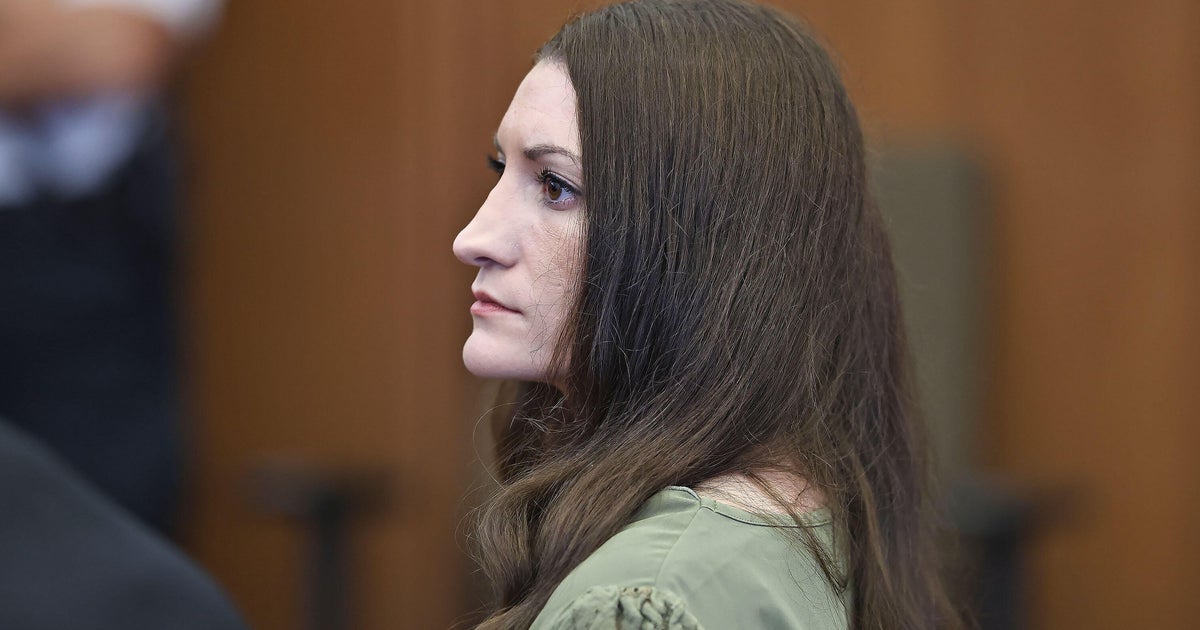
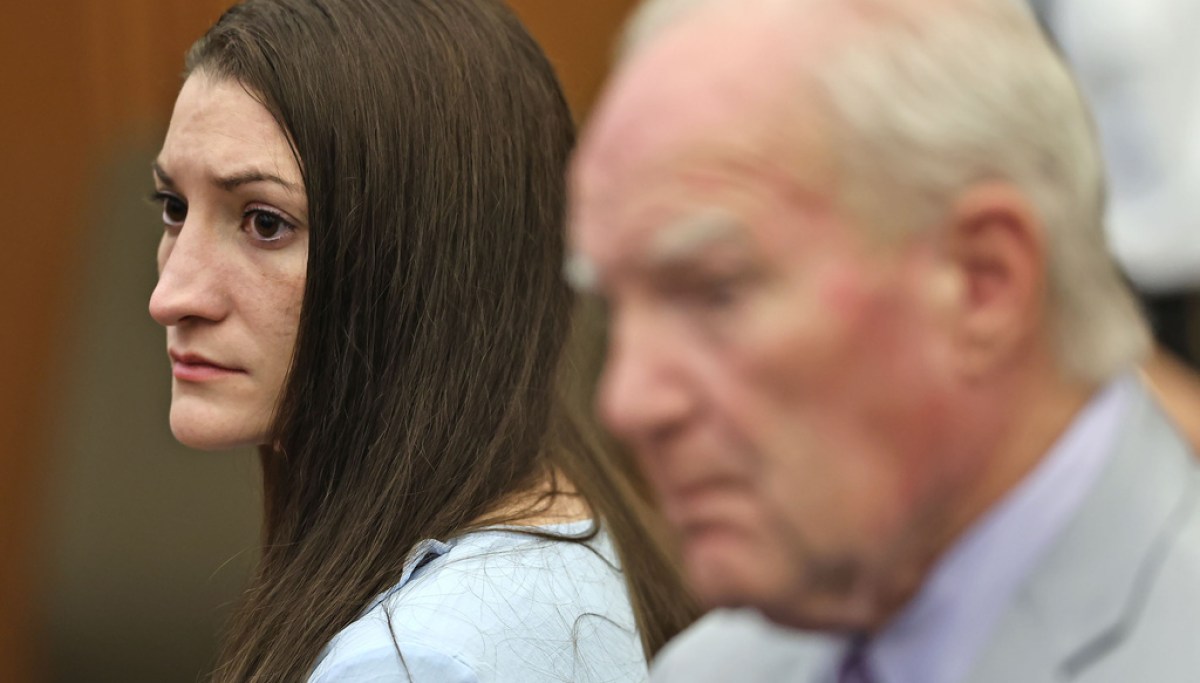
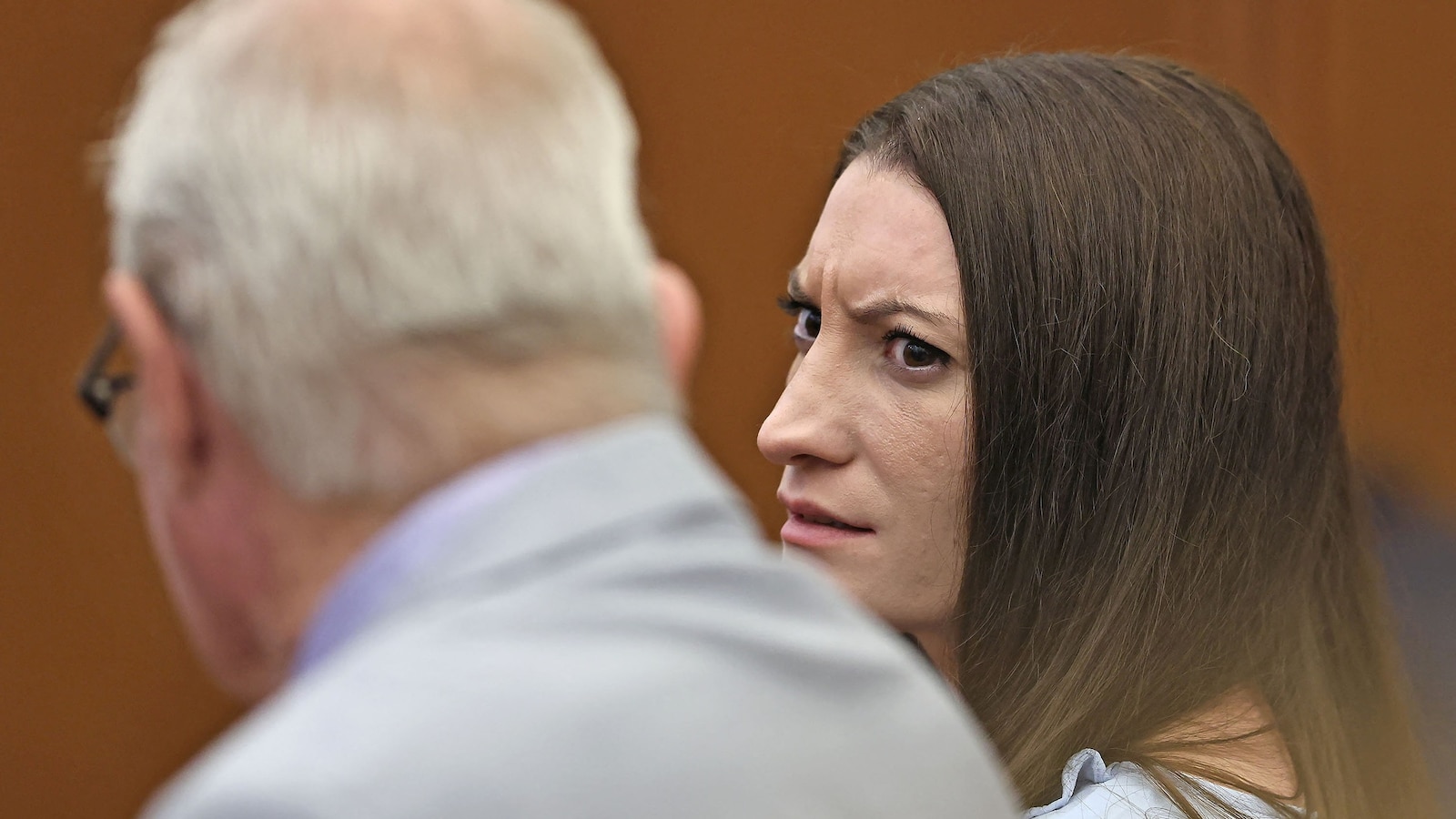
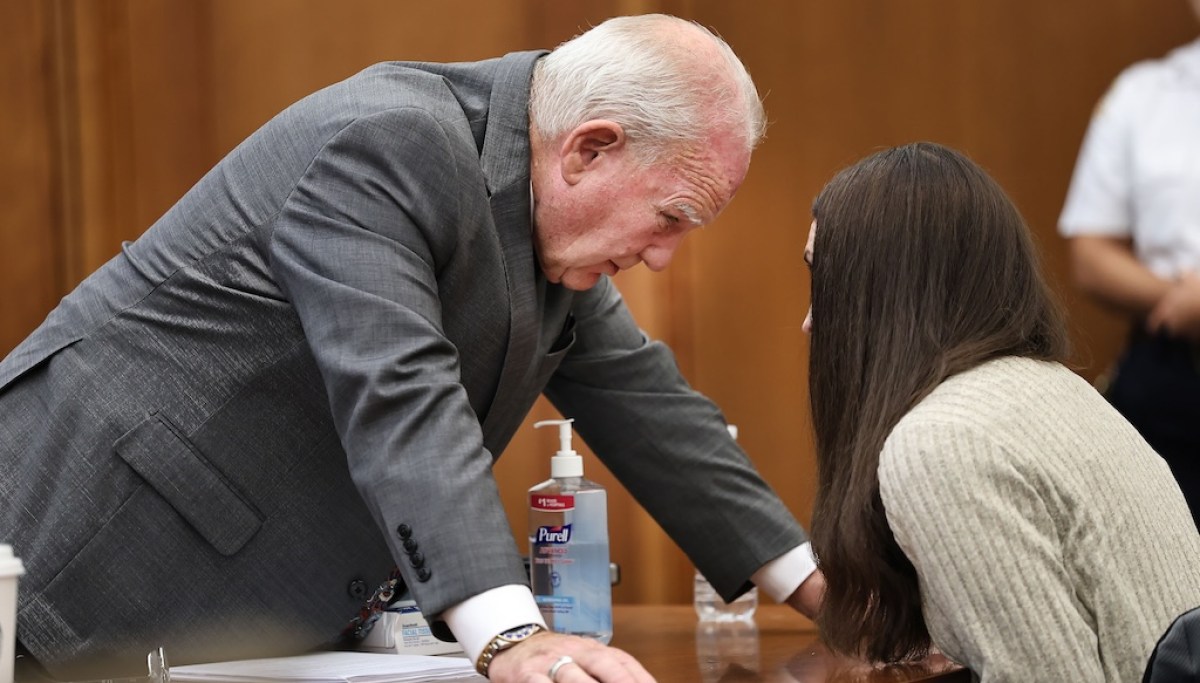
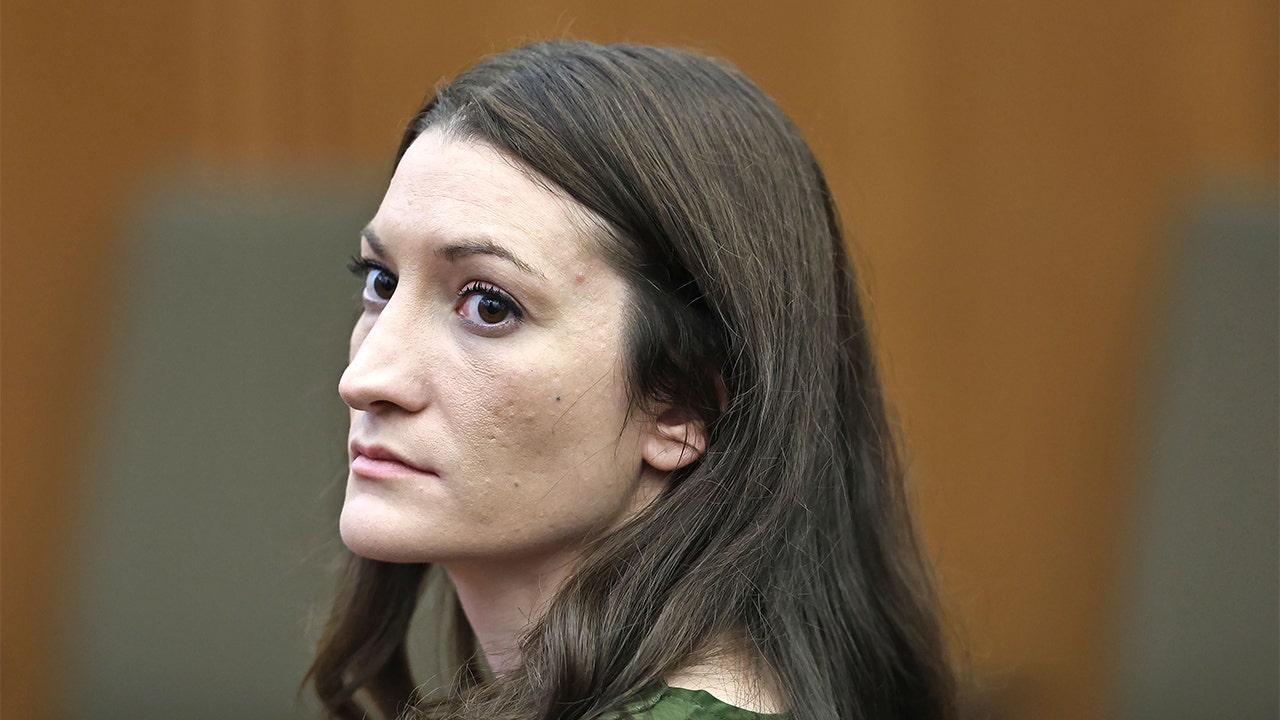
A mistrial has been declared in Lindsay Clancy’s murder trial despite a last-minute attempt by her defense attorney to halt the ruling.
asserted
mistrial → declare → ruling
Clancy's lawyer, Kevin Reddington, filed an emergency request for relief with the Massachusetts Supreme Judicial Court seeking to stop the mistrial, but it was quickly rejected.
asserted
it → file → mistrial
Hours earlier, Judge William Sullivan told the court he was ready to declare a mistrial after receiving a note from the jury that read, “It is with a heavy heart that we report we are unable to come to a unanimous decision and will not be able to.”
asserted
we → tell → decision
The jury was about to walk back into the courtroom for his ruling when Reddington asked for a chance to file an emergency appeal with a higher court.
asserted
Reddington → walk → court
“What I’m asking for is time to file a single-justice appeal for this travesty,” said Reddington, who was already upset over Sullivan’s refusal to remove a juror.
asserted
who → ask → juror
In a stunning development, the judge granted Reddington’s request and put the mistrial ruling on hold.
asserted
judge → grant → hold
“I’ll hold off for an hour,” Sullivan said.
asserted
Sullivan → hold → hour
After the higher court denied Reddington’s request, court resumed just before 2:30 p.m. and Sullivan declared a mistrial.
asserted
Sullivan → deny → mistrial
What happens next after mistrial
Jurors deliberated for seven days and told the judge three times that they were unable to reach a unanimous verdict.
asserted
they → happen → verdict
A conviction could’ve meant life in prison for Clancy, while an acquittal could’ve led to confinement in a mental health facility.
uncertain
acquittal → mean → facility
When a judge declares a mistrial, prosecutors must decide whether to retry the case, offer a plea deal, or drop the charges.
asserted
prosecutors → declare → charges
The Plymouth County District Attorney said immediately after the ruling that prosecutors will announce their decision on whether to retry Clancy at a later date.
asserted
prosecutors → say → date
If they decide to try the case again, the jury selection process would commence and a new trial would be scheduled with a new jury.
asserted
trial → decide → jury
Over a nearly six-week trial, the jury heard testimony from doctors, first responders, relatives and even Clancy’s former husband.
asserted
jury → hear → doctors
The jurors were tasked with determining whether she should be held criminally responsible for killing her three young children, Cora, 5, Dawson, 3, and 8-month-old Callan, at her Massachusetts home in 2023.
asserted
she → task → 2023
Both sides agreed Clancy did it.
asserted
Clancy → agree → it
But her attorneys argued the former labor and delivery nurse was suffering from postpartum psychosis at the time, and that poor mental healthcare made her condition worse.
asserted
condition → argue → time
Prosecutors, meanwhile, argued she intentionally planned the killings.
asserted
she → argue → killings
Lindsay Clancy's former husband made anguished 911 call
Clancy's former husband, Patrick Clancy, was first to take the stand at trial.
asserted
husband → make → trial
In emotional testimony, he described the day he found his wife after she tried to kill herself.
asserted
she → describe → herself
Lindsay Clancy had sent him out to get takeout food and medication for their daughter, which prosecutors argue was an excuse to get him out of the house.
asserted
prosecutors → send → house
He came home to find the house unusually silent then found blood throughout the main bedroom and a window open.
asserted
window → come → bedroom
Jurors listened to the 911 call Patrick Clancy made after finding his wife outside in the snow.
asserted
Clancy → listen → snow
He was heard speaking with his wife, then telling the dispatcher he’s going to check on the children.
asserted
he → hear → children
Moments later, he howls and cries after finding his children in the basement and the confused dispatcher repeatedly asks what happened.
“She killed the kids!” he yells.
asserted
he → howl → kids
Everyone knew Lindsay Clancy was struggling
Clancy's mother, mother-in-law, sister, friends and co-workers testified that Clancy struggled with her mental health after giving birth to Callan, the youngest of her three children.
asserted
Clancy → know → children
Clancy's mother-in-law, Susan Clancy, said she and her former daughter-in-law were close.
asserted
she → say → law
Both worked as labor and delivery nurses and she described Lindsay as a wonderful mother.
asserted
she → work → mother
But Susan Clancy testified that Lindsay had become anxious, paranoid and suicidal, and that the psychiatric care she was getting wasn't helping.
asserted
she → testify → ?
“She felt unwell.
asserted
She → feel → ?
She had insomnia.
asserted
She → have → insomnia
She was losing her appetite.
asserted
She → lose → appetite
She was very anxious and sad,” Susan Clancy said.
asserted
Clancy → say → ?
“She was begging for help.”
asserted
She → beg → help
Lindsay Clancy’s mother, Paula Musgrove, testified that her daughter was scared of sleeping alone, became paranoid and believed the medications she was taking “were destroying her mind.”
asserted
she → testify → mind
“Mom, will you please come up and stay with me for a bit?
asserted
you → come → bit
I’m really sick.
asserted
I → ’m → ?
Something is wrong,” Clancy wrote in an October 2022 text message that Paula Musgrove read in court.
asserted
Musgrove → write → court
“I had horrible insomnia all night, and I just don’t know how I am going to get through the day.
asserted
I → have → day
It’s just really scary, and I don’t want to be alone.”
asserted
I → ’ → ?
…and 27 more, not listed.
 The Aporia