'The health system in Nepal is not prepared for this'

NPR Topics: News · collected 2026-09-04 · by Jonathan Lambert
Read the original at NPR Topics: News ↗

Summary

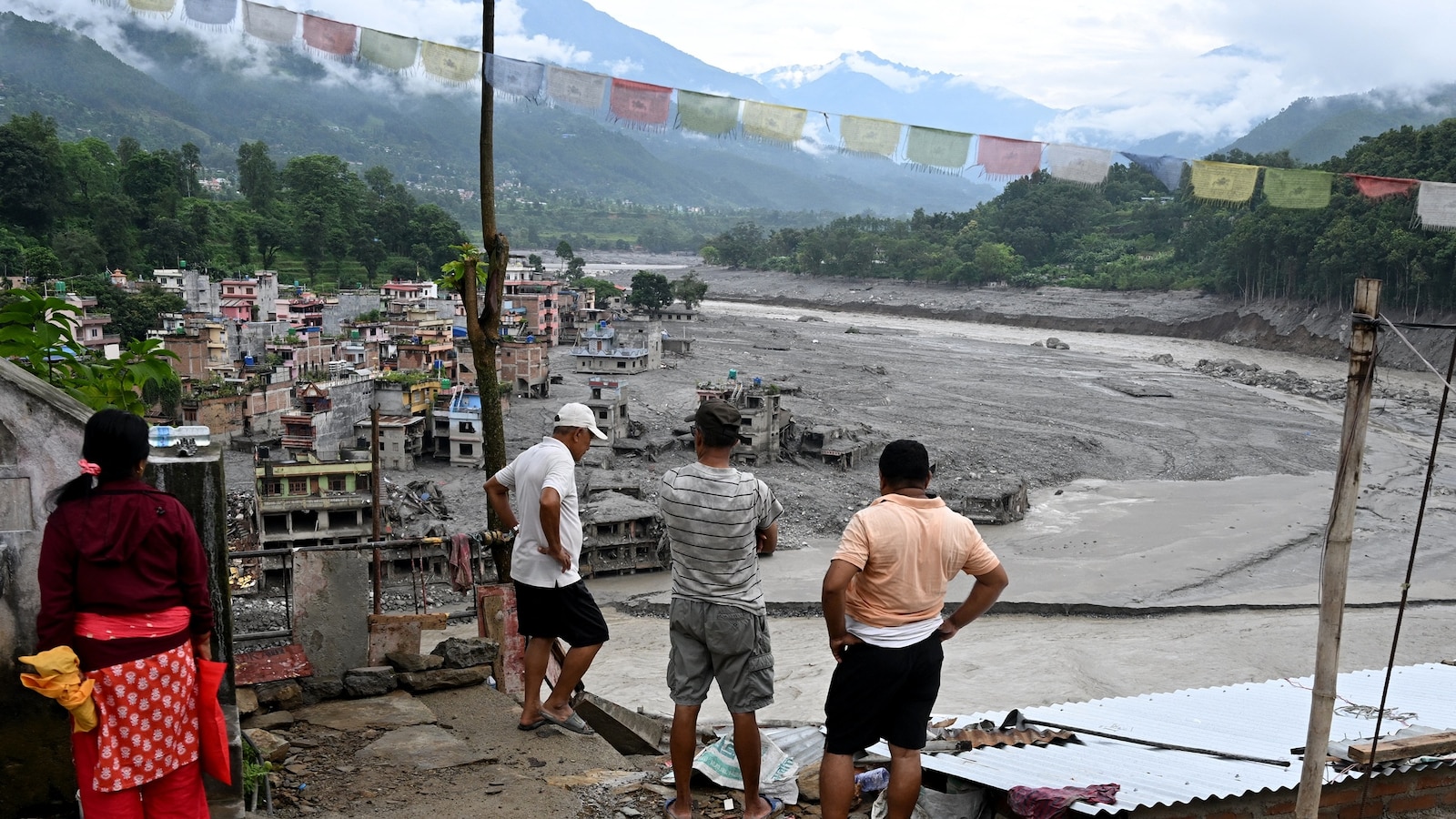
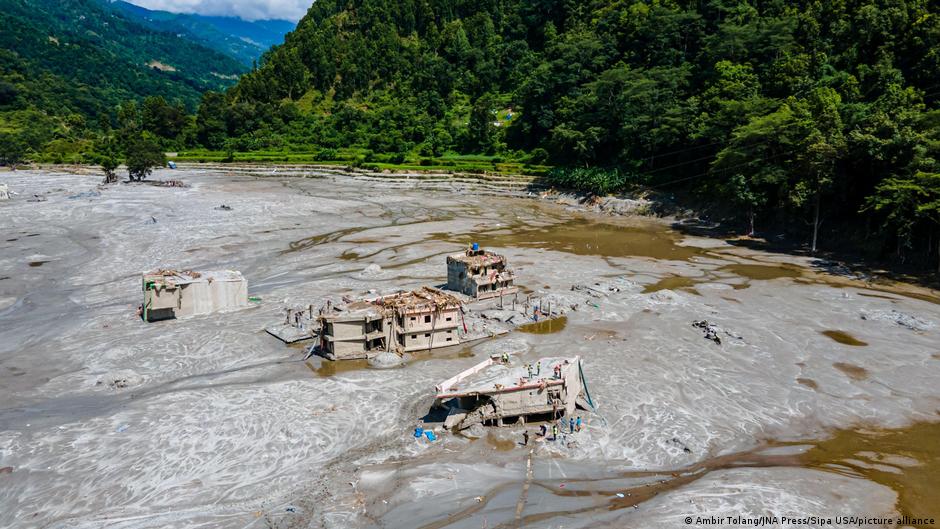
Shushma Bhusal, regional lead for the International Federation of Red Cross and Red Crescent Societies, describes devastating floods in Nepal's Bidur municipality after a collapsed glacier unleashed a torrent of water, mud, and debris on Aug. 26. The disaster has imperiled the health of tens of thousands of people due to damaged infrastructure, disrupted care, and lack of access to hospitals, with at least seven destroyed or damaged. So far, aid organizations have distributed basic items to around 19,000 people and set up medical tents to provide prenatal care, but people with chronic conditions are particularly vulnerable as they struggle to obtain medication and manage their health in the crisis.
Written by the local model on 2026-09-04, using this article's own text rather than the other coverage of the same event (that is the story summary below).

Signals How these are calculated →

Claims extracted
54
claim-shaped sentences
Uncertain
9%
5 of 54 hedged
Leaning
Leans left
of the writing, not the subject
Publisher trust
58.4
red-flag proxy, not a credibility rating
Outlets on this story
75
World
Narrative spread
1
articles carrying this framing
Analyzed 2026-09-04 · how these are computed

AI analysis (generated at analysis time, not now)

Story summary

At least 273 people have been killed and over 1,300 are missing after catastrophic floods hit the Nepal-Tibet border, with 25 Canadians among the missing, according to reports. The disaster was triggered by a collapsed glacier in the Himalayas, which sent a massive amount of water rushing through the valleys below. The flooding caused widespread destruction, including the collapse of buildings and bridges, and has left many people displaced.

Initial estimates put the death toll at 177, but it has since risen to 273. The floods were so powerful that they registered a magnitude of 5.2 on the US Geological Survey's scale, making them one of the deadliest natural disasters in recent memory. Rescue teams are still searching for hundreds of missing people along the Nepal-China border.

The collapsed glacier was likely caused by rapidly melting Himalayan ice, which is becoming an increasingly serious issue due to climate change. Scientists say that the glacier collapse was so powerful that it sent a massive amount of water rushing through the valleys below, causing widespread destruction and loss of life.

The disaster has left many people displaced and has highlighted the need for better monitoring and early warning systems in the region. The incident also highlights the risks faced by tourists and pilgrims who travel to the area, with hundreds reported missing or dead.

Written for “Nepal Tibet Flood Disaster” on 2026-09-05, grounded in this article and the 74 other(s) covering the same event.
Why this leaning score
The article's own words the score was based on. Each is quoted verbatim and was checked against the article text before being stored, so you can find it in the original.
Score -0.35 Confidence high
Leaning score -0.35 for article 3972 (high confidence, 1 verified quote) · logged 2026-09-04

Story

📰 Nepal Tibet Flood Disaster
World · 75 article(s) covering the same event.

How this is being covered How these are calculated →

Article leaning vs. publisher reliability
Source leaning vs. consistency

Compared with similar articles

This article reads leans left and hedges 9% of its claims. Each row says how that neighbour differs.
ABC News: Top Stories
⚖️ leaning not scored 🔴 14% hedged 3 of 21 📰 publisher trust 94
“Both articles report on the same flash flooding disaster in the Nepal-Tibet border region, with similar numbers of deaths and missing people.”
CBC | World News
⚖️ leaning not scored 🔴 8% hedged 3 of 39 📰 publisher trust 95
“Article A mentions rescuers searching for trapped workers in hydropower plant tunnels after flooding, while Article B describes the impact of the flood on a municipality and its residents”
World | Deutsche Welle
⚖️ Leans left 🔴 2% hedged 1 of 41 📰 publisher trust 95
“Although both articles mention floods in Nepal and refer to PM Balendra Shah, they describe different aspects of the disaster, with Article A focusing on the impact and recovery efforts, while Article B describes the extent of the destruction in a specific area.”
World News Today: International News Headlines - The Hindu | The Hindu
⚖️ leaning not scored 🔴 18% hedged 4 of 22 📰 publisher trust 95
“Article A describes an ongoing rescue operation in its fourth day after a disaster on August 26, while Article B discusses the destruction of a village, but does not mention any dates or timelines that match Article A”
The Independent World
⚖️ leaning not scored 🔴 17% hedged 6 of 35 📰 publisher trust 58
“Both articles describe the devastating floods in Nepal that occurred last week, causing destruction and loss of life, including damage to a hydropower plant and unaccounted for workers.”
Al Jazeera – Breaking News, World News and Video from Al Jazeera
⚖️ leaning not scored 🔴 6% hedged 3 of 47 📰 publisher trust 96
“Both articles report on the same flash flood disaster in Nepal, specifically mentioning the trapped people in tunnels and the devastating impact on the region.”
Top News - UPI.com
⚖️ leaning not scored 🔴 0% hedged 0 of 17 📰 publisher trust 54
“Article A reports on an updated death toll from last week's flooding in Nepal, while Article B describes the aftermath of the flood and the unpreparedness of the health system”
NBC News Top Stories
⚖️ leaning not scored 🔴 20% hedged 6 of 30 📰 publisher trust 95
“Both articles describe the rescue efforts in Nepal following the devastating floods, mentioning the recovery of bodies and survivors from the hydropower tunnel.”
World | Deutsche Welle
⚖️ Leans strongly left further left than this 🔴 19% hedged 6 of 31 📰 publisher trust 95
“Both articles report on the same devastating floods in Nepal's Bhotekoshi-Trisuli river basin, with the same date (2026-09-04) and similar descriptions of damage and destruction.”
World News Today: International News Headlines - The Hindu | The Hindu
⚖️ Leans left 🔴 0% hedged 0 of 26 📰 publisher trust 95
“Both articles mention the devastating floods in Nepal along with Trishuli River and refer to the same affected areas such as Bidur municipality, indicating they are reporting on the same specific incident.”

Publisher

NPR Topics: News · 124 article(s) · 1 correction(s) detected
SignalValueWeight
Correction rate 0.008 0.4
Uncertainty density 0.088 0.25
Assertive mismatch rate 1.000 0.35
Running correction rate · 1 correction(s)
2026-08-31
Hit shows from Edinburgh's Fringe festival are coming to America. Here are our top picks

Who wrote this

Jonathan Lambert
1 article(s) here · 1 carrying a prediction
🔮 "There is a high risk of an epidemic that could be cholera, diarrheal disease.
2026-09-04 · assertive framing · 'The health system in Nepal is not prepared for this'
The only article under this byline in the corpus.

Topics

Bidur Kathmandu Nepal Nepali the International Federation of Red Cross and Red Crescent Societies

Subjects

Nepal GPE · 7× Bhusal PERSON · 3× Bidur GPE · 2× Simkhada PERSON · 2× UNICEF ORG · 2× Kathmandu GPE · 1× Nepali NORP · 1× Padam Simkhada PERSON · 1× Shushma Bhusal PERSON · 1× the International Federation of Red Cross and Red Crescent Societies ORG · 1×

Narrative

Save the Children and other responders are trying to provide support for that acute psychological distress, sending in counselors and providing mental health support at the shelters.
framing: assertive · carried by 1 article(s) · first seen 2026-09-04
🔮 "There is a high risk of an epidemic that could be cholera, diarrheal disease.
2026-09-04 · NPR Topics: News
'The health system in Nepal is not prepared for this' · assertive framing

Claims (54 extracted, 5 hedged)

'The health system in Nepal is not prepared for this' asserted
system → prepare → this
"There's nothing left there," says Shushma Bhusal, the regional lead for the International Federation of Red Cross and Red Crescent Societies. asserted
Bhusal → be → Societies
A lot of houses have just been washed off." Bhusal is describing parts of Bidur municipality after the flood. asserted
Bhusal → wash → flood
Before disaster struck, it was a bustling place, home to about 60,000 people. asserted
it → strike → people
Hundreds of homes and businesses hugged the Trishuli River, which cuts a winding path through the Nepali Himalayas. asserted
which → hug → Himalayas
Now Bhusal sees only devastation. asserted
Bhusal → see → devastation
Across the river, Trishuli hospital served the larger region. asserted
hospital → serve → region
But the bridge to get there was destroyed by the enormous torrent of water, mud and debris unleashed by a collapsed glacier on Aug. 26. asserted
bridge → get → Aug.
"The time taken to cross the bridge in normal times was just 10 minutes," says Bhusal. asserted
Bhusal → take → times
"Now it takes about 10 hours for people to go and walk through the trail and get to the other side of the river. asserted
people → take → river
It leaves the people here in Bidur out of access to health services. asserted
It → leave → services
It's a situation playing out across communities along the river, imperiling the physical and mental health of tens of thousands. asserted
It → play → thousands
"It's an unbelievable disaster," says Padam Simkhada, a global health researcher from the area who is now at the University of Chester. asserted
who → say → Chester
"The health system in Nepal is not prepared for this. asserted
system → prepare → this
" Damaged infrastructure, disrupted care The floods killed at least 1,200 people in Nepal and neighboring Tibet, according to authorities. uncertain
floods → disrupt → authorities
The disaster also completely destroyed or damaged at least seven hospitals and health centers, says Allison Gocotano, the World Health Organization representative to Nepal. asserted
Gocotano → destroy → Nepal
While some hospitals remain functional, "access remains hindered because of the road blockages," he says. asserted
he → remain → blockages
The damage is making it harder to care for those injured by the floods. asserted
it → make → floods
It's also disrupting routine medical care. asserted
It → disrupt → care
"We know in the community there are pregnant women who have delivery dates in the next few weeks," says Abhilasha Gurung, a health specialist with UNICEF in Nepal. asserted
Gurung → know → Nepal
The aid organization is in the process of setting up medical tents to provide that basic care. asserted
organization → set → care
She says they've also distributed basic items, including hygiene kits and bed nets to protect against mosquitoes, to 19,000 people. asserted
they → say → people
People with chronic conditions requiring medication, like diabetes, hypertension or cancer, are especially vulnerable in crises like these, says Simkhada. asserted
Simkhada → require → these
"Even if they survive because they ran away, they lost their medication. asserted
they → survive → medication
Even if there is another supply, they don't know [the] dosage," he says. asserted
he → be → dosage
"People who already have chronic conditions even become worse." asserted
who → have → conditions
As health officials scramble to shore up this basic medical care, they're also on the lookout for new threats. asserted
they → scramble → threats
Clean water is hard to come by, as the floods contaminated water systems and damaged infrastructure. asserted
floods → come → infrastructure
That's raising fear of waterborne diseases, says Simkhada. asserted
Simkhada → raise → diseases
"There is a high risk of an epidemic that could be cholera, diarrheal disease. uncertain
that → be → epidemic
Thousands of survivors are being relocated into cramped temporary shelters where airborne diseases like tuberculosis could spread. uncertain
diseases → relocate → tuberculosis
The Ministry of Health has deployed technical staff to help beef up surveillance in these centers, says Gocotano, the WHO official. asserted
Gocotano → deploy → centers
"The dead are gone, I am the one alive" asserted
I → go → ?
The devastating floods have also left a mental health crisis. asserted
floods → leave → crisis
Roughly 2,500 to 3,000 people are currently in temporary holding centers, including everyone rescued from the floods, says UNICEF's Gurung. asserted
Gurung → include → floods
Many are grappling with profound loss. asserted
Many → grapple → loss
Ayush Joshi, who works for the non-profit Save the Children in Nepal, visited one such center in Nuwakot earlier this week. asserted
who → work → Nuwakot
His visit was often interrupted by the sound of helicopters overhead, searching for survivors. asserted
visit → interrupt → survivors
"Whenever a helicopter passed by, you would see children in these holding centers looking up in the sky," he says. asserted
he → pass → sky
"Not just one child, it's like every child, they just look up." asserted
they → look → child
…and 14 more, not listed.

💬 Give feedback
🕘 History 🎫 Support