Air pollution spiked after the Trump administration stopped embassy monitoring
Growing up in Shanghai in the early 1990s, Eric Zou remembers the air.
asserted
Zou → spike → air
"I lived a couple of miles next to a chemical plant and it was just really bad, really foggy," he says.
asserted
he → live → plant
"It's the middle of the day, but you can't see the sun."
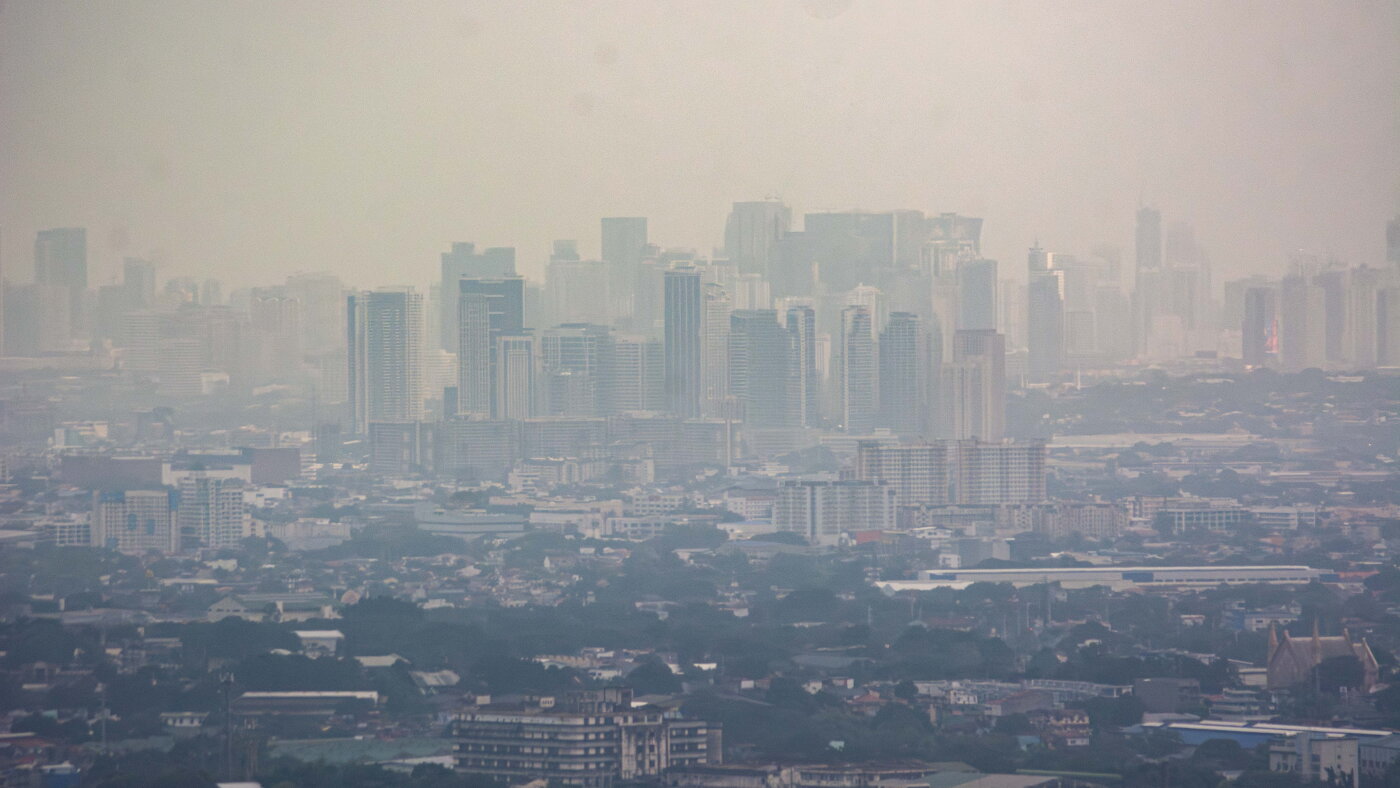
Intensive industrial activity blanketed many cities in China during the 1990s and 2000s with extremely hazardous air.
asserted
activity → see → air
But Zou, now an environmental economist at the University of Michigan, says that many people didn't really understand this smog as air pollution, or something that could harm them.
uncertain
that → say → them
"When you have a big smog event, people often talk about that as fog, they think it was just like bad weather," says Zou.
asserted
Zou → have → weather
One big key to changing that sentiment, he says, was information initially provided by the United States.
asserted
he → change → States
In 2008, U.S. officials installed an air quality monitor on the embassy in Beijing and began making the information public.
asserted
information → instal → Beijing
Over time, that helped spur demand for cleaner air, says Zou.
asserted
Zou → spur → air
"Once you have pollution information, it tends to be that it actually helps people to realize, 'Oh, I actually value air quality.'
asserted
I → have → quality
Since 2008, the State Department's monitoring initiative has expanded to more than 80 embassies and consulates.
asserted
initiative → expand → embassies
Research suggests that monitoring contributed to measurable improvements in air quality, especially across many low- and middle-income countries with limited monitoring systems of their own.
uncertain
monitoring → suggest → own
But in March 2025, the Trump administration shuttered that program, citing monetary costs.
asserted
administration → shutter → costs
Research out this week suggests the move had health costs for the people living in those countries.
uncertain
move → suggest → countries
Over the several months following the shutdown, air pollution levels measured via satellite increased by 24-33%, researchers reported Monday in the journal PNAS.
asserted
researchers → follow → journal
The State Department declined to comment on the study itself.
asserted
Department → decline → study
In a statement to NPR, it did say the State Department is in the process of restoring public reporting of air quality monitoring data, but did not give a timeframe for when it would resume.
asserted
it → say → timeframe
And it's a real pity," says Andrea La Nauze, an environmental economist at Deakin University in Australia who has researched the benefits of the program but wasn't involved in this study.
asserted
who → say → study
The program "led to sustained improvements in air quality that were continuing to increase after 10 years," she says.
asserted
she → lead → years
She says this new research suggests those improvements aren't guaranteed if monitoring stops.
uncertain
monitoring → say → ?
Measuring the consequences of not measuring
When Zoey Yiyuan Zhou first heard the news that the Trump administration was shuttering the embassy air quality monitoring, it struck her as a research opportunity.
asserted
it → measure → opportunity
"It's such a rare case to study this drawback," says the Columbia University climate researcher.
asserted
researcher → study → drawback
While there's ample evidence of the benefits of increased monitoring, she says there aren't many examples of a sudden falloff of surveillance.
asserted
she → be → surveillance
Zhou and her colleagues decided to compare air pollution levels before and after monitoring ceased across 46 cities.
asserted
monitoring → decide → cities
Since they didn't have on-the-ground measures of air quality for the latter part of that comparison, they used satellite data for both.
asserted
they → have → both
The team found no significant trends in air pollution over the 300 days preceding the end of U.S. reporting.
asserted
team → find → reporting
But about three to four months after reporting ended, pollution had gone up, on average by about 30%.
asserted
pollution → end → %
Satellite data isn't a perfect substitute for monitors that can measure on-the-ground pollution.
asserted
that → measure → pollution
The researchers estimate their satellite measurements translate to about a 4% increase in PM2.5 — the small suspended particles that can enter the lungs and bloodstream and cause health problems.
asserted
that → estimate → problems
"That magnitude is certainly concerning," says La Nauze.
asserted
Nauze → say → ?
"Particulate matter is a serious and dangerous thing, and being exposed to it is not good.
asserted
exposed → expose → it
"
The increase was highest in Southeast Asian cities, including Manila in the Philippines, Rangoon in Myanmar and Vientiane in Laos, says Zhou.
asserted
Zhou → include → Laos
Pollution also spiked more in cities with fewer monitoring alternatives.
asserted
Pollution → spike → alternatives
The study can't say why pollution increased after monitoring stopped.
asserted
monitoring → say → ?
For countries with nonexistent or nascent monitoring programs, U.S. data may have prompted more regulatory action, says Zou.
uncertain
Zou → prompt → action
"Maybe the U.S. Embassy was a really strong force in terms of a third-party auditing mechanism, and once that's removed, people are like 'Now I can just pollute, right?'
asserted
I → remove → mechanism
In many industries, it costs money to cut down on pollution, says Zhou.
asserted
Zhou → cost → pollution
When monitoring stops, companies may see it as an opportunity to cut those costs.
uncertain
companies → stop → costs
But the researchers did find some potentially hopeful news.
asserted
researchers → find → news
Pollution levels seemed to go back down somewhat after peaking about three or four months after monitoring stopped.
asserted
monitoring → seem → ?
It's difficult to say why this decrease happened, Zhou says, or whether the trend will continue.
asserted
trend → say → ?
…and 5 more, not listed.
 The Aporia