There's a global pandemic treaty that's signed — and in 'limbo.'
asserted
that → be → limbo
The World Health Organization adopted the pandemic agreement in May 2025, aimed at making the world better prepared for the next global health crisis — but countries were only able to get the votes because they agreed to kick the can on finalizing the most contentious details.
uncertain
they → adopt → details
That can kicking has continued for the past year and half.
asserted
kicking → continue → year
Countries met last week for the eighth round of negotiations in Geneva, but there was little to show for it.
asserted
Countries → meet → it
"The pandemic agreement is really in a state of continued limbo," says Suerie Moon, co-director of the global health center at the Geneva Graduate Institute.
asserted
Moon → say → Institute
"The mood is somber, I think a lot of countries know we have to make progress, and yet the path forward is not obvious."
asserted
path → think → progress
At the center of the debate is access and equity — whether countries should be obligated to share data on new pathogens with the international community quickly, and what obligations countries have to share the vaccines, drugs or tests developed from those data.
asserted
countries → obligate → data
"There was staggering inequity during COVID-19, where rich countries had access to vaccines almost immediately, and were able to procure it multiple times over for their population," while lower-income countries got scraps, says Sangeeta Shashikant, a legal adviser for the Third World Network, a nonprofit.
asserted
Shashikant → be → Network
"The pandemic agreement is an attempt to bridge that gap."
asserted
agreement → bridge → gap
In principle, countries have agreed to these obligations.
asserted
countries → agree → obligations
And they see them as crucial to having a system in place that allows for rapid response to the next pandemic in a more equitable way.
asserted
that → see → way
But countries haven't been able to agree on what that system, known as the Pathogen Access and Benefit Sharing annex (PABS), would actually look like.
asserted
system → agree → annex
At the UN General Assembly on Friday, WHO Director-General Tedros Adhanom Ghebreyesus urged countries to come together.
asserted
Ghebreyesus → urge → countries
"Although differences remain, I am confident that countries will find common ground, just as they did with the agreement itself," he said.
asserted
he → remain → agreement
"So today, I leave you with just one request, just one: get [it] done, as soon as possible.
asserted
it → leave → request
They are delays that cost all countries dearly when the next pandemic arrives.
asserted
pandemic → cost → ?
"
Global north versus global south
In broad strokes, negotiations are generally between the global north and the global south, or wealthy countries and lower-income countries, says Moon.
asserted
Moon → say → north
"The global north is concerned about setting up a system that would allow for the continued, very rapid development of new products," she says.
asserted
she → concern → products
Such a system would involve a database where countries quickly upload new pathogen data, and scientists around the world can easily use it.
asserted
scientists → involve → it
COVID-19 demonstrated why that's valuable.
asserted
that → demonstrate → ?
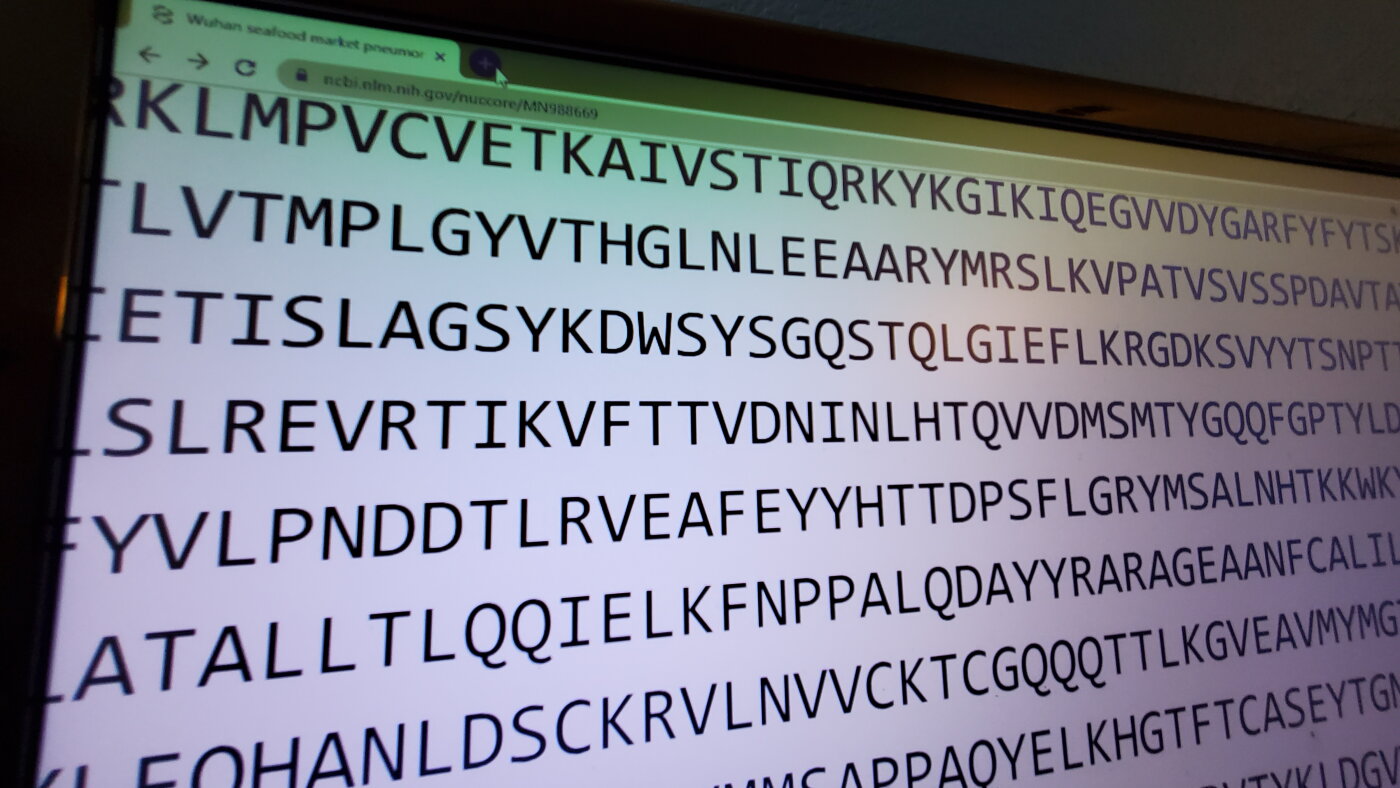
In early January 2020, Chinese scientists uploaded the SARS-CoV-2 genome to a publicly available database.
asserted
scientists → upload → database
That early access was part of why scientists were able to develop a vaccine so quickly, says David Reddy, director general of the International Federation of Pharmaceutical Manufacturers and Associations.
asserted
Reddy → develop → Manufacturers
"It worked incredibly well."
asserted
It → work → ?
Lower-income countries see it differently.
asserted
countries → see → it
"I think they have very bitter memories of what happened during COVID-19," says Moon.
asserted
Moon → think → COVID-19
"Countries in the global south want ironclad guarantees that if they share a sample or a data today, tomorrow they will get the drugs or vaccines and diagnostics that are developed with them."
asserted
that → want → them
These countries want to tie strings to accessing the database, as a kind of leverage.
asserted
countries → want → leverage
Who wants what
Those strings could come in a variety of forms.
uncertain
strings → want → forms
Some countries are arguing to put all of this pathogen data in a closed database, available only to parties who register and sign contracts with WHO.
asserted
who → argue → WHO
Such contracts might require a share of any resulting products to be provided to WHO at reduced cost for distribution to lower-income countries.
uncertain
share → require → countries
WHO's pandemic influenza preparedness network works something like this: Countries submit virus samples in exchange for more equitable vaccine access.
asserted
Countries → work → access
Wealthy countries have already agreed that 20% of vaccines produced in a pandemic emergency would go to WHO.
asserted
% → agree → WHO
Yet they're not in favor of these strings as a condition of being able to use data.
asserted
they → use → data
They argue it will slow science down at precisely the time it needs to be most nimble.
asserted
it → argue → time
A researcher may want to study how a new virus enters human cells, for instance, to figure out how to stop it.
uncertain
virus → want → it
That would require analyzing the virus's genetic data, but also data on human proteins, says Amber Sholz, head of science policy at the Leibniz Institute.
asserted
Sholz → require → Institute
Putting boxes around some of that data creates "a huge amount of friction that leaves us not super prepared for understanding pathogen biology," she says.
asserted
she → put → biology
Right now, the two sides still seem far apart in negotiations.
asserted
sides → seem → negotiations
One involves attaching strings not to the data itself but to any products generated from the data.
asserted
One → involve → data
James Love, director of Knowledge Ecology International, a nonprofit, has been advocating this idea.
asserted
Love → advocate → idea
…and 16 more, not listed.
 The Aporia